
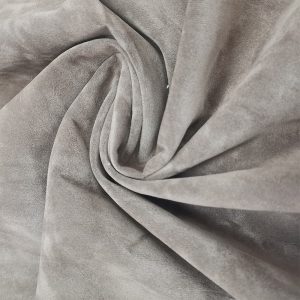
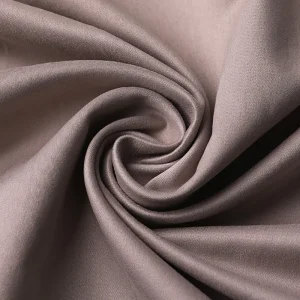
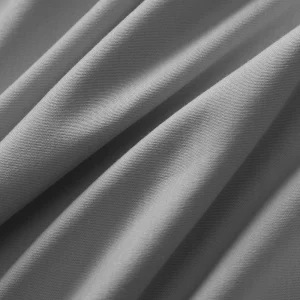
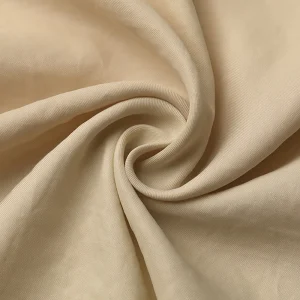
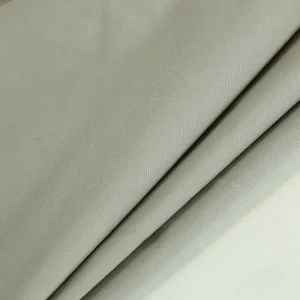
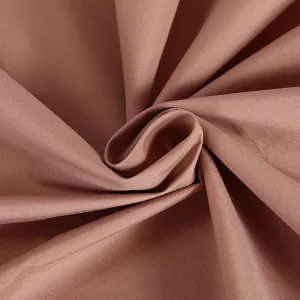
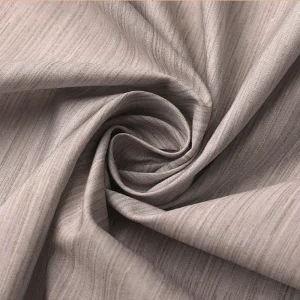
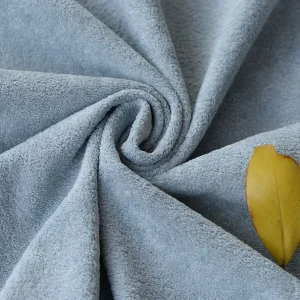
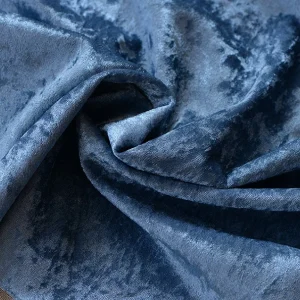
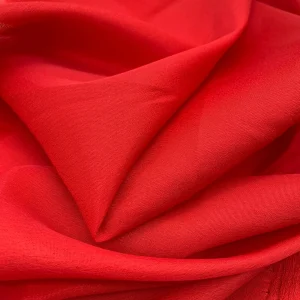
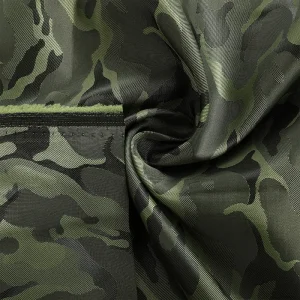
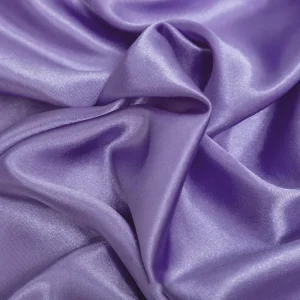
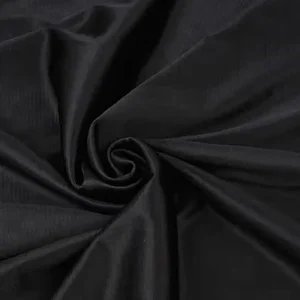
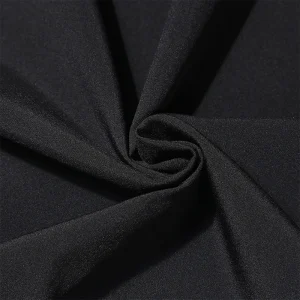
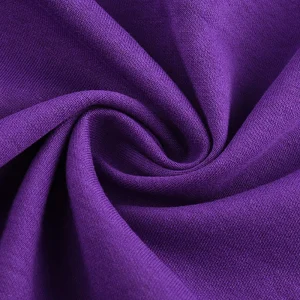
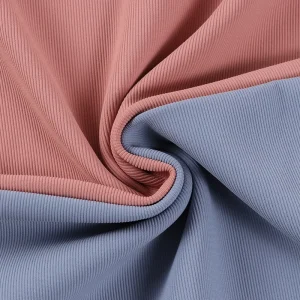
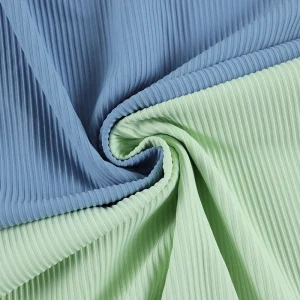
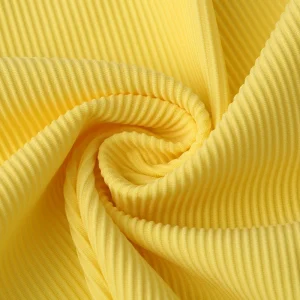
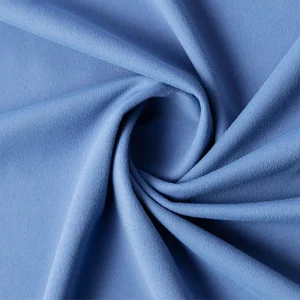
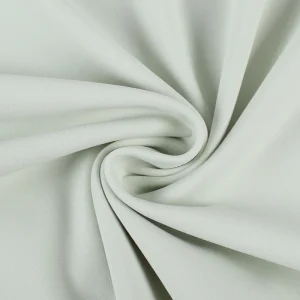
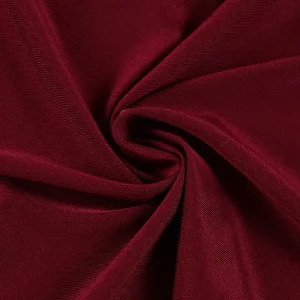

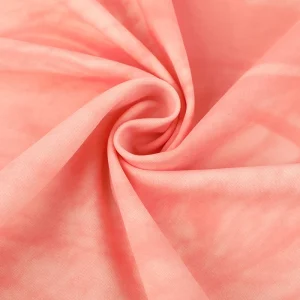
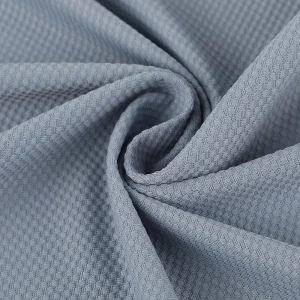
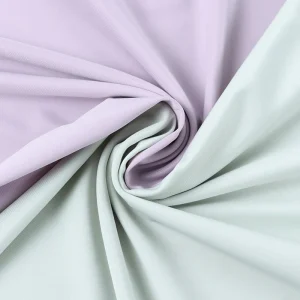
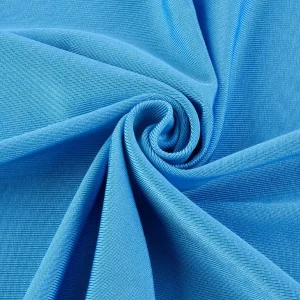
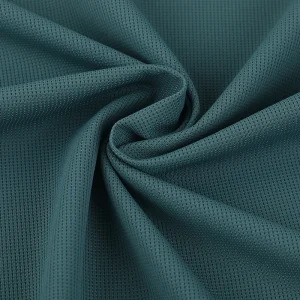
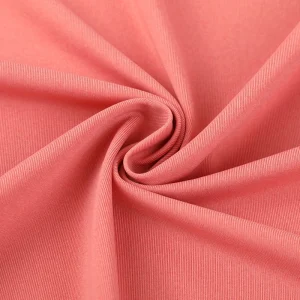
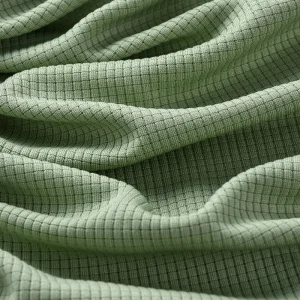
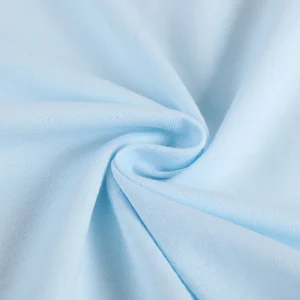
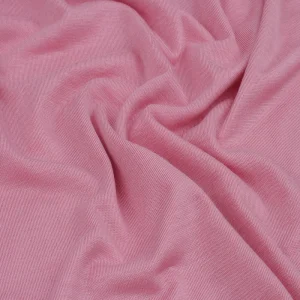
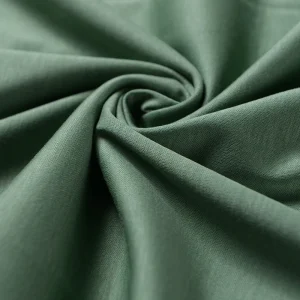
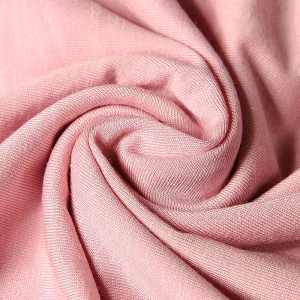
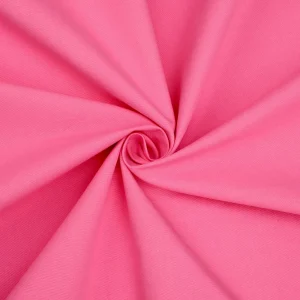
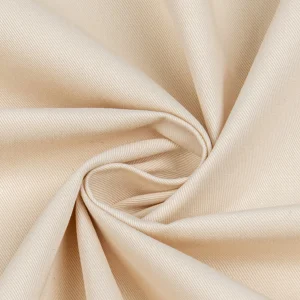
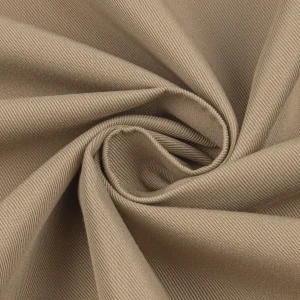
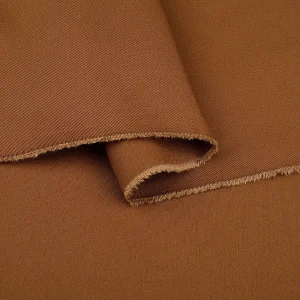
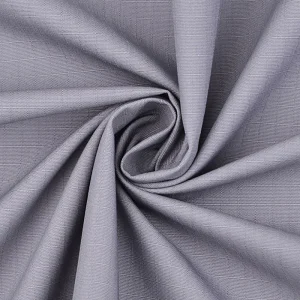
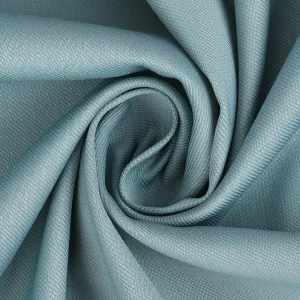
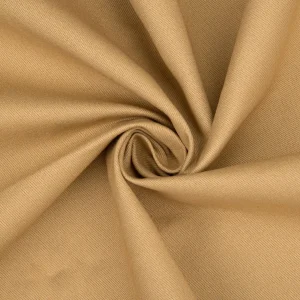
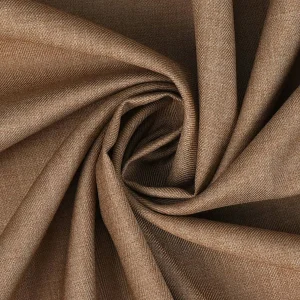
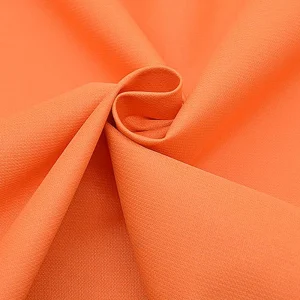
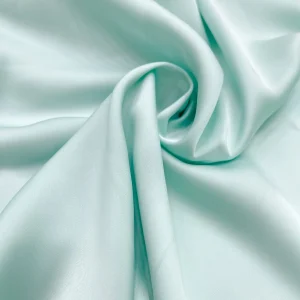
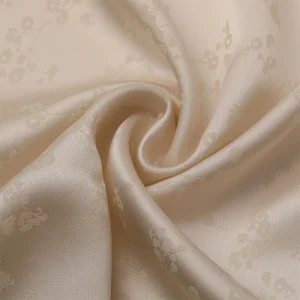
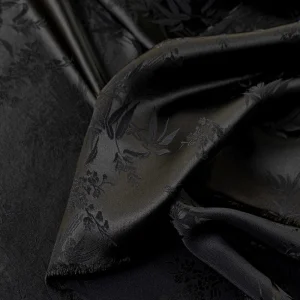
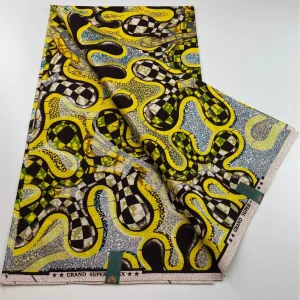
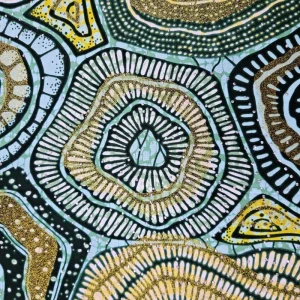
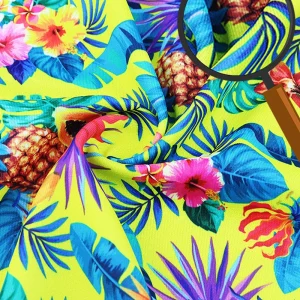
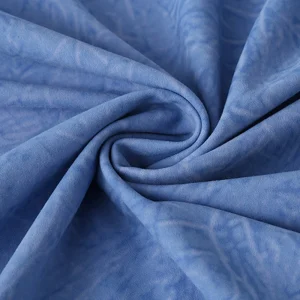
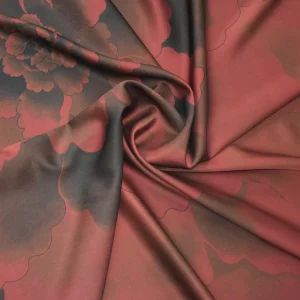
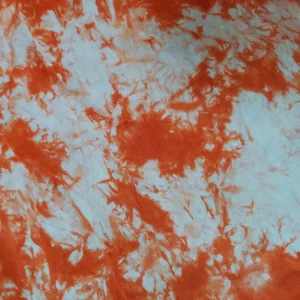
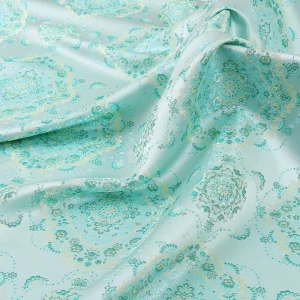
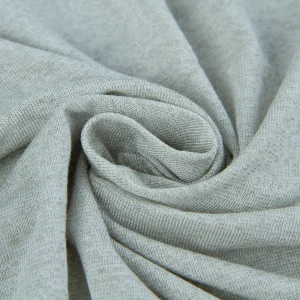
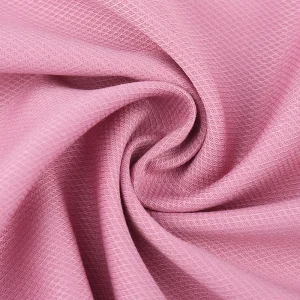
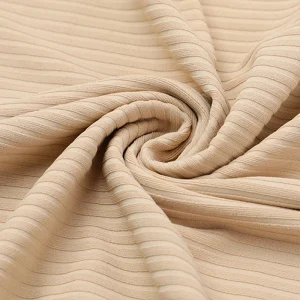
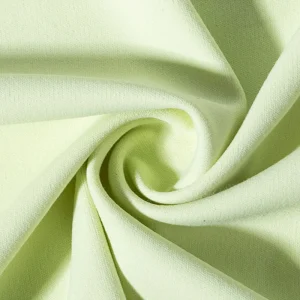
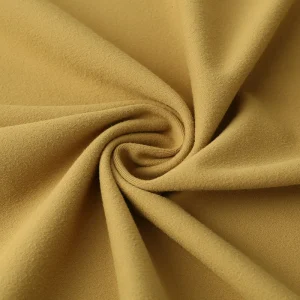
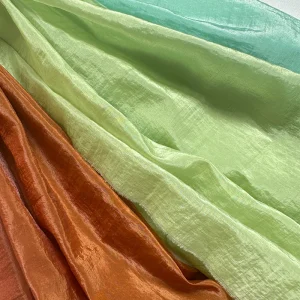

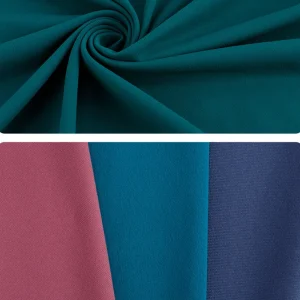
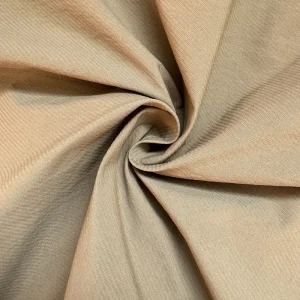
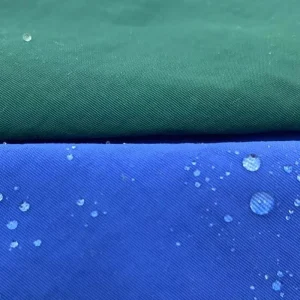
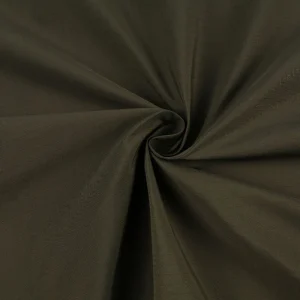
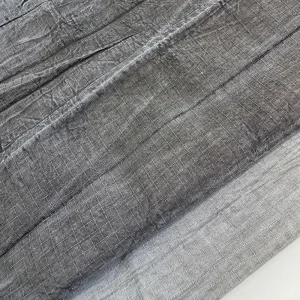
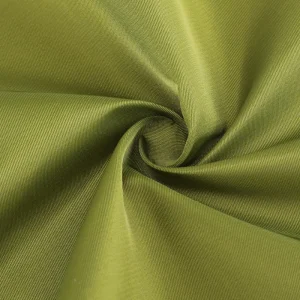
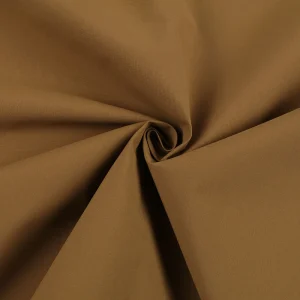
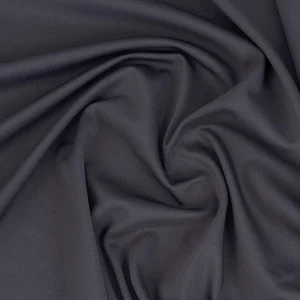
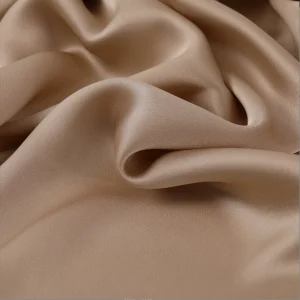
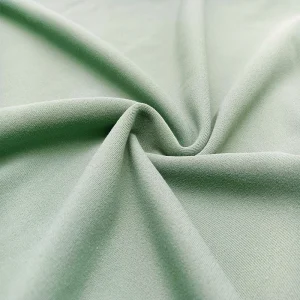
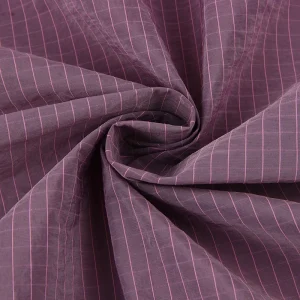
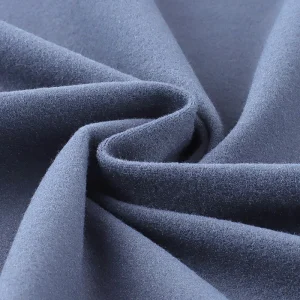
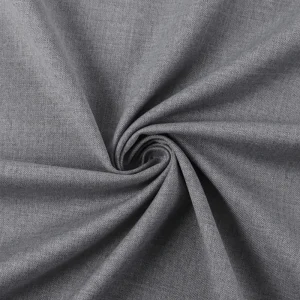

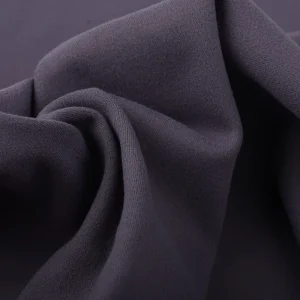
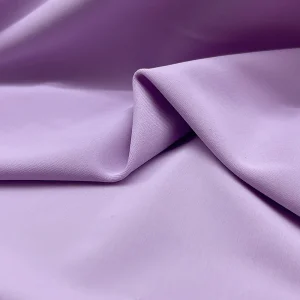
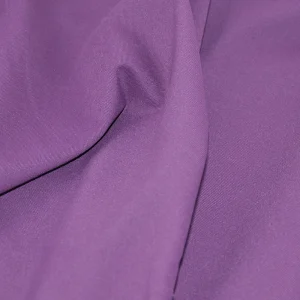
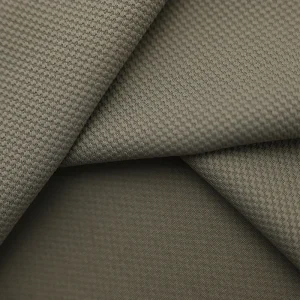
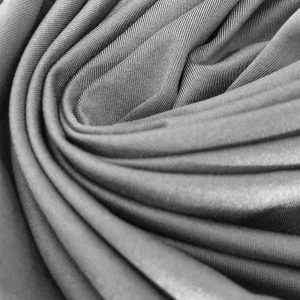
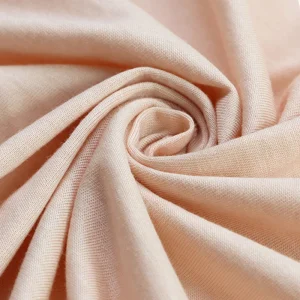
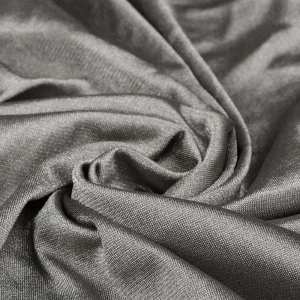
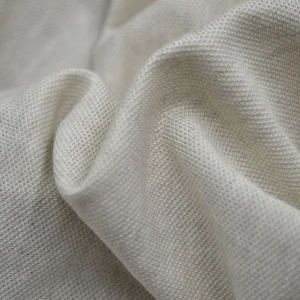
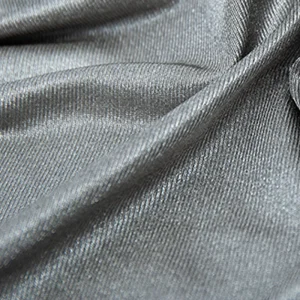
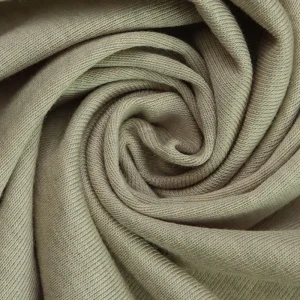
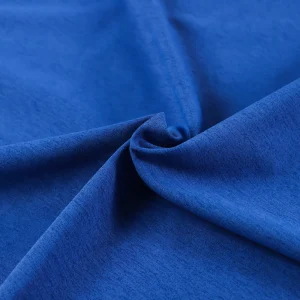
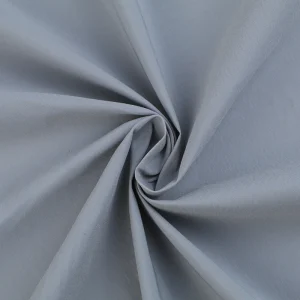
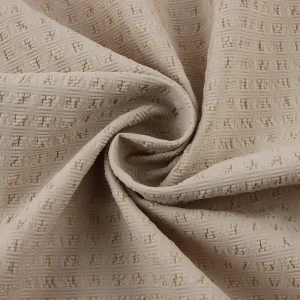
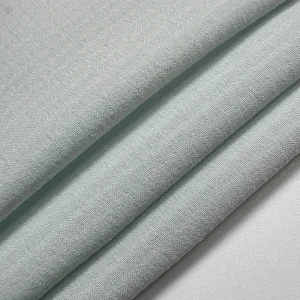
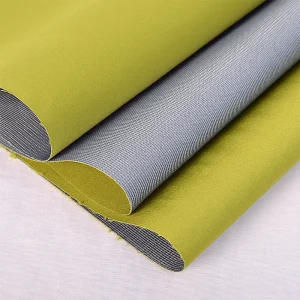
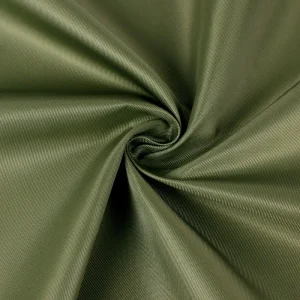
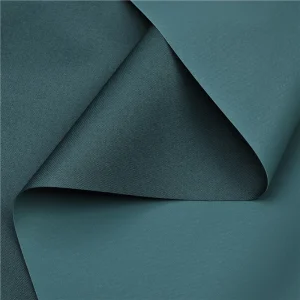
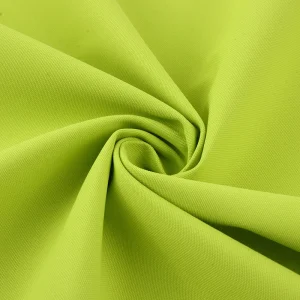
Shengchao supplies knitted, woven, stretch, printed, lining and functional fabric directions for sportswear, yoga wear, swimwear, underwear, T-shirts, school uniforms, workwear and selected home-textile uses. Available options vary by composition, construction, GSM, width, hand feel and finish. To narrow the selection, send the garment use, a reference swatch or target specification, quantity and destination market. We will identify suitable current items or confirm whether a new development route is required.
TECHNICAL ANSWERS
Frequently Asked Questions
Clear answers for sourcing, sampling, customization, quality control and delivery. Final specifications and commercial terms are confirmed against each fabric and order.
Yes. Custom development can cover composition, construction, GSM, usable width, stretch, hand feel, color, print and agreed functional finishes. Start with a garment brief, reference swatch or artwork and state the expected quantity, test requirements and target delivery date. Our team reviews material availability and the appropriate approval route, then confirms whether the project should begin with a lab dip, print strike-off, handloom, sample yardage or an existing base fabric. Feasibility, development cost and timing are confirmed before work starts.
There is no single MOQ for every fabric. The required quantity depends on yarn availability, construction, dye lot, print method, finishing process and whether the item is in stock or made to order. Continuing or stock-supported items may allow a lower starting quantity, while custom dyeing, printing or special yarns normally require a production MOQ. Send the item reference, color count and required quantity; we will confirm the applicable MOQ, any small-lot surcharge and the most practical production route before quotation.
Yes. Depending on the item, we can arrange an available swatch, hanger sample or sample yardage for initial evaluation. Custom colors normally require lab-dip approval, while printed designs may require a strike-off before sample yardage is produced. Please state the sample size, delivery address, courier account and the points you need to assess, such as hand feel, opacity, stretch or drape. Sample availability, development charges, freight and lead time are confirmed before dispatch; bulk production begins only after the agreed approval stage.
Lead time depends on whether the fabric is available, needs a new color or print, uses a special yarn, or requires finishing and third-party testing. A stock swatch and a custom development therefore follow different schedules. After reviewing the brief, we issue an item-specific sequence covering lab dips or strike-offs, sample yardage, customer approval, bulk production, inspection and packing. The confirmed schedule begins when specifications, commercial terms and required approvals are complete. Changes to artwork, color, performance requirements or quantity may require the schedule to be revised.
Yes. For solid colors, provide a physical standard or recognized color reference and specify the viewing light source if your buyer has one. Approval normally proceeds through lab dips before sample yardage and bulk dyeing. For prints, provide editable or production-ready artwork with repeat size, scale, color references and the intended fabric base. We review artwork resolution, separations and process suitability, then prepare a strike-off where required. Color appearance can vary with fiber, construction and finish, so the approved physical sample remains the working bulk reference.
Quality control starts with a clear approved standard. During development and bulk production, the team checks relevant points such as fabric appearance, shade continuity, construction, GSM, usable width and roll presentation. Agreed performance items may include dimensional stability, color fastness, stretch and recovery, pilling or other end-use tests. Inspection and test methods are confirmed for the order rather than assumed. Before shipment, roll identification, packing and supporting records are reviewed against the approved specification and commercial documents.
Yes. Recycled polyester, recycled nylon and other responsible-material directions can be discussed for suitable applications. Availability depends on the required composition, construction, color, finish and order quantity. If your program requires transaction documents, chain-of-custody information or a named standard, state this before sampling so the correct material and supply route can be checked. Documentation is confirmed for the selected item and order; it should not be assumed from a generic sample or website category.
Available material documentation, inspection records and third-party testing can be coordinated according to the fabric and order. Please provide the buyer standard, destination market, test method, performance limits and required reporting body before development begins. We will check which existing documents apply and whether new testing is necessary. A report for one composition, color or production lot may not automatically cover another. The exact test scope, sample quantity, laboratory, cost and timing are therefore confirmed as part of the project plan.
Tolerances are agreed by item because knitted and woven constructions, brushed or coated finishes and different test methods do not behave in the same way. The purchase specification should state the nominal GSM, usable width, measurement method and acceptable range before bulk production. Color standards, light source and shade grouping should also be confirmed. Bulk assessment is made against the approved sample and agreed method, not an unrecorded visual expectation. If your buyer has a proprietary tolerance table, send it during inquiry for feasibility review.
Fabric is normally prepared in rolls with protective inner and outer packing appropriate to the material and shipping route. Before production, confirm required roll-length range, tube or folding preference, label fields, barcode format, shipping marks, pallet requirements and any restrictions for the destination. Roll identification can be aligned with the confirmed order and packing list so shade or lot information remains traceable. Special packing, fixed roll lengths or customer labels may affect cost and preparation time and should be approved before bulk cutting and packing.
For an accurate quotation, send the garment or end use, composition, construction, GSM, usable width, color or print requirement, finish, sample and bulk quantity, destination and requested delivery date. Include a physical reference, technical sheet or artwork where available. Also state required testing, certificates, packing, Incoterm and whether the inquiry is for an existing item or custom development. If some data is not yet fixed, identify the target range and priorities. We will then confirm missing points, sample route, MOQ and quotation basis.
Contact the fabric team before shipping so we can provide the correct recipient and reference details. Attach a project code to each swatch and state what must be matched: composition, construction, GSM, width, hand feel, color, stretch, finish or performance. A swatch large enough to show the full construction or print repeat is more useful than a small cutting. Keep one identical control sample in your office and share the courier tracking number. We will record the received reference and confirm which characteristics can be assessed or reproduced.
Each lab dip or strike-off should be reviewed under the agreed conditions and returned with a clear decision: approved, approved with a recorded comment, or revise and resubmit. For color, identify the selected option and viewing light; for prints, comment separately on color, scale, repeat and definition. Consolidate feedback through one authorized contact to avoid conflicting instructions. Once approved, the selected submission is retained as the working reference for sample yardage and bulk. Any later change may require a new approval and revised cost or schedule.
Yes. Bulk production can follow an approved lab dip, strike-off or sample yardage together with the written order specification. The approval should record composition, construction, nominal GSM, usable width, finish, color or print and relevant performance requirements. Because textile production has normal process variation, measurable tolerances and the inspection method must also be agreed. We retain or identify the approved reference and compare bulk checkpoints against it. A sample alone cannot replace missing acceptance criteria for characteristics that require measurement or testing.
Notify us promptly and separate the affected rolls from production where practical. Provide the purchase order, item and color, roll numbers, received quantity, affected quantity, clear photographs or video and the inspection or test method used. Do not cut or process disputed material beyond what is necessary to demonstrate the concern, as later finishing or garment production can change the evidence. Our team will trace production and inspection records, review retained references where available and agree the next verification step. Any resolution is based on confirmed facts, order terms and the affected quantity.