

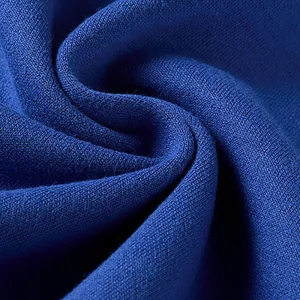

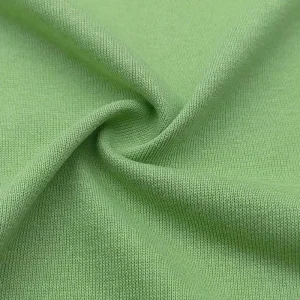





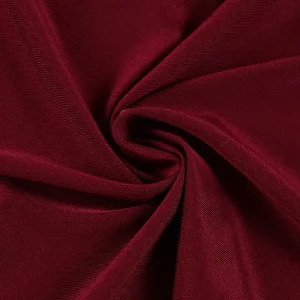

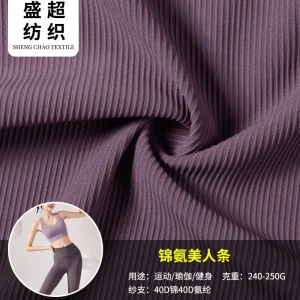


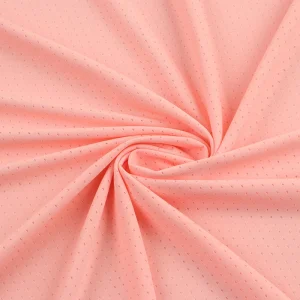

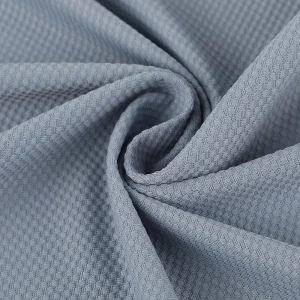






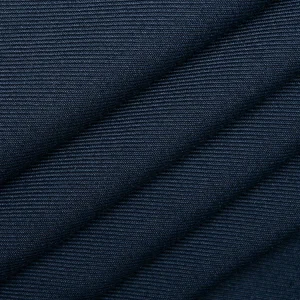
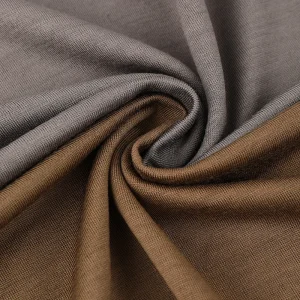

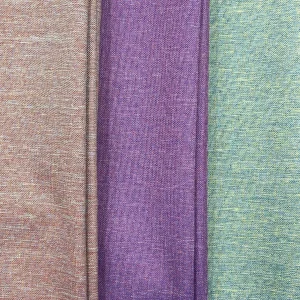


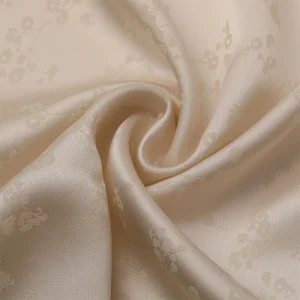



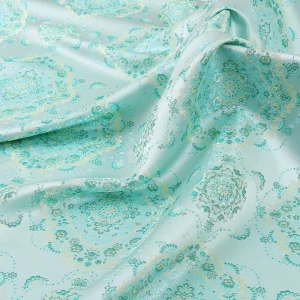
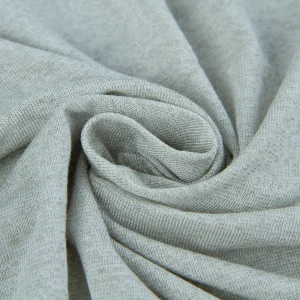
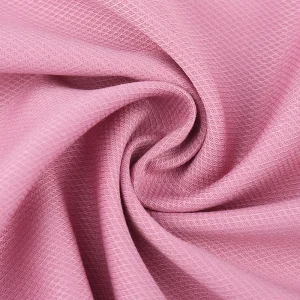
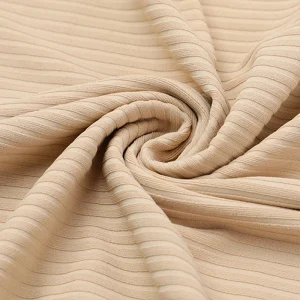






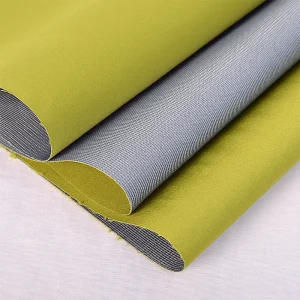

Fabric Quality Checks Confirmed Before Shipment
Fabric inspection is most effective when the acceptance criteria are agreed before production. A general statement such as “quality must be good” does not define how shade, width, weight, appearance or performance will be judged. Shengchao Textile links pre-shipment checks to the approved sample and the technical points recorded for each order.
The Approved Standard Comes First
Bulk fabric should be compared with a clear reference: an approved color standard, lab dip, print strike-off, sample yardage or signed physical swatch. The reference should be identified by code and date so the production and buying teams are assessing the same version. If several approvals exist, the order record should state which one controls color, hand feel, construction and surface appearance.
Tolerances also need to be practical. Textile production has measurable variation, so the buyer should identify the parameters that are critical to garment performance and the standard used to evaluate them. Requirements that are not communicated until after production cannot guide the manufacturing process.
Core Checks for Bulk Fabric
The inspection scope depends on the fabric and order, but common checkpoints include:
- Roll identification, quantity and packing marks
- Fabric composition and construction against the order record
- Usable width and weight within the agreed tolerance
- Shade continuity within and between rolls
- Surface defects, contamination, holes, streaks or print faults
- Hand feel and finish compared with the approved reference
- Roll length and presentation
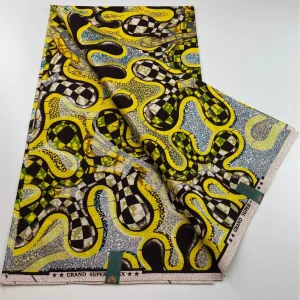
For printed fabrics, artwork repeat, direction, registration and color balance may also be reviewed. Stretch fabrics may require checks on extension and recovery. Functional finishes should be evaluated according to the test method and acceptance level confirmed for that order.
Testing Must Match the Intended Claim
Colorfastness, shrinkage, pilling, abrasion, water repellency, antibacterial treatment and other performance terms cover different test methods and levels. A result only has meaning when the sample condition, method and acceptance requirement are defined. Shengchao coordinates testing information based on the customer brief and available order documents; it does not treat one result as a universal claim for every use or market.
If the buyer has a brand manual or destination-market requirement, it should be shared before sampling. This allows the team to review feasibility and incorporate the relevant checkpoints into the development and production route.
Close the Order With Traceable Records
Before shipment, packing information, roll references and the agreed inspection or test records should correspond with the delivery documents. Any accepted deviation should be recorded rather than handled as an informal verbal agreement. Clear records help both teams understand what was checked, what was approved and which standard applies if a question arises after delivery.
Quality control is therefore not a single inspection at the end of production. It begins with a measurable brief, continues through sample approval and finishes with checks that compare the shipped fabric against the same agreed requirements.