



How to Prepare a Fabric Development Brief That Speeds Up Sampling
A fabric sample can only answer the right question when the development brief is clear. A request such as “soft stretch fabric for activewear” gives a direction, but it does not define the construction, weight, recovery, surface, color standard or test requirements that will determine whether the fabric works in the finished garment. A concise, structured brief helps Shengchao Textile compare available fabrics, identify what needs to be developed and avoid sending options that are technically unsuitable.
Begin With the Garment and Its Use
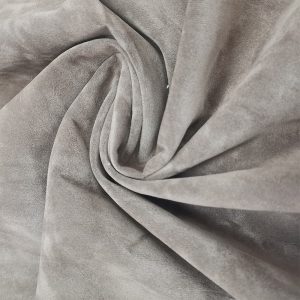
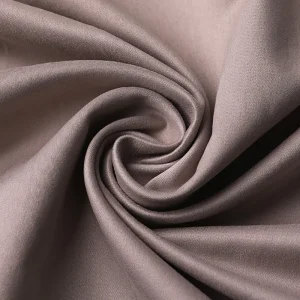
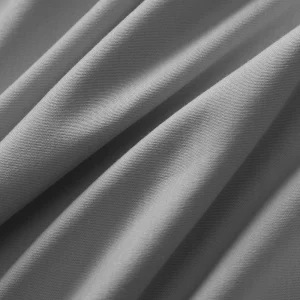
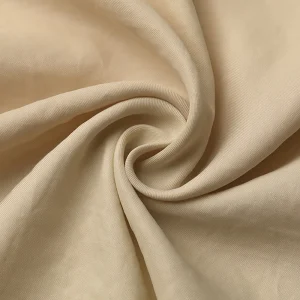
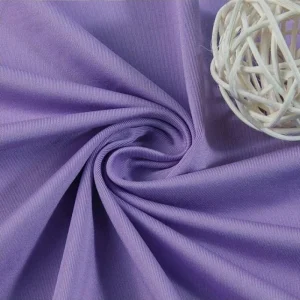
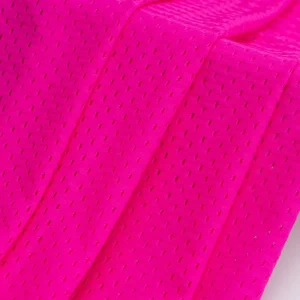
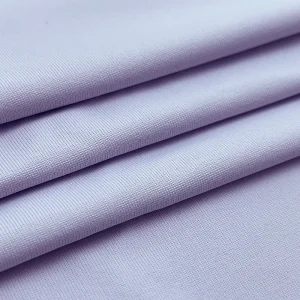
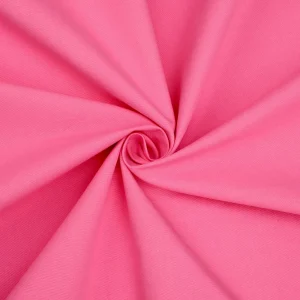
Start by explaining what will be made and how the garment will be used. Yoga leggings, swimwear, a lightweight jacket and a school uniform place very different demands on a fabric even when two of them use a similar fiber blend. Include the garment type, target season, sales market, intended fit and whether the fabric sits next to the skin. A garment photo, specification sheet or physical benchmark is particularly useful when words such as “soft,” “compact” or “cool touch” may be interpreted differently.
For stretch garments, state whether stretch is required in two directions or four directions and whether recovery after repeated wear is a priority. For outerwear, identify whether the brief calls for simple water repellency, a coated construction or another defined performance. Functional terms should always be linked to an intended use and, where applicable, an agreed test method.
Record the Known Fabric Parameters
The brief does not need to contain every technical answer, but it should separate confirmed requirements from preferences. Useful starting information includes:
- Preferred fiber composition or acceptable alternatives
- Knitted or woven construction, if known
- Target weight in g/m² and usable width
- Stretch, recovery, drape and hand-feel direction
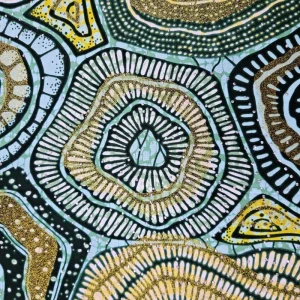
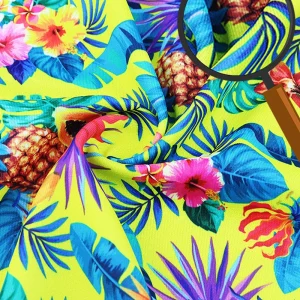
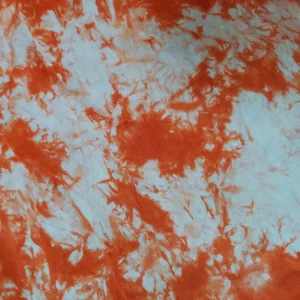
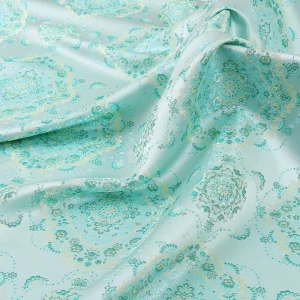
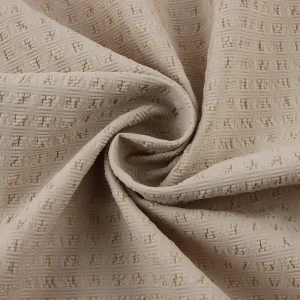
- Solid color, print artwork, jacquard or other surface treatment
- Required finishing and performance checkpoints
- Reference swatch, current fabric code or garment sample
If the current fabric has a problem, describe that problem directly. Excessive shine, weak recovery, shade variation, pilling, unstable width or a hand feel that changes after washing gives the development team a more useful target than asking for a “better” version.
Provide Color, Artwork and Approval Information
For solid-dyed fabric, identify the color reference and the light source or viewing conditions used by the buying team. For printed fabric, send artwork in a usable format together with repeat size, color count, placement direction and any scale reference. If a physical swatch is the approval standard, label it clearly and record which side, finish and color it represents.
The brief should also name the person or team responsible for approval. Comments such as “too dark” or “needs more stretch” are difficult to action unless they refer to a specific sample version. A simple sample code and dated comment record keeps lab dips, strike-offs and fabric trials aligned.
Include Commercial Conditions Early
Estimated quantity, target order timing, delivery destination, packing requirements and document needs affect the feasible development route. These details do not need to be final at the first conversation, but a realistic range helps distinguish a stock-based sampling option from a construction or finish that needs to be developed for the order.
Before sampling begins, Shengchao reviews the brief and separates confirmed points, recommended options and open questions. This makes the first sample more useful: the customer can evaluate a defined construction against a documented target, while unresolved items are visible instead of being discovered during bulk production.