



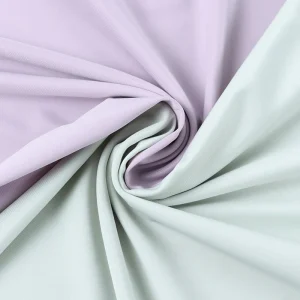
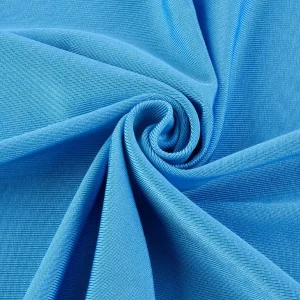
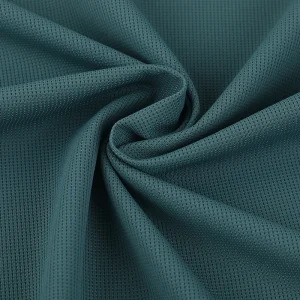
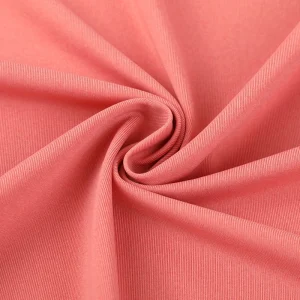



Digital Print Development for Nylon-Spandex Collections
Digital printing gives apparel teams flexibility in artwork scale, color direction and collection size, but the final result depends on the relationship between the artwork, the base fabric and the way the garment stretches. Shengchao Textile has expanded the print directions available for nylon-spandex developments while keeping the approval process focused on the actual construction and intended use.
Start With the Base Fabric, Not the Artwork Alone
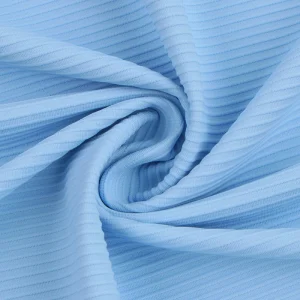
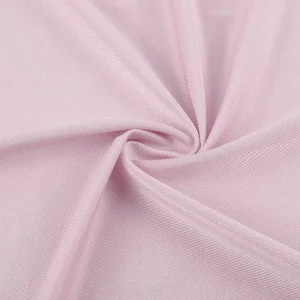
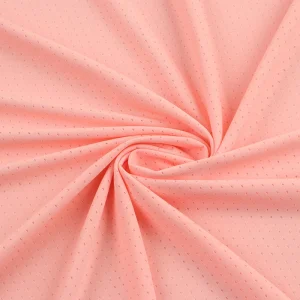
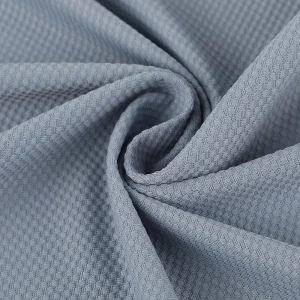
The same artwork can look different on two nylon-spandex fabrics. Weight, knit density, surface texture, whiteness, luster and stretch all influence color appearance and line definition. Before preparing a strike-off, confirm the intended garment, target composition, weight, width and hand feel. If an existing base fabric has already been approved, identify it clearly so the print trial is not produced on a visually similar but technically different construction.
For leggings and swim-related garments, the team should also consider how far the fabric will extend in wear. A pattern that looks balanced while relaxed can open, lighten or distort when stretched. Reviewing artwork at the expected garment extension helps identify whether motifs, fine lines or dark grounds need adjustment.
Prepare Artwork With Production Information
Useful print files include more than a visual reference. The development package should state:
- Final repeat size and print direction
- Color references or an approved physical standard
- Whether scale may be adjusted
- Expected placement or garment orientation
- Areas where fine detail must be protected
- The approved base-fabric code
A screenshot may communicate the idea, but it is not a reliable production file. Vector artwork or a high-resolution repeat file reduces uncertainty. If the artwork contains several near-identical shades, clarify which differences are intentional and which may be consolidated.
Use the Strike-Off to Make Specific Decisions
The strike-off is an approval tool, not a miniature bulk order. Review it for overall color balance, motif scale, edge definition, registration, ground coverage and interaction with the fabric surface. Comments should refer to a named version and identify the exact area to change. “Make it brighter” is less useful than noting which color, by how much and against which standard.
Color should be assessed under the viewing conditions agreed by the customer. Screen appearance is not a substitute for physical approval because monitors, image compression and ambient light can change the perceived result. Once a strike-off is approved, retain the signed or otherwise documented version as part of the bulk reference.
Confirm Bulk Controls Before Production
Before bulk printing, the order specification should connect the approved artwork to the approved base fabric, color standard, width, finish and inspection points. The team should also confirm how print direction affects cutting and whether usable width excludes any edge area.
Digital print development works best when creative decisions and textile parameters are handled together. By confirming the base construction first and recording artwork and strike-off approvals clearly, brands can reduce repeated trials and move from concept to bulk fabric with fewer interpretation gaps.