

























What Fabric for Swimwear? A Practical Selection Guide
Most fitted swim programs answer what fabric for swimwear with a nylon-spandex or polyester-spandex swim knit that offers four-way stretch and clean rebound. Soft fashion and beach lines usually lean nylon for hand feel, while frequent chlorinated-pool use often leans polyester or other chlorine-oriented constructions. The sections below map those choices, lining needs, and a mill-ready soft stretch option for swim and yoga capsules.
What Fabric for Swimwear Actually Means
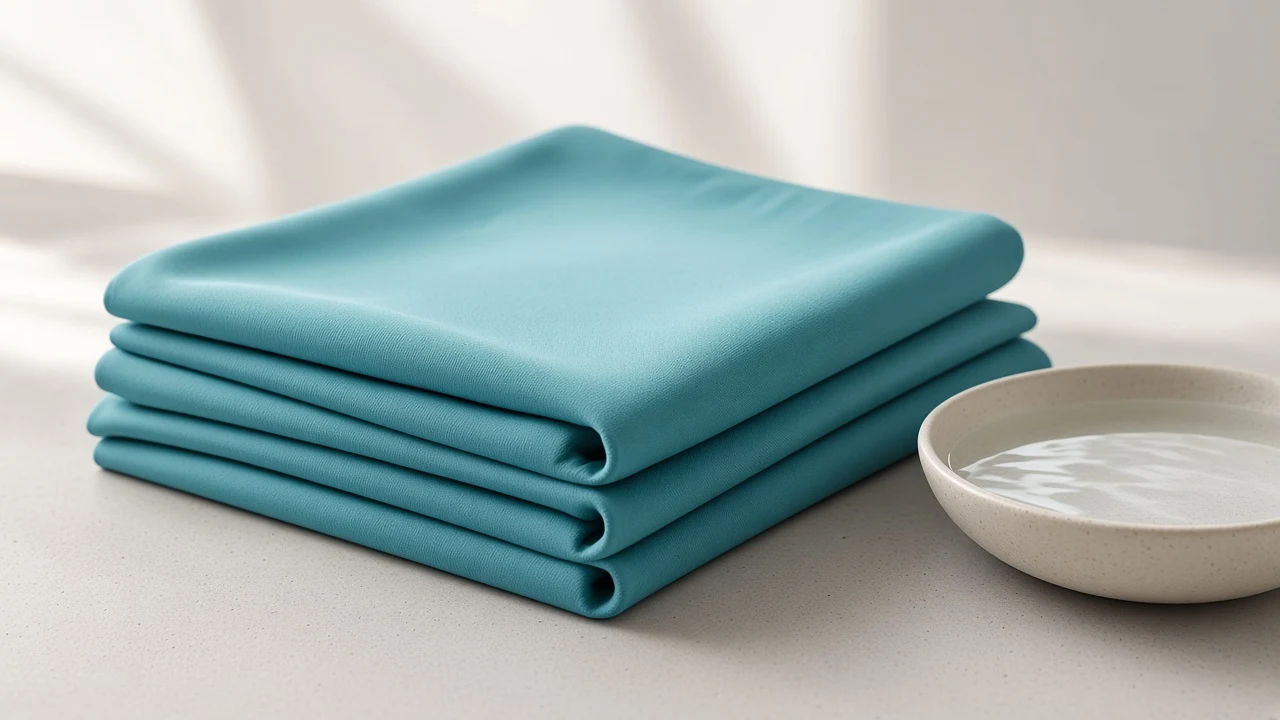
For modern fitted swimwear, the practical answer is a purpose-built swim knit—usually nylon or polyester blended with spandex—not a casual cotton jersey.
That knit should stretch in both directions, recover after wear, and stay wearable when wet. Wikipedia’s materials overview notes nylon’s rise in body-hugging swimwear and the later addition of spandex, with polyester often used when durability matters more than maximum stretch.
In buyer language, “swimwear fabric” is less a single fiber name and more a performance package: synthetic base fiber, stretch yarn, recovery, and wet coverage planning. Reddit sewists and mill buyers alike still ask whether any stretch blend “counts” if it is not labeled for swim—composition and stated use both matter.
Nylon-Spandex vs Polyester-Spandex
Nylon-spandex is the soft, smooth default for many fashion bikinis and resort one-pieces, while polyester-spandex is the more common pick when chlorinated-pool life and color hold sit higher on the brief. In sourcing language, buyers often compare nylon spandex swimwear fabric against polyester spandex swimwear on the same scorecard: hand, recovery, and pool exposure.
Nylon (polyamide) feels light against skin and is widely used in fashion swim. Polyester generally resists chlorine fade and shape loss better in pool programs. Both are typically blended with spandex so the suit can hug and rebound.
| Decision factor | Nylon-spandex | Polyester-spandex |
|---|---|---|
| Hand feel | Softer, smoother fashion hand | Often slightly firmer |
| Typical use lean | Beach, resort, fashion swim | Frequent pool / training-leaning |
| Chlorine durability (qualitative) | Ordinary grades age faster in heavy pool use | Generally stronger color/shape hold in chlorine |
| Abrasion note | Often favored for abrasion comfort in soft knits | Strong workhorse fiber for durability briefs |
A resort Bikini / one-piece capsule that prints soft pastels and needs a second-skin touch usually starts with nylon-spandex. A team suit worn several mornings a week in a chlorinated lap pool usually starts on the polyester side of the table—or asks for specialty chlorine-resistant stretch yarns.
Stretch, Recovery, and Four-Way Knit Behavior
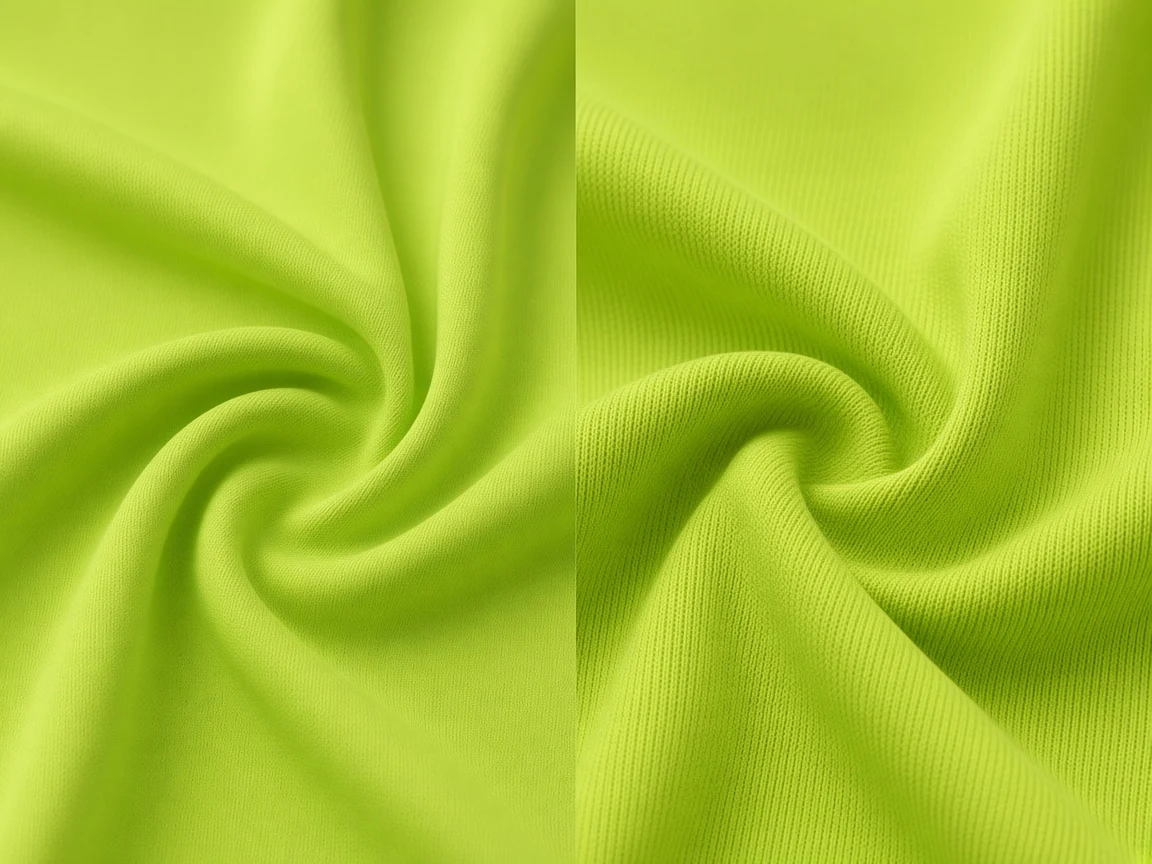
Four-way stretch with reliable recovery is the non-negotiable mechanical requirement for fitted swimwear fabric.
Four-way stretch means the knit extends across both width and length, then returns toward its original shape. Spandex (also sold under brand names such as Lycra) is the stretch fiber that delivers that snap-back. Industry and community discussions often describe swim blends with roughly 10–20% spandex, and experienced swimwear developers commonly cite about 15–20% in production knits.
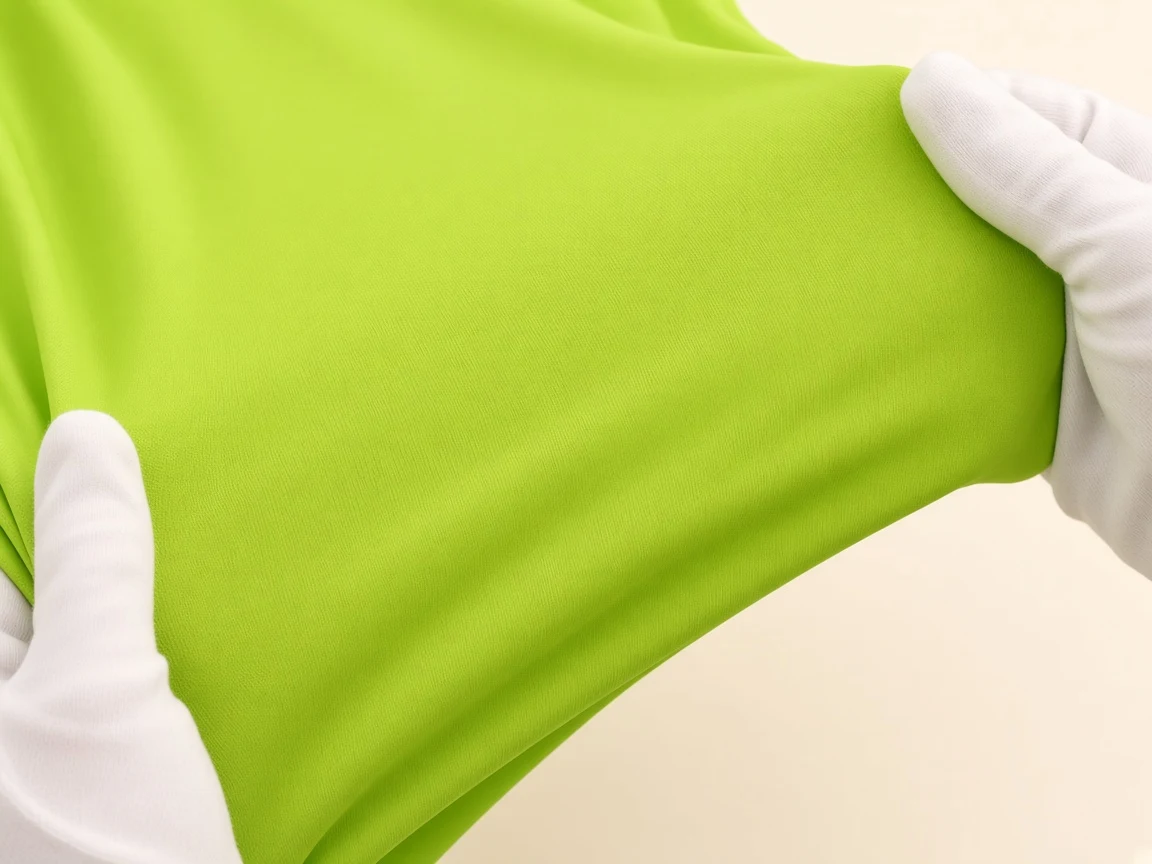
Too little stretch leaves a stiff shell. Too much stretch without recovery can bag at seats and straps after repeated wet wear. When you evaluate a mill handloom or bulk roll, pull the fabric on both axes and watch whether it returns cleanly rather than staying elongated.
Match Fabric to Pool, Beach, and Fashion Programs
Match the fabric family to water chemistry and wear frequency before you lock print and trim.
Beach and resort programs face sunscreen, salt, and sand more than daily chlorine. Soft nylon-spandex often wins on comfort and drape for those capsules. Frequent pool programs stress ordinary spandex with chlorine, heat, and body oils, which is why polyester routes and specialty chlorine-resistant spandex grades show up in durability briefs.
| Program | Primary stress | Fabric lean |
|---|---|---|
| Fashion bikini / resort one-piece | Soft hand, print clarity, wet comfort | Nylon-spandex swim knit |
| Mixed beach + occasional pool | Comfort first, moderate durability | Nylon-spandex or balanced poly-spandex |
| Frequent chlorinated training | Chlorine, fade, recovery loss | Polyester-spandex, PBT/polyester routes, or named chlorine-resistant spandex |
| Dual swim + yoga / studio | Soft stretch across land and water capsules | Soft nylon-spandex bases with clear recovery for Yoga dual-use programs |
Tip: Chlorinated pools keep consuming active chlorine through UV and oxidation of sweat organics, so the water stays chemically aggressive for ordinary stretch yarns. If a mill sheet lacks pool-hour data, treat chlorine resistance as a qualification question—ask whether the stretch yarn is standard or chlorine-oriented, and whether the program is mostly ocean/resort or daily pool. Specialty fibers such as LYCRA XTRA LIFE are marketed for chlorine and UV durability; only claim them when the SKU documentation names them.
Lining, Opacity, and Wet Coverage
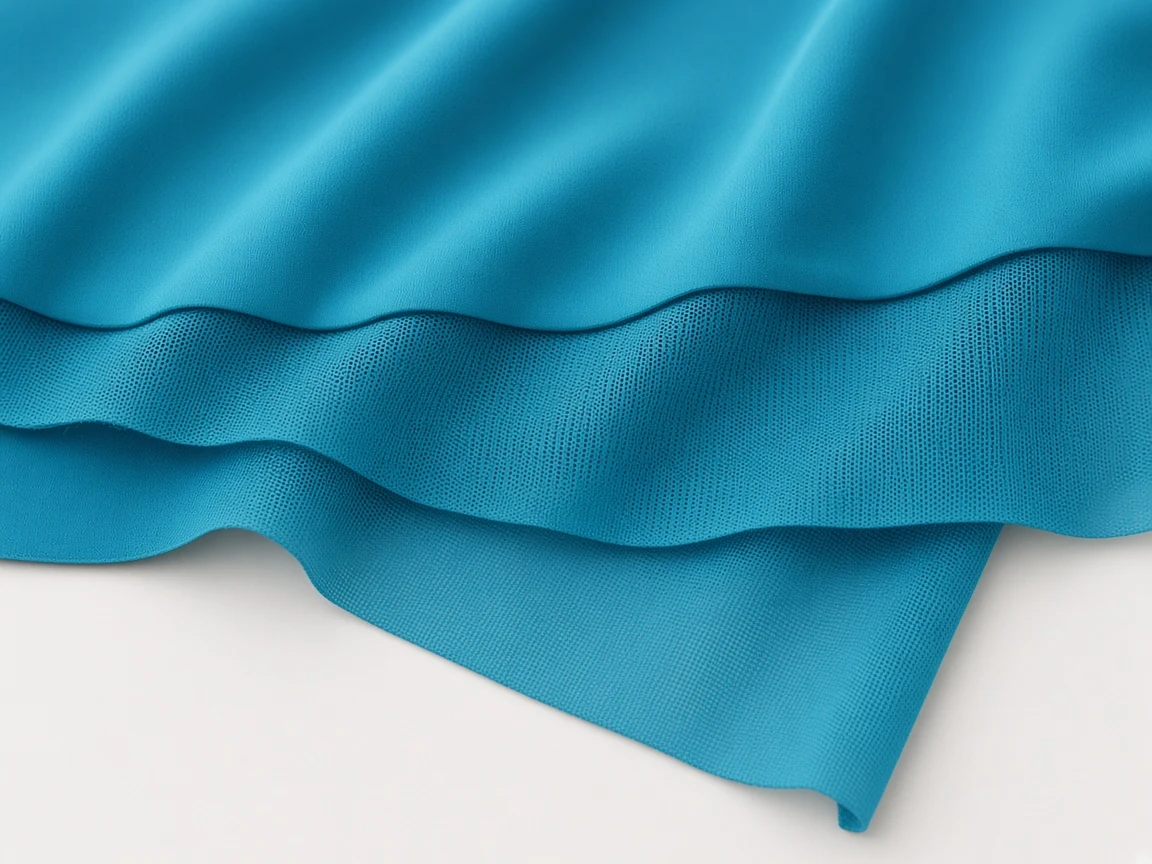
Swim-specific lining is the practical fix for wet opacity and modesty in light colors or thinner outer knits. A dedicated swimwear fabric lining plan belongs in the tech pack early, not as a late sample fix.
Swimsuits are often lined where the outer fabric can look more sheer when wet. Education sources and sewing communities point to lightweight poly-spandex mesh or swim lining in bust and crotch zones rather than apparel lining that was never designed for water.
Pale fashion colors and open textures need lining earlier in the tech pack. Dark solids with denser knits may need less, but critical coverage panels still deserve a stated lining plan. Using outer swim fabric as lining can work in some builds, yet dedicated swim lining usually stays lighter and more predictable for nested stretch.
A Mill Buyer Checklist for Swimwear Fabric Specs
Ask for composition, stretch behavior, stated swim use, and lining strategy before you approve bulk.
- Fiber content — nylon-spandex or polyester-spandex percentages on the mill sheet.
- Stretch map — confirm four-way stretch and recovery on both axes.
- Stated end use — swimwear (or swim/active) named on the development brief, not only “stretch knit.”
- Weight and width — record GSM and usable width for marker planning.
- Color and wet opacity plan — lining callouts for light shades.
- Use environment — beach/resort vs frequent chlorinated pool; escalate chlorine questions when needed.
- Dual programs — if yoga or studio styles share the base, confirm recovery under dry stretch as well as wet wear.
Community buyers still search under different retail phrases—“swimsuit fabric,” “nylon spandex,” local-language lycra terms—and still remind each other to verify that swimwear is an intended use. Mill procurement should do the same on the specification sheet.
Choose a Soft Stretch Fabric for Swimwear and Yoga Programs
Here is a soft nylon-spandex mill option for dual swim and yoga programs.
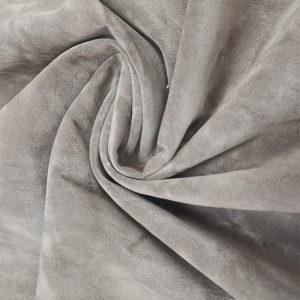
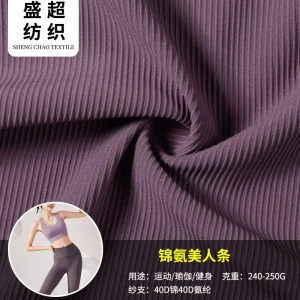
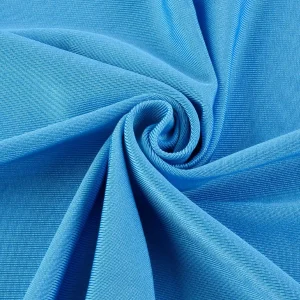
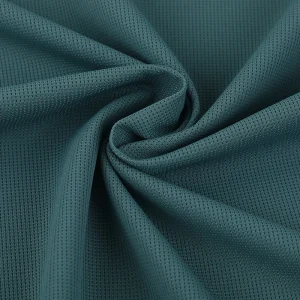
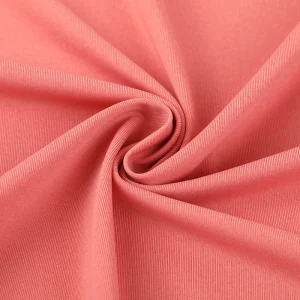
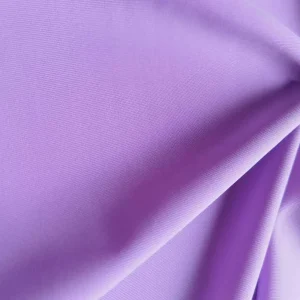
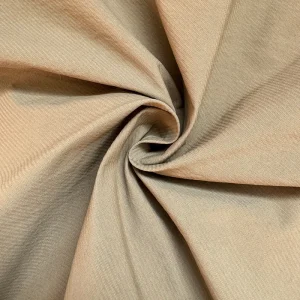
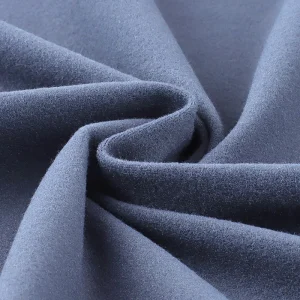
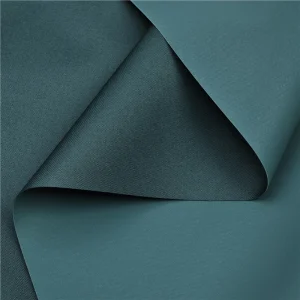
For soft fitted swim and dual swim/yoga capsules, Shengchao’s Fabric For Swimwear/Yoga is a recycled nylon matte Lycra knit specified at 80% nylon and 20% spandex, 250 g/m², and 152 cm wide.
That composition sits in the soft nylon-spandex family recommended here for fashion-leaning swim hand feel. The live product listing positions it for swimwear, sports gear, yoga wear, dancewear, and underwear, with soft hand, durability, bright color, and UV resistance language on the page. Browse the wider swimwear and bikini fabric category when you need adjacent nylon-spandex or polyester-spandex options.
It is not the automatic answer for every heavy chlorinated training program. If your brief is daily pool use with long shape life as the top KPI, qualify polyester-leaning or chlorine-oriented stretch systems—or request documented chlorine performance—before you commit. For development details on this base, contact Shengchao Textile.

FAQ
What fabric is most commonly used for swimwear?
Most modern fitted swimwear uses nylon or polyester blended with spandex in a swim knit. Loose trunks can be near-100% polyester or nylon woven constructions, but body-hugging suits usually need the stretch blend.
Should I choose nylon-spandex or polyester-spandex?
Choose nylon-spandex when soft fashion hand and beach comfort lead the brief. Choose polyester-spandex—or other polyester-forward routes—when frequent chlorinated-pool durability and color hold lead.
Is 100% polyester OK for swimming?
Yes for many trunks and some training constructions that rely on polyester’s durability. Fitted fashion suits usually still need stretch yarn or textured polyester systems that provide give; pure polyester without stretch can feel restrictive in bikini and one-piece blocks.
Do I need swim-specific lining?
Use swim-specific lining when wet opacity or modesty is at risk—especially in light colors and thinner knits. Critical zones such as bust and crotch are the usual lining priorities.
What does four-way stretch mean for swimwear?
It means the fabric stretches both horizontally and vertically and should recover after extension. That behavior supports squat, reach, and wet wear without permanent bagging when recovery is sound.
How do I think about chlorine resistance without a pool-hour test number?
Treat missing pool-hour data as a question to ask, not a number to invent. Clarify wear frequency, water type, and whether the stretch yarn is standard or a chlorine-oriented grade before you promise long pool life in marketing copy.
Can one fabric support swimwear and yoga programs?
Yes when the knit combines soft stretch, recovery, and a dual end-use brief. Shengchao’s Fabric For Swimwear/Yoga listing explicitly names swimwear and yoga among its applications, which fits shared-base development—still validate wet opacity and pool exposure separately if both environments are real.