



















































































































Types of T Shirt Fabric: Jersey, Cotton, Blends, and Performance Knits
The main types of t shirt fabric are shortlisted by knit construction and fiber family—not by treating “jersey” as a fiber name. Single jersey and interlock set how a tee body stretches and finishes, while cotton, polyester, blends, and stretch knits set hand, wash behavior, and program fit. This guide maps those types for apparel buyers, then points to a published nylon-spandex cool-touch option when performance cooling or sun-protective tees are the job.
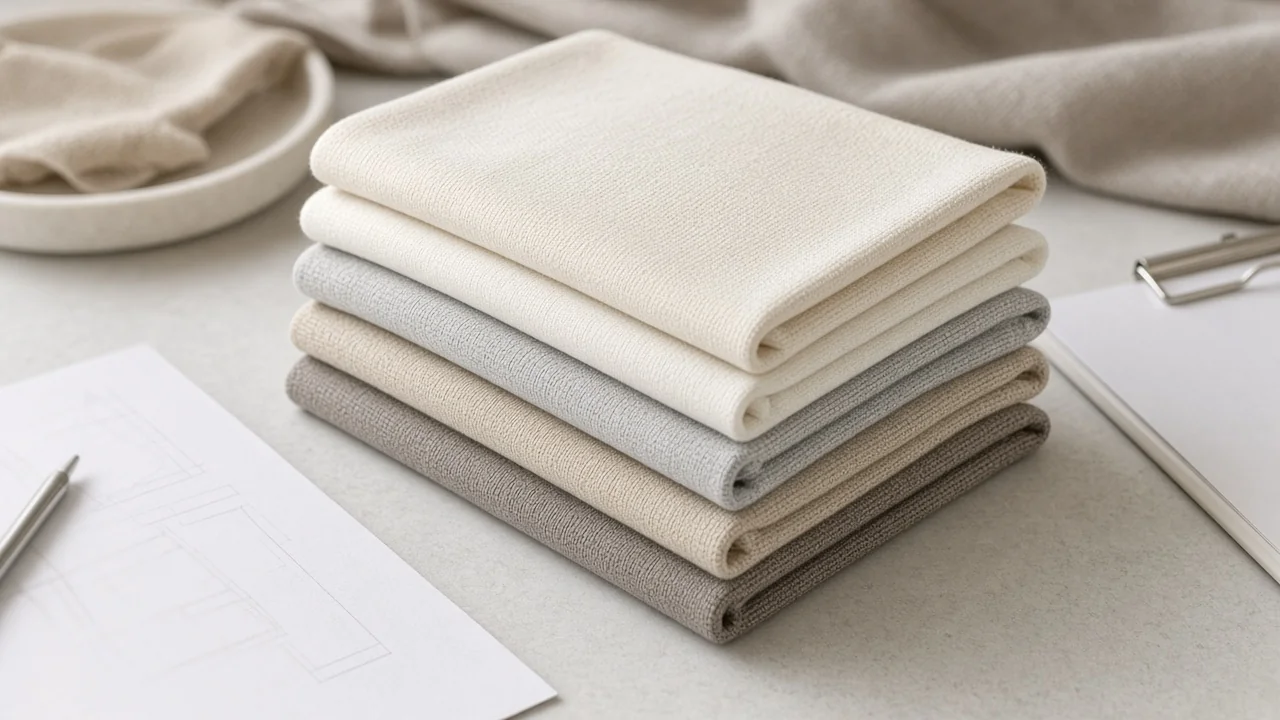
Start With Knit Construction, Not Just Fiber Names
Call “jersey” a knit construction, not a fiber name. A cotton jersey and a polyester jersey share a loop structure but dye, wash, and decorate differently. Apparel tech packs that list “jersey” under fiber create sampling confusion before the first yard ships.
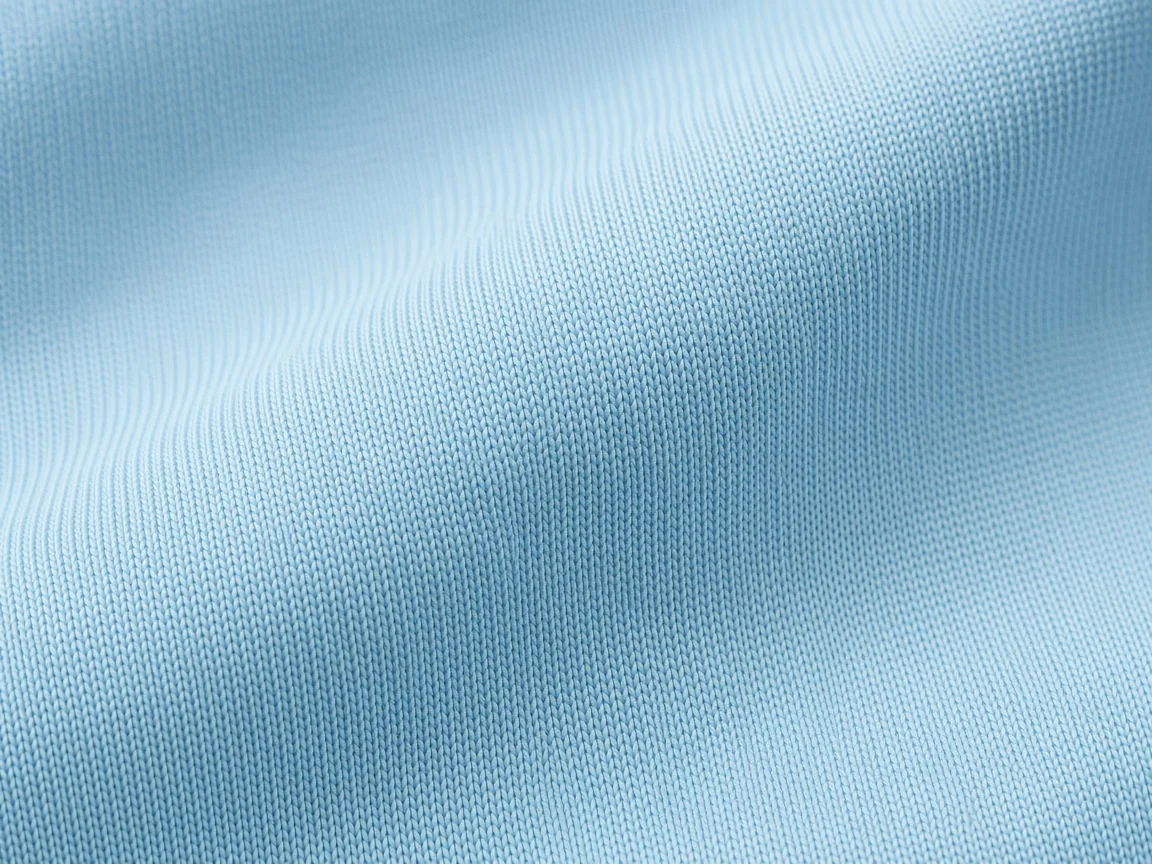
On everyday tee bodies, single jersey is the default construction. CottonWorks notes that jersey is the common knit for t-shirts, with more stretch across the width than along the length, and that cut edges tend to curl. That curl and crosswise give are why jersey tees feel easy to wear—and why pattern makers plan for edge behavior in cutting.
For cleaner body panels, interlock is the more stable double-knit option. Face and back look similar, curling is lower, and the hand often reads cleaner for structured or premium tee bodies. You can knit either construction from cotton, polyester, or blends; construction and fiber are separate decisions.
| Construction | What buyers usually notice | Typical tee program cue |
|---|---|---|
| Single jersey | Lighter drape, more crosswise stretch, cut-edge curl | Everyday basics, soft fashion tees |
| Interlock | Cleaner both-sides look, more stability | Structured retail tees, cleaner body panels |
| Rib (trim) | High width stretch at collars and cuffs | Necks, cuffs, hems—not the full body default |
From the field: On Reddit’s r/Fabrics, buyers still ask whether “jersey” is a material like cotton or polyester. The useful answer is blunt: jersey is the knit; cotton or polyester is what the yarn is made of. (archived thread)
Cotton T-Shirt Fabrics: From Open-End to Combed Jersey
Cotton jersey fabric remains the comfort baseline for many casual tee programs. It breathes well and accepts a wide range of print methods, which is why basics and promotional lines still start here. Pure cotton stretch is mostly mechanical from the knit loops, so recovery is weaker than knits that add spandex.
Yarn process changes the hand even when the label still says “100% cotton.” Open-end (carded) yarns are the economical route for volume giveaways. Ringspun yarns feel smoother; combed ringspun removes more short fibers for a cleaner surface. Those upgrades matter when the tee is retail-facing or when fine graphics need a flatter print bed.
Organic or long-staple cotton claims belong only when the mill documents them for that program. Do not treat a marketing adjective as a substitute for composition, yarn process, and construction on the tech pack.
Cotton programs still need pre-shrink and wash protocol discipline. Residual movement after finishing is a sampling topic, not a reason to skip lab dips or wash tests on the actual fabric.
Polyester T-Shirt Fabrics for Performance and High-Wash Programs
Polyester t shirt fabric is the performance and durability class for many team, training, and event programs. It holds shape through frequent washing, resists wrinkling better than many cotton basics, and is commonly specified when moisture management matters more than a classic cotton hand.
Expect a different decoration path than cotton. Sublimation and film-based methods often suit polyester better than ink systems designed for absorbent cotton. Confirm the decoration method before you lock a polyester jersey shade bank.
Not every polyester tee fabric feels the same. Microfiber and performance-oriented knits can feel softer than older promotional poly blanks, but they still behave like synthetics in heat and odor management. Sample the actual GSM and finish rather than assuming “poly equals harsh.”
Cotton Blends, CVC, and Tri-Blend T-Shirt Fabrics
Blends exist because buyers rarely get every property from one fiber. A cotton-poly blend keeps some cotton comfort while adding durability and easier care.
A 50/50 blend is a common everyday compromise. CVC (chief value cotton) signals a cotton-majority blend when the program still wants a mostly cotton hand.
Tri-blend t-shirt fabrics—typically cotton, polyester, and rayon—chase a soft, drapey, slightly vintage hand. They are a fashion-hand choice more than a durability-first default. If the program needs high wash survival and crisp branding, a simpler cotton-poly jersey may be the safer type.
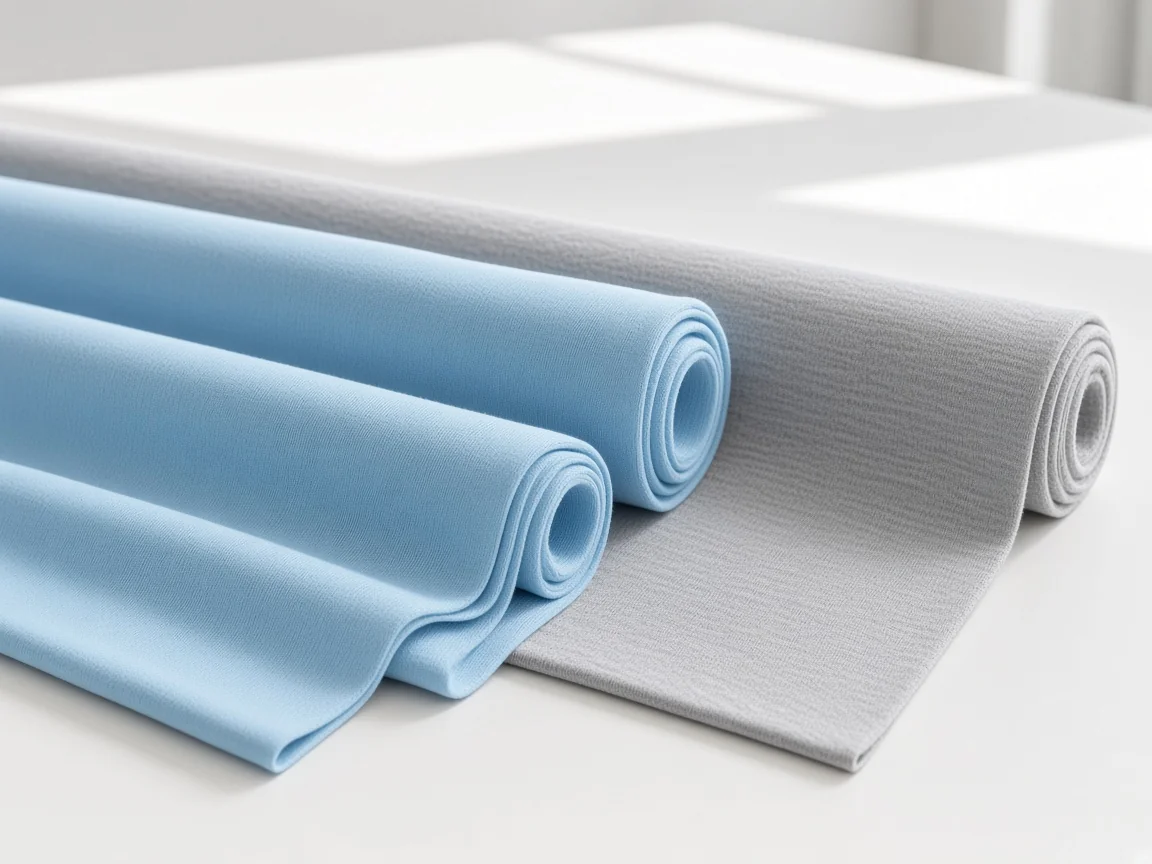
Community comparisons often land in the same place: cotton wins on natural breathability, polyester wins on dry-down and shape, and blends sit in the middle depending on the ratio. Use that language in sampling briefs so suppliers know which compromise you are buying.
| Fiber type | Strength for tee programs | Watch-out |
|---|---|---|
| 100% cotton jersey | Soft hand, familiar comfort, print-friendly | Shrink/wrinkle risk; weaker recovery without spandex |
| Polyester jersey | Shape retention, quick dry, high-wash rotation | Hand and decoration path differ from cotton |
| Cotton-poly / CVC | Balanced care and comfort | Confirm cotton % if “cotton feel” is required |
| Tri-blend | Soft drape, fashion hand | Usually not the first pick for hard-use uniforms |
Stretch and Performance Tee Fabrics With Spandex
Spandex is the stretch yarn that improves snap-back when a tee must hold a fitted silhouette. A small addition to cotton or synthetic knits changes recovery far more than another round of mechanical stretch from the jersey loops alone. Catalog language on this site uses spandex, not elastane.
Cotton-spandex and polyester-spandex knits cover fitted fashion and active tees. Nylon-spandex knits show up when cool touch, stretch, and sun-protective positioning matter for performance T-shirts. That class is easy to miss if you only read consumer blank-shirt guides about cotton versus tri-blend.
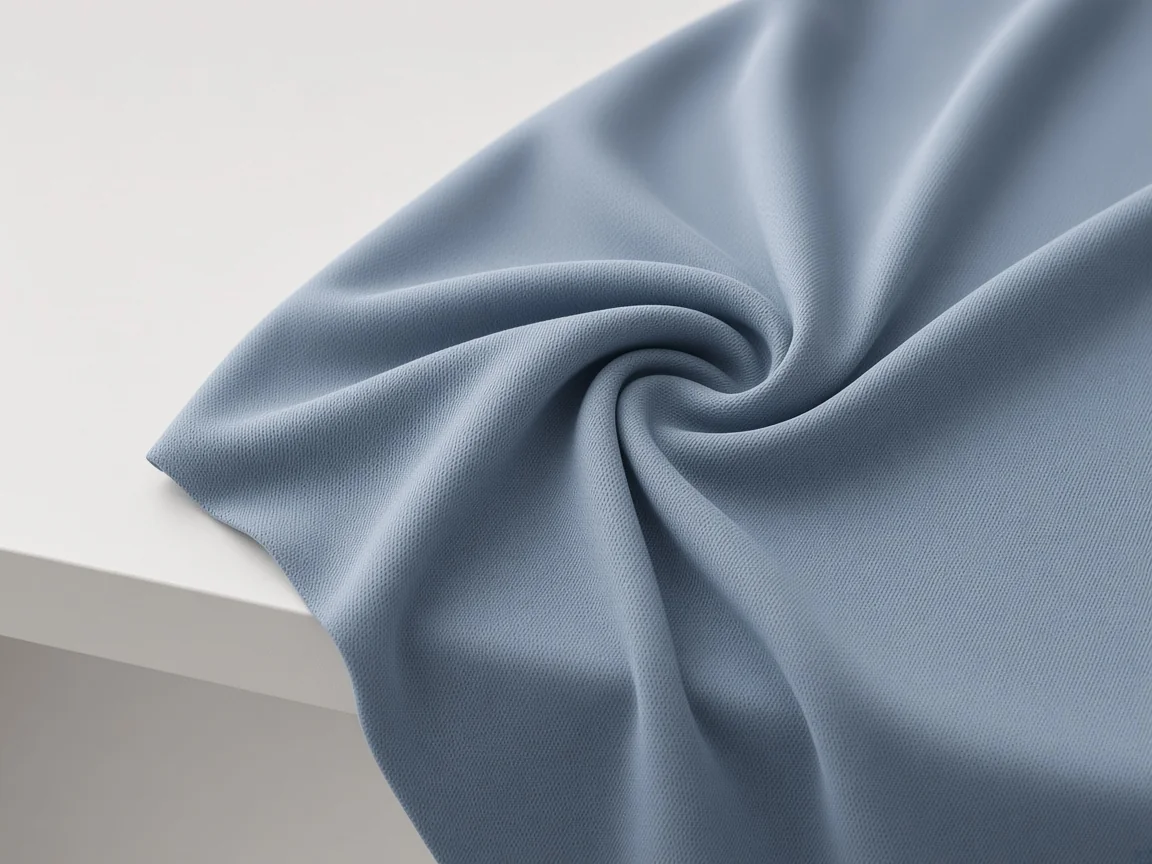
Specify stretch direction and recovery expectations in the tech pack. “Soft stretch” and “power stretch” are not interchangeable, and spandex percentage alone does not replace a wash and wear trial on the graded pattern.
How to Shortlist Types of T Shirt Fabric for an Apparel Program
Lock construction and fiber before you argue about GSM. A single jersey cotton and an interlock cotton at similar weight still sew and finish differently. Write construction, fiber %, yarn process, and target weight as one package.
Then match the program job. Basics and retail soft tees often stay on cotton jersey or CVC. Training and high-wash event tees lean polyester.
Fashion drape may justify a tri-blend. Fitted or cooling performance tees need an explicit spandex plan—and sometimes a nylon-spandex cool-touch type.
Weight is a hand and opacity tool, not a quality score. Lighter knits favor hot-weather drape; heavier knits read more substantial. Industry education often groups cotton jersey into lightweight, midweight, and heavier bands, but those bands are guidance for sampling—not a substitute for the mill’s measured GSM on your approved quality.
Tip: Confirm decoration method against fiber type early. Cotton-friendly ink systems and polyester-friendly sublimation or film workflows fail for different reasons; changing fabric after art is locked wastes both calendar and inventory. — source: research SERP print-vs-fiber notes.
Secondary keywords such as t shirt fabric types belong in the same shortlist worksheet as cotton jersey fabric and polyester t shirt fabric—each row should name construction, fiber, weight target, stretch need, and decoration constraint.
Choose a Cool-Touch Nylon-Spandex T-Shirt Fabric for Performance Programs
When the program needs a cool-touch, stretchy T-shirt knit with sun-protection positioning—not a classic cotton blank—use a published nylon-spandex quality rather than forcing cotton language onto a performance hand. Shengchao’s Cool T-Shirt Fabric Fabric (SKU SC211145) is listed as a Nylon-Spandex Cool Touch & Sun Protection Fabric for T-shirt, cooling, and sun-protective apparel.
The product page publishes a composition of 87% Nylon and 13% Spandex, with a weight of 170–180 g/m². Key features copy also describes cool touch with UV protection wording, plus stretchy, durable, and shape-retentive behavior for those tee uses. Cite those published fields as printed; do not invent a cleaned marketing title beyond the live catalog name.

Browse related knits under Underwear & T-Shirt Fabric when you are still deciding between cotton basics and performance stretch types. Keep ranking debates—“what is the single best tee fabric?”—for a separate buying guide; this page’s job is to name the types clearly first.
FAQ
Is jersey a type of fiber or a knit construction?
Jersey is a knit construction. Cotton, polyester, nylon, and blends can all be knitted as jersey. Fiber answers “what the yarn is”; jersey answers “how the loops are built.”
What are the main types of t shirt fabric for apparel programs?
Start with construction (single jersey vs interlock), then fiber family: cotton, polyester, cotton-poly/CVC blends, tri-blends, and stretch/performance knits with spandex (including nylon-spandex for some cooling or sun-protective tees).
Cotton vs polyester for tees — how should a buyer choose?
Choose cotton when comfort hand and traditional print absorption matter most. Choose polyester when moisture management, shape retention, and high-wash rotation matter more. Sample both if the brief mixes retail softness with athletic claims.
What does CVC or 50/50 mean on a tee fabric?
50/50 usually means equal cotton and polyester. CVC means cotton is the majority fiber. Ask for the exact percentages on the mill sheet rather than relying on the label alone.
When should you add spandex to a T-shirt knit?
Add spandex when fitted silhouettes or snap-back matter after wear and wash. Pure cotton jersey stretch is mostly mechanical and recovers less cleanly on elbows and body panels.
Does heavier GSM always mean better quality?
No. Fabric weight (GSM) changes opacity, drape, and perceived substance.
Quality still depends on yarn, knitting, dyeing, and finishing. Match weight to climate and silhouette after you lock construction and fiber.
Which fabric types suit performance or cooling tees?
Polyester jerseys and stretch knits with spandex are common for activity. For cool-touch and sun-protective T-shirt positioning, review nylon-spandex qualities with those traits published on the product page, such as SC211145’s cool-touch sun-protection listing.
How do print or decoration methods constrain fabric type?
Cotton and cotton-rich knits usually suit a wider range of conventional ink systems. Polyester often needs sublimation or film methods matched to synthetic fibers. Lock decoration before you approve bulk fabric.
References
- CottonWorks™ — Single & Double Knits (jersey and interlock construction notes).
- Canvas ETC — Cotton Jersey Knit Fabric: Technical Properties, Weights, And Sewing Guide (mechanical stretch vs elastane/spandex blends; educational GSM bands).
- CottonWorks™ — Digital Cotton Basics (jersey vs interlock hand for apparel).
- Reddit r/Fabrics (Wayback) — Help with understanding fabrics (jersey vs fiber naming).
- Reddit r/Fabrics (Wayback) — Common t-shirt fabrics comparison (cotton, polyester, blends, tri-blends user language).
Humanizer audit: PASS — second self-pass removed source-first openings, varied section rhythm, kept published Path① numbers only, used spandex consistently, and avoided blank-print laundry cadence.
AI-style anti-pattern audit: PASS — no claim IDs in prose, no stacked disclaimer formulas, no Part 1–6 template, H2 openings answer directly.