



















































































































Best Underwear Fabric for Woman Programs, Ranked by Use Case
The best underwear fabric for woman programs is a shortlist, not a single trophy fiber: cotton or cotton-spandex for everyday breathability, modal blends when soft hand is the sell, and nylon-spandex or odor-control knits when moisture, stretch no-show, or published freshness positioning leads the brief.
If you are comparing the best fabric for women’s underwear options across a line, the next sections cover everyday cotton rules, cotton vs modal underwear trade-offs, moisture-wicking underwear fabric choices, labeling honesty, and one live mill knit with published anti-odor wording.
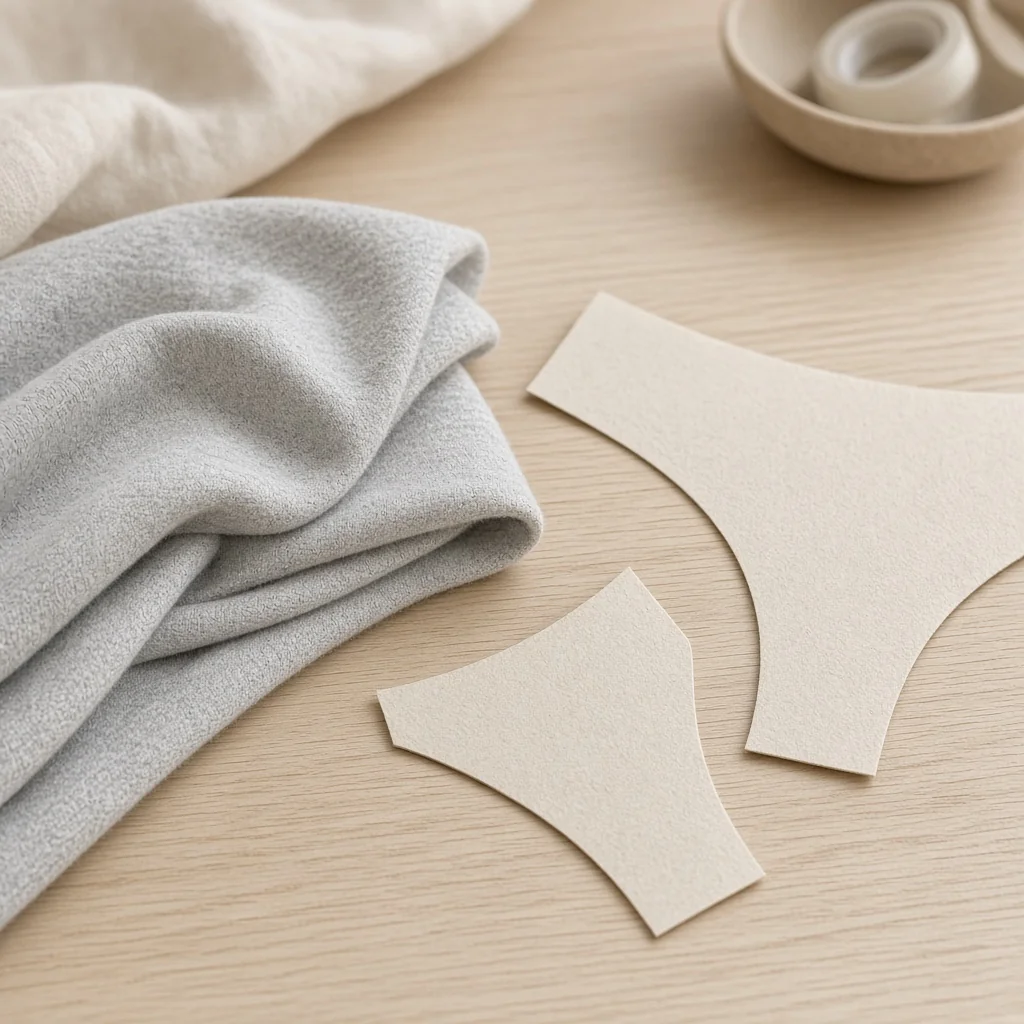
What “Best” Means for Women’s Underwear Fabric
“Best” here means the fiber family that matches the wear job—daily office briefs, soft lounge capsules, or active and no-show lines—not the fiber that wins every Reddit argument.
Consumer health writing and shopping guides often crown cotton, modal, or microfiber in isolation. Procurement work needs a shortlist. A brand that sells both everyday cotton packs and sleek legging-compatible briefs will not source one yarn for both stories.
| Program intent | Fiber family to shortlist first | What the buyer is buying |
|---|---|---|
| Everyday / sensitive-skin retail | Cotton or cotton-spandex | Breathability and familiar hand |
| Soft-hand / lounge premium | Modal or modal-spandex blends | Silky drape and lasting softness story |
| Active, humid, or no-show under tight clothes | Nylon-spandex / fine microfiber knits | Faster dry feel and flat stretch |
| Freshness / anti-odor positioning | Intimate knits with published odor control / anti-odor language | Soft hand plus on-label freshness claims |
Keep the Underwear & T-Shirt category as the cluster home for intimate knits, and leave T-shirt jersey taxonomy on its own guide. Browse the Underwear & T-Shirt Fabric hub when you are ready to scan live SKUs.
Cotton and Cotton-Spandex for Everyday Women’s Underwear
For regular intimate wear, clinical education still treats cotton as the everyday baseline because it breathes and helps move excess moisture away from skin compared with many closed synthetics.
Cleveland Clinic’s women’s-health essentials name cotton as the preferred material for regular wear and note that synthetic bodies with only a cotton crotch panel will not breathe like an all-cotton construction. That matters on a tech pack: if the sell is “cotton underwear,” specify the body fiber, not only the gusset marketing line.
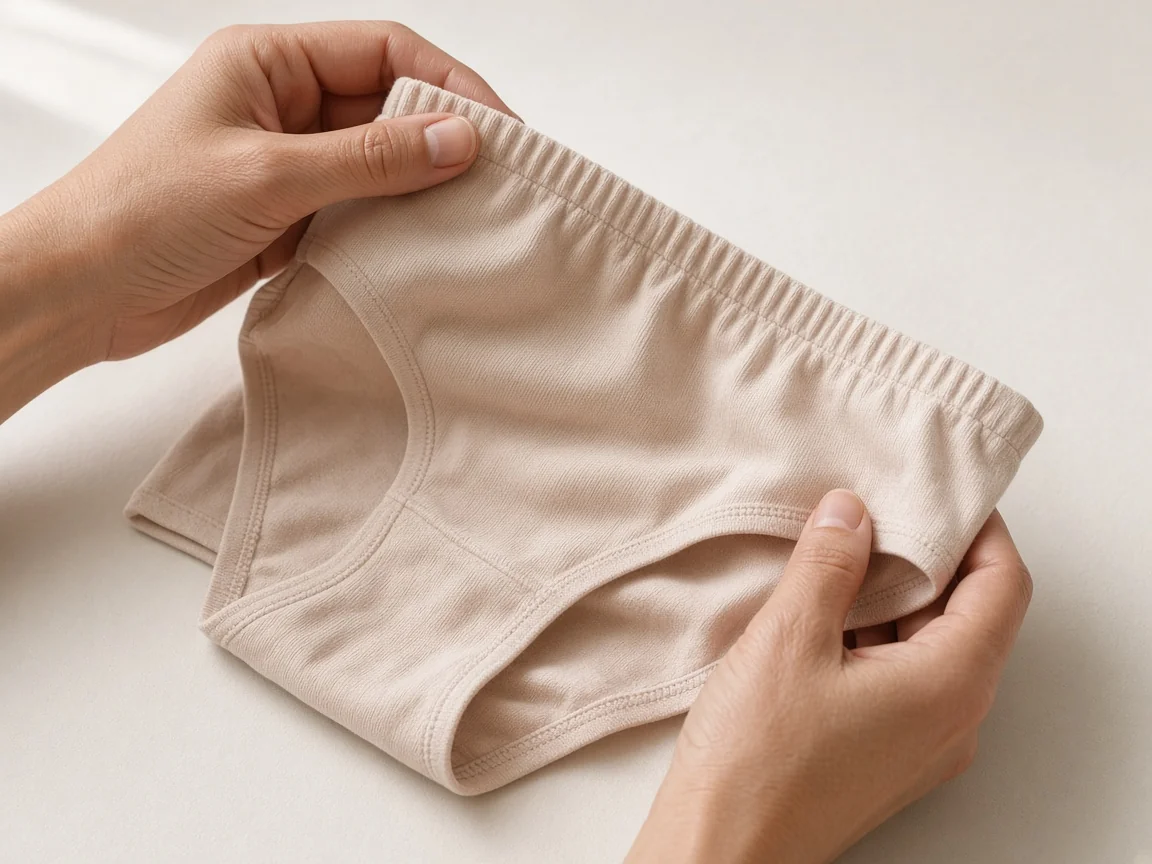
Most women’s briefs need a little stretch so the knit returns after sitting. Sewing and retail practice often lands near a high cotton share with a small spandex addition—retail examples include packs talked about as roughly 95/5 or Gap-style organic stretch cotton around 92% cotton / 8% spandex. Pure 100% cotton jersey can feel honest and breathable, yet it bags out sooner in fitted cuts.
Use cotton-spandex when the program is all-day retail, sensitive-skin messaging, or any brief that must survive eight to twelve hours under jeans without turning into a wedgie story. Save heavier synthetic shares for lines that advertise workout dry-hand or invisible stretch under fashion knits.
When Modal Blends Earn the Soft-Hand Slot
Modal-family cellulose fibers earn the soft-hand slot when the capsule sells silky touch and a smoother drape than everyday cotton.
Fiber-producer education for TENCEL Modal describes wood-based cellulose with a cross-section and tenacity that favor softness after repeated washing, plus absorption and release of moisture that supports a drier skin microclimate in finished textiles. Brand and OEM guides place modal next to cotton for everyday softness and next to athletic synthetics when the brief is comfort-first rather than pool-lap performance.
That soft story has a real user counterpoint. On community threads, some wearers love modal’s “buttery” hand while others say modal makes them feel sweatier than cotton and prefer cotton on hot days. Treat modal as a handfeel upgrade, not an automatic climate upgrade.
From the field: On community threads, some wearers love modal’s soft hand while others say modal makes them feel sweatier than cotton (r/Healthyhooha archive). Keep a cotton-majority SKU in the same assortment when softness and coolness are different selling points.
Modal-spandex blends fit lounge capsules, premium everyday briefs, and any line where seam-free marketing leans on low-friction hand. If the line must pass a cotton-first clinical story in packaging, keep modal as a second tier rather than the only body fabric.
Nylon-Spandex and Moisture-Focused Underwear Knits
Nylon-spandex and fine microfiber knits belong on moisture-focused, active, or no-show programs where a faster dry feel and flat stretch under tight clothes matter more than cotton’s absorbent hand.
Summer and travel reviewers often describe cotton as a sponge that holds sweat in humid weather, then point to technical nylon or modal alternatives for quicker dry-hand. OEM sourcing notes add that workout microfiber can hold odor more readily than cotton after hard use—so athletic brief programs may need a care story, a rotation brief, or a separate freshness-positioned SKU rather than one fabric for every day of the week.
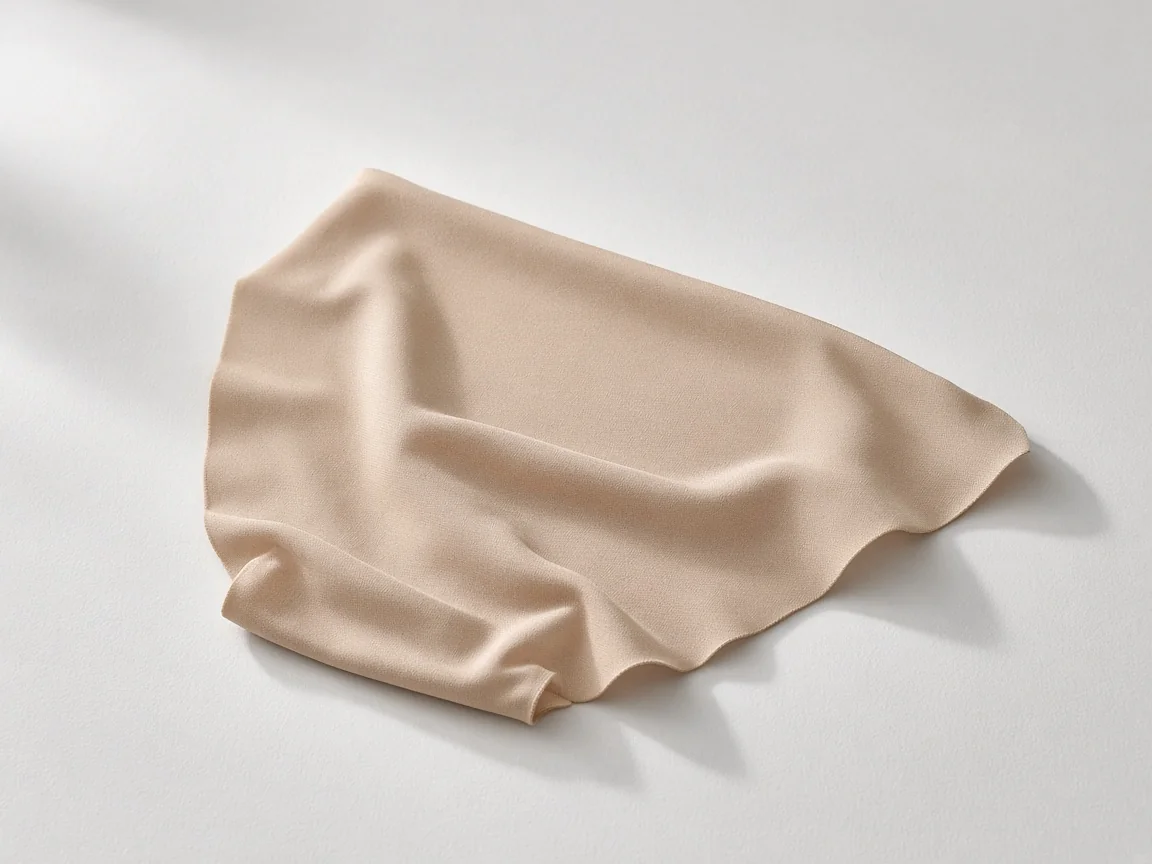
Choose nylon-spandex when the style is a sleek hipster under leggings, a travel brief that must rinse and dry overnight, or a fashion panty that cannot show a thick cotton face. Keep a cotton or cotton-gusset conversation honest if the brand still markets “breathable everyday” on the same hangtag—those are different jobs.
For women who sweat heavily at work or in summer retail climates, moisture management means deciding whether the knit should absorb (cotton) or move and shed (many synthetics and some cellulose blends). Write that decision into the assortment map before you fight over one “best” yarn.
Fiber Names, Gussets, and Label Honesty on Spec Sheets
Spec honesty beats hangtag poetry: list generic fiber names and percentages for the garment body, and treat a cotton gusset as a construction detail, not a substitute for the shell fiber.
US Textile labeling guidance requires a clear fiber content label with generic fiber names and percentages by weight in descending order. Small amounts of stretch fiber used for elasticity may still be named when they have a functional role. On this site and in US retail talk, use spandex rather than elastane so tech packs match American English labels.
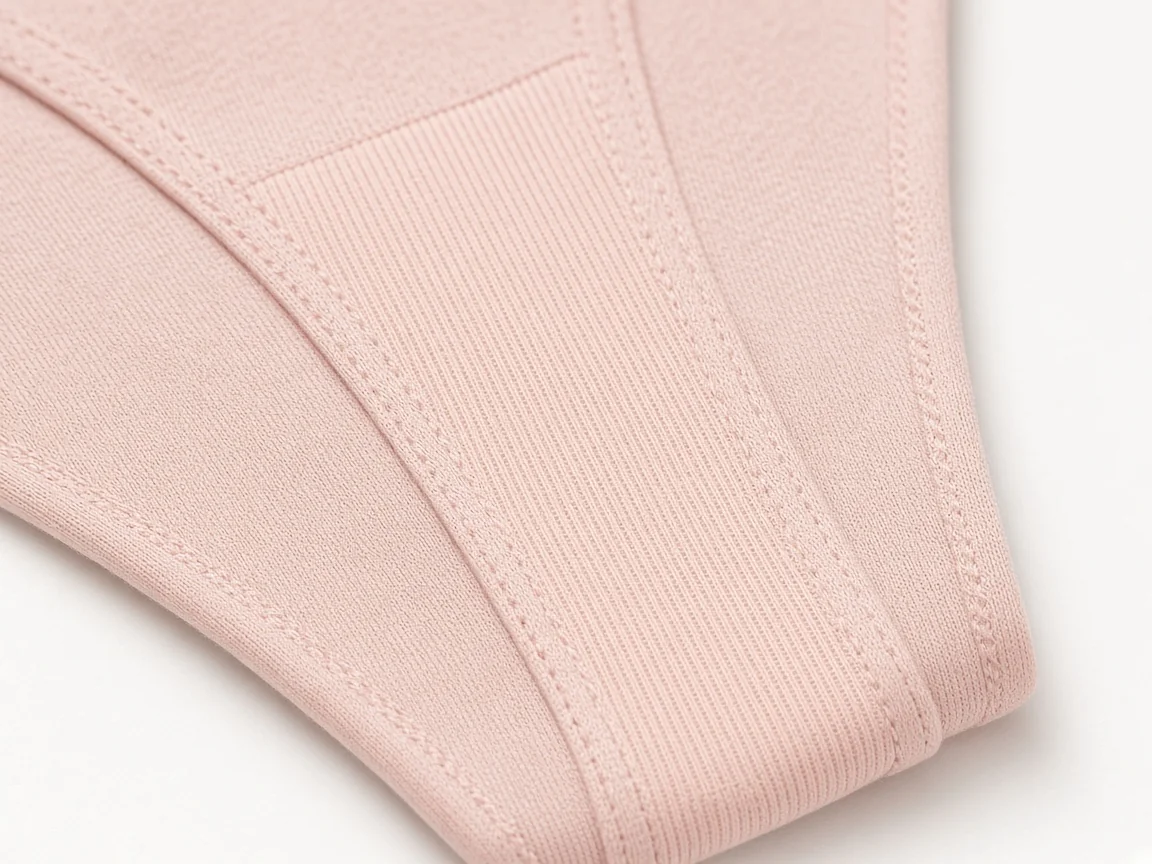
Buyers who only read “cotton crotch” on a synthetic body are reading a construction feature, not a full-body cotton garment. Cleveland Clinic’s guidance is blunt on that point for wearers; the same logic applies in sourcing meetings when marketing wants the cotton halo on a nylon brief.
When a product title names one fiber story and the composition table names another, confirm the table on the purchase order. That mismatch shows up on real mill pages and is a procurement risk, not a reason to invent a third blend.
Choose This Anti-Odor Intimate Knit When Freshness Positioning Leads
When the brief calls for soft intimate hand plus published anti-odor / antibacterial positioning, start with Shengchao’s Modal Cotton Underwear with Silver Ion Gusset – Anti-Odor & Antibacterial.
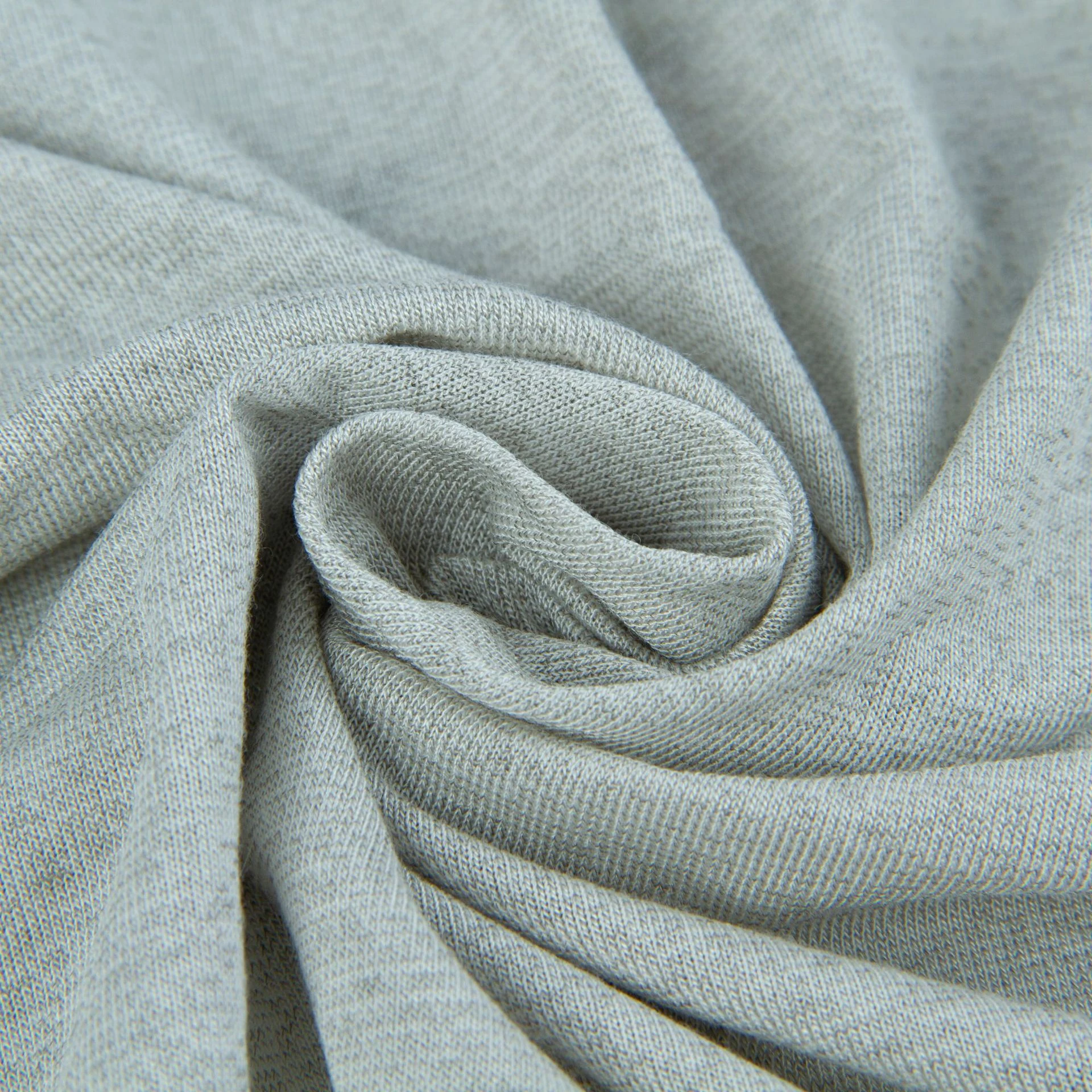
The live product page markets advanced silver-ion protection: silver fibers with excellent conductivity disrupt the bacterial growth environment and support long-lasting freshness.
It also states patented silver fiber technology, anti-odor and hygienic language that prevents unwanted odors, and soft breathable fabric blended with modal and cotton for a silky-smooth, skin-friendly touch. In short, the SKU pairs a silver fiber / silver ion story with soft intimate hand.
Those lines are commercial product claims on the published page—not independent clinical trial results, and not numbers invented here.
| Published item | Live value |
|---|---|
| Composition | 82% Bamboo Fiber, 10% Silver Fiber, 8% Spandex |
| Yarn count | 40D + 40S |
| Width | 150 cm |
| Density | 20 |
| Weight | 113 g/m² |
Tip: The title leans on modal cotton and a silver-ion gusset story, while the overview table lists bamboo fiber, silver fiber, and spandex (product page). Confirm the composition line on the order confirmation before you print hangtags.
Skip this SKU when the program must be a documented all-cotton body with no silver fiber, or when a buyer demands unpublished lab kill rates. For outerwear T-shirt taxonomy, use the separate types of T-shirt fabric guide instead of forcing an intimate knit into jersey education.
If you already know composition, weight, and development quantity, contact Shengchao with that brief. Otherwise, start on the product page and the underwear and T-shirt fabric hub.
FAQ
What is the best underwear fabric for woman or ladies underwear?
It depends on the program. Cotton or cotton-spandex fits everyday breathability; modal blends fit soft-hand capsules; nylon-spandex or published odor-control knits fit moisture, no-show, or freshness-led lines.
Do gynecologists recommend cotton only?
Clinical education often recommends cotton for regular intimate wear because it breathes. Non-cotton pieces can still appear for occasional wear; the bigger sourcing mistake is selling a synthetic body as “cotton” because only the gusset is cotton.
Is a small amount of spandex OK in cotton underwear?
Yes for most fitted women’s briefs. A small spandex share helps the knit recover so cotton does not bag out through the day. US labels use the generic name spandex for that stretch fiber.
Is modal better than cotton for women’s underwear?
Modal is often softer and keeps a smooth hand after washing. Cotton still leads many everyday and sensitive-skin stories, and some wearers prefer cotton in heat. Shortlist both if softness and clinical cotton messaging both matter.
What fabric helps with sweat or moisture?
Cotton absorbs moisture; many nylon-spandex and fine microfiber knits are chosen when a faster dry feel under activity or humidity matters. Match the knit to whether the wearer sits all day or moves and sweats.
What about odor-control or antibacterial underwear fabric?
Treat odor-control as a separate assortment decision. For a mill example with published silver-ion / anti-odor / antibacterial wording, review the Path① product above and cite only the claims printed on that page.
What fiber names belong on the US label?
Generic fiber names and percentages by weight, in descending order. Prefer spandex on US-facing packs. Do not rely on a marketing title alone when the composition table differs.
Is a cotton gusset enough if the body is synthetic?
No if the promise is full-body cotton breathability. A cotton gusset is a construction choice; the shell fiber still drives most of the next-to-skin climate.
References
- Cleveland Clinic Health Essentials — How Underwear Impacts Vaginal Health / best material for underwear
- U.S. Federal Trade Commission — Threading Your Way Through Labeling Requirements Under the Textile and Wool Acts
- Reddit r/Healthyhooha discussion (Wayback archive) — infuriated by womens underwear
Humanizer audit: PASS
Humanizer second-pass notes: Removed source-first phrasing; kept Path① claims tightly paraphrased from live page; no invented CFU or certifications; varied H2 openings; one field callout and one tip callout; no elastane default; focus keyword bolded once in opening. No new facts added beyond research/brief.
Draft Agent ID: SC-DRF-BUW-20260930-02