



















































































































Antimicrobial finishes are most useful for these textile items when the item is named
Buyers get a straight answer when the item is named: antimicrobial finishes are most useful for these textile items such as seldom-washed furnishings, odor-prone sportswear and socks, and a published knit whose card lists shirts, suits, curtains, underwear, and sleepwear.
A carpet that stays in a room for years and a gym shirt that meets a washer every week ask for different work. Split those jobs before a sample is cut, then read only the card that matches the item on the table.
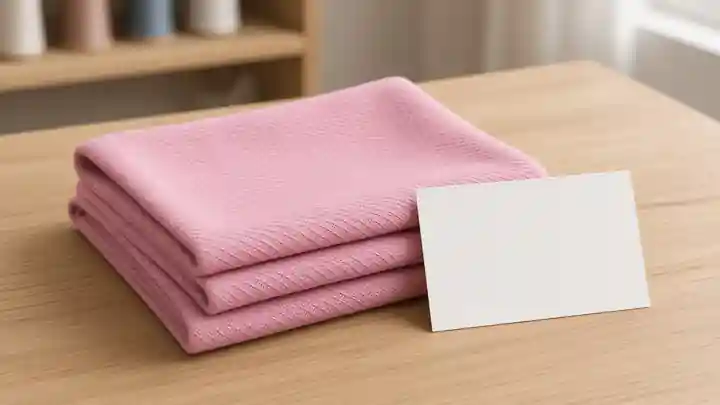
Seldom-washed goods are the classic finish job
Fitted carpets, upholstery fabrics, and mattress ducks lead the household list because they are seldom or never washed or dry cleaned. Schindler and Hauser put that group first when they describe where an antimicrobial finish earns its keep.
People still sit, sleep, and lean on those goods. A fitted carpet takes foot traffic, and an upholstery face takes hands and heads.
Shower curtains and mattress ticking show up in the same home-furnishing cluster, beside carpeting. They live with damp air or close body contact, and a household wipe is more common than a full laundering cycle.
Weather cloth is a cousin of that cluster, with a different reason. Awnings, tents, tarpaulins, and similar outdoor pieces face rain and humidity, and the finish talk there is about mildew on the cloth itself.
Hospitals, nursing homes, schools, and hotels appear when many people share soft surfaces. The overview names those buildings as places where finished textiles are discussed, which still leaves each item to be specified on its own.
| Item family | Why a finish is discussed | What this card does not print |
|---|---|---|
| Fitted carpets and upholstery | They stay in a room between professional cleanings | An upholstery construction or a carpet backing |
| Mattress covers and ticking | They sit against a sleeper across many nights | A mattress specification |
| Shower curtains | They stay damp and are wiped more often than they are laundered | A bath-textile construction |
| Awnings, tents, and tarpaulins | Weather can feed mildew on cloth that lives outdoors | A rotproof outdoor fabric |
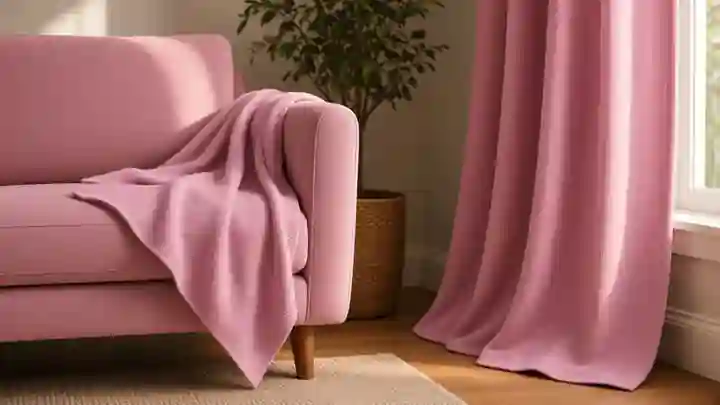
Sportswear and next-to-skin knits are a different job
Socks, underwear, footwear, and sports clothing are the worn items Melbec lists when odor and perspiration enter the conversation. ScienceDirect makes the same move with clothing linings and socks, where bacteria break down sweat and the smell follows.
Gym knits get washed on a short cycle of days, sometimes after every session. That laundry rhythm is the opposite of a fitted carpet, so the finish conversation has to change with it.
Bedding, pet bedding, cushions, and towels sit in Melbec’s consumer list as well. They are closer to the body than an awning, and they usually do see a washer, which puts them nearer the sportswear job than the never-washed carpet job.
Healthcare gowns and bed linens are described there as an extra hygiene measure. A cited study found that treated textiles did not completely remove transfer risk, so the gown finish sits beside cleaning practice.
From the field: A commenter on a workout-clothes thread said HEX is basically what activewear companies put in at the last manufacturing stage and that it rinses out in the wash. CrossFit detergent thread
Another laundry thread says gym clothes can still smell after washing, and that softeners make odor worse on synthetics. Treat that as a wearer’s report about wash behavior, with no wash-life figure attached to any one cloth.
Application routes in the lab explainer are fibre spinning, combination with dyes, or a coating on finished goods. Actives named in that literature include silver, triclosan, metal salts, and polybiguanides. None of those names is a line on the knit card in the later section.
A hygiene finish is not the same sentence as rot protection
An antimicrobial textile finish covers two jobs that should stay in separate sentences. A hygiene finish is the user-protection job: pathogens or odor-causing organisms on the side of the person. Rotproofing is the cloth-protection job: mould, mildew, or rot on the fabric itself.
Odor in a sock lining belongs with the hygiene finish. Mildew on a tarpaulin belongs with rotproofing. Writing both into one line makes a buyer sample the wrong cloth.
Home furnishings can attract either sentence, depending on the failure the buyer fears. A shower curtain that grows musty in a damp bath is closer to cloth protection.
A mattress ticking that worries a buyer because of close contact is closer to user protection. Ask which failure is on the purchase order.
Test names describe a method, not this cloth
Method titles belong on a lab sheet until a lot report arrives. Melbec names AATCC 100, AATCC 147, ASTM E2149, and ISO 20743 as textile test methods, not as a result printed on this knit.
A method name tells a laboratory which procedure to run. It still waits for a report on the actual lot.
Laboratory work is not real-world wear. Melbec says results should be read together with real-life use, which means a method title on a slide is still only a title until a report for the actual lot is in hand.
Routes and actives from the same explainer describe how the industry applies finishes in general. They do not identify the chemistry on the bamboo, terylene, and spandex knit sold here. If a buyer needs a named active, that name has to be printed for the lot, and this card leaves every active unnamed.
A soft-surface disinfectant is a different purchase again. EPA guidance is about products that add a disinfectant claim for non-clothing fabrics laundered infrequently, where spot treatment is the main cleaning.
Waiting-room chairs, privacy curtains, seat belts, and mattress covers not meant to be laundered are the examples. That claim rides on a treatment product used in place, separate from a mill finish in an apparel program.
The published knit card names shirts, suits, curtains, underwear, and sleepwear
Read the printed line before any finish adjective is copied. The published card lists 48% bamboo, 49% terylene, and 3% spandex, a width of 148 cm, and a weight of 160 g/m².
Terylene is the fiber name printed beside bamboo, and the stretch fiber on that line is spandex. Those two names are what the card gives a buyer to repeat.
Page copy beside the card says the cloth is breathable and moisture-wicking, and that antibacterial protection inhibits bacteria growth. Read that as marketing copy on the product page.
A lot report would have to arrive on its own. The marketing lines describe intent for everyday wear.
Five end uses are printed: shirts, suits, curtains, underwear, and sleepwear. Shirts and underwear sit next to skin and meet a washer often.
Suits may include long wear between cleanings. Curtains hang and are laundered rarely, which is why they also echo the seldom-washed scene.
Sleepwear spends hours against skin. Each of those is an end use the card is willing to name.
The same page does not print a kill rate, a silver content, a medical-grade label, a wash temperature, or a count of washes. Sitewide lines about warp knitting, wash fastness, and UV resistance are general workshop language. They are not the finish method for this cloth, so they stay off the finish line.
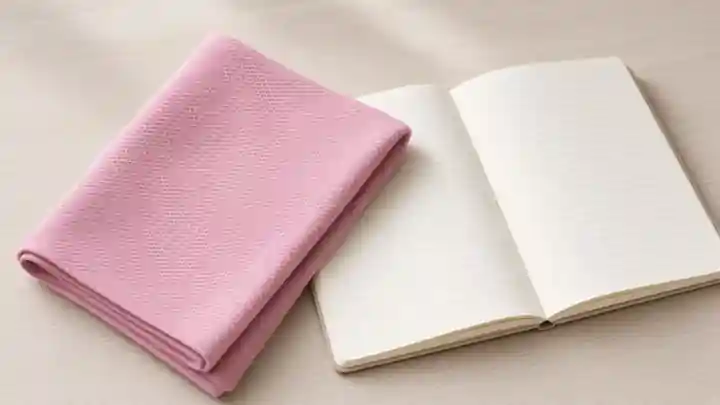
| Named end use | Why a buyer raises a finish | What the card actually gives |
|---|---|---|
| Shirts | Hours next to skin in a daily program | The end use is named, and the active stays unstated |
| Suits | Long wear between cleanings, sometimes with a lining | The end use is named, and a lining finish stays unstated |
| Curtains | Cloth that hangs and is laundered rarely | The end use is named, and a furnishing test stays unstated |
| Underwear | Close skin contact and frequent washing | The end use is named, and a wash-life figure stays unstated |
| Sleepwear | Hours against skin in bed | The end use is named, and a lab result stays unstated |
Open the Breathable Antibacterial Fabric card from the anti-bacterial fabric hub when the program is shirts, suits, curtains, underwear, or sleepwear. Use the printed fields as the boundary of what this knit is offering.
What to ask before a finish is written into a program
Start with the item name, in the buyer’s own words. Carpet, sock, gown, curtain, shirt, and tent are not interchangeable openings, even when the same adjective sits in front of all of them.
Ask which job is required: odor and user protection, or mildew on the cloth. If both worries are real, they still need two sentences, because a hygiene finish and rotproofing answer different failures.
Ask whether the cloth is washed often, washed rarely, or cleaned in place. A sport knit that sees detergent every week raises the rinse-out comment from the workout thread. A privacy curtain cleaned by spot treatment belongs with the EPA disinfectant examples, not with this apparel card.
Ask what the card already prints, and stop there until a lot report exists. Composition, width, weight, and the five end uses are on the page. An active, a method result, and a wash-life figure are not.
Where the published knit fits shirts and sleepwear
Shirts, underwear, and sleepwear are the next-to-skin end uses on this card, so they are the closest match to the odor job Melbec describes for worn knits. Suits stay on the list for longer wear. Curtains stay on the list for cloth that hangs.
Beside the page copy about breathable, moisture-wicking cloth and antibacterial protection that inhibits bacteria growth, the useful reading is still the printed application list. Buyers who need a kill figure, a named active, or a wash-cycle promise will not find those lines on the card, so those lines should stay out of the program.
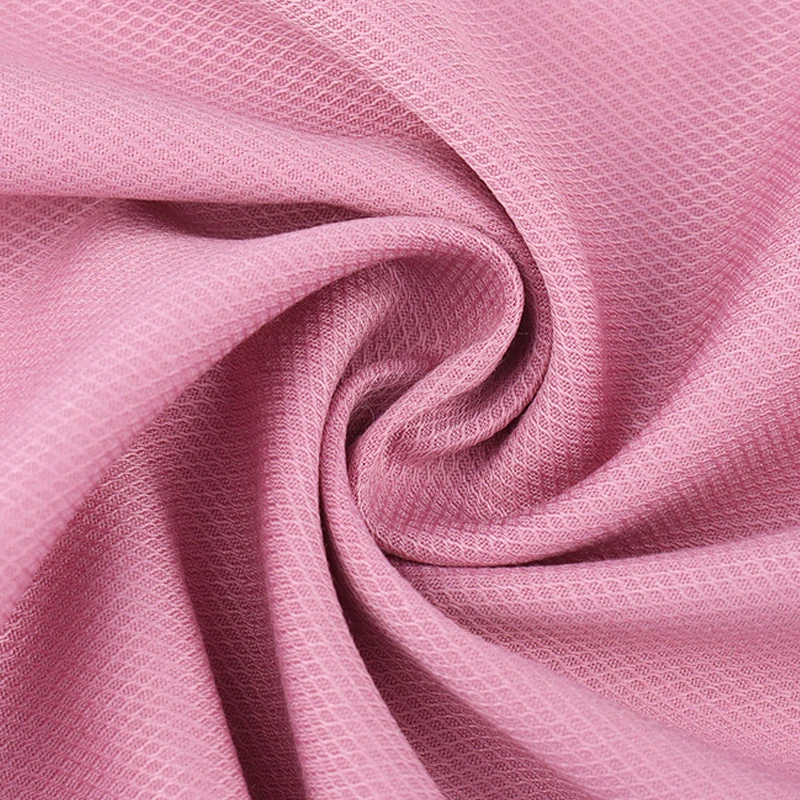
Name the end use on the sample, and repeat only the fields the card already shows. The photo keeps the program on this knit.
FAQ
Which household textiles are seldom washed yet still sit against people?
Fitted carpets, upholstery, mattress ducks, mattress ticking, and shower curtains are the household pieces named for that situation. People sit or sleep against them, and a full wash is rare compared with a wipe or a professional clean.
Why do socks and footwear show up in finish discussions?
Socks and clothing linings are the odor examples tied to perspiration in the Schindler and Hauser overview. Footwear, underwear, and socks are the worn examples Melbec adds when sports and everyday clothing enter the same discussion.
Can a sports knit finish replace a laundry process?
Washing still has to remove soil, oil, and spent residue. A public finish page says the treatment does not stand in for laundering, and a laundry thread reports gym clothes that still smell after a wash, with softeners making odor worse on synthetics.
What does AATCC 100 actually measure?
AATCC 100 is one textile test method name on Melbec’s list, beside other method names. It describes a procedure a lab can run. The published knit card does not print an outcome from that procedure.
Does a bamboo-polyester-spandex card publish a kill rate?
The Breathable Antibacterial Fabric card publishes composition, width, weight, and five end uses. It leaves any kill rate unstated, and the antibacterial line on the page is marketing copy rather than a lab report.
When is a soft-surface disinfectant claim a different product?
That claim shows up on a treatment product for non-clothing fabrics that are laundered infrequently and cleaned mainly by spot treatment. Waiting-room chairs, privacy curtains, seat belts, and mattress covers in the EPA guidance belong to that product class, separate from a mill finish on this knit.