
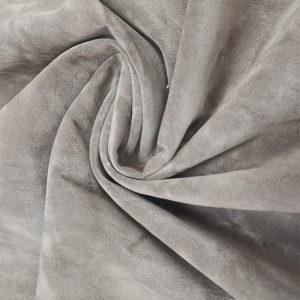

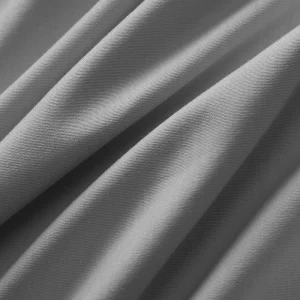
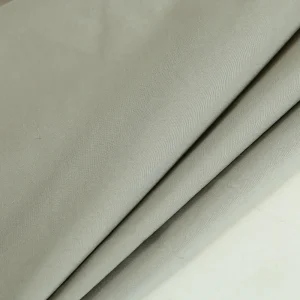



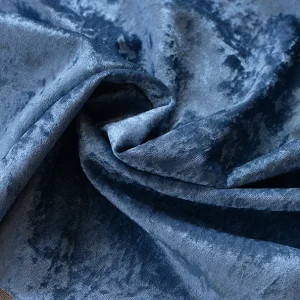















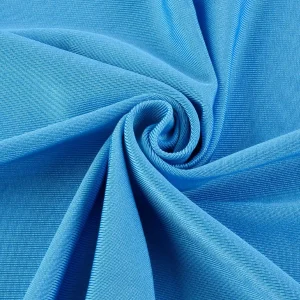
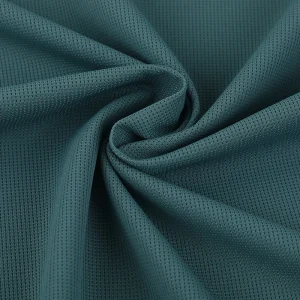
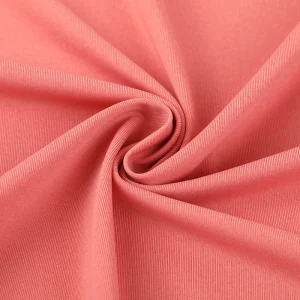



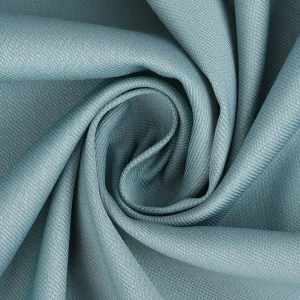
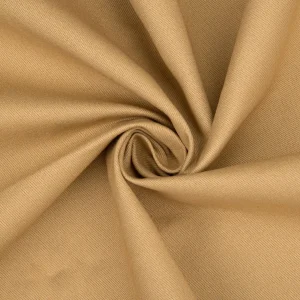
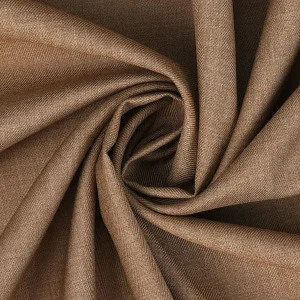
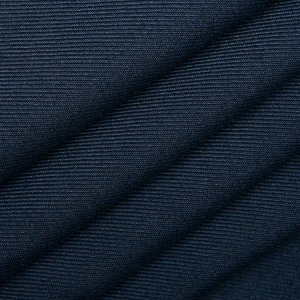









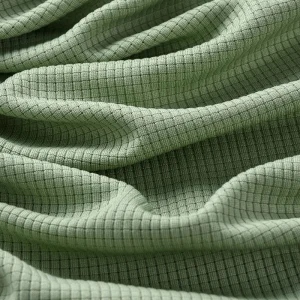

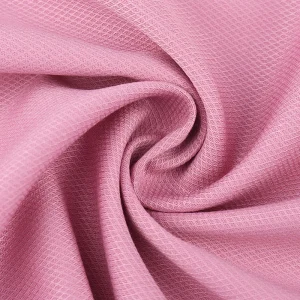
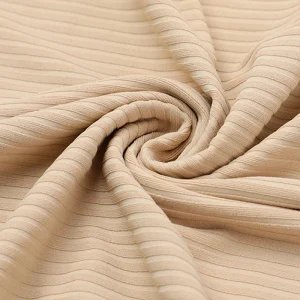
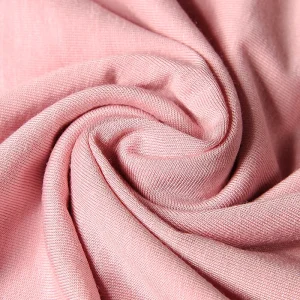

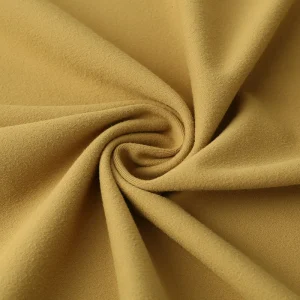

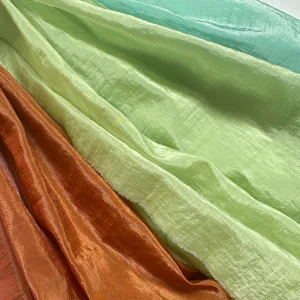



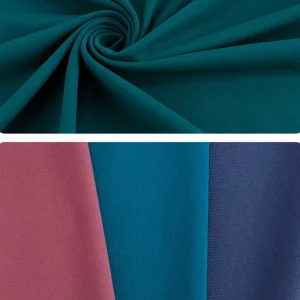

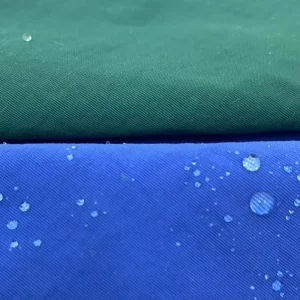

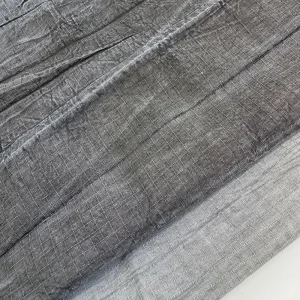
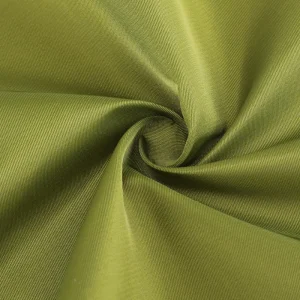
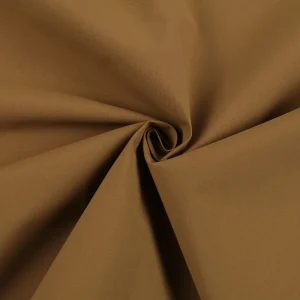
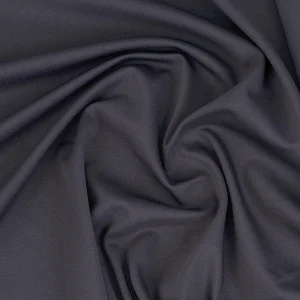





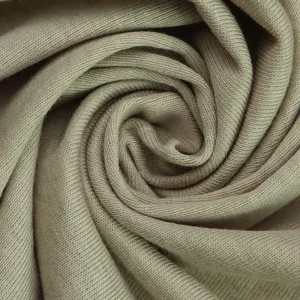
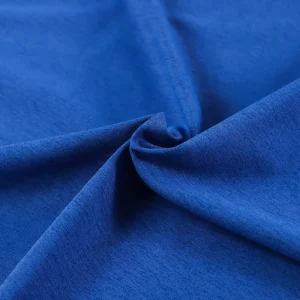

Benefits of recycled polyester start on the cloth card
A buyer can name the benefit when a plastic bottle becomes the fiber on the cloth card. benefits of recycled polyester start in that bottle sentence, before a savings chart enters the room. The card on the table is Eco-Friendly RPET Recycled Polyester Fabric, and the useful move is to read the lines it actually prints.
The scene starts with feedstock and ends with a hand sample. Between those moments the buyer still has to separate a polyester line from a recycled share, keep outside savings figures with the study that printed them, and write a sample note that asks for the paper the card leaves off.
Bottle feedstock is the benefit a buyer can name
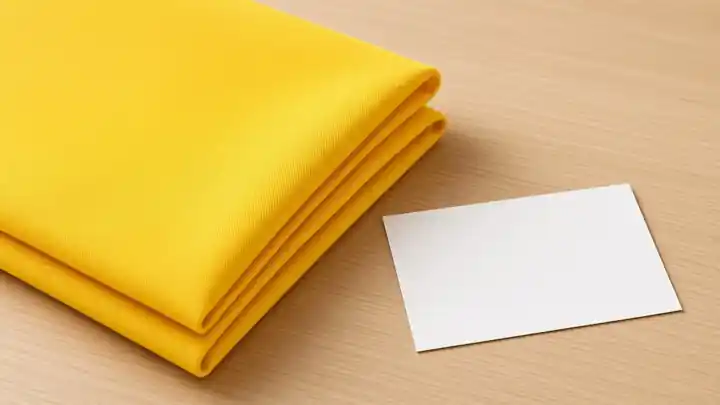
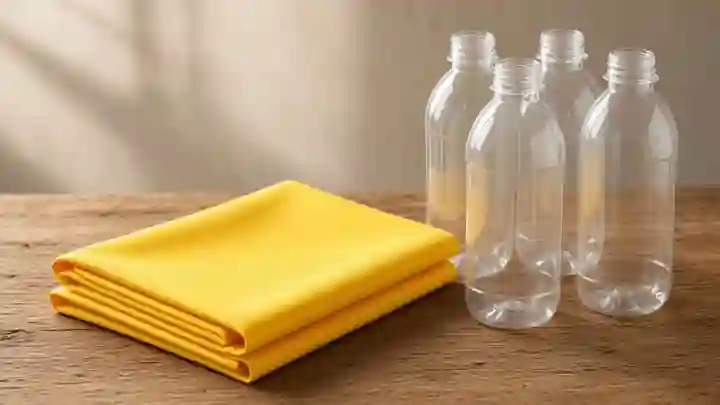
The benefit is the bottle that became PET fiber, and a buyer can say that without borrowing a carbon figure. On this page, rPET, recycled PET, is described as recycled plastic bottles turned into fibers for textiles. That is the recycled polyester fabric story a sourcing meeting can repeat.
Picture the handoff. A developer opens the product page, reads the cola-bottle wording, and then asks the mill for cloth that matches the hand they need for a bag or a light garment.
The feedstock sentence is the benefit. Performance still has to show up in the sample.
rPET fabric keeps the polyester character buyers already know, and it can be cut for sewn goods. What changes is the start of the polymer, which the page places in collected bottles. The cloth still has to be judged as cloth.
Community threads show the other half of that story. Wearers grant that a bottle-based fiber can beat a brand-new synthetic on feedstock, then worry about one garment life when the shirt or bag never returns to a bottle.
Polyester on a card still needs a recycled share
A polyester line still needs the recycled share written somewhere else. Composition tells you the fiber family. It does not tell you how much of that fiber came from bottles.
From the field: Shoppers on a clothing forum still say a recycled label can hide virgin polyester in the mix — source: recycled polyester clothing thread
A protective-fabric mill makes the same distinction in its own words. It reports large energy savings during fibre production versus virgin polyester, plus lower water use and lower CO2, and it says a label that reads recycled polyester does not by itself prove the cloth is entirely recycled.
Those savings stay with that mill’s account. This card does not print them.
Read the two ideas side by side before anyone treats them as one claim.
| What the buyer sees | What it settles | What is still open |
|---|---|---|
| Polyester on the composition line | The fiber family | The recycled share |
| A bottle sentence in the description | The feedstock story | The share on shipment paper |
| A recycled word on a hangtag | Marketing language | Whether virgin fiber is also present |
| End-use words such as tent or garment | Where the cloth is aimed | Hand, color, and paperwork for that program |
Hand-feel arguments belong here too. Forum shoppers describe some recycled polyester clothing as thin and cheap, and others say a sports top felt smooth.
Neither comment measures this card. Ask for the sample and judge the hand in the program you are cutting.
Savings figures belong to the study that printed them
Energy, water, and CO2 direction can be real, and the numbers still belong to the study that printed them. Ranking pages repeat large cuts against virgin polyester. Those pages disagree with one another, and none of those cuts is printed on this cloth card.
Use the mill sentence as a direction, then stop. The protective-fabric account says fibre production can save energy, water, and CO2 versus virgin polyester. It also warns that a recycled word on a label can describe a blend.
If a brand needs a figure in a public claim, that figure has to come from the study that printed it.
A sourcing room gets into trouble when a slide borrows a percent from a blog and pastes it under a different mill’s photo. The cloth in the photo may be honest rPET and still have no right to that percent.
Leave the figure on the study. Ask this mill what it will put on the shipment paper.
The same discipline covers carbon language. This product page calls the bottle route a lower-waste way to make fiber. It does not print a carbon total.
A buyer who needs a total has to bring a study, rather than invent one from the bottle sentence.
A recycled-content standard follows the shipment
The standard follows recycled content through the chain of custody, and it is a different object from the cloth card. The Global Recycled Standard is written for a product that contains at least 20% recycled material.
Textile Exchange describes that standard as voluntary and full-product. It sets third-party certification around recycled content, chain of custody, social and environmental practices, and chemical restrictions.
It leaves quality to the people who have to wear, sew, or waterproof the cloth.
Each production stage from the recycler to the last business seller is meant to be certified when a company chooses that route. Collection sites sit on a lighter record. The practical buyer question is simple: which paper will travel with this shipment, and which stage issued it?
This rPET page does not print a certificate number. Sitewide lines about warp knitting, wash fastness, and UV resistance appear across the catalog.
They describe making and color behavior. They do not prove a recycled share.
If a retailer has asked for a recycled-content standard, write that ask into the sample note. Name the standard, and ask whether the paper follows this shipment. Keep cloth quality as a separate sample question.
This rPET card names tents, bags, garments, and hats
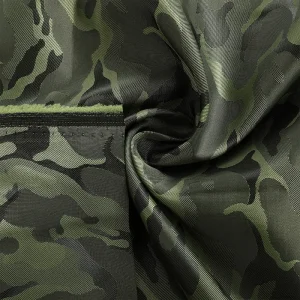
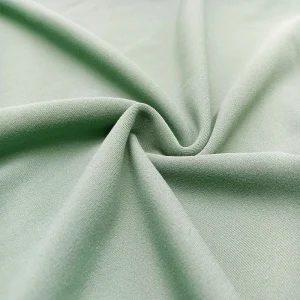
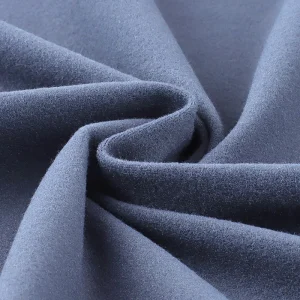
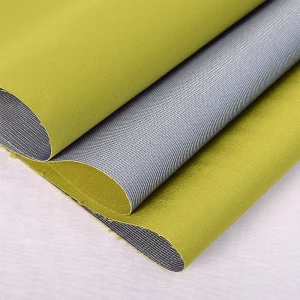
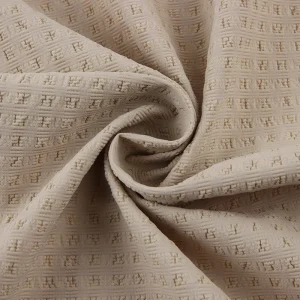
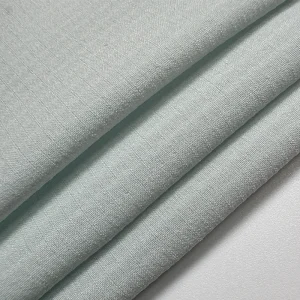
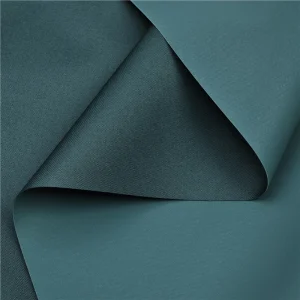
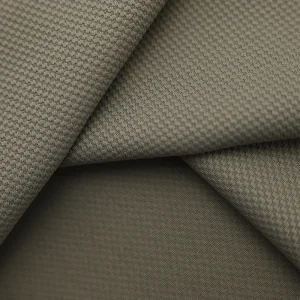
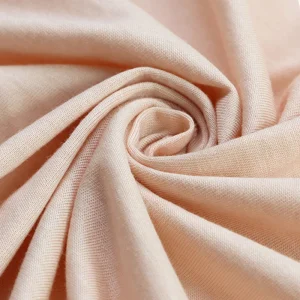
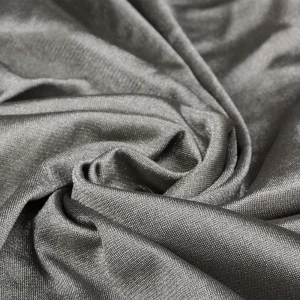
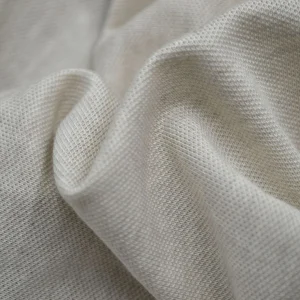
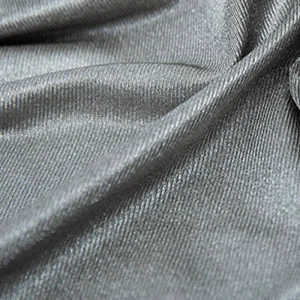
Tent, bag, garment, and hat uses share one application line on this card. The published card lists 100% polyester, density 180T, yarn 150D by 300D, a width of 148 cm, and a weight of 150 g/m².
That single application line is why a tent buyer and a hat buyer can open the same page. The cloth is polyester sheet goods for sewn products. A program that needs recovery should look for a separate cloth that lists spandex.
Eco-Friendly RPET Recycled Polyester Fabric is the page that carries the bottle sentence and the table. The category around it, recycled materials fabric, is the hub for related recycled cloth. The hub does not replace the spec lines on this card.

Walk the end uses without pretending they are one garment.
A tent program cares about width, weight, and how the cloth behaves in sun and rain. The page mentions UV resistance in catalog language that also appears on other fabrics. Treat that as a general making note until a sample shows the color and the hand you need.
A bag program cares about yarn and density because the panel has to hold a seam and a print. The card gives yarn and density. It does not give a seam-slip result.
Put the bag construction on the sample note so the mill cuts the right hand.
A garment program is where forum skepticism gets loud. People set recycled polyester clothing next to virgin polyester and next to cotton.
Some want a smooth sports top. Some want the cloth to avoid a sweaty feel. This card can be cut for garments, and the wear trial is still yours.
A hat program is often a small panel with a stiff or soft hand. The same polyester line can feed a brim or a crown. Say which one you are making so the finish is aimed at that panel.
What to write on the sample request
Write the bottle story, the printed lines, and the share you still need. A sample note that only says “recycled polyester” repeats the marketing word and skips the card.

Copy lines that the page already supports, and leave a blank where the page is silent.
| Note line | What to copy from the card | Why the line helps |
|---|---|---|
| Feedstock | Recycled plastic bottles turned into PET fibers | Names the benefit in the mill’s own wording |
| Fiber family | Polyester | Keeps composition separate from a recycled share |
| End use | Tent, bags, garments, or hats | Tells the mill which panel you are cutting |
| Still open | Recycled share on the shipment paper | Asks for the figure the card does not print |
| Hand | The sample you need to feel | Lets quality stay with the cloth, not with a logo |
Send the note with the end use you actually have. A hat crown and a tent fly can share a fiber story and still need different hands.
If a recycled-content standard must follow the shipment, say so in the open line. If you only need the bottle story and the polyester hand, say that too, so nobody invents a certificate the page never printed.
FAQ
Does recycled polyester feel different from virgin polyester in a garment?
Wearers disagree, and this card has no wear diary behind it. Some forum comments call recycled polyester clothing smooth, close to a light synthetic top. Others call it cheap and hot.
Treat feel as a sample question for the garment you are cutting. The bottle story does not settle hand, noise, or how the cloth smells after a workout.
Can a 100% polyester line still be partly virgin?
Yes. A composition line that names polyester can still include virgin fiber beside bottle fiber. A clothing-forum comment says a label can read recycled while new polyester stays in the mix.
The protective-fabric mill says the same thing in mill language: a recycled label does not by itself prove the cloth is entirely recycled. Ask for the recycled share on the shipment paper.
What paperwork travels with a recycled-content shipment?
When a company uses the Global Recycled Standard, the paper is meant to follow recycled content, chain of custody, social and environmental practices, and chemical restrictions from the recycler toward the last business seller. Quality rides on the sample, not on that logo.
This product page does not print a certificate number. If your retailer expects that paper, write the ask into the sample note and wait for the shipment record.
Why do tent and bag uses sit next to garments on one card?
The card prints one application line that names tent, bags, garments, and hats together. The mill is offering the same polyester cloth to several sewn-goods programs.
Those programs still diverge at the sample. A bag panel, a garment shell, and a hat crown can share feedstock and still need different hand, color, and construction notes.
Does this page print a recycled-content percentage?
No. The live card prints the bottle sentence, the polyester composition, the build lines, and the end uses. It leaves the recycled share off the page.
A buyer who needs a share has to ask for it on the shipment paper. The absence on the page is the reason the sample note has an open line.
Where do microfiber concerns sit beside a feedstock benefit?
They sit beside it, not instead of it. A household-wash study of commercial polyester clothes, including a blouse whose polyester included recycled polyester, tied release to yarn twist and cloth structure. Bottle feedstock was not treated as a reason shedding stops.
Forum readers say the same worry in plainer words and sometimes avoid recycled polyester because of it. The feedstock benefit can still be the reason you specify the cloth. The wash behavior stays a design and laundry question, including one garment life after the bottle has already been used once.