



















































































































Best fabric for workwear follows the hazard, then the card
The best fabric for workwear follows the job hazard on the shift, then the printed cloth card. Fiber names alone leave heat, arc clothing classes, laundry stress, and suiting-lane twill mixed together. A workwear fabric choice gets clearer when the hazard leads and the card follows.
Buyers still type a fiber first because catalogs lead with poly-cotton and cotton duck. That habit skips the question that decides the cloth class. Name the risk that can injure the wearer or shred the garment before you lock a blend.
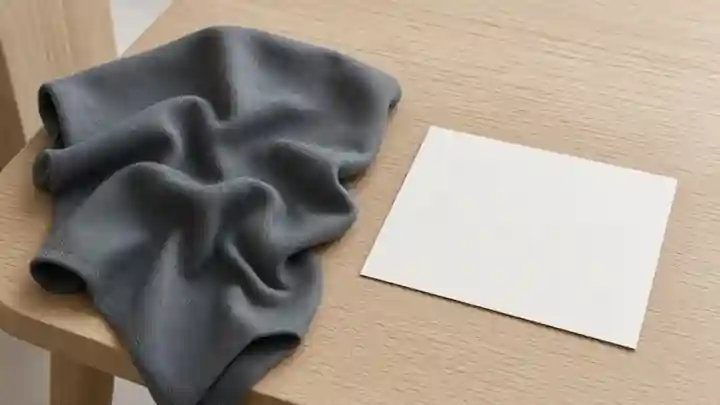
The hazard on the shift comes before the fiber name
Name the shift hazard first, then open the printed cloth card fields.
A job hazard can be radiant heat, an electric arc exposure, sharp edges that chew knees, or an industrial laundry cycle that strips color. Each risk points to a different cloth lane. When the hazard stays unnamed, “best” collapses into a fiber slogan that fits posters better than shifts.
Procurement teams feel pressure to answer with a blend ratio in the first email. That pressure comes from how search results and mill menus are organized. The useful reply starts with the floor reality, the wash method, and the garment role, then opens a card that matches those facts.
Write the hazard in plain words a plant manager would recognize. Spark splash near welding is a different sentence from desk-adjacent uniform polish. Knee abrasion on concrete differs from soft-hand jackets for client-facing crews.
Those plain sentences keep workwear fabric shopping honest across teams.
If two hazards sit on one garment, rank the one that creates injury first. Appearance and laundry goals can ride behind injury risk. Ranking prevents a suiting hand from being asked to do arc clothing work.
Catalog copy likes short fiber answers because short answers sell swatches quickly. Shift reality rewards longer answers that keep people safe and garments in rotation. Longer answers still fit in one paragraph when the hazard is named early.
Heat exposure and everyday rub are separate problems
Heat illness controls differ sharply from abrasion and laundry wear demands today.
Occupational heat pages treat water, rest, and shade as the working controls for heat illness. Clothing can add heat strain when it traps sweat or blocks cooling. A softer polyester hand does not replace cool water, timed rest, or a shaded recovery spot on a hot shift.
Everyday rub is a cloth-wear problem. Knees, crotches, cuffs, and pocket corners fail when the weave and weight sit too light for the motion. That failure mode belongs in abrasion and laundry talk rather than heat illness controls.
An electric arc clothing specification covers flame-resistant protective clothing worn where electric arcs and related thermal hazards exist. That clothing class asks for arc rating, flame performance, durability tests, construction rules, and labeling. Ordinary suiting twill lives outside that class until a published rating says otherwise.
Forum threads about work pants often mix these problems in one complaint. One wearer wants cloth that survives regular washing. Another describes a cotton-polyester blend that melted when it caught fire.
Those stories prove why heat strain, melt risk, and laundry wear need separate boxes on the sample request.
Keep the boxes labeled when you talk with a mill. One box names heat illness controls already in place, another names whether an arc or flash-fire clothing class applies, and a third names rub points and wash method. Only then does a polyester rayon twill card earn a fair read.
A polyester rayon twill stays in the suiting lane
Polyester rayon twill belongs with suits, jackets, uniforms, and polished client programs.
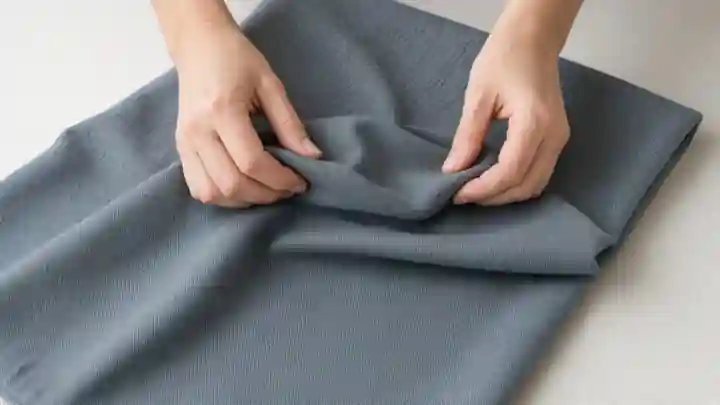
Uniform twill in a polyester-rayon blend is sold for polished uniforms, suits, jackets, and light workwear programs that need a clean diagonal face. The lane is appearance plus moderate wear, with a hand that sits closer to suiting than to duck canvas. Buyers who want that lane should say so in the first line of the sample note.
Poly-cotton habit still dominates many inboxes because industrial laundry programs reward polyester-rich blends that hold color and shape. That habit is rational for warehouse pants. It is a poor automatic substitute when the garment brief calls for suiting drape and a rayon-assisted hand.
The suiting lane also sets expectations for stretch stories. If mobility panels enter later, English-language programs name spandex in the blend note. Stretch belongs as a later add-on after the base weave and fiber story are clear.
When a buyer asks for the best fabric for workwear and then points at a suiting card, the honest translation is “uniform and jacket cloth with a twill face.” That translation keeps the cloth inside the lane the title already claims. It also keeps heavy abrasion canvas program expectations from sneaking in unnoticed.
Light suiting weight meets a hard laundry program
Light suiting cloth meets hard laundry only after written sample wash notes.
A hard laundry program can be industrial laundry with hot detergent chemistry, or a home cycle that still runs daily for an entire crew. Light suiting cloth can look sharp on day one and thin at crease lines after repeated washes. The conflict is real, and it belongs on the sample request before yardage is booked.
From the field: Wearers on fabric forums ask for cloth that stands up to regular washing, while maintenance crews report knees and crotches failing first when the fabric is too soft for the motion. Put the wash method and the failure point in the same note so the mill is not guessing. — source: Need fabric for work pants
Abrasion canvas program buyers usually start from duck, denim, or heavy twill meant for tool belts and concrete. Suiting-lane cloth can share the word “workwear” in a title line and still miss that duty. Compare the garment’s real rub map to the cloth lane before you borrow a canvas expectation.
Industrial laundry notes should name detergent type, dryer heat, and whether softener is banned. Softener films can dull performance finishes on other garment classes, and they also change how buyers judge hand after wash. Even when the cloth is ordinary suiting, the wash story still belongs in writing.
If the laundry team refuses to change settings, change the cloth lane or the garment design. Reinforcement at knees, bartacks at pockets, and a slightly denser weave can matter more than a marketing fiber name. Sample yardage exists to expose that trade early.
This card prints polyester, rayon, twill, and the width
The card lists fiber names, weave, width, and the printed weight clearly.
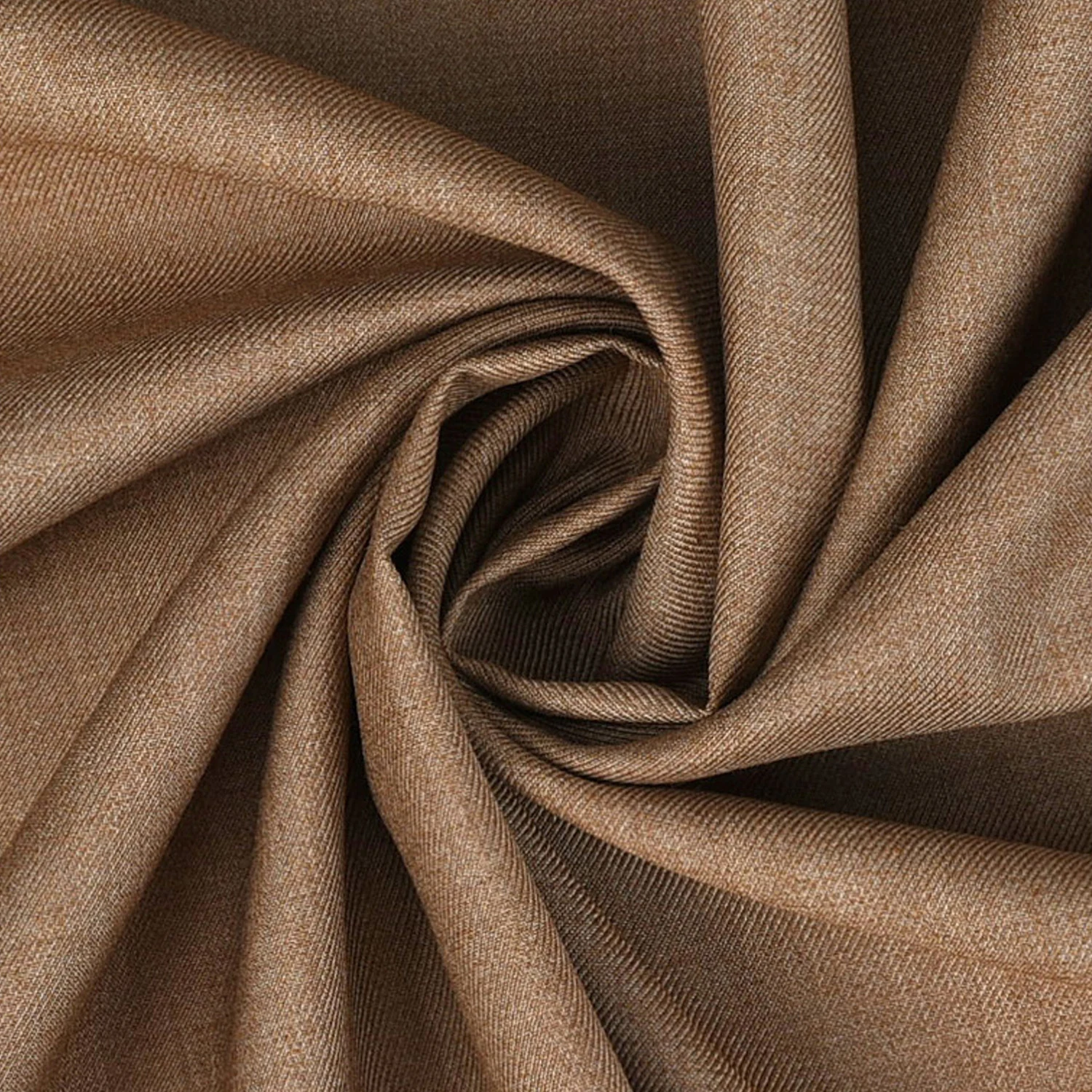
On the published product card for Twill Suit Fabric, the title line places the cloth with uniforms, suits, jackets, and workwear. The table prints Product Name Twill Suit Fabric, a composition line, width, weight, and a twill weave. That is the workwear fabric evidence you can quote without inventing lab scores.
The title says 80% polyester and 20% rayon, while the table prints 80% T / 20% R, a twill weave, a width of 150 cm, and a weight of 170 g/m².
T and R are shorthand for the same polyester and rayon story already named in the title. Buyers who only skim the table still need the title words when they brief a designer. Buyers who only skim the title still need the table when they brief a cutter on width and weight.
The same page leaves flame rating and arc rating fields blank. Sitewide lines about warp knitting, wash fastness, and ultraviolet resistance read as boilerplate on many product templates. Those lines do not turn the cloth into a flame-resistant garment class.
Return to the workwear uniform fabric hub after you finish the card so sibling cloths stay visible. Hub browsing helps when the hazard screen later points away from suiting. The card itself stays useful when the hazard screen keeps you inside uniforms and jackets.
| Hazard screen | Cloth lane to open first |
|---|---|
| Heat illness on a hot shift | Confirm water, rest, and shade plans before chasing fiber marketing |
| Electric arc or flash-fire exposure | Open flame and arc clothing specification products with printed ratings |
| Sharp rub at knees and tool edges | Open denser abrasion-focused cloth, then sample wash and wear |
| Polished uniforms, suits, and jackets | Open polyester rayon twill suiting cards such as Twill Suit Fabric |
Choose the Twill Suit Fabric product beside the printed card
Choose Twill Suit Fabric when the hazard screen stays in suiting programs.
After the hazard screen stays inside uniforms, suits, and jackets, continue with the published Twill Suit Fabric card. The product page is the place to quote composition, weave, width, and weight without inventing flame or arc fields. Keep the workwear uniform fabric hub open beside that card when you need sibling options.
What the sample request should name
Sample notes should name exact hazard, wash method, and garment role together.
A sample request earns answers when it reads like a shift brief. Start with the job hazard in one sentence, then add the garment role such as pant, jacket, coverall shell, or client-facing uniform. Finish with the wash method: industrial laundry, plant washer, or home cycle.
Then paste the card fields you actually care about. Composition abbreviations, weave, width, and weight belong here because they are printed. Ask the mill to keep flame and arc language off the reply unless a different SKU carries those ratings, so the email stays aligned with the page you linked.
Name failure history if you have it. Knees that blow out, color that fades, or stiff hand after dryer heat each change which sibling cloth to try next. Community wash complaints are useful as prompts, even when they are not lab certificates.
If the hazard screen moves you out of suiting, say that clearly and ask for the neighboring lane. If the hazard screen keeps you in uniforms and jackets, ask for colorways and a wash trial on the same polyester rayon twill. Either path is cleaner than a one-word fiber order.
| Sample-note field | What to write |
|---|---|
| Job hazard | Injury risk or garment-kill risk in plain floor language |
| Garment role | Pant, jacket, suit, or uniform piece |
| Wash method | Industrial laundry, plant washer, or home cycle details |
| Card fields to match | Polyester, rayon, twill, width, weight as printed |
| Rating expectation | Blank unless a different rated SKU is requested |
| Failure history | Knees, crotch, fade, stiffness, or melt concerns already seen |
Close the note with the product URL and the hub URL so the mill shares the same shelf. Shared links prevent a reply that swaps in an unrelated canvas or an FR SKU you did not request. Shared links also keep the conversation inside the published evidence.
FAQ
Why do buyers ask for poly-cotton when a suiting twill is already on the table?
Poly-cotton habit comes from laundry programs that reward polyester-rich blends for color hold and shape. Suiting twill answers a different brief: uniforms, suits, and jackets with a rayon-assisted hand. Ask for poly-cotton when the garment is a laundry-first pant; open the suiting card when appearance and drape lead.
When does an arc or flash-fire job leave ordinary polyester behind?
When the role needs flame-resistant protective clothing under an electric arc clothing specification, ordinary polyester and polyester-rayon suiting leave that lane. Forum wearers also describe untreated polyester blends melting when garments catch fire. Move to rated clothing with printed performance fields instead of stretching a suiting card.
Does a 170 gram suiting cloth match a heavy canvas program?
Heavy canvas and duck serve abrasion canvas program duty with tool belts and rough surfaces. Suiting-lane cloth can share a workwear title word and still miss that duty. Match canvas expectations to denser abrasion cloth, and keep the suiting card for uniforms and jackets unless a wear trial says otherwise.
What does 80% T / 20% R mean next to the title line?
T stands for polyester and R stands for rayon on the printed table. The title names the same fibers in full words so designers and cutters share one story. Read title and table together when you brief both teams.
Does this page print a flame or arc rating?
The published product page leaves flame rating and arc rating fields blank on the card. Flame and arc clothing belongs to a different specification class with printed ratings. Keep those words off the suiting SKU unless you change products.
Which wash setting belongs in the sample note?
Write the real wash path the garment will see: industrial laundry chemistry, plant washer heat, or home cycle frequency. Add whether softener is allowed and where garments have failed before. That wash setting belongs beside the hazard line so the mill can judge light suiting cloth fairly.