





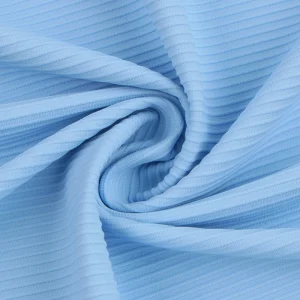
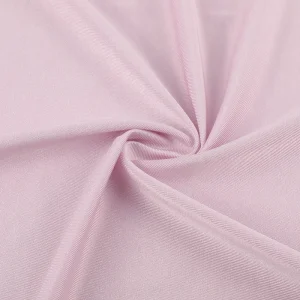
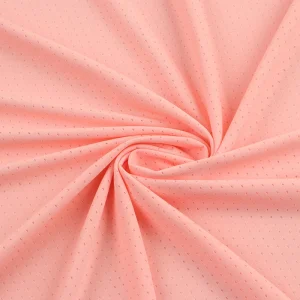

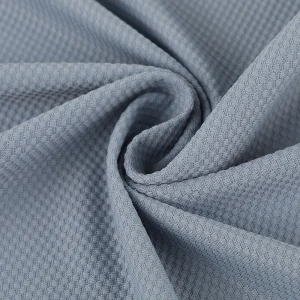









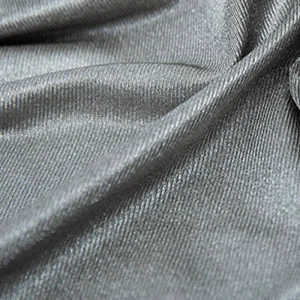
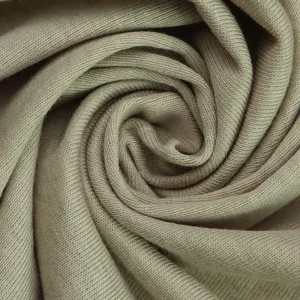
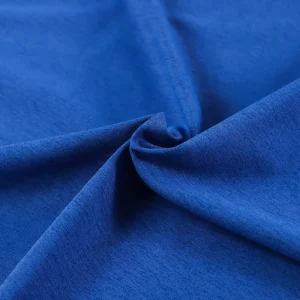

How is nylon recycled starts on the nylon card
How is nylon recycled is a process question, and this nylon card answers it by printing cloth fields instead of a process line. The alias, the fiber cell, the dyed finish, and the end-use line are what a buyer can actually read. Later sections separate the name from the nylon cell, then land on the recycled nylon spandex fabric for a cloth order.
Public answers treat a nylon and spandex blend as difficult to separate. That difficulty sits with the process question people type into search. The page in front of a cloth order still has to be read as a card of fibers, construction, and end use.
Shoppers often arrive with a recycling lesson in mind and meet a specification block. Yarn, width, weight, and weave sit in that block beside the fiber names. The lesson they expected remains a different subject from the cloth they can order.
A recycling question is not a line on this nylon card
The card answers cloth identity while the question asks about a process.
People ask how nylon is recycled because search results talk about waste, cleaning, and new fiber. This nylon card never takes that job. It identifies a cloth.
A buyer can look down the rows and still miss the absence, because the alias sounds like a method. The rows talk about fibers, a knit, measures, color, and garments. None of those rows narrates a plant sequence.
University writing on nylon treats a process explanation as its own subject. Carpet literature, journal reviews, and brand footprint pages each build that subject at length. A finished-cloth card is a shorter object with a different job.
When the question and the card share one screen, the useful move is to name which object is speaking. The question wants a route. The card wants a buyer to recognize nylon, spandex, and the knit those fibers share.
Recycled in the name and nylon in the cell are different asks
A recycled alias and a nylon cell answer two different buyer asks.
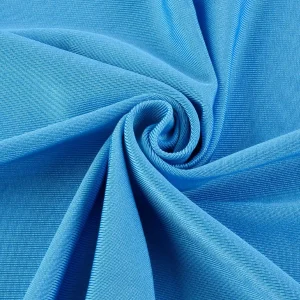
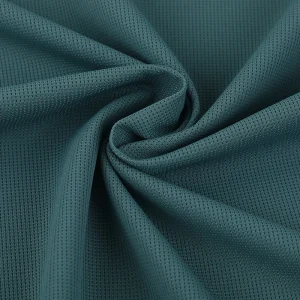
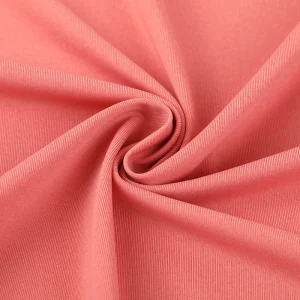
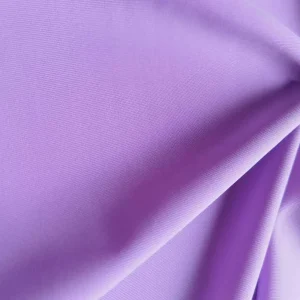
The alias reads Recycled Nylon-Spandex Fabric while the composition cell names nylon and spandex. One line markets a story in the product name. The other line names the fibers a cutter will actually handle.
The generic name nylon appears in the fiber-naming examples for textile labels. That naming habit tells a buyer what to call the fiber. It does not turn an alias into a printed recycled percent.
From the field: A swimwear buyer asked in public for recycled nylon fabric and recycled spandex in the same cloth, so the name and the stretch fiber travel as one shopping ask. —
A recycled name can mean the seller wants the cloth filed with recycled materials. A nylon cell means the fiber is nylon. Those two readings can sit on one page and still answer different questions.
| Buyer ask | What this nylon card shows |
|---|---|
| How the fiber was recycled | No process line on the card |
| Whether the alias states a recycled percent | The cells leave that blank |
| What the finish word means | Dyed, as color work |
| Which garments share the knit | Tank tops, dresses, sportswear |
Read the alias first if you are sorting the catalog. Read the composition cell first if you are matching a fiber. Mixing those two readings is how a process question gets pasted onto a cloth.
A dyed finish is a color step, not a recycling step
Dyed on this finish line names a color step after the knitting.
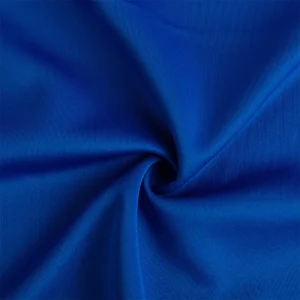
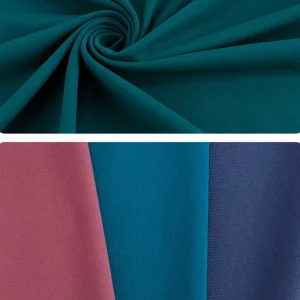
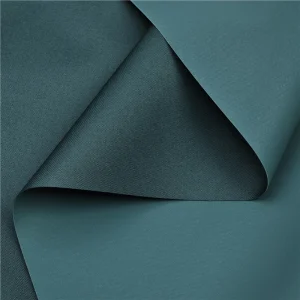
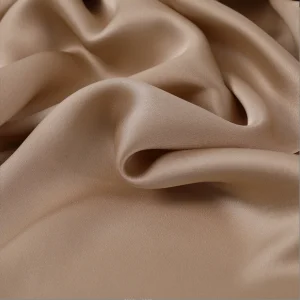
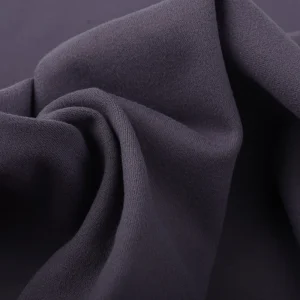
The finish line says Dyed, which names a color step. Color work happens to cloth that already exists as a knit. It is the moment shade is applied, not the moment a waste stream becomes fiber.
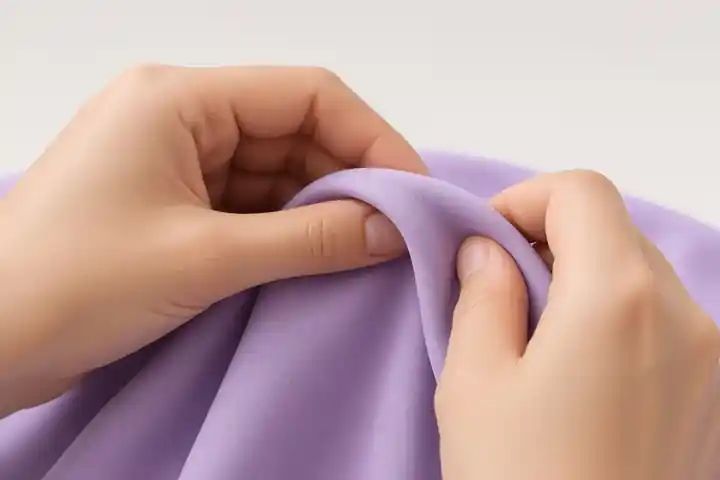
Buyers sometimes fold every finishing word into the recycling story they just read online. Dyed does not belong in that fold. It tells you the cloth is colored, and it stops there.
A color step can matter for shade approval, lab dips, and whether two rolls look like the same family. Those are cloth conversations. They still leave the recycling question untouched, because a shade does not describe feedstock.
If a mill conversation needs to talk about colorfastness, that talk starts from dyed cloth and from the buyer’s own shade target. It should not be asked to explain how nylon became nylon again.
Tank tops, dresses, and sportswear share one knit
The listed tank tops, dresses, and sportswear share one warp knit cloth.
Tank tops, dresses, and sportswear are the end uses printed on the application line. The card does not split them onto three constructions. One warp knit carries all three names.
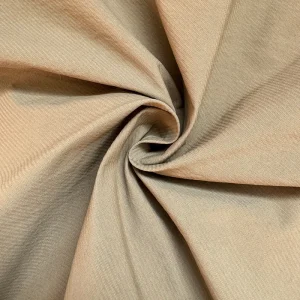
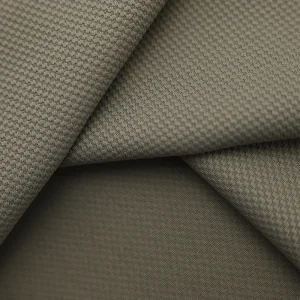
A warp knit nylon cloth is what that shared line is pointing at. The stretch partner is spandex, named in the same composition cell. Garment type changes the pattern, not the row that identifies the knit.
Tank tops usually want a close, light hand and a neckline that holds its shape in wear. Dresses may want drape and a longer sweep.
Sportswear may want the same stretch under movement. The card still offers those uses as one application list.
Sharing one knit means a buyer can sample once and discuss three end uses with the same fiber story. It also means a problem in shade or width shows up across that whole list, because the list was never three separate fabrics.
This card prints nylon, spandex, yarn, width, and weight
Nylon, spandex, yarn, width, and weight are the cloth fields printed here.
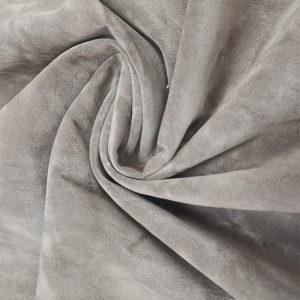
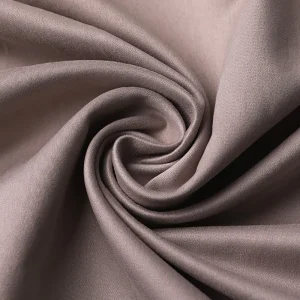
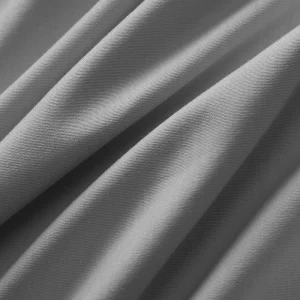
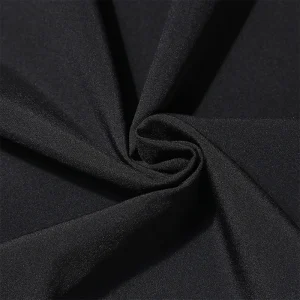
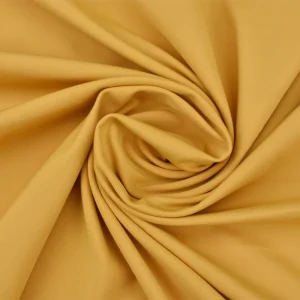
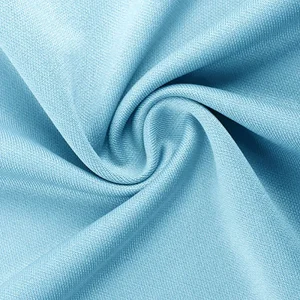
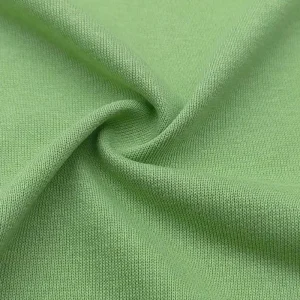
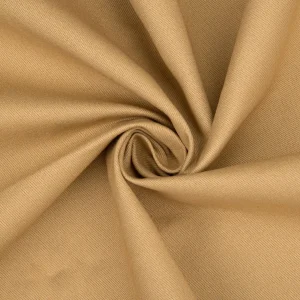
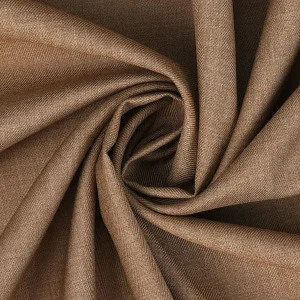
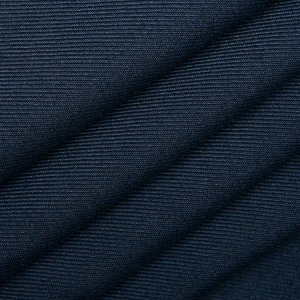
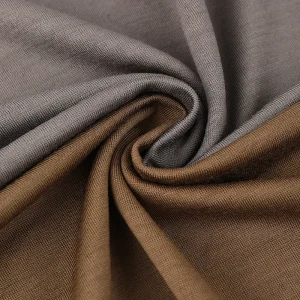
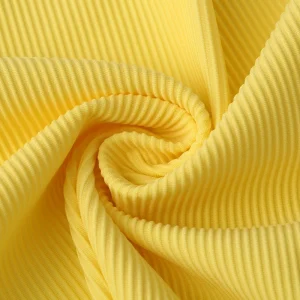
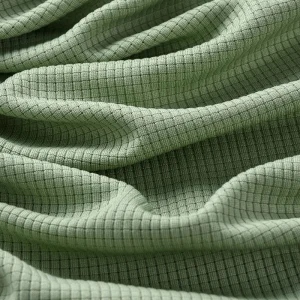
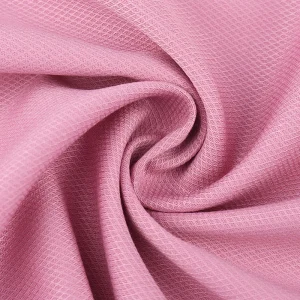
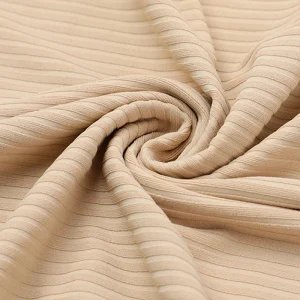
The published card lists 81% nylon and 19% spandex, yarn 40D + 40D, a warp knit, a width of 160 cm, and a weight of 200 g/m².
| Card line | What a buyer can read |
|---|---|
| Alias | Recycled Nylon-Spandex Fabric |
| Composition | Nylon blended with spandex |
| Application | Tank tops, dresses, and sportswear |
| Yarn count | A denier pair |
| Weave | Warp knit |
| Weight | A grams-per-square-meter figure |
| Width | A centimeter figure |
| Finishing process | Dyed |
Yarn count tells you the ticket of the yarns before your hand ever touches a roll. Width tells you how the cloth fits a marker.
Weight tells you how substantial the knit is likely to feel. Together they are the practical reading of this card.
The recycled materials fabric hub is the category above this card. It groups cloths that carry a recycled name. It still does not replace the rows on this particular nylon and spandex page, which is where the measures live.
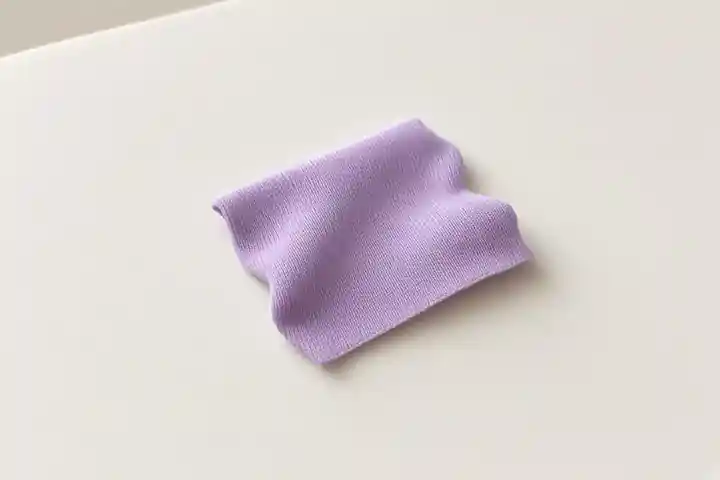
A hand feel comes later, on a swatch or a roll. Before that, the printed yarn, width, and weight let two people talk about the same cloth without inventing a recycling route to fill the silence.
What the recycling question should name
Name the waste stream, the fiber family, and the proof you need.
A university polymer review says mixed-component materials are harder to bring back into use. Nylon beside spandex is that kind of mix on this card. Anyone who still wants a process answer has to ask it as a process question, with the feedstock and the proof named in the ask.
The waste stream might be industrial yarn waste, used goods, or something else entirely. The fiber family might be nylon on its own or nylon with another polymer.
The proof might be a statement the seller actually prints. This card prints none of that proof, so the question has to travel to a document that does.
Public pages love to answer the broad question with a general route. That answer can teach literacy. It cannot be stapled to this alias and treated as a property of the knit.
If the buying team needs a recycled percent, they should ask for the percent in words on a document that states it. If they need a certificate, they should ask for the certificate by name. The cloth card remains the place for nylon, spandex, yarn, width, weight, and dyed.
The recycled nylon spandex product for a cloth order
Order this recycled nylon spandex fabric when the printed cloth fields match.
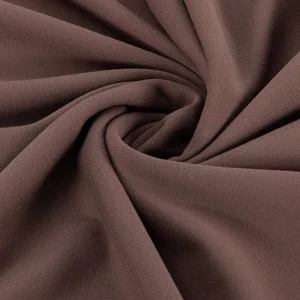
Recycled Nylon-Spandex Fabric is the cloth whose card carries these fields. Open it when the order is for this nylon and spandex knit, in the width and weight the card prints, for tank tops and similar uses.
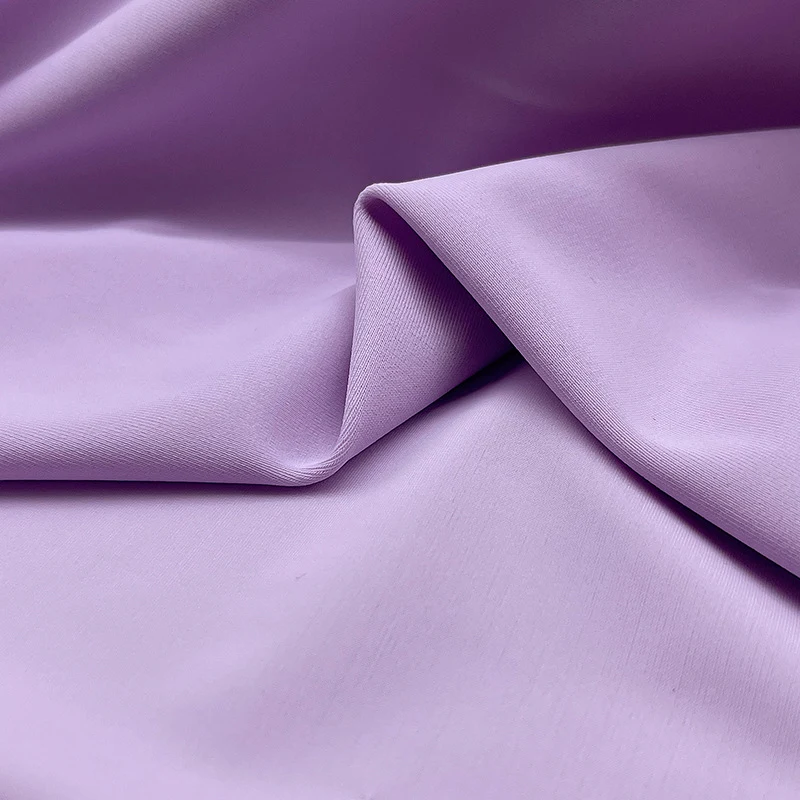
Use the product page when the alias, the fiber blend, the warp knit, and the dyed finish are the match you want. Leave it when you need a written recycling step. Those are different errands, and only one of them is finished by this card.
A cloth order can still talk about shade, roll length, and the end use inside the printed list. Tank tops, dresses, and sportswear are already named. What the order should not smuggle in is a process story the cells never told.
The recycled nylon spandex fabric link is the downward step from this explanation. The category hub remains the upward step when the buyer wants other cloths filed under recycled materials. Either way, the process question stays open until a separate document answers it.
FAQ
Why do buyers ask how nylon is recycled?
Search pages answer with waste, cleaning, and new fiber, so buyers repeat that question on a cloth page. The card they reach is busy naming nylon, spandex, and a knit.
Does a recycled name mean the card prints a recycled percent?
The alias can say recycled while the cells stay silent on any recycled percent. Read the composition cell for nylon and spandex, and look elsewhere for a percent if you need one.
Where does a dyed finish leave a recycling question?
Dyed sits on the finish line as color work after the knit exists. The recycling question is still unanswered when all you have learned is the shade step.
What does yarn count tell a buyer before a hand feel?
Yarn count gives the ticket of the yarns on the card before a swatch arrives. It lets two people name the same yarn pair while they wait to touch the cloth.
Does this page print a recycling step?
This page prints nylon, spandex, yarn, width, and weight, and it leaves the process line off the card. A dyed word and a recycled alias leave that line off the page too.
Which end uses does the application line actually name?
The application line names tank tops, dresses, and sportswear. Those three uses share the warp knit printed on the same card.