



















































































































How to make fabric uv resistant starts on the nylon card
how to make fabric uv resistant asks for a treatment recipe, and the nylon card answers with fiber, width, and weight. The published card lists 95% nylon and 5% spandex, a width of 150 cm, and a weight of 80 g/m². A sun protective nylon fabric order starts by reading those fields, then the dyed finish and the casual wear line.
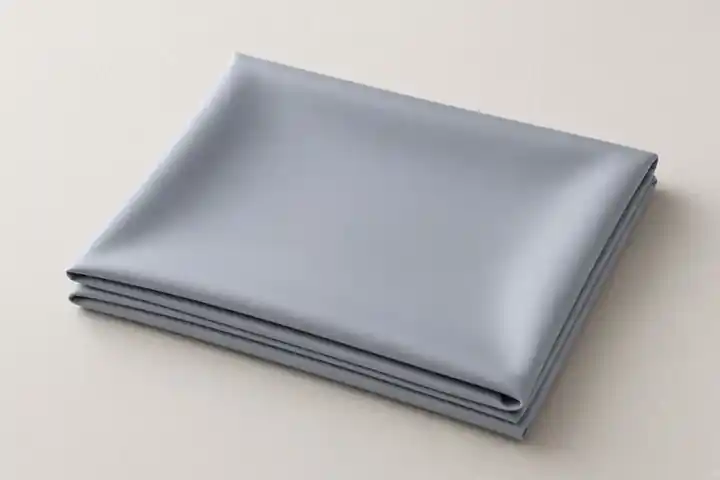
A sewing search for protective cloth often lands on outdoor furniture fabric. That mismatch is the problem this page walks through. The mill card in front of the buyer is a casual wear nylon spandex cloth with a sun-protective name, and the finish cell stops at a color.
From the field: A backpacker asked for a treatment that would shield synthetic cloth without waterproofing it or stiffening it. — Backpacking Light thread
A make-it question is not a line on this nylon card
Buyers ask for a treatment recipe, while this nylon card stays silent.
The query sounds like a shop step. Spray, soak, and heat are the moves people expect when they type it. The card on the table has none of those moves in a cell.
Makers on a sewing forum describe the same stall. They want cloth for patterns they already like, and the results that come back are cushions and tents. A sewing forum asked for inexpensive UV blocking cloth for hats and ponchos, which is a sourcing problem the card cannot fill with chemistry.
A coating worry shows up in those threads too. People ask whether a finish hidden in the cloth is the real reason a label says sun-protective. Here the finish cell is readable, and it says Dyed.
Leave the recipe off the order until a later sample says otherwise. The card leaves a rating number and a recipe off the table. What you can order today is the cloth the cells already name.
Sun-protective in the name and nylon in the cell are different asks
The product name names sun protection, while the cell names nylon fiber.
Sun-protective sits in the product title. Nylon sits in the composition cell beside spandex. Reading them as one promise skips the difference between a name and a fiber.
A university clothing page treats nylon as more naturally protective than cotton. That page also ties the effect to weave, thickness, and color. None of those three is a rating printed on this card.
Ultraviolet radiation is the exposure the question is about. The university page talks about it as light that a tighter cloth can interrupt. It does not hand this mill a formula, and this page will not invent one.
On that same page, darker or brighter dyes are described as absorbing more of the light. This card’s color story is the word Dyed, which tells you a color exists and does not name the dye class.
So the name can send a buyer toward sun-protective clothing, and the cell still has a separate job. The cell tells you the fiber. The name tells you the collection the mill put the cloth in.
A dyed finish is a color step, not a sun treatment recipe
Dyed on this card means only a color step and nothing further.
Finishing is a short word on a spec table, and buyers load it with hope. A dyed finish can mean the cloth has been colored. It does not, on this card, name a sun chemical.
People ask whether a protectant exists that you can add later. That question belongs to aftercare products and to laundry goods discussed on other sites. It is not settled by the word Dyed.
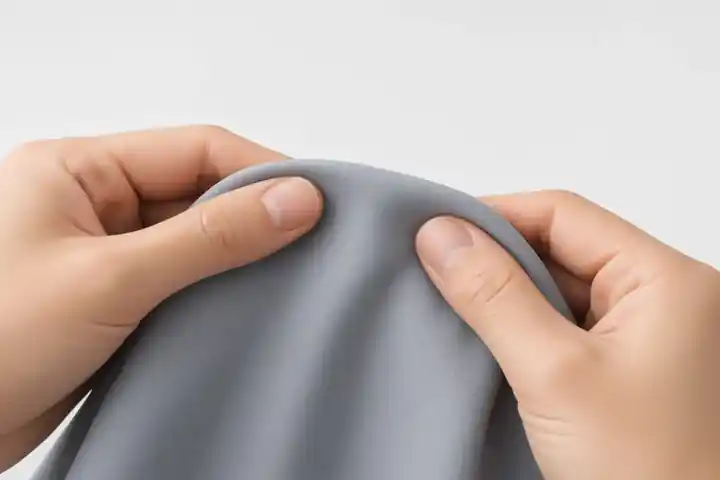
If a buyer needs a named absorber, a binder, or a wash count, those words have to come from a sample report that this page does not hold. The published table stops at Dyed. Stopping there keeps the color step from being retold as a recipe.
Hand feel still waits on a swatch. Dye can change shade and, on some cloths, the surface. This card does not describe that surface beyond the finish name, so the swatch remains the place to feel it.
Casual wear and sportswear share one cloth
Casual wear and sportswear share the same application line on this card.
The application cell prints both end uses together. Casual wear nylon spandex is the everyday reading. Sportswear is the second reading on the same line, beside the casual wear reading.
A casual shirt and a light training top can be cut from one roll when the buyer accepts that shared line. The card does not split the roll by sport, by climate, or by a rating. It only names the two uses.
Stretch is why spandex is in the blend for those uses. A US labeling guide treats spandex as the generic name used when a small amount is there for stretch.
This page does not restage that guide’s sample labels. It only keeps the fiber name the card already prints.
Shared end use also means a buyer should say which cut is first. Casual wear and sportswear can share a hand and still differ in pattern ease. The card will not choose the pattern.
This card prints nylon, spandex, width, and weight
The printed card shows fiber, width, and weight for a cloth order.
Read the cells in the order a cutter uses them. Fiber tells the mill what the yarn is. Width tells how the roll sits on a table.
Weight tells how light the cloth is before anyone touches it. The figure stays inside the sentence that quotes the card, so the table beside it stays in words.
| Field | What the card prints |
|---|---|
| Product name | Sun-Protective Casual Wear Fabric |
| Composition | nylon and spandex |
| Width | the width printed on the card, in centimeters |
| Weight | the lightweight figure printed on the card |
| Finishing | Dyed |
| Application | Casual Wear, Sportswear |
Width is a planning number before it is a hand-feel clue. A buyer can sketch marker length from it. Hand feel still needs the swatch, because a centimeter figure cannot describe drape.
A cloth label names fibers by generic name in weight order. That is the labeling habit a US textile page describes for covered goods. The card already follows the habit of naming nylon first and spandex second, which matches how the composition cell is written.
The sun-protective category is the hub for this family: UV resistant fabric. On the day that category page was read, it did not list products in the grid. The cloth order still uses the named card rather than the empty grid.
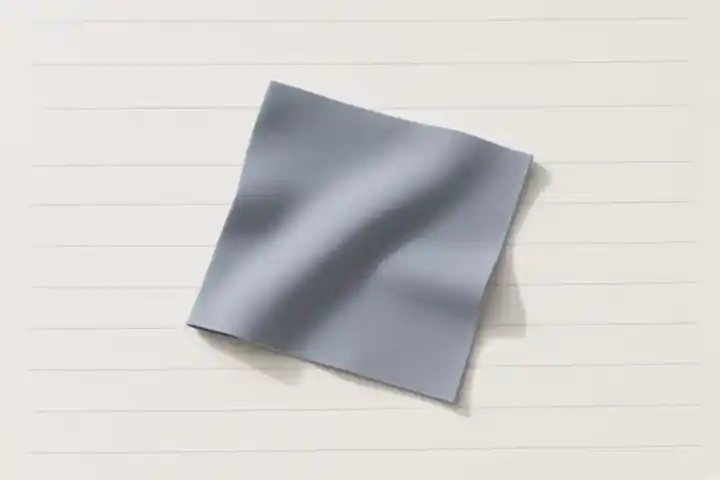
Weight, on a lightweight cloth, is the reason a buyer might choose it for casual wear instead of a heavier nylon. The figure itself stays in the sentence that quotes the card. Repeating it in a second form would pretend the page measured something new.
What the UV request should name
A UV request should name the cloth fields the buyer can read.
Name the product. Name nylon and spandex. Name that the finish cell says Dyed.
Name casual wear or sportswear, or both, as the end use you are cutting. That is a complete request against this card.
| Ask | Where it lands on this card |
|---|---|
| Treatment recipe | Left off the printed cells |
| Sun-protective wording | Product name |
| Fiber | Nylon and spandex cell |
| Color step | Dyed |
| End use | Casual wear and sportswear |
| Next page | The named product |
A public-health page on sun-protective clothing talks about color, construction, content, and fit. Those are useful words when you are judging a finished garment. They are not extra cells on this cloth card, so a request that needs them has to say so in plain language beside the card, not inside it.
If the real need is a tested rating, say that the card does not carry one. Ask for a sample report in a separate note. Keep that note off this page, because this page will not invent the test.
A sibling article, what fabric is good for uv protection, looks at the wider fabric question. This page stays with one nylon card so the two jobs do not collapse into a single recipe.
The sun-protective nylon product for a cloth order
This nylon cloth is the product a cloth order can name today.
The sun-protective casual wear fabric is the page that holds the table. Use it when the order is for this nylon and spandex cloth, at the width and weight the card prints, with Dyed as the finish and casual wear or sportswear as the use.
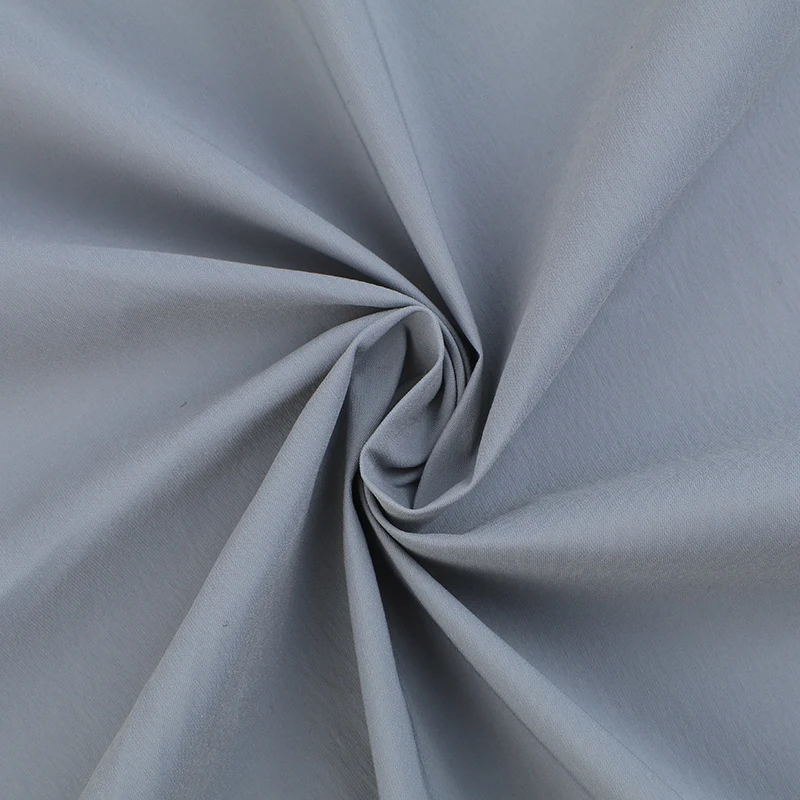
The category hub is the sun-protective fabric page, and the cloth order still uses the named card. An empty category grid is a browsing limit.
The grid does not replace the named card. A buyer still orders from the product page that prints the cells.
Bring the product name, the fiber line, the finish word, and the end use into the order note. Leave spray steps, mineral names, and wash counts out. Those topics showed up in the wider search and they are not rows on this card.
A buyer who wanted outdoor furniture cloth, or a kidswear rating story, is in a different aisle. This product is the casual wear nylon spandex card with a sun-protective name.
That fit is the card itself. A different fiber, a different finish, or a printed rating would be a different product.
FAQ
Why do buyers ask how to make fabric uv resistant?
They are looking for a way to change a cloth, usually with a spray or a soak, because the search results talk that way. The nylon card they can order here answers with fiber, width, weight, and a color step instead.
Does a sun-protective name mean the card prints a UPF number?
The name places the cloth in a sun-protective collection. The table does not add a rating number under that name, so the name and a rating remain different lines.
Where does a dyed finish leave a treatment question?
Dyed tells you the cloth has a color step. A treatment question about absorbers or wash life stays open, because those words are not in the finish cell.
What does width tell a buyer before a hand feel?
Width tells how the roll is cut and how a marker can be planned. It does not describe drape or surface, which still depend on handling a swatch.
Does this page print a treatment recipe?
It prints the card fields and explains what they are for. A spray, a mineral mix, or a wash sequence is not printed here.
Which end uses does the application line actually name?
The line names Casual Wear and Sportswear. It does not name furniture, tents, or a separate sport-by-sport list.
References
- Threading Your Way Through the Labeling Requirements Under the Textile and Wool Acts
- Sun protective clothing, University of Arizona Cancer Center
- Sun-Protective Clothing, The Skin Cancer Foundation
- UV protection for fabric, without waterproofing, Backpacking Light
- Inexpensive UV blocking fabric, PatternReview sewing discussion