



















































































































What is nylon spandex on a double-sided mill card
What is nylon spandex? Buyers meet it as a nylon-plus-spandex blend family: nylon keeps structure while a smaller spandex share supplies stretch.

Buyers who ask what is nylon spandex fabric usually want a plain family definition first, then a way to read fiber content on a label. This page stays on that path, then closes on one 80% Nylon 20% Spandex Double-Sided Fabric card so the printed cells stay concrete.
What nylon spandex is
Think of nylon spandex as a blend of nylon and spandex fibers knit or otherwise combined into one cloth.
On the structural side, nylon is a synthetic polyamide. On the stretch side, Spandex is the preferred North American generic for the elastomeric fiber that mills mix into other yarns so garments can move and return. On labels you may also see nylon/spandex, polyamide/elastane, or a Lycra brand mark for the same elastic fiber class.
Close-fitting activewear and swim-adjacent programs use the family often because nylon carries strength and a smooth hand while spandex carries stretch. Ranking pages repeat that story. This article keeps the family definition short, then teaches how to read the fiber percentage line.
How nylon and spandex share the work
On a sample brief, nylon supplies structure and strength while spandex supplies stretch and return.
| Fiber | What it usually contributes | How buyers meet it on a label |
|---|---|---|
| Nylon | Strength, abrasion resistance, smooth hand | Often the larger percent, sometimes as polyamide |
| Spandex | Stretch and shape return | Often the smaller percent; US pages say spandex |
Educational textile notes describe spandex extending several times its length and then returning. That fiber-level talk belongs to the elastic share, not to a mill card that never printed a stretch-percent lab result.
A short spandex line can still change the whole cloth. Community sewists ask how a 1% spandex share can stretch a mostly nylon garment; one common picture is bunched nylon held by elastic threads, like fabric over a rubber band, until the nylon yarns pull taut.
Keep the two roles separate when you brief a sample.
Ask for nylon when you need structure, and ask for a spandex share when you need stretch. Ask for both when the program needs a close fit that still moves.
How to read fiber percentages and name aliases
Start with the hangtag: fiber shares on a covered textile label are listed by generic name and percent by weight, usually in descending order.
US guidance under the Textile Fiber Products Identification rules treats those shares as a disclosure topic. A small spandex amount may still be named when it has a clear stretch job, even below the usual 5% naming floor for other fibers.
Name aliases trip up new buyers. Spandex is the preferred North American generic. Elastane is the name many European and ISO contexts use for the same fiber family.
Lycra is a brand name, not a separate fiber. Nylon and polyamide can point at the same structural family on different cards.
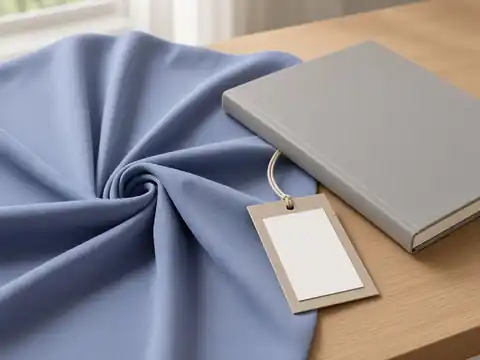
When a tech pack says nylon/spandex and a European hangtag says polyamide/elastane, treat the words as aliases first. Then match the printed percents to the brief.
A fiber percentage label is a disclosure of those shares by weight. Fiber content lines still do not prove hand feel, opacity, or a stretch-percent score by themselves.
What “80/20” nylon–spandex talk usually means
Catalog language often treats an 80% nylon / 20% spandex line as a high-stretch performance ratio, and a 90/10 line as a milder stretch comfort ratio.
That talk is useful for first screening. It is still talk, not a lab sheet for every cloth that prints nearby numbers. Swim-sewing communities often mention nylon/spandex or poly/spandex programs around 15–20% spandex as a working range they have seen in production rooms.
Higher spandex shares usually mean more stretch language in catalogs. Lower shares usually mean lighter give. Knit construction, yarn covering, and finishing still change how the cloth feels on a body, so two 80/20 knits can sit differently in a fitting room.
If your brief already asks for roughly 80/20 nylon–spandex, use the ratio as a filter, then open a named card for width, weight, and construction. Do not invent a stretch percent the card never printed.
Where nylon–spandex cloth shows up
Close-fitting activewear, dance, yoga, and swim-adjacent programs are the places buyers meet nylon–spandex most often. Activewear / yoga use is the first shelf many mills show for this blend.
Leggings, sports bras, leotards, and many competition-style swimsuits rely on a smooth synthetic face plus an elastic share. Shapewear and compression-style garments also sit in that family when the brief needs firm snap against the body.
Everyday athleisure borrows the same blend when a brand wants a sleeker hand than cotton-spandex. The job still decides the cloth: a lounge pant and a race swimsuit can share fiber names and still need different weights and finishes.
A double-sided knit can show two finished faces on one cloth, which matters when a sample brief asks for reversible or double-faced handle. Width / weight (GSM) cells on a mill card then tell how much goods sit across the table and how heavy a square feels in a stack.
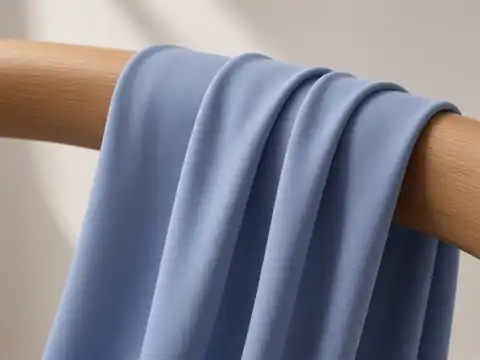
Summer questions come up often. Synthetic nylon–spandex manages moisture differently from cotton; many educational pages call out relatively quick drying with less airiness than a loose natural knit. That is a comfort trade-off to test on sample, not a medical claim.
Choose this double-sided nylon-spandex product as a worked example
This published card prints composition, double-sided type, width, and weight so a family reader can see nylon–spandex cells in one place.
The product on this site is 80% Nylon 20% Spandex Double-Sided Fabric. It sits in the sportswear and yoga browse path and on the nylon–spandex hub as one concrete nylon-spandex row.
| Cell on the published card | What it prints |
|---|---|
| Composition | 80% Nylon, 20% Spandex |
| Fabric Type | Double-Sided |
| Carding / Process | Nylon-Spandex |
| Weight | 220 g/m² |
| Width | 152 cm |
The published card lists 80% nylon and 20% spandex, a double-sided construction, a width of 152 cm, and a weight of 220 g/m².
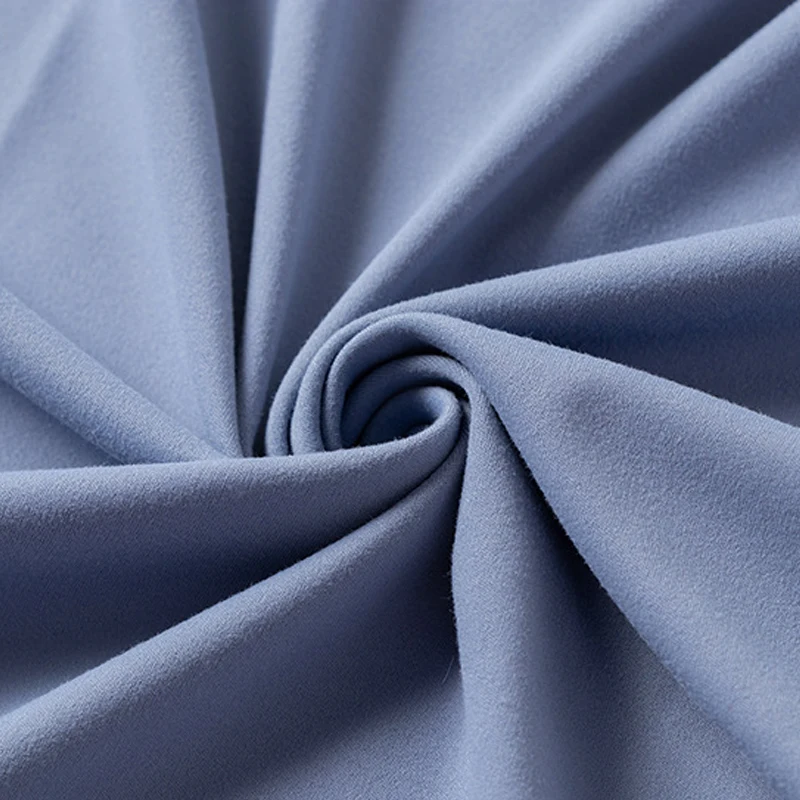
That sentence is the whole numeric story for this product on this page. The table does not print stretch percent, UPF, chlorine resistance, or a lab method. Marketing lines about mill history stay off the claim list.
Tip: Treat the printed cells as a sample brief starter. If your program still needs a measured stretch percent or a swim-chlorine story, ask for those tests separately instead of reading them into the composition line — source: Path① product table on 80% Nylon 20% Spandex Double-Sided Fabric.
Open the product page when the definition work is done and the brief already matches an 80/20 nylon–spandex double-sided ask with that width and weight. If the brief still needs blank-cell data, keep sampling until a card prints those cells or a lab report arrives.
Procurement teams often paste those printed cells into a sample sheet next to the garment sketch. That habit keeps the definition of nylon spandex, the fiber percentage label, and the product row on one page without turning the composition line into a fake lab report.
FAQ
What is nylon spandex fabric?
Nylon spandex fabric is cloth made from nylon blended with spandex. Nylon carries most of the structure; spandex carries the stretch share.
What is nylon spandex made of?
It is made of nylon (a polyamide) and spandex (the US generic elastomeric fiber). Some labels write polyamide/elastane for the same pairing.
What is nylon spandex used for?
Buyers meet it in activewear, yoga, dance, swim-adjacent garments, and other close-fitting programs that want a smooth synthetic face with stretch.
Is 80% nylon 20% spandex good?
An 80/20 line is common industry talk for a high-stretch nylon–spandex ask. “Good” still depends on the garment job, knit, and the rest of the card. One published example prints that ratio beside double-sided, width, and weight cells on the same table.
Is nylon spandex a good fabric?
It is a strong choice when the brief wants nylon structure plus spandex stretch in a close-fitting synthetic. It is the wrong first pick when the brief needs a soft cotton hand or a card that already prints chlorine or UPF data this blend page does not invent.
Is nylon spandex good for summer?
Many nylon–spandex knits dry faster than cotton and can feel less airy than a loose natural cloth. Test the sample in the real climate and activity rather than treating the fiber names as a season guarantee.
Is nylon spandex safe for skin?
Most buyers wear nylon–spandex next to skin in activewear every day. Skin comfort still varies by finish, fit, and personal sensitivity, so treat comfort as a wear-test question rather than a medical claim.
Why can a small spandex share stretch a mostly nylon cloth?
The elastic yarns can hold a looser nylon structure until the nylon yarns straighten under pull. That is why a small spandex percent can still change how the whole garment moves.