



















































































































Fabric Drying Rate Test: Methods and Quick-Dry Buying Checks
A fabric drying rate test measures how quickly moisture is removed from a textile under specified conditions. The result is meaningful only when the method, water challenge, environment and sample identity are known. It should not be treated as a promise that every garment will dry in the same time during wear. Buyers comparing quick-dry materials should separate drying rate from total drying time, liquid wicking and water-vapour resistance. Request evidence for representative finished samples, compare like conditions and confirm the intended garment through an appropriate development trial before turning a laboratory result into a product claim.
Start with the use you need to assess
Identify whether the question concerns a wet training top, a garment drying after care or a material comparison during development. These situations do not necessarily use the same assessment. Explain the intended use to the laboratory and ask which method addresses it. A quick-dry product description is a reason to request supporting information, not evidence that the material already meets an unstated performance requirement.
Record the proposed garment construction and any layers involved. A laboratory specimen may represent one component while the finished product contains seams, lining or overlapping areas. Keep the fabric-level question clear, and plan a separate garment trial where needed. This prevents a narrowly defined result from becoming an unsupported claim about the whole clothing system or every possible wearing environment.
Understand the heated-plate method’s scope
The public description of AATCC TM201 concerns a prescribed water challenge and fabric contact with a heated plate. This controlled setup differs from hanging laundry or wearing a garment outdoors. Ask the laboratory to identify the required edition and conditions and to follow the complete method. Keep the resulting report attached to the tested sample reference rather than quoting a number without its context.
Do not select a method merely because another supplier uses it in advertising. Explain the comparison and acceptance question first. If an alternative method is proposed, request the reason and check the buyer’s specification. Two tests can both concern drying while producing results that are unsuitable for a direct numerical ranking because the setup and reported endpoint differ.
Separate rate, duration and moisture movement
Drying rate describes change over time within a defined assessment. Drying time describes how long it takes to reach that assessment’s specified endpoint. A comparison needs both the quantity being reported and the way it was determined. Avoid assuming a shorter duration proves a better rate if the samples started with different amounts of water or were evaluated under different conditions.
| Question | Relevant evidence | Limit to retain |
|---|---|---|
| How quickly does moisture leave? | Defined drying-rate assessment | Method and environment matter |
| When is the endpoint reached? | Reported drying duration | Initial moisture and endpoint matter |
| How does liquid spread? | Suitable wicking assessment | Spreading is not evaporation |
| How does vapour pass? | Applicable vapour assessment | Keep it separate from liquid drying |
| How does the garment behave? | Representative product trial | Record fit, layers and use conditions |
This table separates purchasing questions and gives no conversion between tests. Ask the laboratory which evidence answers the actual brief. Do not combine unlike results into a single unexplained “breathability” score or infer a universal drying-time promise from an isolated material measurement.
Choose a traceable quick-dry material sample
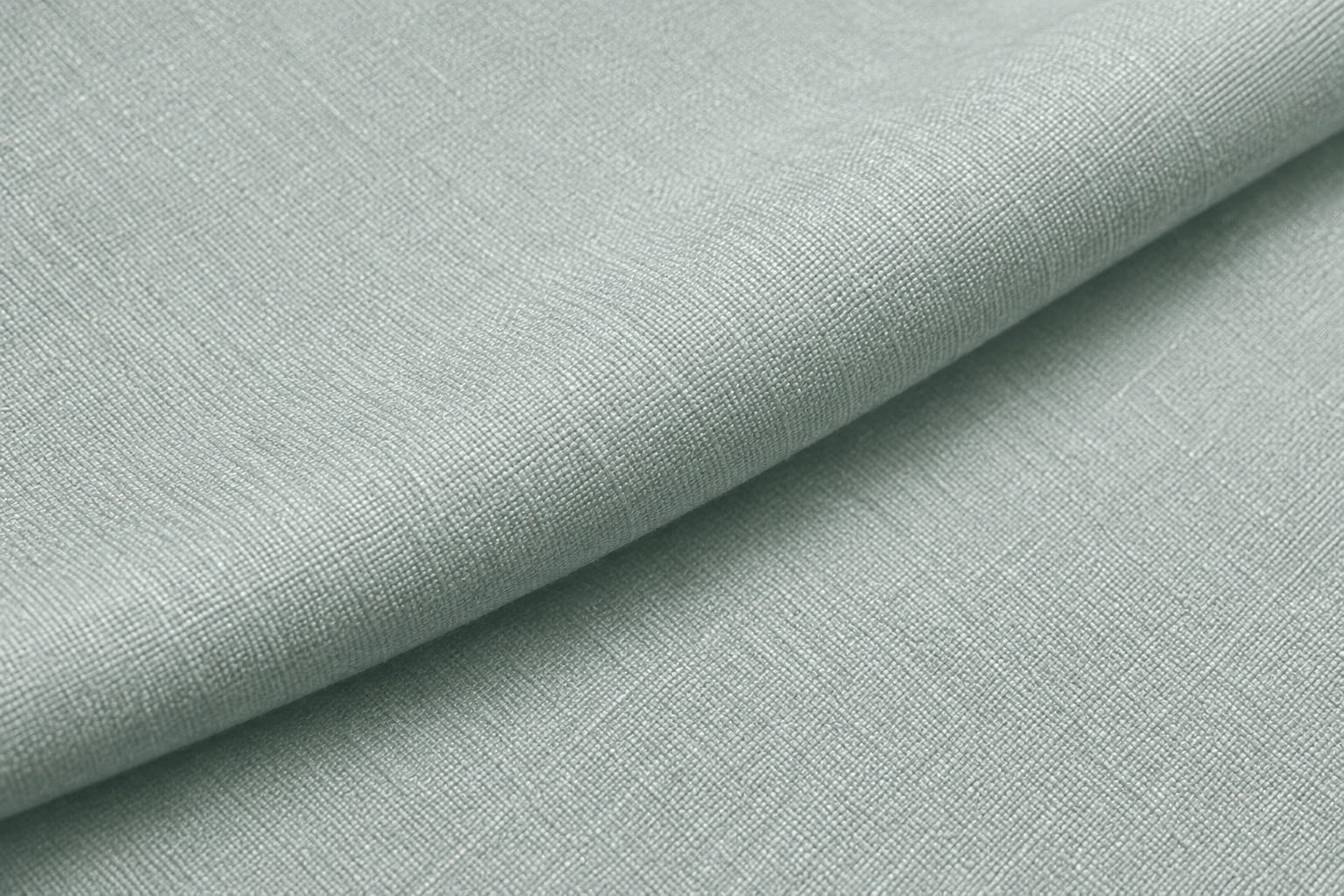
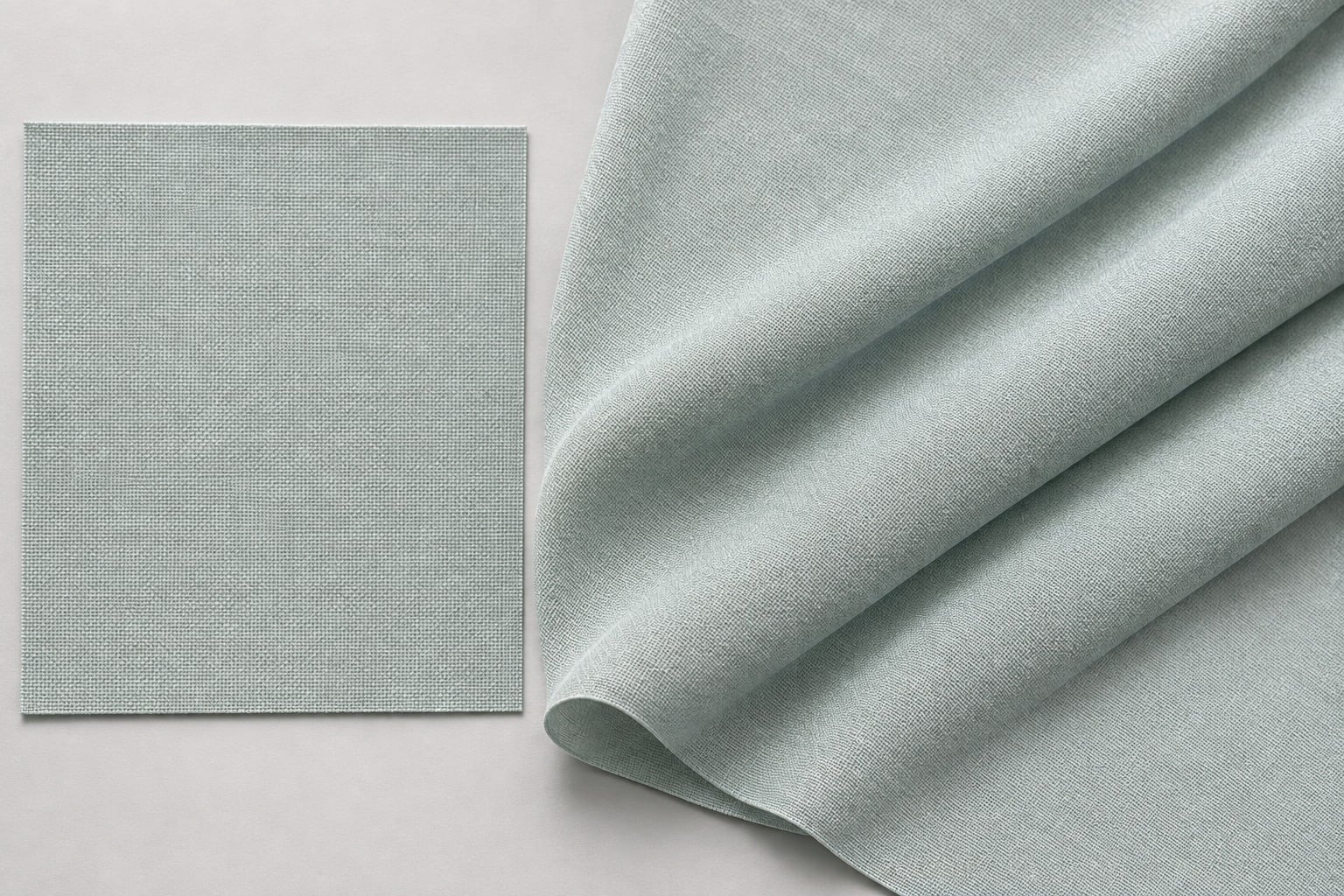
Shengchao’s quick-dry fabric product reference provides a concrete starting point for sample enquiries. The pale grey-green surface helps identify the proposed material visually. Confirm its current composition, construction and finish with the supplier, then ask for the evidence relevant to the buyer’s intended use. The product name and image do not establish a measured drying rate or a garment-level performance result.
Request a representative finished length with the product reference, colourway, lot and treatment history. Retain a matching sample and identify who selected it. If the supplier proposes several finishes, label them separately. A report from an earlier development version should not silently support a different production treatment, even when the two samples look similar in a photograph.
Connect testing with the broader moisture brief
The wicking versus quick-dry overview explains why moisture movement and moisture removal need separate attention. Use it to define the development question, then specify the actual test evidence required. A material can be discussed as moisture managing without every part of its behaviour being represented by a single measurement.
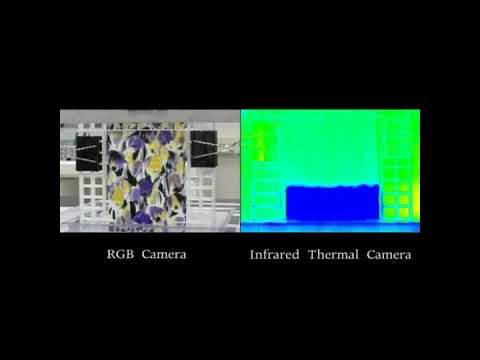
A Texas Tech University moisture-imaging project records wicking, static and drying stages using thermal imaging of cotton fabric. It offers a useful research example of separating stages and observations. It is not a certification method for Shengchao material, and its experimental findings should not be transferred to a different fabric without appropriate evidence.
Check conditions before comparing reports
Ask the laboratory to report the method, water challenge, environment, specimen arrangement and relevant endpoint. Keep the units with each value. If a competitor’s summary leaves out those fields, do not fill the gaps by guessing. Obtain clarification or arrange a matched comparison on retained samples. A neat spreadsheet is useful only when the underlying entries represent comparable questions.
When the same method is used, still check the sample state and any stated departures. Verify whether the fabric was tested as received or after a defined treatment. Keep the laboratory’s comments with the result rather than removing them for a shorter purchasing presentation. A qualification that affects interpretation belongs beside the value used for approval.
Keep fabric evidence separate from wearing behaviour
A research study on drying performance during wear examines how assessment context affects the interpretation of textile drying. This supports caution when translating a laboratory comparison into a wearer claim; it supplies no result for the product shown here. Match the evidence to the wording being proposed and identify any additional garment-level evaluation needed.
For practical development, specify the garment fit, layers and intended activity before arranging a trial. Record the environmental and use conditions instead of treating a single observation as universal. The trial can reveal a development issue worth investigating, while a controlled material test supports a defined comparison. Keep those two forms of evidence clearly identified in the release record.
Review other comfort requirements separately
The water-vapour resistance guide addresses another part of clothing moisture behaviour. A liquid drying result does not substitute for the appropriate vapour evidence. If both properties matter to the application, keep their methods and acceptance requirements separate. Avoid presenting a material as meeting every comfort requirement because one test produced a favourable result.
The fabric air-permeability guide concerns airflow through a textile under defined conditions. Use that result for its own question rather than inferring drying behaviour from it. A complete brief may require several assessments, but each should have a purpose connected to the intended garment and the buyer’s actual decision.
Plan after-care comparisons deliberately
If the requirement includes retained performance after washing, define the care process and comparison before testing. Identify the initial and treated specimens and use representative material. Ask the laboratory how the selected assessment should be applied to both states. A report from an as-received sample alone does not establish what happens after repeated care or another finishing process.
Keep any observed difference tied to the sample history. If the supplier changes the finish to improve another property, review whether drying evidence needs refreshing. Do not assume that approval of one property automatically approves the complete replacement. Discuss the full brief with the supplier and preserve the agreed decisions so later orders can be checked against the same reference.
Write an enquiry that produces usable evidence
Include the product reference, colour, lot, finishing state, intended garment and the precise question to be answered. Attach the customer requirement and identify the preferred method if one is specified. Ask for the complete report and its conditions, not a marketing summary. Provide a contact who can resolve uncertainty before the laboratory starts work.
Before bulk release, reconcile the proposed material with the sample and report used for approval. Keep any garment trial, retained reference and unresolved observations together. For repeat orders, define which changes require review and who may approve them. This creates a repeatable purchasing decision instead of relying on a general quick-dry label that different teams may interpret differently.
Where the evidence is incomplete, record the missing comparison explicitly and keep claims within the verified scope. Ask a focused follow-up question rather than requesting an unexplained pass certificate. A clear condition such as a missing sample identity or unmatched treatment history is easier to resolve than a broad request for “better quality.” Close each material change against the agreed reference before treating it as approved for production.
Watch moisture transport through thermal imaging
The Applied Vision Lab demonstration embedded on Texas Tech University’s project page shows infrared observation of moisture transport. It helps explain why researchers track stages over time. The demonstration is educational and concerns that research setup; it does not replace an AATCC test or establish performance for the fabric pictured in this article.
Frequently asked questions
Does fast wicking prove fast drying?
No. Liquid movement and moisture removal are different questions. Request the relevant evidence for each requirement.
Can two drying times always be compared?
No. Compare the method, initial challenge, conditions and endpoint before ranking the results.
Does a laboratory result predict every garment?
No. Garment construction and use conditions need their own consideration. Keep the claim within the scope of the evidence.
Should after-wash performance be checked?
Where the buyer requires it, plan a defined before-and-after assessment with traceable samples and care conditions.