



















































































































Benefits of moisture wicking fabric start with where the sweat goes
The benefits of moisture wicking fabric show up first as drier skin and a lighter shirt, because the knit moves sweat off the body instead of storing a soaked load the way a heavy cotton tee does. Moisture wicking clothing is that idea worn on a person, while a quick dry fabric claim is a later job with its own meaning. The path here runs from the hand feeling through cling, evaporation, and odor, then stops at one nylon-spandex tee card.
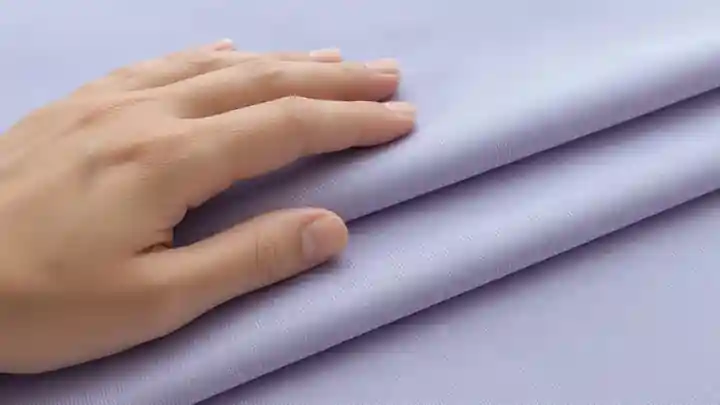
Start from a soaked practice shirt and name the feeling before you read any card. Then see which words a cloth card is willing to print beside it.
Drier skin is the benefit people can feel
Drier skin is the benefit people notice before anyone mentions a lab. Sweat leaves the surface, the knit carries it outward, and the shirt stays closer to a dry hand than a cotton tee that has drunk the same session.
Behind that hand sits capillary action. Narrow gaps between fibers pull liquid along, much as a paper towel draws a spill, so moisture can spread on the outer face and give the skin a break.
Cotton, in the sports-science account from the Sport Information Resource Centre, is absorbent and poorer at moving moisture out, while polyester spreads water. A gym commenter said the same thing without the textbook: polyester gym cloth is built to pass moisture through, and cotton holds it until the shirt feels heavy.
Check that weight with a hand. When cotton keeps the water, the tee hangs wet against the ribs and the lower back. When the knit moves the water, the cloth stays easier to keep wearing through the next set.
| What the hand notices | Cotton that holds water | A knit that moves sweat |
|---|---|---|
| Hang after a hard set | The shirt stores the session | Liquid moves toward the outer face |
| Skin mid-session | Damp cloth stays on the body | The inner face stays closer to dry |
| Memory the next morning | A wet load you still remember | A lighter shirt you barely notice |
Polyester is the fiber most gym stories name, and nylon shows up on tee cards for the same moisture job plus stretch. The benefit people mean is the drier hand.
Less cling and less rub show up in long sessions
Cling and rub show up once the session runs long. A shirt that stays wet sticks, then that same wet face rubs on every stride, row, or rep.
Workwear writing describes the shift-length version of this. Cloth that moves sweat away feels lighter and cuts cling and irritation, while cotton can stay damp and heavy for the rest of the day.
A long-run comment put a sharper edge on it. Sweaty cotton caused friction burns, and the synthetic shirt dried faster, so the rub faded with the dampness. The pain was the wet cloth moving on skin, over and over, rather than a mystery hidden in the fiber name.
On a tee program, the practical hope is fewer sticky patches under the arms and along the spine when practice keeps going. A hangtag cannot show that rub. Someone still has to wear the sample or at least flex it while it is damp.
Cooling talk is evaporation, not a colder core
Cooling talk is mostly evaporation doing an old job once the shirt stops blocking it so hard. Sweat has to meet air to carry heat off the skin, and a soaked cotton layer sits in the way.
The Sport Information Resource Centre puts clothing in that path as a barrier to evaporation. In mild to moderate work in warm air, some studies found lower skin temperature with synthetics. Core temperature, heart rate, and maximal oxygen uptake were not shown to differ in that same summary.
Most people in those studies also reported no significant comfort or exhaustion gap. For recreational exercise, the synthetic shirt helps keep you dry. It does not hand the wearer a performance prize.
Brand pages often fold a colder core into the same sentence as a drier shirt. The studies SIRC summarizes do not support that leap for easy workouts. Cooler skin and a drier hand can still be real while the inside of the body stays on its own course.
Heat-illness prevention still belongs to water, rest, shade, and the work plan. A drier shirt can make a warm hour more bearable. The safety steps stay in place beside the shirt.
Odor is a separate problem from moving sweat
Odor stays its own complaint even when the shirt moves sweat well. A drier back and a funkier locker can both be true after one workout.
A lifter on a workout thread said moisture-wicking synthetic shirts smell funkier than cotton after the same session. A gym thread added that tech polyester smells faster, while cotton holds odor less for all-day wear.
From the field: A lifter said moisture-wicking synthetic shirts smell funkier than cotton after the same workout — synthetic shirts and body odor.
Another comment treated smell as a laundry job. Synthetics pull moisture away so the skin stays cooler in that person’s telling, and washing is what handles the odor. Moving sweat, in that story, never erased the smell.
So a buyer who wants a fresher tee after the same class should ask about odor as its own line. The moisture benefit can be honest and still leave the hamper louder than a cotton shirt from the same hour.
Washing, rest between sessions, and any odor finish belong in that separate conversation. The wicking description on a cloth card does not settle them.
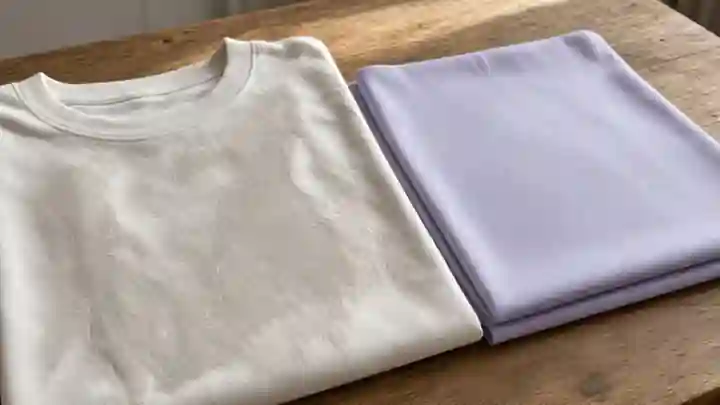
Set the two cloths on a table after a splash and the cotton one looks drunk while the nylon knit looks as if it handed the water onward. Smell is not visible in that picture, which is why it needs its own sentence in the sample note.
A nylon-spandex tee cloth prints weight and end use
A nylon-spandex tee cloth is where the wearer benefit becomes a card a buyer can hold. The useful printout is blend, width, weight, face, and end use.
The tee cloth card prints 95% nylon and 5% spandex, a width of 155 cm, and a weight of 200 g/m².
The face is matte. The page lists T-shirts, underwear, and sportswear. It also calls the cloth breathable and moisture-wicking, with high color fastness, and it describes stretch that follows the body.
The live page is T-Shirts & Activewear Nylon Fabric. The wider collection sits on the moisture-wicking fabric hub.
Read the card beside the feeling you already named. Drier skin and less cling are the wearer words.
Nylon, spandex, the printed width, the printed weight, the matte face, and those three end uses are the mill words. The card states neither a drying time nor how far a water line travels.
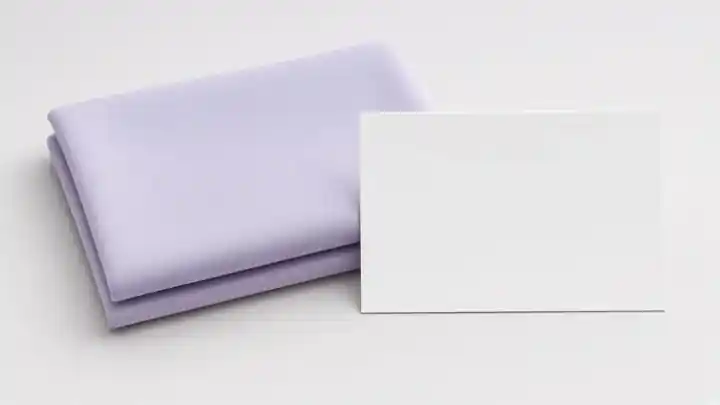
That gap is useful. A developer can sample the hand, the stretch, and the end use without pretending a dry-time result came with the photo. If a lab later measures drying, that result has to arrive as its own report.
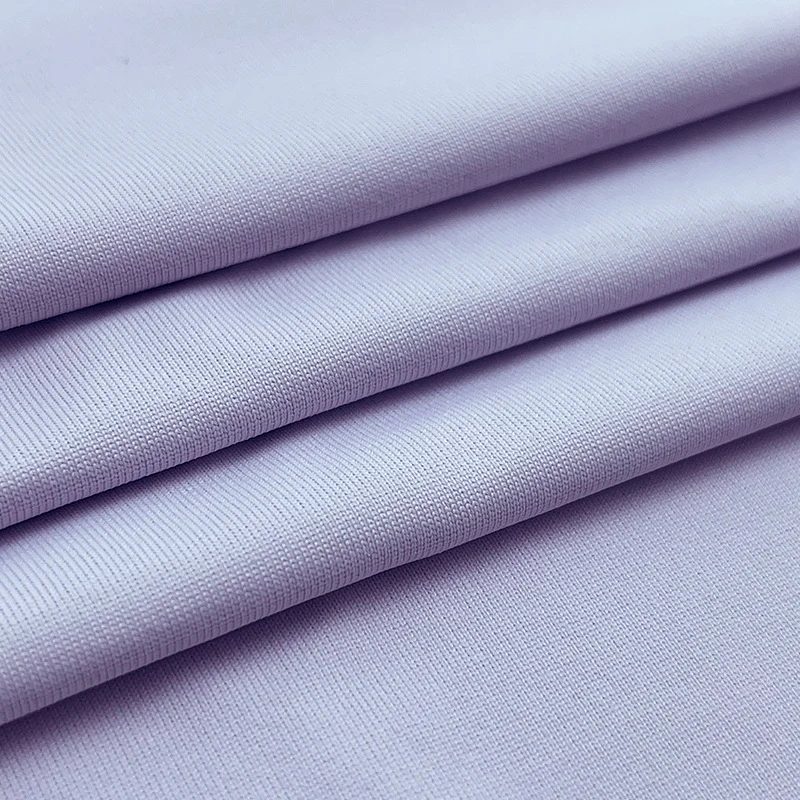
Color fastness on the page is a wash-color story. Sweat behavior is a different line. A bright gym color can stay bright and still need the moisture conversation written in plain words.
How a buyer writes the benefit into a sample request
A buyer writes the benefit as a hand feeling first, then names a method only if a lab is actually booked. The card already tells blend, width, and weight. The lab question does not replace that card.
Linked Sourcing points buyers to AATCC TM195 for liquid moisture management and AATCC TM197 for vertical transport, and neither method alone proves a dry time.
Moving liquid across the cloth and drying the cloth are different jobs. A quick dry fabric line on the note should say so in words, instead of borrowing the wicking sentence and hoping a lab will guess.
AATCC publishes the methods. Pointing at liquid moisture management asks how the cloth handles liquid across its faces.
Pointing at vertical transport asks how liquid climbs a hanging strip. Comfort, odor, and a full workout sit outside both questions.
| Sample note field | Wearer words to keep | Card words already printed |
|---|---|---|
| Hand feeling | Drier skin and less cling on a long session | Moisture-wicking wording on the page |
| Fiber story | Nylon with spandex | Blend on the card |
| Build | Width and weight as printed, matte face | Those measures and the matte finish |
| End use | Tee, underwear, or sportswear | The application line |
| Extra lab ask | Only the liquid-movement question you mean | Leave drying as its own later report |
Write the note in that order and the benefit stays attached to a real cloth. Skip the lab line entirely when you only need to feel the hand. Add it when a retailer will ask which method was used, and say which question that method answers.
A good note also names the session you care about. An easy gym hour, a long run, and a work shift stress a shirt in different ways.
The card can still be the same nylon-spandex knit. The wearer sentence should say which hour you mean.
Spandex on this card is the stretch partner in the blend. Say spandex in the note so the mill and the buyer share one word. Leave other stretch chemistries out of this page.
FAQ
Why do gym shirts use polyester or nylon instead of a heavy cotton tee?
Gym shirts use polyester or nylon because those cloths are built to pass moisture through, while a heavy cotton tee holds water and gets heavy. The drier, lighter hand is the reason people keep reaching for them. Odor can still show up later, and that is a different complaint.
Does moving sweat off the skin lower core temperature in easy workouts?
Moving sweat off the skin can help evaporation and, in some mild-exercise studies, cooler skin. Those same studies did not show a different core temperature, heart rate, or maximal oxygen uptake. For an easy workout, expect a drier shirt more than a colder core.
Why can a wicking shirt smell stronger than cotton after the same session?
Wearers say moisture-wicking synthetic shirts smell funkier than cotton after the same workout, and gym comments say tech polyester smells faster. Moving sweat and holding odor are different behaviors. Washing is the remedy those comments actually trust.
What should a wicking claim name before a lab sees the sample?
Name the wearer benefit in plain words, then name the method if a lab will see the cloth. Liquid moisture management and vertical transport answer different liquid questions. Say which question you mean, and keep a drying result for a drying method.
Does this nylon-spandex page print a dry-time number?
The nylon-spandex page does not print a dry-time number. It prints blend, width, weight, a matte face, and end uses for tees, underwear, and sportswear. It also describes a breathable, moisture-wicking hand and high color fastness.
Is quick drying the same job as moving liquid across the cloth?
No. Moving liquid across the cloth and losing that dampness afterward are different jobs, so a quick dry fabric claim needs its own words. A method aimed at liquid transport does not, by itself, prove how fast the cloth dries.