



















































































































Best antimicrobial fabrics, read as a shortlist not a winner
best antimicrobial fabrics is the question a buyer asks after sports knits and hospital linens have already been poured into one search. “Best” is asking which job the cloth must do, and only then which build can sit on a shortlist.
A published pique card can sit on that shortlist. It cannot crown the search. Pages that rank for the phrase often sell one silver chemistry, or they print a fiber list with no shared test behind the order.
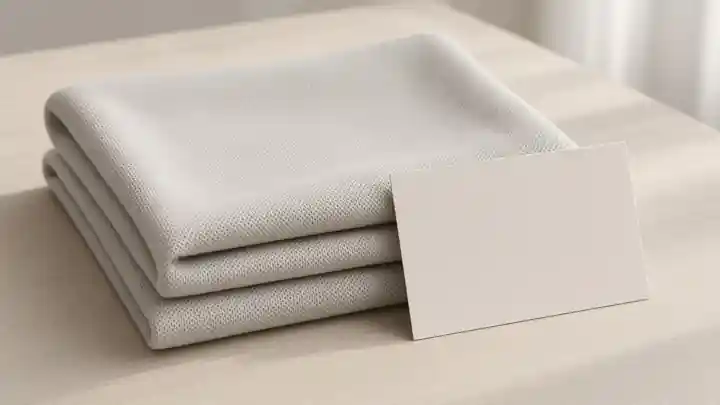
A shortlist starts with the job the cloth must do
A shortlist starts by naming the job, because an antimicrobial textile can be asked to protect a person or to protect the cloth. Those two requests travel together in sales language and come apart as soon as a buyer writes the end use.
A hygiene finish, in the textbook sense, protects the user against pathogenic or odour-causing microorganisms. Rotproofing protects the cloth from mould, mildew, or rot. Socks, linings, and goods that are seldom washed are the classic places that topic chapter names for odor from perspiration.
Awning cloth, tents, and rope show the other job in the same chapter. Weather and mildew attack the textile itself.
A buyer who wanted that job would be looking at outdoor industrial cloth. A wicking pique answers a different end use.
| Job | Who or what is served | Cloth that usually shows up |
|---|---|---|
| Hygiene finish | The wearer, or odor from perspiration | Socks, linings, sports knits |
| Rotproofing | The cloth, against mould, mildew, or rot | Awnings, tents, rope |
| Aesthetic odor control | Staining and smell on apparel | Underwear, socks, activewear |
Commercial pages start from a brand instead of from that table. One silver-chloride treatment is described as added at the finishing stage to inhibit odor-causing bacteria. Another page describes silver ions embedded by extrusion, and a third lists bamboo, linen, silver ions, copper, and merino as if the order itself were a result.
When silver or another biocide is incorporated into the fibre, that chapter says availability is limited and activity is reduced. That constraint is a limit on availability. The job question still comes first.
Silver inside a fiber is a different build from a coating
Silver inside a fiber is a build choice made while the fiber is formed, and a coating is a later layer on cloth that already exists. A laboratory explainer lists three routes: during fibre spinning, combined with dyes, or as a coating on finished products.
A wearer comment on a workout-clothes thread put the late-stage worry in plain language. The molecule activewear companies put in at the last stage of manufacturing, that commenter said, rinses out once you wash.
The comment stays a detergent story. It supplies no wash trial for this pique.
Extrusion stories on commercial fiber pages describe silver ions locked into the fiber so they are meant to stay through the life of the textile. Those pages also print efficacy figures and registration claims that belong to those brands. They do not transfer onto a different card.
Binding the agent into the fiber limits how available it is, which is the textbook caution. A buyer can still prefer that build when the worry is a treatment that washes off. The preference stays a hypothesis until a quantitative textile method is run on the actual cloth.
Odor control and infection control pull apart
Odor control and infection control share the word antimicrobial and then diverge. A trade article describes sportswear odor as microbes metabolizing sweat inside the textile, and it describes health-care textiles as a hope for lower transmission. The same article says earlier finishes mainly protected the material, while later buyers also ask for a hygiene effect.
From the field: A lifter said a moisture-wicking synthetic shirt smelled funkier than cotton after the same workout. Synthetic shirts and body odor
That lifter was comparing two shirts across one session, not ranking mills. A comment under the same post adds that sweat itself does not smell, and that hydrophobic synthetics can trap bacteria and oils that ordinary washing struggles to lift. Cotton, in the original post, finished the same workout smelling fresher.
Hospital linens, gowns, and curtains are a touch-surface story. A sports knit is a sweat-and-odor story. Stacking them under one “best” word makes both jobs look like one purchase.
The pique page markets odor control and antibacterial action in the same breath as moisture-wicking. That pairing sits closer to the sports complaint than to a hospital linen program. It still leaves the reduction figure off the page, and it names no organism.
Method names do not crown this pique
Method names do not crown this pique, because quantitative textile methods are procedures, and a procedure still needs a result on this cloth. The lab explainer says testing can support a marketing claim, and it also says a laboratory result should be read next to real use.
Testing blogs make a similar point in buyer language. A high reduction claim with no wash history is a weak document, and so is a result that names one easy organism while the sales line sounds broad.
This card prints no reduction figure, no wash history, and no organism list. A method name on a different website cannot rank it.
A mill brochure can describe antibacterial action, odor control, washability, conductivity, far-infrared behavior, radiation protection, and moisture-wicking. Treat that list as page copy.
A quantitative textile method would be a separate sheet, with the organism, the contact time, and the wash history written out. None of that sheet is on this page.
The pique card mixes cellulose, spandex, and silver polyester
The pique card mixes cellulose, spandex, and silver polyester, and it prints two names for one URL. The storefront title is Silver Fiber Fabric-Wicking Pique Fabric. The table calls the same cloth Antibacterial Moisture-Wicking Pique Fabric.
The pique card lists 91% regenerated cellulose fiber, 5% spandex, and 4% polyester with silver, about 1.75 m wide and about 180 g/m².
Regenerated cellulose fiber carries the hand and the moisture story buyers associate with plant-based knits. Spandex is the stretch component, and it is the word this market uses for that elastic fiber.
Polyester with silver is the slice of the blend where the page locates silver. Silver fiber fabric is the storefront title’s way of saying that slice.
| Line on the page | What a buyer can treat it as |
|---|---|
| Storefront title | Silver Fiber Fabric-Wicking Pique Fabric |
| Table name | Antibacterial Moisture-Wicking Pique Fabric |
| Marketing list | Page copy about antibacterial action, odor control, washability, conductivity, far-infrared behavior, radiation protection, and moisture-wicking |
| Workshop lines | Page copy about warp knitting, wash fastness, and UV resistance |
The silver fiber pique fabric sits on the anti-bacterial fabric hub with other cloths. The hub is a browse path. It supplies no lab sheet for this card, and it crowns no winner.
The two names are both on the page. Hiding either one would make the sample ask sloppy.
One name leads with silver fiber and wicking, and the other leads with antibacterial moisture-wicking. A buyer can quote both and still see that they describe one URL.
Conductivity, far-infrared behavior, and radiation protection sit on the marketing list beside odor control. They remain page copy. The missing reduction figure still matters.
How the sample ask stays honest
An honest sample ask repeats the printed blend, the width, the weight, and both names, then stops where the card stops. Page marketing can be quoted as page marketing. A smoother sentence cannot upgrade it into a lab sheet.
Before silver is sold in the United States as a biocidal active, the trade article says the active ingredient has to be registered with the EPA. That registration is a product question of its own. This card does not print a registration status, so the sample ask should leave the question open.
On the EU portion of that same article, biocide-treated fabric is discussed as a treated article, and the author calls that an important difference from a biocidal product. A US buyer can hear the difference without pasting either label onto this pique.
Where the published product card belongs
The published product card belongs on the shortlist as one silver fiber fabric with a printed blend, as one cloth among jobs a buyer might stack. A buyer matching a sports-odor complaint can read the odor-control line as page copy and still ask for a quantitative textile method. A buyer matching hospital linens can see that the card never prints a reduction figure.
Place it next to the hygiene finish when the conversation is about odor or the user, and next to rotproofing only if someone is actually buying cloth that must survive mildew. The pique’s moisture-wicking marketing makes the sports conversation the closer fit. That closer fit is still a reading of page copy, and it stops short of a completed test.
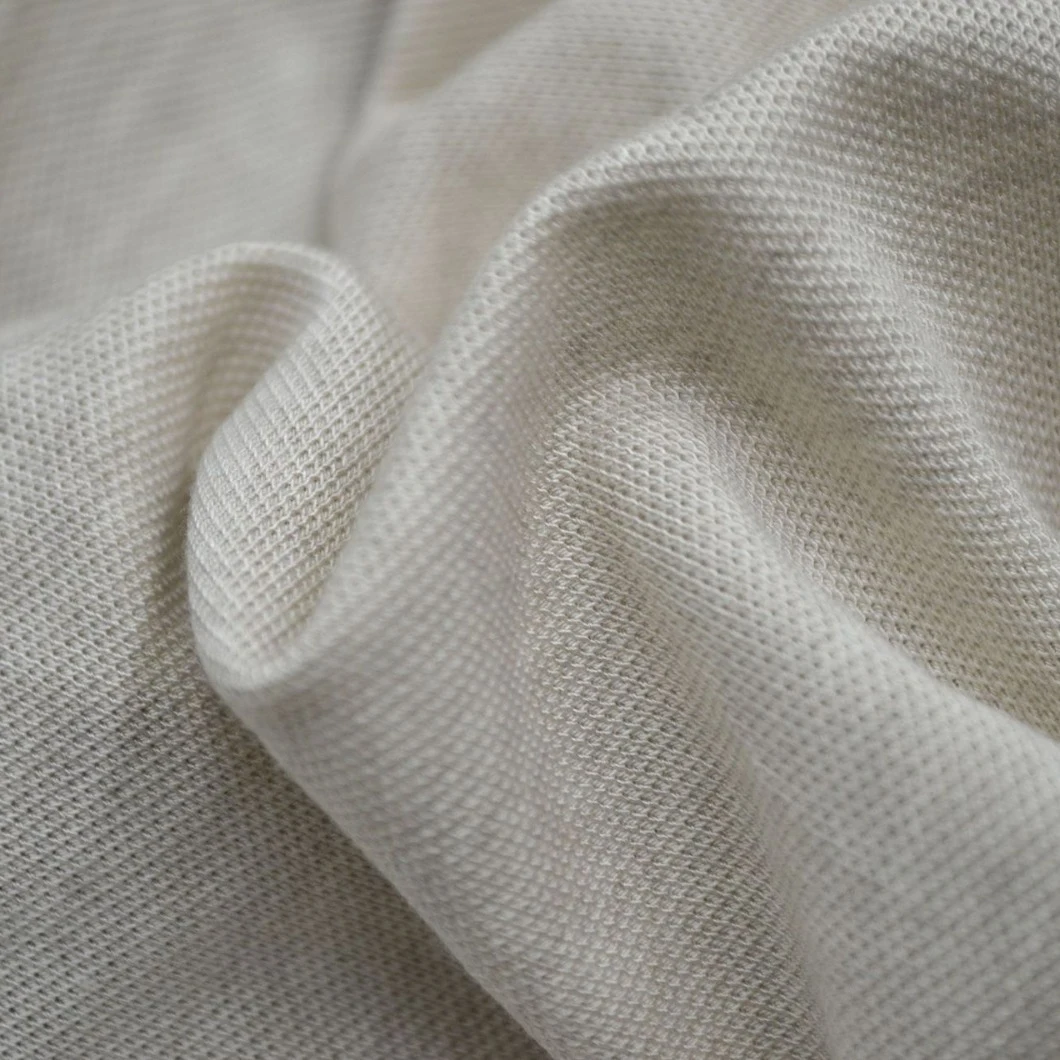
Quote the storefront title and the table name together when you request a sample, and quote the blend in the card’s own words. Link the silver fiber pique fabric as the cloth under discussion, and use the hub only as the shelf where related antibacterial cloths are browsed.
Leave medical-grade language, kill rates, and wash-cycle counts off the request. They are absent from the card. Adding them would turn a shortlist into a claim the page never made.
FAQ
Why do sports knits and hospital linens both show up in this search?
Both uses sit under antimicrobial language on trade and teaching pages. Sports knits are an odor problem from microbes on sweat, while hospital linens are a touch-surface problem. The shared word hides two jobs.
What changes when silver is named inside the fiber blend?
The silver is described as part of the fiber, in the polyester-with-silver slice, rather than as a coating applied after the cloth exists. Textbook notes say incorporation into the fibre limits availability. A coating story, including the wearer comment about a factory molecule that rinses out, is a different build.
Can a mill brochure replace a quantitative textile test?
A brochure can list marketing lines such as odor control and moisture-wicking. A quantitative textile method is a separate sheet that names the organism, the contact, and the wash history. This page offers the brochure lines and does not offer that sheet.
Why does the storefront title differ from the table name?
The storefront title leads with silver fiber and wicking. The table name leads with antibacterial moisture-wicking. Both names are printed on the same product URL, so a sample ask should carry both instead of collapsing them into one slogan.
Does this pique page print a bacterial reduction figure?
The published card prints the blend, the width, and the weight. It leaves the bacterial reduction figure off the page, along with any wash-cycle count and any medical-grade status.
When is a U.S. biocide registration a separate product question?
It becomes a separate question when silver is being sold as a biocidal active in the United States, because the trade article says that active must be registered with the EPA before such a sale. This card does not print a registration status. On the EU discussion in that article, a treated article is the label used for biocide-treated fabric, set apart from a biocidal product.