



















































































































Best Fabric for Bathing Suits: A Program Shortlist
There is no single winner for the best fabric for bathing suits—the shortlist changes with how often the suit meets chlorinated pools versus beach and resort wear. Soft nylon-spandex usually leads fashion and resort programs; polyester-spandex or PBT routes lead when frequent pool life comes first. The sections below rank those options, score selection criteria, and close with a mill nylon spandex swimwear fabric base you can sample for fashion bathing suits.
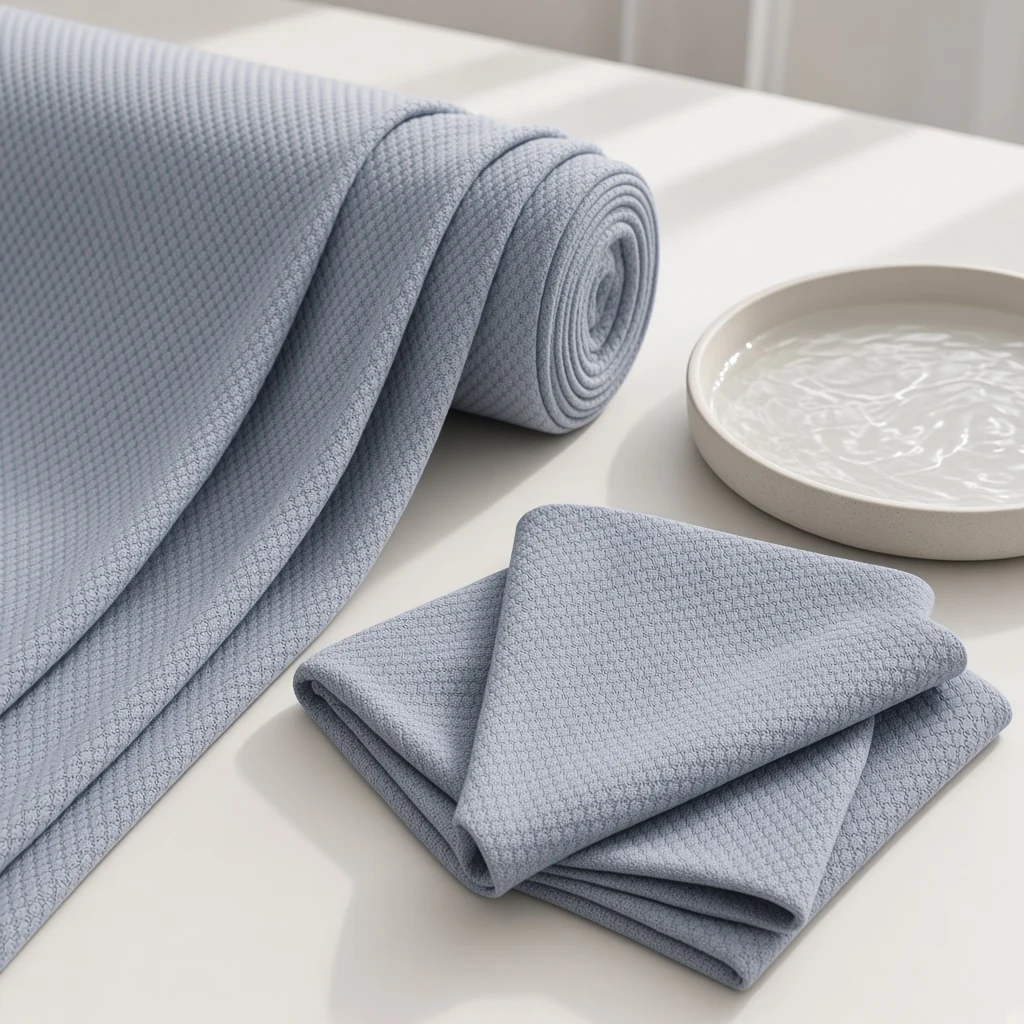
Why “Best” Depends on the Bathing-Suit Program
“Best” for bathing suits is a program match, not a universal fiber trophy. Choosing bathing suit fabric means ranking options against water exposure, wear frequency, and hand-feel priorities.
A fashion bikini capsule that prioritizes soft hand and resort drape will shortlist differently from a hotel spa line worn several mornings a week in chlorinated water. Education sources and Google’s overview for this query both split nylon-spandex fashion comfort from polyester or PBT durability for training and lap swimming.
If you still need fiber-by-fiber literacy after this shortlist, read the sibling notes on what fabric swimsuits are made out of without treating that page as a second “best fabric” ranking.
Bathing-Suit Fabric Shortlist: Nylon, Polyester, and PBT
For most bathing-suit programs, the practical shortlist is nylon-spandex, polyester-spandex, and PBT-leaning polyester constructions.
Nylon-spandex is the soft, smooth default for many fashion bathing suits and resort bikinis. Polyester-spandex is the stronger pick when chlorine, fade, and season-long shape sit higher on the brief. PBT (polybutylene terephthalate) appears in competitive and high-frequency pool routes because mills position it for harsh chlorine life, sometimes with firmer stretch and less reliance on ordinary spandex.
| Shortlist option | Best bathing suit material lean | Typical program fit |
|---|---|---|
| Nylon-spandex | Soft hand, fashion drape, resort comfort | Beach, resort, fashion bikini / one-piece |
| Polyester-spandex | Chlorine and color hold with stretch | Frequent pool, active swim, mixed hotel programs |
| PBT / poly-PBT routes | Highest chlorine-oriented durability story | Daily training, squad, long pool seasons |
| Recycled nylon or recycled polyester + spandex | Same family performance with recycled yarn stories | Brand sustainability briefs (qualify the full knit) |
Recycled nylon and recycled polyester can sit on the same shortlist when the brand brief asks for lower virgin-resource yarns. Treat “recycled” as a yarn origin story; swim stretch, wet opacity, and chlorine need still decide whether the knit belongs on your bathing-suit shortlist.
Selection Criteria Buyers Should Score First
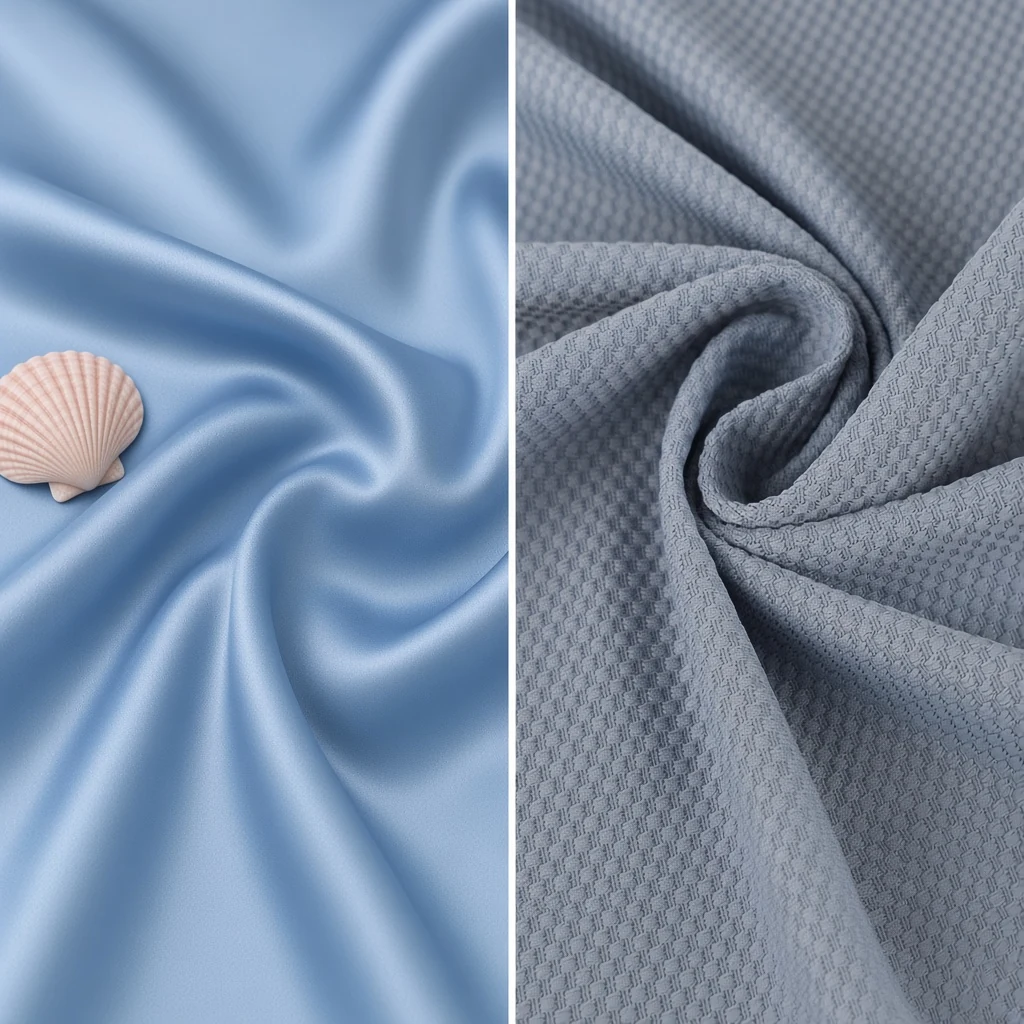
Score stretch recovery, stated swim use, weight/opacity, and chlorine need before you crown a winner.
Four-way stretch with clean rebound is non-negotiable for fitted bathing suits: the knit must move in width and length, then return instead of staying baggy when wet. Community buyers still remind each other that a familiar nylon-spandex hangtag is not enough—confirm swimwear is a stated use on the mill sheet.
Fashion bathing-suit fabrics often land near mid-weight knits in the roughly 180–200 g/m² education band used by manufacturers discussing resort goods. Treat that band as industry guidance, then read the GSM on the sheet in front of you. Pale or lightweight faces need an early swim lining plan so wet opacity does not surprise sampling.
Checklist for the first sample card:
- Fiber family and spandex percentage on the mill sheet
- Four-way stretch and recovery on both axes
- Stated end use naming swimwear or bathing suits
- Weight, width, and wet-opacity / lining notes
- Primary water environment: ocean/resort vs frequent chlorinated pool
- Whether recycled yarn claims are required
Beach and Resort vs Frequent Pool: Two Shortlists
Build two shortlists: soft nylon-spandex for beach and resort, chlorine-oriented polyester or PBT routes for frequent pool use.
Beach and resort programs stress sunscreen, salt, sand, and soft hand more than daily chlorine. That is where nylon-spandex usually wins as the best material for bathing suits aimed at fashion capsules. Frequent pool programs stress ordinary stretch yarns with chlorine, heat, and body oils, which is why polyester-spandex and PBT routes dominate durability briefs when chlorine resistance sits high on the scorecard.
| Program | Primary stress | Shortlist lean |
|---|---|---|
| Fashion beach / resort bathing suits | Soft hand, print clarity, wet comfort | Nylon-spandex swim knit |
| Mixed resort + occasional pool | Comfort first, moderate durability | Nylon-spandex or balanced polyester-spandex |
| Frequent chlorinated pool | Chlorine, fade, recovery loss | Polyester-spandex, PBT routes, or specialty chlorine-resistant spandex |
| Brand recycled brief | Same wear case + recycled yarn story | Recycled nylon or recycled polyester swim knits in the matching family |
Keep this page focused on the bathing-suit shortlist. For a broader swimwear selection map beyond bathing-suit ranking, see what fabric for swimwear.
A hotel spa line that sees chlorinated water several mornings a week should not share the same winning fabric as a once-a-summer resort bikini drop. Write the exposure assumption on the sample request so mills do not ship a soft fashion hand when you needed a chlorine-oriented construction.
Stretch, Recovery, and Ordinary vs Specialty Spandex
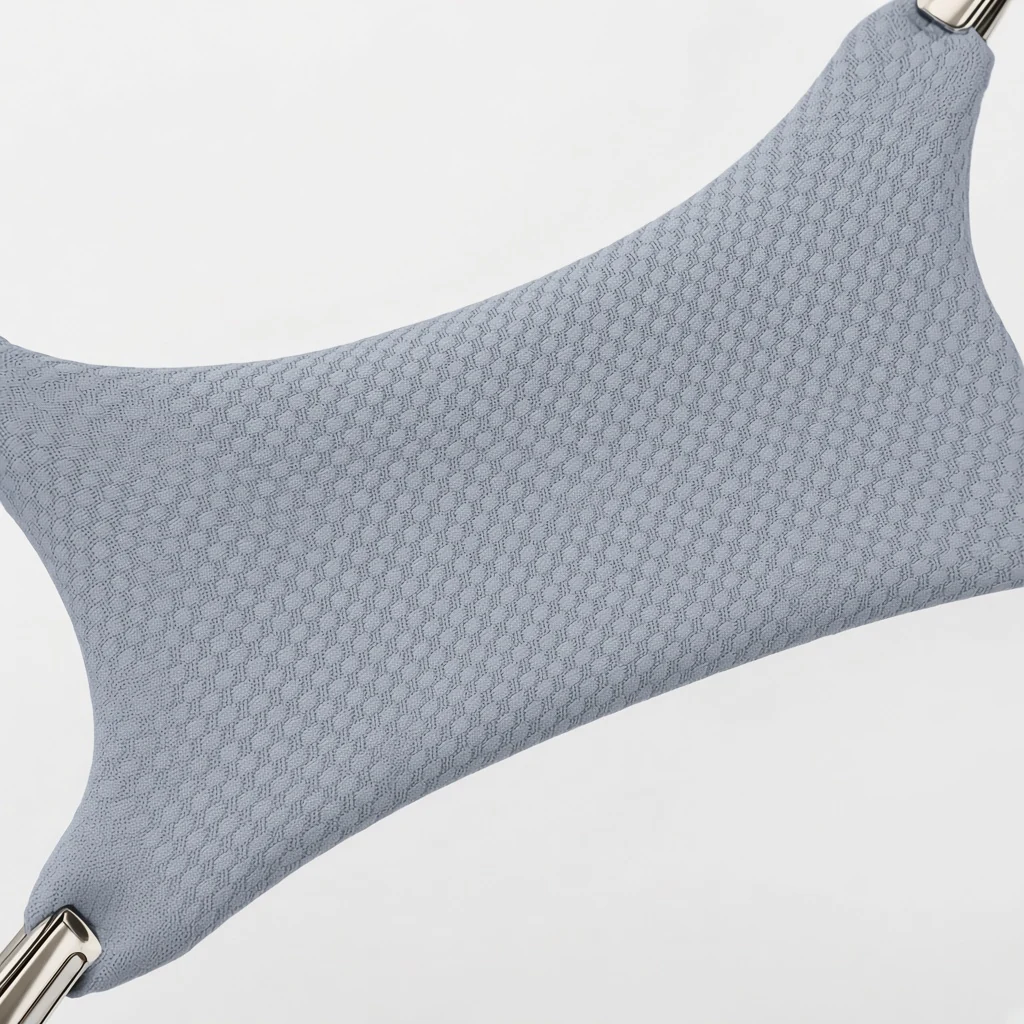
Spandex supplies the snap-back that keeps a wet bathing suit from hanging open; ordinary grades age faster under chlorine, UV, heat, and oils.
In North American tech packs, keep the word spandex for the stretch fiber. Specialty chlorine-resistant spandex grades—such as fibers marketed under LYCRA XTRA LIFE—are sold for longer pool shape life. Only claim a named specialty fiber when the SKU documentation names it.
When you pull a handloom, stretch both axes and watch recovery. Soft fashion knits can feel luxurious and still fail a daily pool brief if the stretch yarn is ordinary and the program lives in chlorinated water.
Lining, Opacity, and Care That Protects the Shortlist
Swim lining and simple rinse care protect the shortlist you just chose.
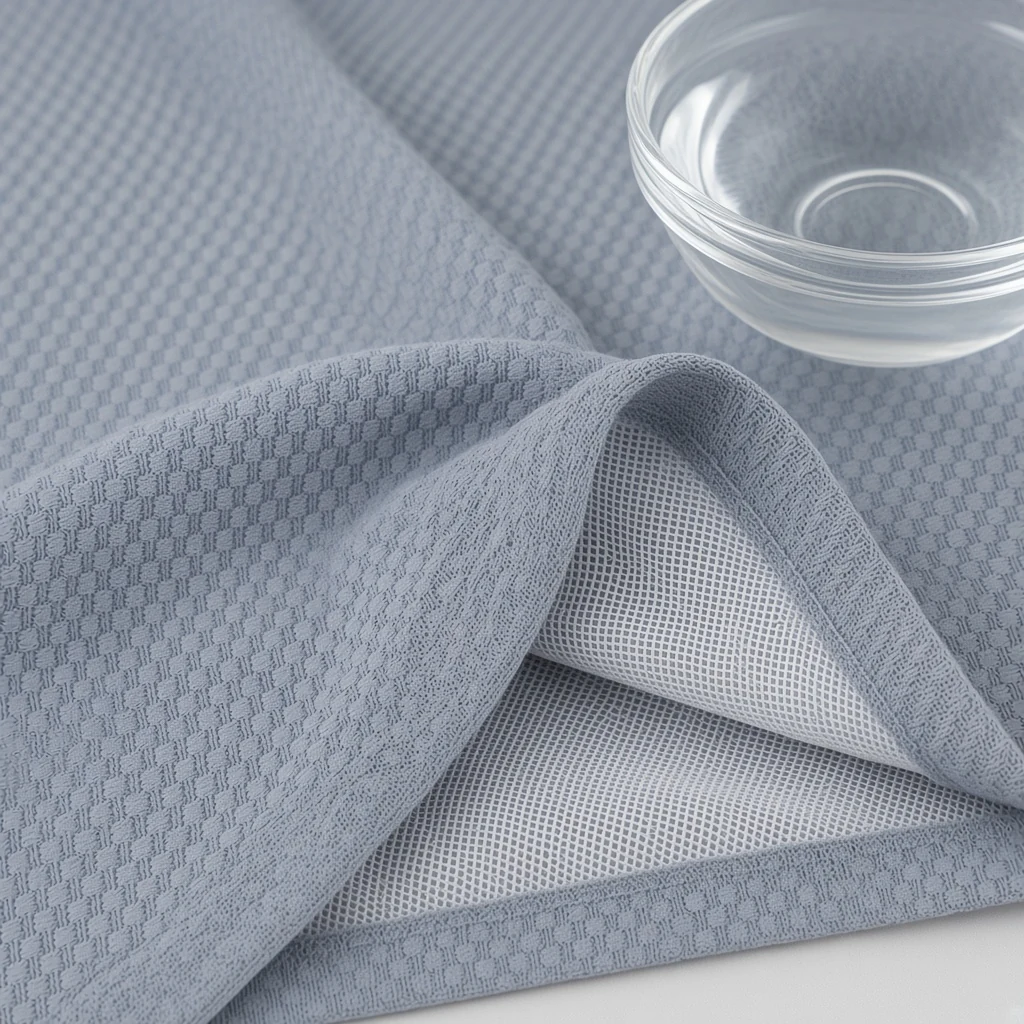
Swimsuits often look more sheer when wet, especially in pale colors or lighter knits. A lightweight swim lining or mesh in critical zones is the practical fix—ordinary apparel lining was not built for water. Pair that construction note with care: rinse bathing suits in cool fresh water after chlorine or salt exposure so residual chemistry does not keep attacking stretch yarns between wears.
Tip: Chlorinated pools keep consuming active chlorine through UV and oxidation of sweat organics, so the water stays chemically aggressive for ordinary stretch yarns (Physics Forums pool-chemistry thread). When a mill sheet omits pool-hour data, ask whether the stretch yarn is standard or chlorine-oriented, and whether the program is mostly ocean/resort or daily pool.
Soft Nylon-Spandex Option for Fashion Bathing Suits
Here is a soft nylon-spandex mill option that fits fashion bathing-suit shortlists.
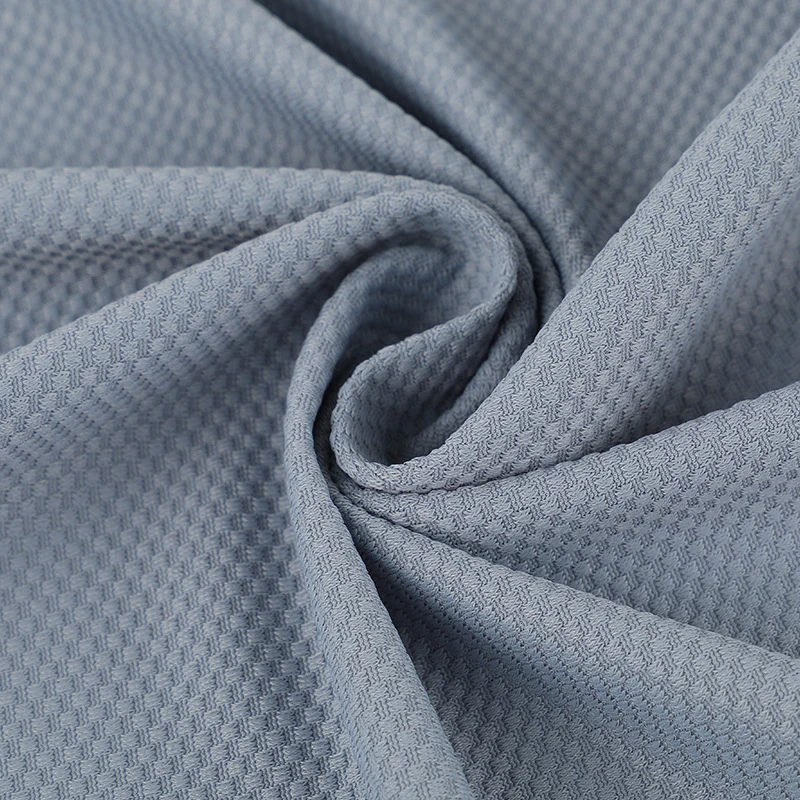
Shengchao’s Nylon Spandex Swimwear Fabric is specified at 84% nylon and 16% spandex, 180 g/m², and 160 cm wide.
That sheet sits in the soft nylon-spandex family shortlisted here for beach and resort bathing suits. The live product page describes soft, skin-friendly hand with wrinkle- and sun resistance language, plus eco-friendly dyes with colorfastness, wash fastness, and UV resistance claims. Browse the swimwear and bikini fabric hub when you need adjacent nylon-spandex or polyester-spandex options.
It is not the automatic pick for every heavy chlorinated training program. If daily pool shape life is the top KPI and the sheet does not publish chlorine-hour proof, qualify polyester-spandex, PBT routes, or named chlorine-resistant spandex before you commit. Sample questions and program notes can go through Shengchao Textile contact.
FAQ
What is the best fabric for bathing suits overall?
There is no universal best. Shortlist nylon-spandex for soft fashion and resort programs, and polyester-spandex or PBT routes when frequent chlorinated-pool life dominates.
Is nylon or polyester better for bathing suits?
Nylon usually wins on soft hand for fashion bathing suits; polyester usually wins on chlorine and color hold for frequent pool use. Score the program first, then pick the family.
What fabric do most fashion bathing suits use?
Most fashion and resort bathing suits lean nylon-spandex swim knits for soft stretch and drape. That pattern shows up across brand education and manufacturer shortlists.
Do I need chlorine-resistant fabric for every bathing suit?
No. Chlorine-oriented fabrics matter when the suit sees chlorinated pools often. Beach and resort capsules can prioritize soft nylon-spandex hand when pool frequency stays low.
What should I check besides fiber % on a mill card?
Confirm four-way stretch and recovery, stated swimwear use, weight and width, lining/opacity notes, and whether the primary environment is ocean/resort or frequent chlorinated pool.
Are recycled nylon or polyester good for bathing suits?
They can be, when the full knit is engineered for swim. Recycled yarn is a sourcing story; stretch recovery, wet opacity, and chlorine need still decide the shortlist.
Why does a suit lose snap after a pool season?
Ordinary spandex is stressed by chlorine, UV, heat, and oils. Rinse after wear, and escalate to polyester/PBT or specialty chlorine-resistant spandex when pool frequency is high.
Where does a soft nylon-spandex mill option fit?
A soft nylon-spandex knit such as Shengchao’s 84/16 · 180 g/m² bathing-suit base fits fashion and resort shortlists. It is not a substitute for published chlorine-hour training fabrics.