



















































































































How to Choose the Best Fabric for Yoga Pants
The best fabric for yoga pants is the knit that matches the class: nylon-spandex or polyester-spandex when the room sweats, and cotton-spandex only when the practice stays quiet.
The rest of this page splits those cloth families, then reads a spandex line and one live yoga-wear card.
Match the cloth to the class before you name a fiber
Match the cloth to how hard the class sweats before you pick a fiber name.
A hot vinyasa and a long yin hold put different work on the same pant. In a heated room the cloth has to stay comfortable while it is wet.
In a quiet hold the cloth mostly has to feel soft and stay out of the way.
Tester notes on yoga pants make the same split. They point buyers toward synthetic cloth once sweat is part of the class, and they leave cotton in the picture for gentle practice.
That is a class decision. It is still early to crown nylon or polyester.
A brand that samples one cloth for every yoga pant will feel the miss in the first hot class or the first quiet one. The hot class soaks a cotton hand.
The quiet class can feel over-built in a slick performance knit. Start with the timetable, then open the fiber list.
| Class | Cloth family | What the pant is doing |
|---|---|---|
| Quiet yin, restorative, or lounge | cotton-spandex | Soft hand for a practice that stays mostly dry |
| Studio flow with real sweat | nylon-spandex | Soft, strong knit for close-fit movement |
| Hot room or a very sweaty flow | polyester-spandex | The faster-drying option in these sources |
Nylon-spandex and polyester-spandex split the sweaty jobs
Nylon-spandex is the soft studio hand. Polyester-spandex is the cloth these sources point to when sweat has to leave the pant.
Nylon shows up as the smooth, strong base in yoga-pant explainers and in sports-clothing research. The same research describes nylon as holding more moisture than polyester and drying more slowly.
Polyester is the synthetic those reviews call the common sports fiber, and the yoga-pant pages treat it as the quicker dry for a hot room.
Neither base stretches the way a yoga pant needs on its own. Spandex is the fiber blended in so the knit can move and settle back into the leg.
A pant labeled only as nylon, or only as polyester, is missing that share.
Hand is the other half of this split. Nylon-spandex is the cloth buyers mean when they ask for a soft studio pant.
Polyester-spandex can feel a bit drier and crisper, which is a fair trade when the class is wet from the first sun salutation. A sampling room can order both and keep the cotton option off that table.
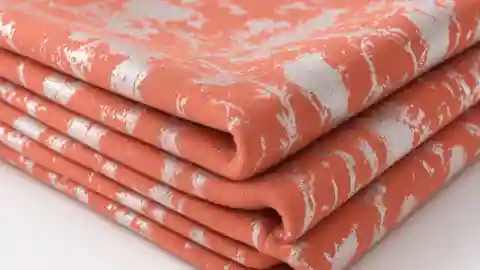
Opacity still waits on the knit, which comes later. A pretty nylon-spandex hand can still look thin if the cloth is light and the fit pulls it hard.
Write the class and the fiber family on the sample request, and leave room to check the knit in the hand.
Cotton-spandex still belongs in a quiet yoga pant
Cotton-spandex fits a quiet pant. It is a weak default once the cloth has to stay comfortable while wet.
Cotton takes up sweat and holds it. Sports-clothing research describes that sticky feeling in exercise, and yoga-pant testers say the same thing in plainer words: cotton absorbs, synthetics shed moisture faster.
A vigorous class in cotton-spandex ends heavy. A hot room makes that worse.
The quiet case is real. A forum shopper hunted for thin, light cotton-spandex yoga pants and complained that every similar pair had turned into heavy sweatpant cloth.
Another reply used light cotton pants for yoga and sleep because they felt easy and unbound. That is a lounge and restorative job, and cotton-spandex can fill it.
If the line will also see a sweaty flow, keep a nylon-spandex or polyester-spandex option on the same program. One cotton-spandex quality can serve the quiet pant and the sleep pant.
It should sit beside the studio cloth, with the class written on the ticket.
A spandex line names a fiber, not a grade
A spandex line names the stretch fiber and its share of the cloth. It does not grade the pant.
Covered textile labels in the United States name each fiber by its generic name and state that fiber’s share by weight. The fiber rules use spandex as the generic name for this manufactured fiber.
A label that says nylon and spandex is doing that naming job. A hangtag that says “performance” is doing a different job, and it can be empty.
People also say Lycra when they mean this fiber. In the tester notes, Lycra is a trademark attached to spandex.
On a mill card and on a garment label, the word that travels is spandex. Ask for the generic name when you compare two suppliers, so a trademark does not look like a different recipe.
The share still matters, and it matters as a printed number on the card in front of you. Explainer sites publish bands.
Those bands are their rules of thumb. They are outside this page.
The only shares used here are the ones printed on the yoga-wear card below.
A thin knit under tension is what looks sheer
Pants look sheer when a thin knit is pulled. The fiber name alone does not explain the mirror test.
Shoppers talk about thickness. On a parent forum, one buyer wrote that they size up so the fabric is not stretched too thin.
Nearby comments treat thickness as something you notice between brands in a fitting room. A coverage guide makes the same point from the mill side: two cloths can share a fiber list and still cover differently once the knit opens up under a squat.
From the field: A shopper told a parent forum they size up so the fabric is not stretched too thin (Need legging help).
That line is a fitting habit. It is also a sampling habit.
Stretch the swatch over a knee or a fist in the light you care about, in the color you will actually cut. A pale color shows more than a deep one.
A light knit shows more than a dense one. The card’s fiber line can stay identical while the hand changes.
Lightweight knits are the usual surprise. They feel pleasant on the table and then open up on the body.
If the pant has to pass a bend in a bright studio, ask for the denser knit in that fiber family and look at it pulled, with the class in mind.
Read the yoga-wear card before you sample
Read specific use, fiber shares, and the knit process on the card. Leave a blank cell blank.
The published card lists 80% nylon and 20% spandex, a weft-knit, and yoga wear as the specific use.
Those three cells already tell you the job this cloth was listed for. Yoga wear is the use.
Nylon is the majority fiber. Spandex is the stretch share.
The weave cell says knitted weft-knit, so you are looking at a knit for a close-fit pant, with the courses running the way a weft-knit does.
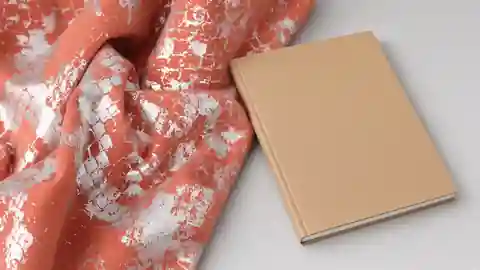
The face is a separate cell. Dyeing and finishing say printed.
The pattern craft says digital direct printing, and the printing style says abstract printing. The carding line says nylon bright.
You can like or skip the silver-coral look. The fiber line stays nylon-spandex either way.
One more cell is easy to over-read. The quality-standard line prints the words China National Standard (GB).
No standard number sits beside those words. Treat that cell as a printed line on this cloth.
It is a studio test result only if a later document says so, and this card does not.
Weight, width, and a stretch figure are absent. A buyer who needs them has to ask.
Filling them from a blog band would describe a different cloth.
| Card cell | What this cloth prints |
|---|---|
| Specific use | Yoga wear |
| Composition | 80% nylon, 20% spandex |
| Knit process | Knitted weft-knit |
| Face | Printed, digital direct printing, abstract printing |
| Yarn note | Nylon bright |
| Quality-standard line | China National Standard (GB), with no number on the card |
Choose this nylon-spandex yoga-wear cloth when the pant matches the card
Choose this nylon-spandex yoga-wear cloth when the pant wants that fiber line, that weft-knit, and a printed face.
The cloth lives in the sportswear and yoga range. Its card is the studio side of the split above: nylon-spandex, listed for yoga wear, built as a weft-knit.
The print is part of the offer. A program that needs a solid, unprinted face should say so before anyone ships a roll of this abstract print.
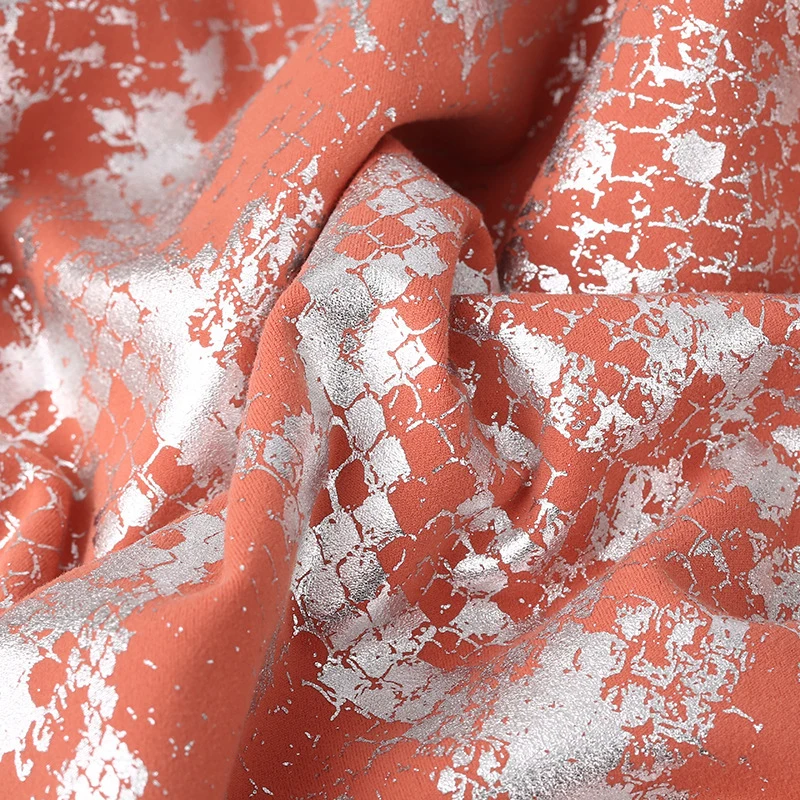
Open the nylon-spandex yoga-wear cloth and read the cells against the pant you are cutting. Then look across the sportswear and yoga fabric range if the class wants a different hand.
Skip this roll when the brief on your side says cotton-spandex for a quiet pant, or polyester-spandex because the room is hot and drying speed is the whole point. Skip it when the design is an unprinted solid.
Look at the card and you see a printed yoga-wear knit. A sample makes sense only after those cells match the style.
Weight, width, and a stretch figure stay blank here, because the card leaves them blank and this page adds nothing.
Check the fiber line, the weft-knit, the yoga wear use, and the print before you leave the card.
FAQ
What are yoga pants made of?
What are yoga pants made of is usually a nylon or polyester base with spandex, or cotton-spandex when the class stays quiet. The label’s generic names are the list to trust.
A marketing word on the hangtag can wait until those names are in hand.
What material are yoga pants made of?
What material are yoga pants made of depends on the class, so the material name is a starting list. Nylon-spandex, polyester-spandex, and cotton-spandex are the three families this choice actually uses.
The knit and the fit still decide whether the pant looks thin.
Should hot yoga pants use the same cloth as a yin class?
A hot class and a yin class want different cloth. Polyester-spandex or nylon-spandex belongs in the sweaty hour.
Cotton-spandex belongs in the quiet hour and in lounge pants that never see that heat.
Why do some synthetic yoga pants smell after a sweaty class?
Tester notes on yoga pants say synthetic cloth can hold smell after sweat. Their care note is simple: wash the pants inside out, with similar synthetics, and skip a crowded machine.
That note is about care. It is absent from the yoga-wear card on this page.
Does sizing up change whether a knit looks thin?
Yes. Shoppers size up so the fabric is not stretched too thin, because tension opens a light knit.
A denser cloth in the same fiber family can also change the result. The fiber names can stay put while the fit changes what you see.
Is a printed yoga knit still a pant cloth?
Yes, when the card’s use is yoga wear. On the example cloth the face is an abstract digital print and the fiber line is still nylon and spandex.
Judge the print as a look, and judge the pant job from the use, the shares, and the weft-knit.
Is Lycra a different fiber from spandex?
Lycra is a trademark people use for spandex. The generic name on a US label is spandex.
Comparing two cards in that generic name keeps a brand word from looking like a new recipe.