



















































































































Best fabrics for underwear, read against a nylon mesh card
The best fabrics for underwear split by how moisture moves on a quiet desk day versus a sweaty session, so cotton, modal, and nylon belong in different lanes rather than one ranked podium. Wearers argue about damp cotton, cooler modal, and slick nylon that can dry fast or feel sealed. Below, that contrast sits beside a live nylon mesh card whose title and table name diverge, and whose printed uses stay tees, casual wear, and sleepwear.
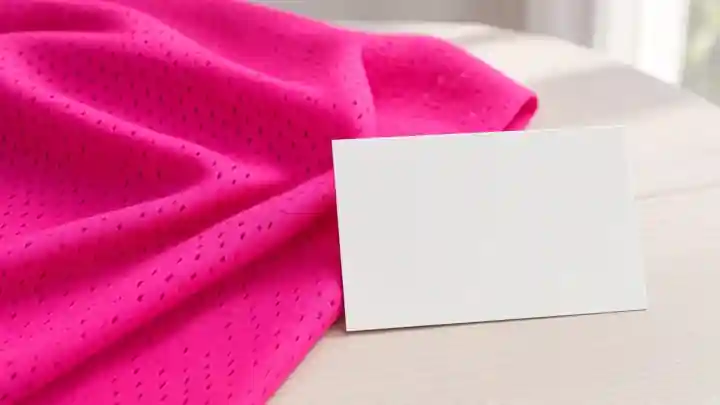
Daily wear and a sweaty session ask for different cloth
Daily desk wear and sweaty sessions call for different next-to-skin cloth.
Underwear fabric choice starts with the wear calendar before any fiber brand story. A long dirty commute with limited laundry favors cotton because many wearers still trust how it drinks sweat even when it stays damp. A hot run or packed training block pushes people toward nylon or nylon-forward blends that leave moisture sooner, as long as the knit does not seal against skin.
Modal often sits between those poles for people who want a cooler hand than heavy cotton without jumping straight into a slick synthetic brief. The decision is contrast movement across next-to-skin fibers: hold, cool, or leave. Procurement teams that ignore the calendar end up sampling one cloth for both lanes and blaming the mill when wearers disagree.
Keep the shortlist small. One cotton-led candidate, one modal-led candidate, and one nylon-led candidate already expose the moisture contrast without flooding the fit room.
A buyer who samples only one lane learns one handfeel and still misses why desk days and training days argue past each other in the same fitting notes.
| Wear day | Fiber lane that usually fits | Moisture story wearers describe |
|---|---|---|
| Long dirty desk or travel day | Cotton-led underwear fabric | Absorbs and can stay damp |
| Hot, sweaty session | Nylon-led or nylon spandex underwear knits | Leaves moisture; can feel sealed if too tight |
| Cooler everyday handfeel | Modal-led blends | Feels lighter than heavy cotton for many wearers |
Cotton holds moisture while nylon lets it leave
Cotton holds sweat in place while nylon moves moisture away faster.
Community fabric primers say cotton absorbs and holds moisture, while nylon stays smooth, strong, lightweight, and fast drying. That is why a cotton brief can feel heavy after hours of sweat, and why a nylon brief can feel dry sooner after the same session. Moisture movement is the useful contrast, ahead of any purity contest.
WearScore-style consumer writing also flags cotton’s retention during heavy sweat even while keeping cotton as a daily default. Nylon’s low-absorbency story is why mesh constructions show up in sport and travel drawers. The trade sits in handfeel: leaving moisture is useful until the knit sits so closed that air and vapor feel trapped.
From the field: In a MensUnderwearGuide thread on brief fabrics, one wearer says nylon dries fast and beats polyester on odor, while a tight synthetic can feel like a plastic bag; others stay with cotton or prefer cotton, modal, bamboo, or wool (Reddit discussion).
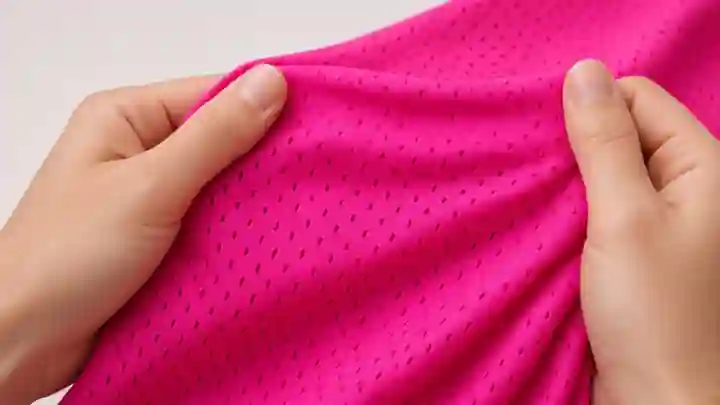
Spandex is the stretch share inside the blend
Spandex is the stretch share blended into nylon or cotton knits.
On US labels, spandex is the stretch share inside cotton, modal, or nylon cloth. A BeneathItAll fabric walkthrough treats spandex as the blended stretch fiber and reminds buyers that the first fiber on the label is usually the dominant one. Read nylon spandex underwear as nylon-led cloth with a stretch budget, not as “all stretch.”
When the stretch share climbs, recovery and cling rise with it. That can help a brief stay put under trousers, and it can also push a nylon knit toward the sealed, plastic-bag complaint if the construction is already dense. Ask for the stretch share as a fit tool, then judge moisture by the leading fiber.
Buyers who chase stretch alone often miss the moisture lane. A cotton-spandex brief still holds like cotton; a nylon-spandex brief still leaves like nylon. Spandex only decides how tightly that story wraps the body.
The table name says mesh while the title says skin friendly
The storefront title says skin friendly while the table prints mesh.
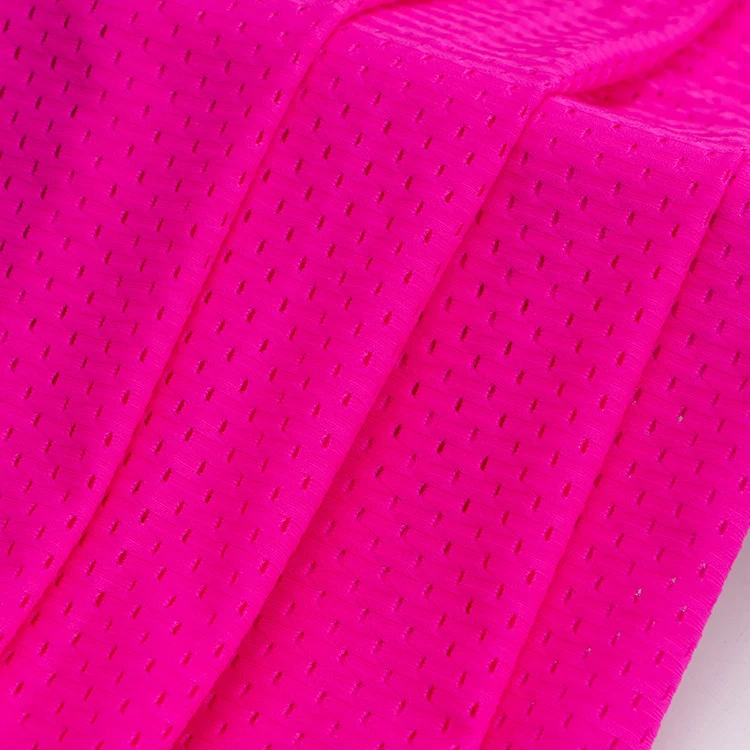
Open the live card and you will see storefront title Skin-Friendly Nylon Fabric above a table that lists Nylon Mesh Fabric. Keep that H1-versus-table-name difference visible when you brief a mill or a pattern team. Skin-friendly language speaks to handfeel marketing; mesh names a construction family buyers associate with open, lighter knits.
Neither label alone proves an underwear end use. They only tell you how the page wants to be found and how the row is titled in the spec table. Pair both names in sampling notes so nobody orders the wrong mental picture.
This card prints tees, casual wear, and sleepwear
Published lines on this card name T-shirts / casual wear / sleepwear.
The published intro calls the cloth skin-friendly, smooth, lightweight, and breathable for T-shirts, casual wear, and sleepwear. Category placement sits under Underwear & T-Shirt Fabric, yet the live card does not print underwear as an end use, and it does not print a moisture test or a mesh hole size. That gap matters for buyers who arrived from an underwear fabric search and expect the application line to mirror the category name.
The published card lists 84% nylon and 16% spandex, a width of 150 cm, and a weight of 170 g/m².
| Card field | What the live page prints |
|---|---|
| Storefront title | Skin-Friendly Nylon Fabric |
| Table product name | Nylon Mesh Fabric |
| Composition story | Nylon-led with a spandex stretch share |
| Width / weight story | Mid-weight apparel mesh width on the published card |
| Application print | T-shirts, casual wear, and sleepwear |
| Underwear end use on card | Absent from the printed application line |
Treat underwear interest as a buyer hypothesis to test, not as a claim the card already made.
When this nylon product fits a next-to-skin shortlist
Choose this nylon product when you need a published nylon-spandex mesh card for tees, casual wear, or sleepwear trials.
Use the Skin-Friendly Nylon Fabric page when you need those printed fields beside the fiber contrast above. Pair it with the Underwear & T-Shirt Fabric hub if you still need cotton-led or modal-led neighbors for the same shortlist.
How a buyer writes the next-to-skin trial
A careful buyer writes the next-to-skin trial around fiber behavior.
Start with the calendar: dirty long days lean cotton; sweaty blocks lean nylon-led cloth; cooler everyday handfeel often trials modal. Add the plastic-bag risk explicitly when the nylon knit is dense or high-stretch. Copy both product names into the trial sheet so merchandising title and mesh table name stay paired.
Ask wearers to score dampness after a desk block and again after a sweaty block on the same cloth. That single contrast captures cotton hold versus nylon leave better than a beauty-only handfeel vote. Record whether the knit felt open or sealed, because sealed nylon is where the plastic-bag complaint shows up even when dry-down looks strong on a hang line.
Then copy only what the card prints: tees, casual wear, sleepwear, nylon-led composition with spandex stretch share, and the published width and weight line. Leave blank any underwear claim, moisture-test number, or mesh hole size the page does not show. Finish by browsing adjacent options on the Underwear & T-Shirt Fabric hub after the nylon card, so the shortlist stays honest to printed evidence.
If the trial needs a cotton hand or a printed underwear end use, step away from this nylon card and keep searching inside the same hub rather than forcing the page to say what it never printed.
FAQ
Why do some wearers keep cotton for long dirty days?
Cotton absorbs and can hold moisture, which some people still prefer when laundry is delayed and they want the cloth to drink sweat instead of feeling slick. Community primers describe that hold as the cotton trade: comfort for many, damp heaviness after hard sweat.
When does a nylon brief feel like a plastic bag?
Wearers describe the plastic-bag feel when a synthetic knit sits tight, dense, or sealed against skin even if nylon can dry fast. Open mesh and a moderated stretch share reduce that complaint for some programs; closed high-cling nylon raises it.
Is modal the same plant fiber as cotton?
Cotton is a plant fiber taken from the boll; modal is regenerated cellulose spun from wood pulp. Wearers often say modal stays cooler while cotton can feel damp and heavy, which is a handfeel contrast rather than an identical fiber identity.
Why does the storefront title differ from Nylon Mesh Fabric?
The live page titles the product Skin-Friendly Nylon Fabric while the specification table lists Nylon Mesh Fabric. Marketing handfeel language and construction naming can sit on the same card without being the same string.
Does this page print an underwear end use?
The card prints T-shirts, casual wear, and sleepwear, even though it sits in the Underwear & T-Shirt Fabric category. Underwear remains a buyer trial question until an application line on this SKU names it.
What should a stretch percentage mean on the label?
Treat the stretch percentage as the spandex share that recovers the knit, while the first listed fiber still sets the dominant moisture story. On a nylon-led card, that means nylon drives dry-down talk and spandex drives cling and recovery.