



















































































































Best lining fabrics follow the shell, then the card
Best lining fabrics follow the shell they sit inside, and only then the fiber line printed on the card.
Start with the garment on the hanger. Move to the cloth that will live against the sleeve, the blouse, or the leg. After that, read the heading and the composition as two different lines.
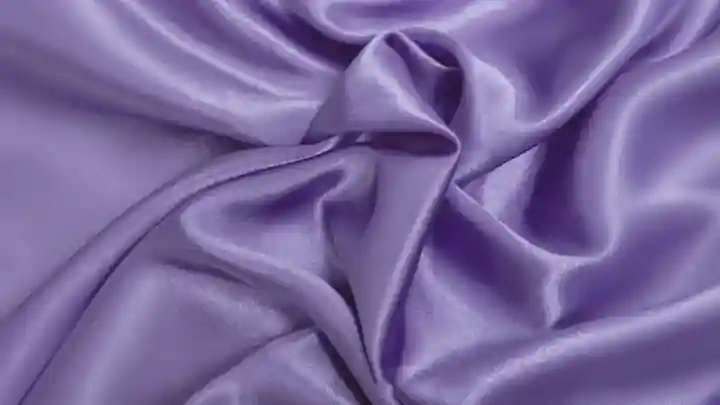
The shell garment sets the lining job
The shell decides whether the inside cloth must slide, cover, or warm before any fiber is crowned.
A coat on a hook already has a job for its lining. The sleeve has to pass over a shirt without dragging the cuff up the arm. That job is slip, and it shows up the moment someone puts the coat on in a shop.
A dress on a form asks for something quieter. The inside cloth has to hide the body where the shell is sheer, and it has to hang with the skirt instead of fighting it. Cover and a light hand matter more than a shiny show of fiber.
Blouses sit closer still. The inside cloth should disappear under a light fashion shell, so the blouse keeps the drape the cutter planned. A stiff inside layer will print its own shape through the front.
Sewers who write lining notes split those jobs by garment. A jacket has to slide, a skirt has to stay off the legs, and a coat may be asked to hold warmth.
The fiber comes after that split, not before it.
| Shell in hand | Inside-cloth job | What the face has to do |
|---|---|---|
| Coat or jacket that must slide on | Slip over sleeves and inner layers | A smooth face that lets the shell pass |
| Skirt or dress in dry air | Keep the shell off the legs | A face that lets go instead of grabbing tights |
| Light dress or blouse | Follow a soft shell | A light cloth that does not stiffen the drape |
| Close warm wear | Hold warmth, or let air move | Match the air job the shell already asked for |
Weight travels with the shell as well. Guides that teach lining tell the maker to keep the inside cloth at the shell weight or lighter, so the lining does not drag the garment out of shape. A heavy inside cloth on a fluid dress changes the silhouette the shell was cut to make.
Care travels with the shell too. A washable dress paired with an inside cloth that only accepts dry cleaning turns the whole garment into a dry-clean piece. The shell and the lining have to share a care story, or the easier cloth loses.
Stretch is the same kind of match. When the shell moves, the inside cloth has to move with it, or the lining locks the fit and can split at a seam.
The published twill card names polyester. Spandex is absent from that composition line, so a stretch shell needs a different inside cloth than this card.
Color sits under the same shell rule. Dresses and skirts usually want a lining close to the shell color, or a little quieter, so the inside cloth does not ghost through. Jackets can carry a contrast, because the lining shows on purpose when the coat opens.
A silk title can still print polyester underneath
The heading can say silk while the composition line names polyester, and the cloth is read from the composition line.
Pick the card up after the shell is clear. The storefront heading reads silk, and the sentence under it talks about polyester twill.
Those are two lines doing two jobs. The title is a name on the page, and the composition is the fiber statement.
The storefront heading reads silk, and silk fiber is absent from the composition line. Calling the fold silk would invent a fiber the spec does not print. The lilac cloth in the product photo is the twill the card describes, read as polyester.
When a card states a fiber, that name has to be the fiber in the cloth. US labeling guidance says a fiber statement uses the generic fiber name for the fiber that is actually there. A heading that says silk does not become a silk content just because it sits above the spec.
Structural linings can stay off a fiber label when nobody states a fiber. The moment a page, a hang-tag, or a spec names a fiber, that statement has to track the fiber in the goods.
This card does state a fiber. The fiber it states is polyester.
A trademark or a pretty title can sit beside a generic name, and the generic name still has to be there. A silk heading cannot stand in for the composition row.
Buyers who stop at the heading will order a story. Buyers who read the row will order the cloth.
Separate disclosure matters when both the shell and the lining are described. Even if two layers share a fiber, guidance says to state them apart once you talk about both. On this card the lining is the product, and the product’s fiber line is polyester.
Nothing in the years-and-machines paragraph tests that reading. Plant age and loom counts do not tell you whether the inside cloth will slip, cling, or breathe. The lining test, for this page, is the shell job plus the lines the card actually prints.
Slip, cling, and air sit on different lining jobs
Slip, cling, and air are three different jobs for the inside cloth, and a single fiber rarely wins all three.
Slip is the easy-on feeling a coat wearer notices at the sleeve. One coat thread puts it plainly: a polyester lining, like a silk lining, can let outerwear pass over the clothes underneath so the shirt cuff stays put.
Read that praise as slide. Warmth and air stay on their own jobs.
Cling is the opposite complaint, and it shows up when the air is dry. Skirts stick to tights, and a coat lining grabs a dress.
Sewers name synthetic faces, polyester among them, when they describe that grab.
From the field: A sewer lining a wool coat wrote that polyester linings tend to get sweaty and staticky — Polyester satin as a wool-coat lining
Coat linings can feel clingy when a polyester face meets dry winter air. The same thread points at viscose when the wearer wants a face that breathes and sits more quietly on skin.
Read the note as user language from a sewing discussion. It records a complaint, and it does not measure this card.
Turn next to air. A wool shell is often chosen because it handles moisture and temperature.
A sealed inside face can trap heat and sweat against the body, and the trapped moisture can feel cold once wind hits the coat. People who love wool and hate that feeling ask for a lining that lets the shell keep some of its air.
Viscose and acetate sit with cellulosic linings, while polyester is the durable low-regain option. Viscose is regenerated from wood pulp.
Acetate is a derived cellulosic fiber with a drier, cooler hand that tailors have long used in suit jackets. Polyester is the family guides call strong, washable, and weak on breath.
Cupro, often sold under the Bemberg name, is the breathable, low-cling family those same guides reach for when a jacket or dress has to feel finished and still let air move. It frays more easily and costs more, which is why volume programs still cut polyester.
The trade is real. A heading does not settle it.
Slip is the job some coat wearers still want from a polyester lining. Cling and trapped air are the jobs other wearers are trying to escape. Name the complaint before you name the fiber, or the card and the coat will talk past each other.
Acetate adds its own care limit. It dislikes high heat and some solvents, and many acetate linings are sold for garments that stay on a dry-clean path.
A washable fashion shell and an acetate lining do not share a laundry day. Polyester is often chosen because it will take the same wash the shell takes.
Dress weight and jacket weight do not travel together
A light dress shell and a coat shell ask the inside cloth for different work, so one weight does not travel between them.
Lay a blouse and a winter coat on the same table and the difference is obvious in the hand. The blouse is a light fashion shell, and the coat is built to hold shape and warmth.
The inside cloth has to follow the piece in front of you, not the piece you lined last season.
Dress linings on sewing guides stay light on purpose. Viscose, a quiet satin, cotton voile, or a light polyester show up because a heavy lining will weigh the skirt down and change the walk of the cloth. A fluid shell with a stiff inside layer stops looking like the shell.
Jacket linings are asked to be smooth first. Satin, viscose, acetate, and polyester all appear in that conversation because the jacket has to go on over a shirt.
Put smoothness first, and leave warmth for coats and for linings built to insulate, such as flannel-backed or quilted faces.

A coat that needs extra warmth is a different scene again. Fleece, a brushed flannel back, or a quilted lining adds bulk the dress never asked for.
Using that bulk inside a blouse would fight the shell. Using a tissue-light dress lining inside a hard-wearing coat can leave the inside collapsing and the sleeves grabbing.
Summer clothes and winter coats therefore leave the cutting table with different inside cloths. Guides send light dresses toward cotton, silk, viscose, or a light polyester, and they send cold-weather coats toward something that can add warmth or at least survive abrasion. The season is really the shell’s job, written in weight and air.
This published twill is described as lightweight and aimed at dresses, blouses, and fashion garments. That places it with the light fashion shell, not with a coat that is being lined for insulation.
A jacket that only needs a smooth slip can still be a conversation. A coat that needs a warm back is a different card.
Color and show-through follow the same split. A pale dress can reveal a dark lining, while a coat usually hides its lining until it is opened.
Match the dress lining so it stays quiet. Let the coat lining be a choice you see.
This twill card prints polyester, width, and a light cloth
The card prints polyester twill, a stated width, a light weight, and apparel uses for dresses, blouses, and fashion wear.
The published card lists 100% polyester, a twill weave, a width of 150 cm, and a weight of 75 g/m².
That line is the spec’s width and weight, read as polyester twill in a light hand. The rest of the card is qualitative, and the request should stay with those words.
| Card line | What it prints | How to read it |
|---|---|---|
| Storefront heading | Silk Lining Fabric | A title sitting over the spec |
| Composition | Polyester | The fiber the card names |
| Fabric type | Twill weave | The construction you can see in the fold |
| Dyeing process | Solid dyeing | Color applied as a solid |
| Pattern style | Plain solid color | No print motif named |
| Usage | Dresses, blouses, and fashion wear | The end uses the line names |
The usage line names dresses, blouses, and fashion wear. Those are apparel uses, and they match a garment lining for light fashion shells.
They do not name coats built for warmth, and they do not name bags.
Solid dyeing on a plain color means one color through the cloth, with no print motif named on the card. You are looking at a plain fashion lining.
A jacquard story sits outside this line, and a print program sits outside it too. If the shell needs a pattern on the inside, this line does not offer it.
The twill weave is the construction the fabric-type row names. In the product photo the fold shows a fine diagonal, and that diagonal is what you ask to see in a hand sample.
A plain weave or a satin face would be a different cloth, even in the same fiber.
Polyester lining fabric, on this card, is that light twill. It is the durable, low-regain family in a fashion weight, solid dyed, and cut for dresses and blouses.
Silk fiber is absent from the composition row, which is where the fiber is printed.
The lining fabric hub holds this card beside other lining cards, including a bag lining and a jacket lining. The fashion lining twill is the page where the silk heading and the polyester spec sit together. Read both lines before the cloth is sampled for a shell.
What the inside-cloth request should name
Name the shell, the job, the fiber line, the weave, the dye, and the end use, and the inside cloth stops being a guess.
A useful request starts with the garment, not with a fiber nickname. Say whether the shell is a dress, a blouse, a jacket that only needs slip, or a coat that needs warmth.
Garment lining is a job description. It still needs the shell attached to it.
Next, put a name on the complaint you want solved. Slip over a sleeve, less cling in dry winter air, and air through a wool shell are different requests.
Polyester will be praised for slip and blamed for cling or trapped air, depending on who is wearing the coat.
Put the fiber the way the composition prints it. Polyester lining fabric is the honest name for this card. If someone on the team says silk because the heading said silk, write the heading and the composition as separate words so the mill and the buyer are talking about the same row.
Add the weave and the color story in the same note: twill weave, solid dyeing, plain color. Those three words keep a satin, a print, or a jacquard from being substituted because the heading looked luxurious.
A hand sample should show the diagonal and the single color.
End uses belong in the same note. Dresses, blouses, and fashion wear are the uses this usage line names.
If the program is a bag, say bag, and leave this apparel line. If the program is a stretch shell, say so, and remember that spandex is absent from this composition.
Care can close the note without a lab sheet. Say whether the shell will be washed or dry-cleaned, and ask the inside cloth to live the same life. That single match prevents a light dress from inheriting a dry-clean-only lining it never needed.
Which published twill product belongs with a light fashion shell
The published twill belongs with dresses, blouses, and other light fashion shells whose inside cloth should stay light, plain, and polyester as printed.
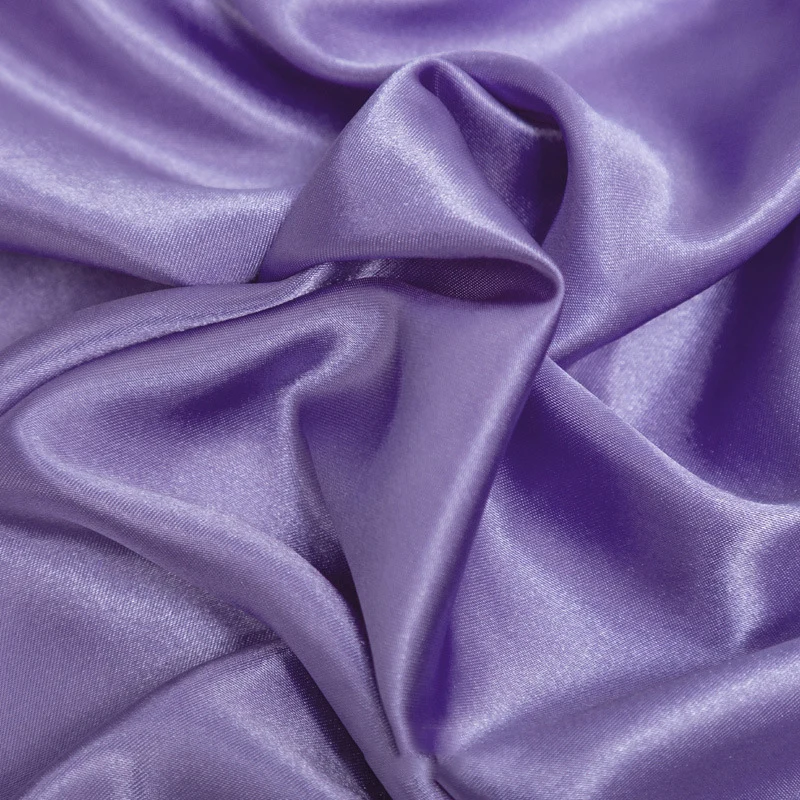
Use it when the shell is a dress, a blouse, or a similar fashion garment and the inside job is a smooth, light, solid-color twill. The composition line is the fiber, and the heading is the title.
Sample the cloth against the shell and see whether the hand stays light.
Leave it when the shell is a winter coat that needs a warm back, or when the program is a bag. Those uses ask for bulk, abrasion, or a different card. Leave it when the shell stretches and the inside cloth must stretch with it, because this composition does not name spandex.
A jacket that only needs slip can still be discussed against this face, with the cling and air complaints kept in view. The card itself points at fashion apparel. Let that usage line set the sample, and let the shell in the room decide whether the sample stays.
FAQ
Why do coat linings feel clingy in dry winter air?
Dry winter air lets static build on a synthetic face, and sewers describe polyester coat linings as sweaty and staticky. The cling shows up as a skirt or a dress grabbing the lining, which works against the slip a lining was meant to give. Viscose and cupro are the families those sewers name when they want the coat to let go.
Is viscose lining the same family as polyester twill?
Viscose lining belongs with the cellulosic family, regenerated from wood pulp. Polyester twill belongs with the durable low-regain family. They can both be cut as lining, and they still bring different air, cling, and care.
When does a bag lining leave apparel lining behind?
A bag program leaves this apparel usage line behind as soon as the end use is a bag rather than a dress, a blouse, or fashion wear. The lining hub lists bag lining as its own card. This card’s usage line stays with apparel.
What does solid dyeing change for a plain lining?
Solid dyeing on a plain color means the cloth is one color, and the pattern line names a plain solid rather than a print. You should expect a single fashion color in the hand sample. A motif, a jacquard figure, or a second color is outside what this line prints.
Does this page print silk fiber in the composition?
The composition line names polyester. The storefront heading reads silk. Silk fiber is absent from that composition line, so the fiber statement to follow is polyester.
Which end uses does the usage line actually name?
The usage line names apparel for dresses, blouses, and fashion wear. Those are the end uses printed on the card. Coat insulation and bag programs are not what that line names.