



















































































































Best UPF fabric follows the outdoor job, then the card
The best UPF fabric starts with the outdoor garment job, then the published sun-protective windbreaker card. Buyers type a UPF clothing fabric ask because hangtags taught them to hunt a number. Mill cards often answer with sun protective fabric language, fiber, width, and weight instead.
The useful path keeps the trail job first and the cloth card second.
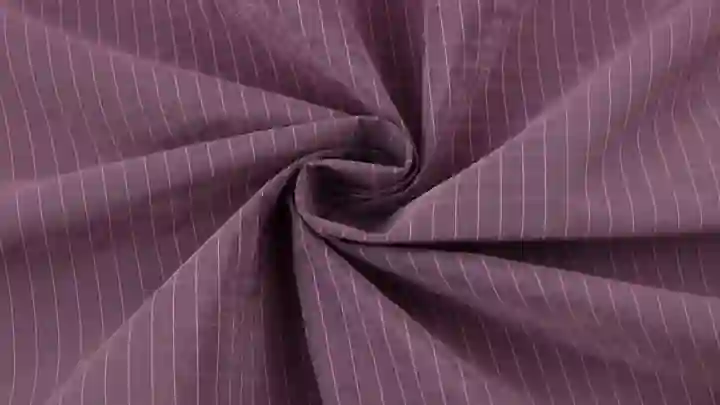
Outdoor tops and wind shells set the UPF job
Outdoor tops and wind shells name the garment job before anyone opens a mill cloth card.
A coastal hiking long sleeve asks for skin cover, breathable hand, and a cloth that still feels calm when the wind lifts. A light wind shell adds wind resistance and a crisp packable drape on top of that sun talk. Those two jobs sit next to each other in outdoor programs, yet they pull different silhouettes and trim plans.
Buyers who jump straight to a fiber slogan skip the scene that decides the cloth. Name where the wearer stands: open ridge, city commute, practice field, or loading dock. The place decides sleeve length, collar height, and whether a shell zipper matters more than a soft tee hand.
When the job stays fuzzy, “best” collapses into a shopping list of apparel brands. When the job stays sharp, the mill conversation can stay on cloth fields that match that day outdoors.
| Outdoor scene | Garment role | Cloth ask that follows |
|---|---|---|
| Ridge hike under open sky | Long-sleeve top | Soft sun layer with full arm cover |
| Windy shoreline walk | Light wind shell | Wind-minded polyester with packable drape |
| Weekend trail commute | Casual outdoor top | Easy hand with sun-oriented talk |
| Open practice field | Sportswear sun layer | Motion-friendly cloth for active hours |
Keep the scene sentence short enough that a product manager and a mill rep share the same picture. Shared pictures cut rework later when samples arrive with the wrong silhouette in mind.
A UPF label and a sun-protective line are different asks
A rated UPF label and a sun-protective marketing line answer different buyer asks on the same outdoor program.
UPF on clothing is a rated label system for how much ultraviolet light a fabric lets through to skin. Authority pages treat that number as a transmission story, with construction, color, fit, and coverage changing the result. A mill line that says sun-protective or UV resistance can still be honest marketing language without printing that rated number.
Retail education often splits the words further. Some pages treat “UV-resistant” as cloth durability under sun exposure, while “UV-protective” hints at skin shielding in looser language.
Buyers who ask for the best UPF fabric usually want the rated label path. Cards that only print sun-protective or UV resistance still serve programs that accept qualitative sun talk while lab work stays pending.
Write the ask in two columns on the sample note. Ask whether a printed UPF number is needed for sell-in. Ask whether a sun-protective cloth with published fiber, width, weight, and end use is enough for sampling.
Mixing those columns creates email loops. The mill answers the card it has while the brand still hunts a hangtag digit.
Skin Cancer Foundation literacy keeps the distinction calm: clothing can shield, yet fabrics differ, and makers sometimes provide UPF labels when they want that exact claim. Cleveland Clinic education lands in the same lane—look for a UPF rating when the program needs that rated signal, and still mind weave and fiber.
Cover and cloth weight change what light meets skin
Cover and cloth weight change how much light meets skin once the outdoor job is named.
Long sleeves, fuller panels, and higher collars shade more skin than a short casual cut. Public-health sun pages still put covering arms and legs beside hats and sunscreen for a reason. Cloth can only protect the skin it actually shades.
Weight and construction travel together in outdoor talk. A light windbreaker cloth can feel airy on a warm ridge yet still present a closed face that blocks wind.
A heavier woven cover cloth can feel stout and opaque while sitting in a different garment lane. Holding both jobs in one sentence usually confuses sampling.
Community shoppers already argue in that language. One Reddit thread on UV clothes and polyester put it plainly: UPF comes from weave density, thickness, color, fiber, and how stretched or wet the fabric is. That user sentence matches what authority pages teach without forcing a mill card to invent a rating.
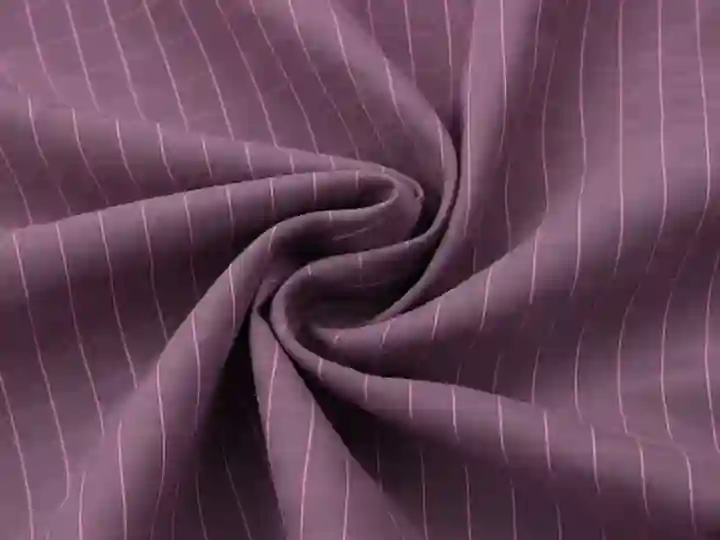
From the field: One Ultralight comment tied a stretched-out sun-hoodie fit to less UV protection after seasons of summer use. Keep stretch handfeel honest against the outdoor job. — source: Reddit Ultralight sun-hoodie thread
Wet hours and clingy fits also change the story. Authority clothing pages warn that wet or over-stretched cloth can let more light through.
Quick-dry polyester helps programs return to a dry face after sweat or spray. Still leave room for a rated UPF path when the sell-in story needs that hangtag.
Sportswear days and workwear days split the cloth ask
Sportswear days and workwear days pull different cloth asks inside the same sun program.
A sportswear day cares about motion, sweat, and a hand that stays calm through drills. The silhouette may chase stretch comfort and a soft next-to-skin feel. Sun talk still matters on open fields, yet the motion story often leads the sampling note.
A workwear day cares about shift length, abrasion at cuffs, and whether the cloth still looks tidy after laundry stress. Sun exposure may come from a dock, a yard, or outdoor logistics rather than a trail summit. The cloth ask leans toward durable polyester language and clearer end-use naming on the card.
Fashion and casual wear sit between those poles. A weekend outdoor top can borrow sun-protective language without needing a true wind shell zipper package.
That is fine when the brief says so. Trouble starts when a casual top brief quietly inherits shell expectations, or when a shell brief is written like a soft fashion tee.
| Day type | What the wearer does | What the cloth note should stress |
|---|---|---|
| Sportswear day | Drills, runs, open-field practice | Motion hand, sweat hours, sun-oriented sportswear use |
| Workwear day | Yard, dock, outdoor shift | Durable face, laundry stress, workwear sun layer use |
| Casual outdoor day | Weekend walk, light travel | Easy hand, fashion-friendly sun talk |
| Shell day | Wind on ridge or shoreline | Wind-minded drape plus sun-protective line |
Split the calendar before you split the fiber. Teams that share one vague “outdoor sun cloth” request often receive samples that please nobody. Teams that name the day usually get closer on the first submit.
This windbreaker card prints polyester, width, and a light weight
This published windbreaker card prints polyester, width, and a light weight, with sun-protective language and no UPF digit.
Open the published windbreaker card after the outdoor job is clear. The storefront title leads with Polyester Spandex and sun-protective cooling language. The overview table names the product Sun-Protective Windbreaker Fabric and lists composition as polyester only.
The published card lists 100% polyester, a width of 150 cm, and a weight of 65 g/m².
Application language on the same card names Tops, Casual Wear, Workwear, Fashion, Sportswear, and Outdoor Clothing. Body copy adds soft, breathable, wind-resistant handfeel, eco-friendly dyes, colorfastness, wash fastness, and UV resistance.
Those lines support a sun protective fabric conversation for light outdoor layers. They still leave the numeric UPF field blank on the page.
Read the composition line with labeling honesty in mind. FTC textile guidance expects fiber names on labels to match the fiber content of the goods.
When the composition line prints only polyester, leave any spandex percent off the sample note unless a revised card prints it. The storefront title can mention spandex for assortment navigation while the composition line stays polyester-only.
Workshop copy about years and machines stays marketing color. It does not replace a rated UPF label when a brand needs that hangtag for sell-in. Keep qualitative UV resistance language inside the lane the card actually prints.
Choose the Polyester Spandex sun-protective windbreaker product
Choose the Polyester Spandex Sun-Protective Cooling Fabric when the outdoor job wants a light sun-protective windbreaker cloth with published polyester fields.
The card already showed composition, width, weight, applications, and qualitative UV resistance. Use it for tops, casual outdoor layers, sportswear sun layers, workwear sun layers, and outdoor clothing briefs that match that light shell lane.
Browse the UV-resistant fabric hub when you want adjacent sun-cloth options after this windbreaker card. Keep this product as the light shell and tops reference for this keyword.
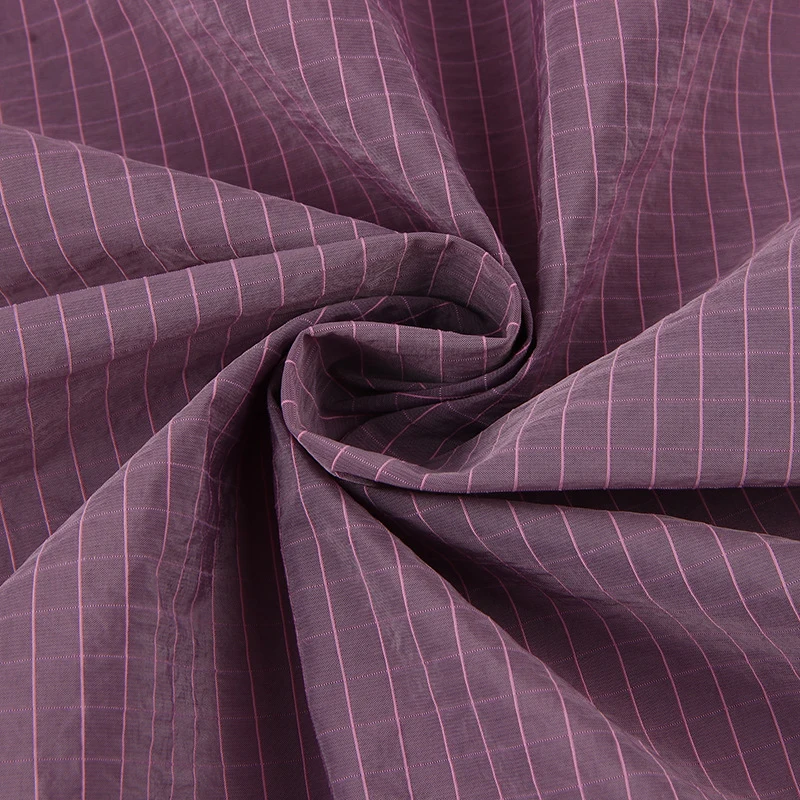
Sibling UV polyester pages can wait until the garment job truly needs that other handfeel.
What the sun-cloth request should name
Name the garment job, the fiber line, width, weight, end uses, and whether a printed UPF number is required.
Start with the outdoor scene and the silhouette. Say top, wind shell, sportswear layer, or workwear sun layer in plain words. Then copy the card fields you can defend: polyester composition, published width, published light weight, and the application list that matches your day.
Add the label ask as its own line. If the program needs a rated UPF hangtag, say that lab path sits outside the current card and must be booked separately.
If the program can move on sun-protective and UV resistance language, say that clearly so the mill does not stall waiting for a number the page never prints.
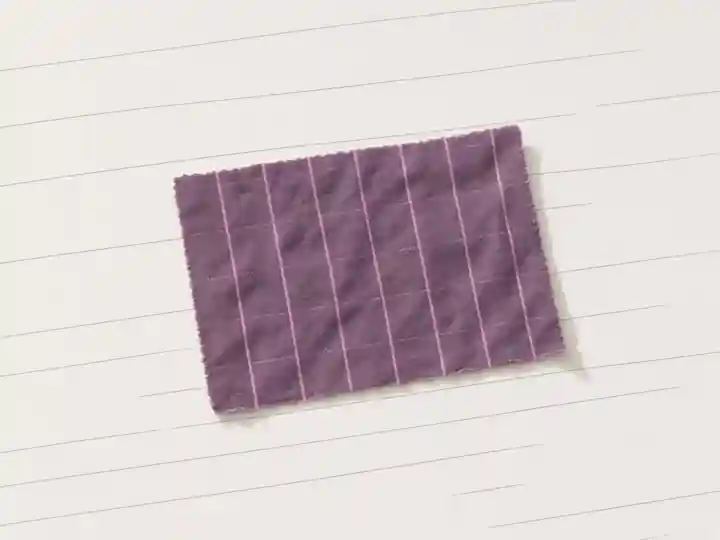
A clean request reads like a day outdoors, then a card. It names cover needs, motion or shift stress, and the difference between a UPF clothing fabric hangtag and a sun-protective mill line. That rhythm keeps email short and samples closer to the trail, field, or dock you pictured first.
FAQ
Why do buyers ask for UPF when a card only says UV resistance?
Buyers learn UPF as a rated clothing label, so they type that word even when a mill card only prints UV resistance. UV resistance here is qualitative sun language on the published windbreaker card. Keep the rated-label ask and the card language on separate lines in the sample note.
Does a windbreaker weight travel with a heavy woven cover cloth?
A light windbreaker card weight belongs with light tops and shells. Heavy woven cover cloth sits in a stiffer outdoor lane with different drape and packing behavior. Name the silhouette first so weight talk stays inside the right garment job.
Is spandex present when the composition line prints only polyester?
Read the composition line as the fiber statement for sampling. The storefront title may say spandex for assortment reasons while the overview table prints polyester only. Leave any spandex percent off the note until a card prints it.
When does casual wear leave a true outdoor shell behind?
Casual wear leaves a true shell behind when the brief drops wind resistance and packable shell hardware. Weekend tops can still use sun-protective polyester talk. Shell days need wind-minded drape and zipper plans the casual brief never named.
Does this page print a numeric UPF rating?
No. The published page prints sun-protective and UV resistance language without a UPF value. Book a separate lab path when the sell-in story needs a rated hangtag.
Which end uses does the application line actually name?
The application line names Tops, Casual Wear, Workwear, Fashion, Sportswear, and Outdoor Clothing. Match your day to one of those names before you ask the mill for a different silhouette family.
References
- Sun-Protective Clothing — The Skin Cancer Foundation
- Threading Your Way Through the Labeling Requirements Under the Textile and Wool Acts — FTC
- Does Sun-Protective Clothing Actually Work? — Cleveland Clinic
- A Sun Hoodie Comparison — r/Ultralight
- UV protect clothes but they are polyester? — r/PlasticFreeLiving