



























Colorfastness to Dry Cleaning: Solvent Reports and Suiting Checks
Colorfastness to dry cleaning describes how a textile’s colour resists a specified solvent-based test. It does not establish complete garment cleanability, finish durability or resistance to every stain-removal operation. For buyers approving suiting or other apparel, read the result with the named solvent, method and tested material. Confirm that the evidence matches the proposed care route and production colourway. A favourable colour result is one part of approval; the complete garment still needs appropriate assessment of appearance, dimensions and component compatibility before a care instruction is finalized.
Start with the proposed care route
Ask the garment team what cleaning process the finished item is expected to receive. Professional dry cleaning, professional wet cleaning and domestic washing are different routes. Do not select a laboratory report merely because its title contains the word cleaning. The required evidence must answer the actual care question for the product being developed.
Write the proposed route into the sample request and identify who will approve it. Where the route remains undecided, discuss the available options with the supplier and laboratory before testing. This is preferable to approving fabric against one process and later attaching an instruction that implies a different treatment. Preserve the eventual decision with the supporting reports.
Read the solvent-specific scope
ISO 105-D01:2010 addresses colour resistance to drycleaning with perchloroethylene. Its public scope excludes evaluation of finish durability and spot-removal resistance. It also explains that commercial cleaning can involve additional operations beyond the colour-fastness test. Keep these limits visible when discussing what a report establishes.
If the intended process uses a different solvent or different conditions, ask the laboratory which assessment is appropriate. Do not assume that the word drycleaning makes all reports interchangeable. Request the method reference, solvent and any deviations in writing. An unexplained result should remain an open item in the approval file until its relevance is established.
Separate colour change from other observations
Check the precise headings used in the laboratory report. Identify whether an observation concerns change in the original specimen, transfer to another material, or some other recorded effect. Preserve those labels rather than collapsing everything into a single fastness number. If the report includes supplementary observations, ask which are formal method results and which are additional information.
Also separate colour from surface appearance. A material can require review for texture, handle, creasing or construction even when its colour result satisfies the agreed requirement. Make those development checks explicit rather than implying that one colour assessment covers every visible change. This keeps purchasing discussions focused on the evidence actually available.
Use a report checklist that preserves scope
| Report item | Question to resolve | Approval record |
|---|---|---|
| Sample reference | Which product and colour were tested? | Match the order and retained swatch |
| Cleaning method | Which solvent and procedure apply? | Keep the full method reference |
| Colour assessment | What does each result heading mean? | Preserve separate observations |
| Finishing state | Does the specimen match production? | Identify the finishing lot |
| Additional care checks | What lies outside the colour test? | Record the separate evidence needed |
| Acceptance condition | Which customer requirement applies? | Agree it before bulk release |
The table organizes a buying review rather than prescribing test conditions or universal pass grades. Ask the laboratory to resolve missing details. Do not insert a threshold after seeing the result, and do not borrow a different buyer’s requirement without confirming that it suits this product and care route.
Request the actual suiting material
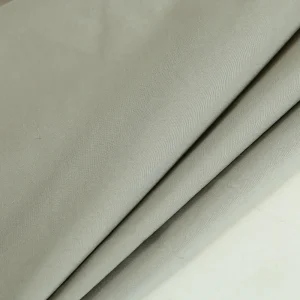
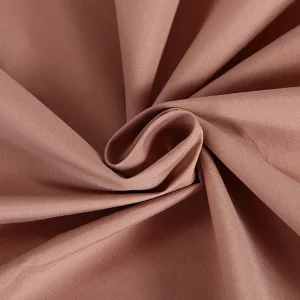
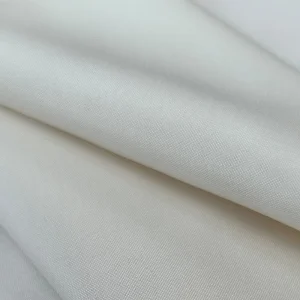
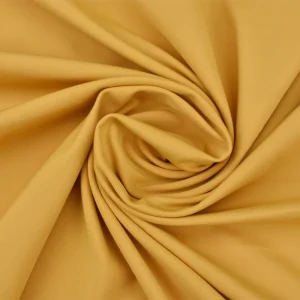
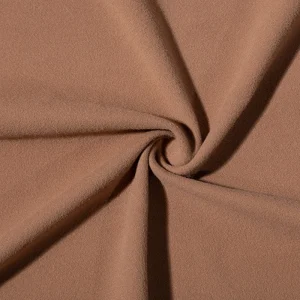
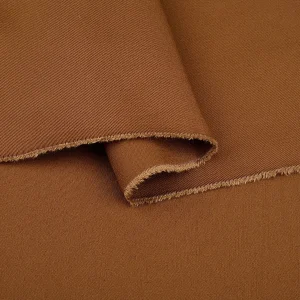
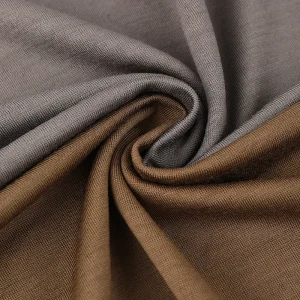
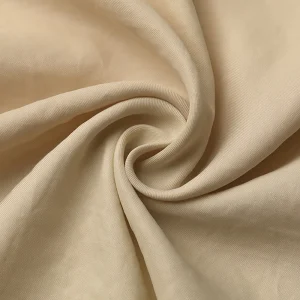
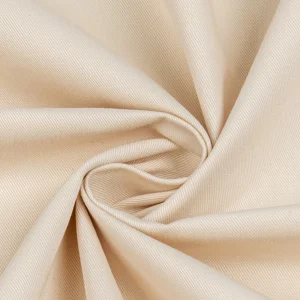
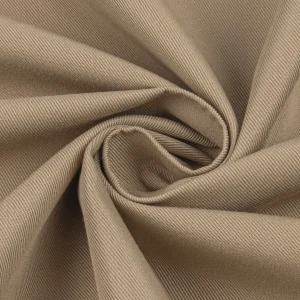
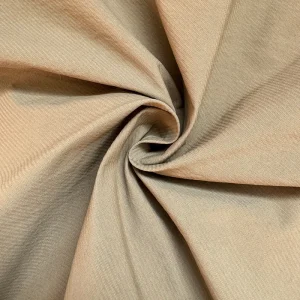
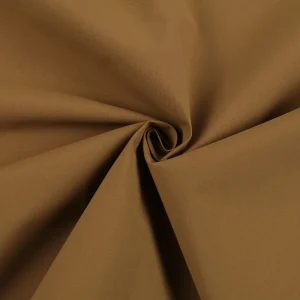
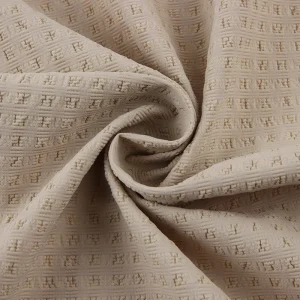
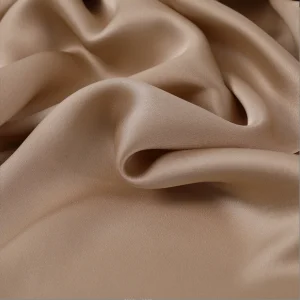
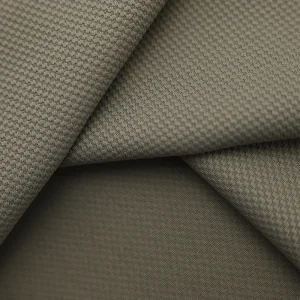
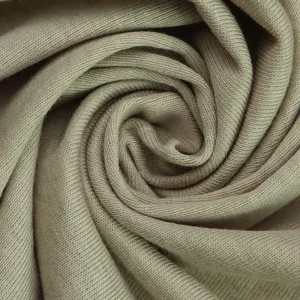
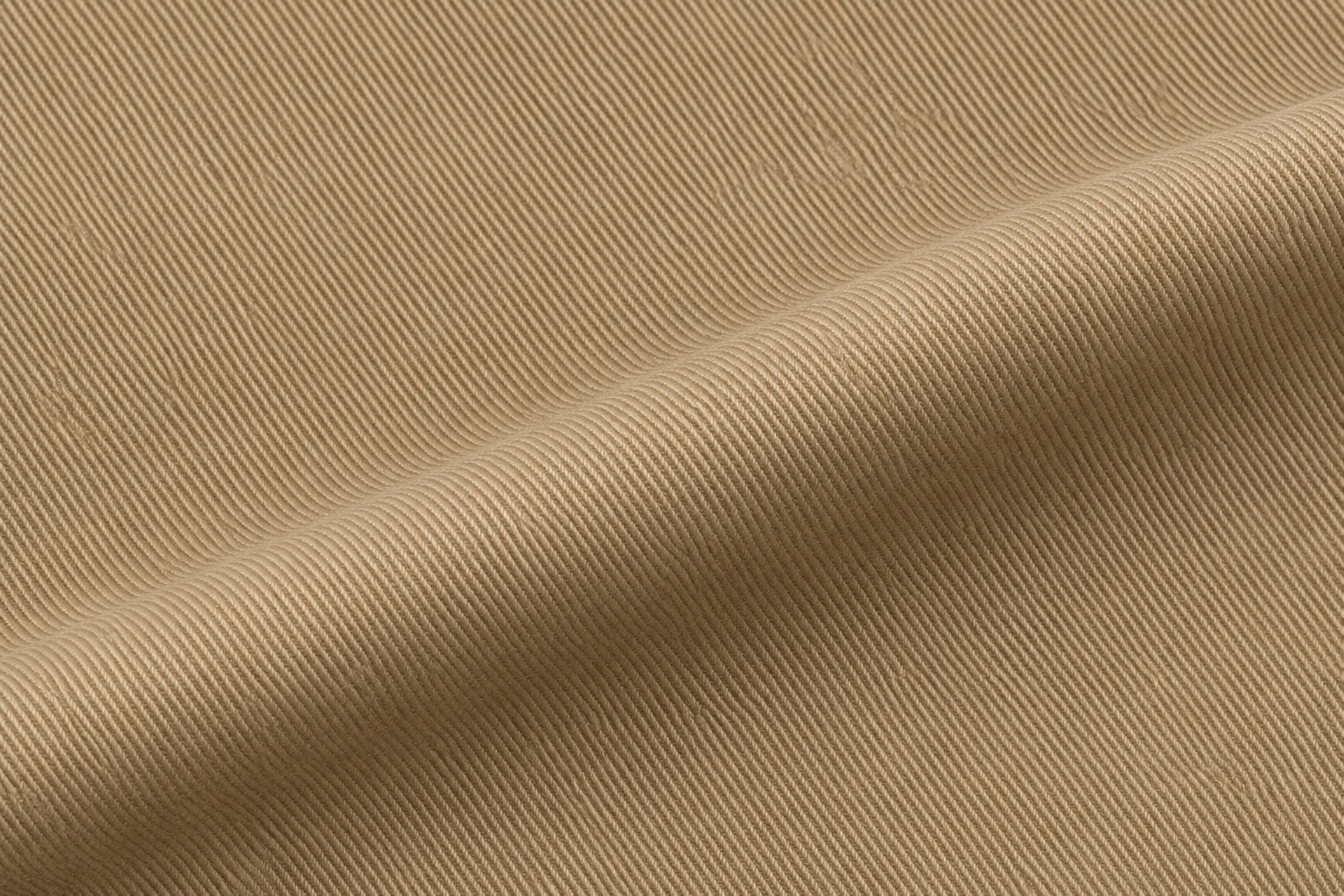
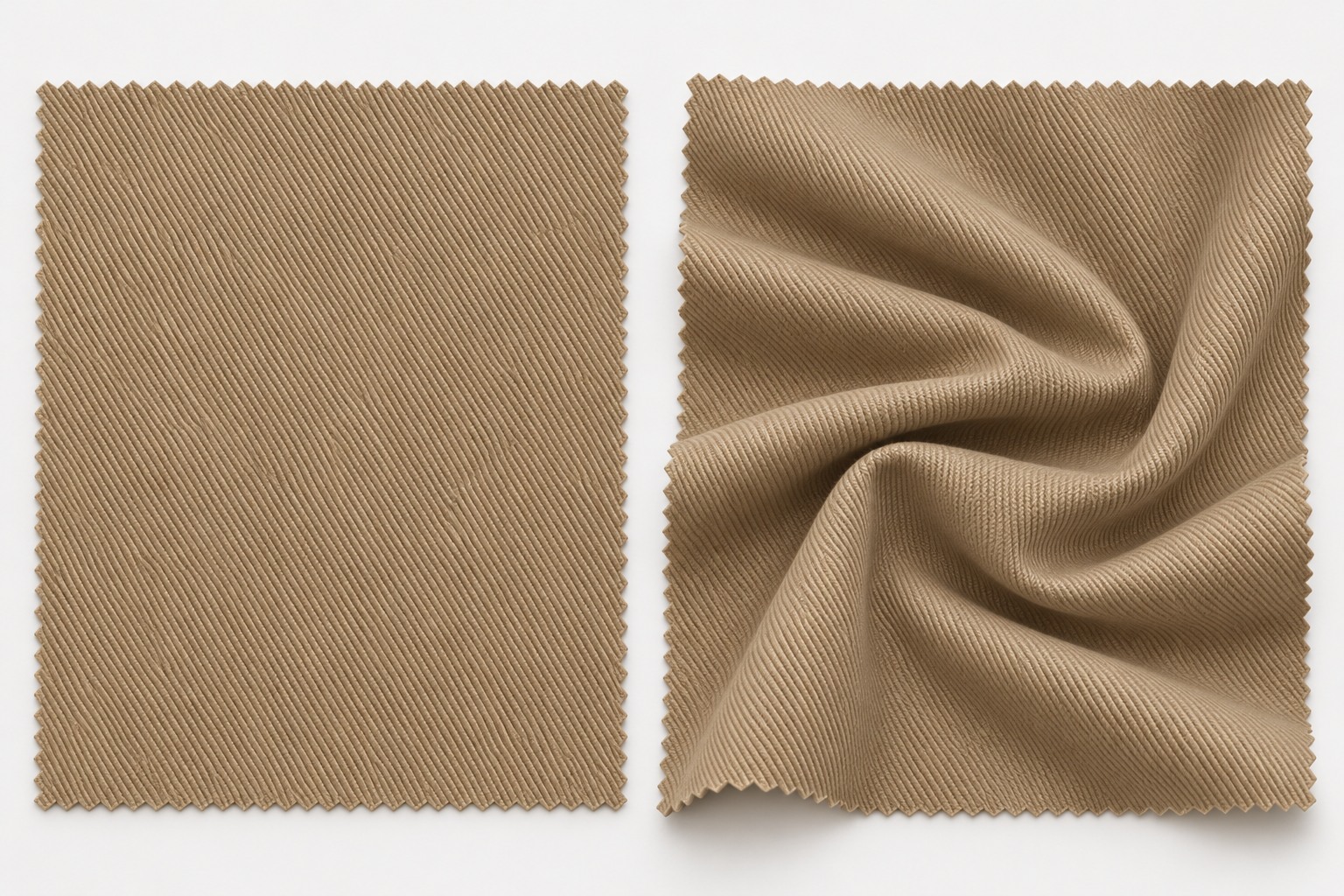
Shengchao’s cotton-polyester twill suiting fabric is an example for a tailored apparel sampling discussion. Confirm the current fibre declaration, finish and intended application with the supplier. Its tan twill appearance identifies the material shown here; neither the image nor the product description establishes a dry-cleaning result or authorizes a care label.
Request a finished swatch that represents the proposed order. If the supplier offers several colourways, identify which ones require evaluation. Keep any earlier development swatch clearly separate from the bulk material. A report is useful only when the buyer can connect its sample code to the fabric, colour and processing state being approved.
Put the result in the wider fabric selection context
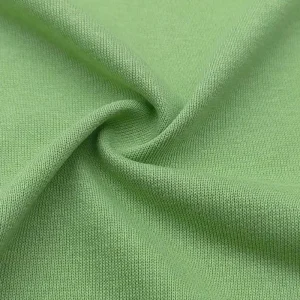
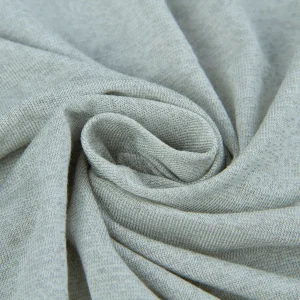
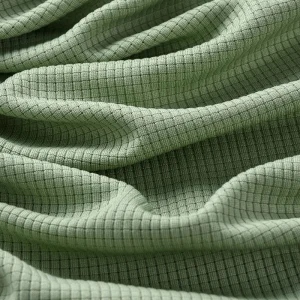
The knit and woven fabric overview provides parent-topic context for construction choices. Use it to organize the range of materials under consideration, then request evidence for the actual selection. Construction names help describe a fabric; they do not replace a test or predict a complete care response.
For a tailored product, review the shell with the proposed lining, interlining, thread, trims and other components. Ask the garment team which assembly checks are needed. A fabric-level colour result should remain labelled as fabric-level evidence. Do not extend it automatically to adhesives, decorative parts or a finished garment that has not been assessed.
Keep care symbols connected to garment evidence
GINETEX’s care-symbol explanation distinguishes professional cleaning routes and explains that letters and bars convey process information and limitations. Use the official guidance when interpreting a proposed instruction. The colour test alone does not decide which complete set of instructions is appropriate for a garment.
Before production, ask the responsible team to review the instruction against the complete construction and intended market requirements. Ensure that the same wording is used in development records, supplier instructions and the approved label specification. If a material or component changes, revisit the supporting evidence rather than copying the previous label without review.
Prepare traceable samples and comparison records
Supply enough material for the laboratory’s agreed procedure and any required repeat work. Identify face and reverse where relevant, and label the sample without affecting the assessment area. Record any prior treatment or handling. Do not describe a previously cleaned or pressed specimen as untreated material simply because its earlier history is inconvenient.
Retain a matching untreated comparison and a record of the dispatch. If the laboratory returns assessed samples, keep them with the report using a storage arrangement that preserves identity. This makes later visual review more useful. Photographs can support the record, but changing illumination or camera settings can make unrelated images misleading as colour comparisons.
Review differences before making a rejection decision
When two reports differ, first compare the sample codes, colourways, solvent, method and preparation. Confirm whether the specimens represent the same production state. Ask the laboratories to explain relevant differences before treating the results as a direct contradiction. Keep the clarification alongside the original reports so the reasoning remains available for future orders.
If the lot does not meet the agreed condition, document the finding and discuss the available correction with the supplier. A revised finish, colour or construction may need fresh evidence. Do not approve a change merely because it produces a better-looking swatch. Confirm that the revised material also meets the other requirements already agreed for the garment.
Separate dry-cleaning colour from washing and drape
The washing colourfastness guide concerns a different exposure. Do not substitute a washing report for solvent-specific evidence, or infer washability from a dry-cleaning result. Where both care routes matter, identify each requirement and obtain suitable evidence for each rather than merging the results under a generic cleaning heading.
The fabric drape guide addresses hanging and folding behaviour. Drape and colour-fastness results answer separate selection questions. A tailored garment may need both, together with dimensional and assembly review. Preserve those distinctions in the comparison table so a favourable result in one column does not hide a missing result in another.
Build a useful repeat-order file
Keep the approved material reference, report, care-route decision and customer acceptance condition together. Link the record to the colour and finishing lot. Ask the supplier to identify changes in construction, dyeing or finishing before using earlier evidence for a new order. A similar commercial name does not by itself establish that the material remains equivalent.
Assign responsibility for reviewing open items. If a report lacks the solvent or sample identity, record the question and request clarification before release. If the complete garment has not yet been assessed, keep that step visible. The aim is a defensible approval decision with clear boundaries, not a folder of unrelated favourable numbers.
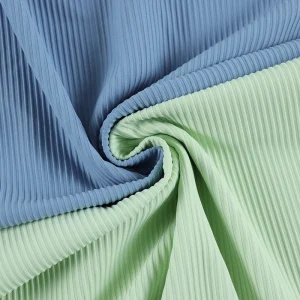
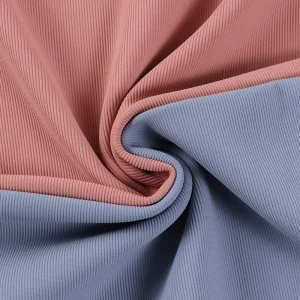
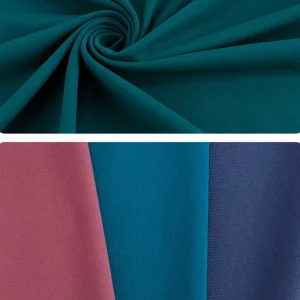
For collections with contrasting panels, include the intended combination in the development discussion. Ask whether additional transfer or appearance checks are necessary under the proposed process. Keep those findings separate from the original fabric report. Approving one solid-colour swatch does not automatically settle the behaviour of a finished assembly containing several colours and different materials.
Watch the chemistry behind clothing care
The American Chemical Society’s Reactions lesson explains textile chemistry and the choice between home laundering and dry cleaning. It offers background for understanding why a care decision involves more than colour. It is educational context rather than a demonstration of ISO 105-D01 or a recommendation for cleaning the pictured suiting material.
Frequently asked questions
Does ISO 105-D01 prove a whole garment is dry-cleanable?
No. Its scope concerns colour resistance to a specified solvent test. Complete garment response requires appropriate additional assessment.
Can a washing report replace dry-cleaning colour evidence?
No. The exposures differ. Match the test to the proposed care route and obtain the evidence required for that route.
Does the test establish finish durability?
No. The public scope of ISO 105-D01 excludes evaluation of the durability of textile finishes.
Can the fabric photograph determine the care label?
No. Confirm the actual material and complete construction, then base the instruction on appropriate evidence and responsible technical review.