



















































































































Fabric Absorbency Test: Wetting Reports and Home-Textile Checks
A fabric absorbency test shows how a textile takes in water under a defined procedure. A drop test usually reports a wetting time; it does not, by itself, show total water-holding capacity, drying speed or comfort in a complete bedding assembly. For home-textile buying, first identify which of those questions matters. Then compare representative finished samples using the same method, surface and preparation. A useful report connects the result to a traceable fabric reference and agreed application, rather than treating a fibre name or a short demonstration as a universal performance claim.
Decide what you mean by absorbency
Buyers sometimes use “absorbent” to mean that a drop disappears quickly, that a material holds a large amount of water, or that it moves moisture away from a surface. These are related buying concerns, but they require different evidence. Write the intended question in the sampling brief before asking a supplier to choose a test. This avoids receiving an impressive result that answers a different question from the one behind the order.
AATCC TM79 addresses water absorbency across yarns, fabrics and garments, including different textile constructions. The public summary identifies its scope; the full method is needed for laboratory execution. Our discussion is a guide to commissioning and reading a report, not a replacement procedure or a set of pass limits for every home-textile product.
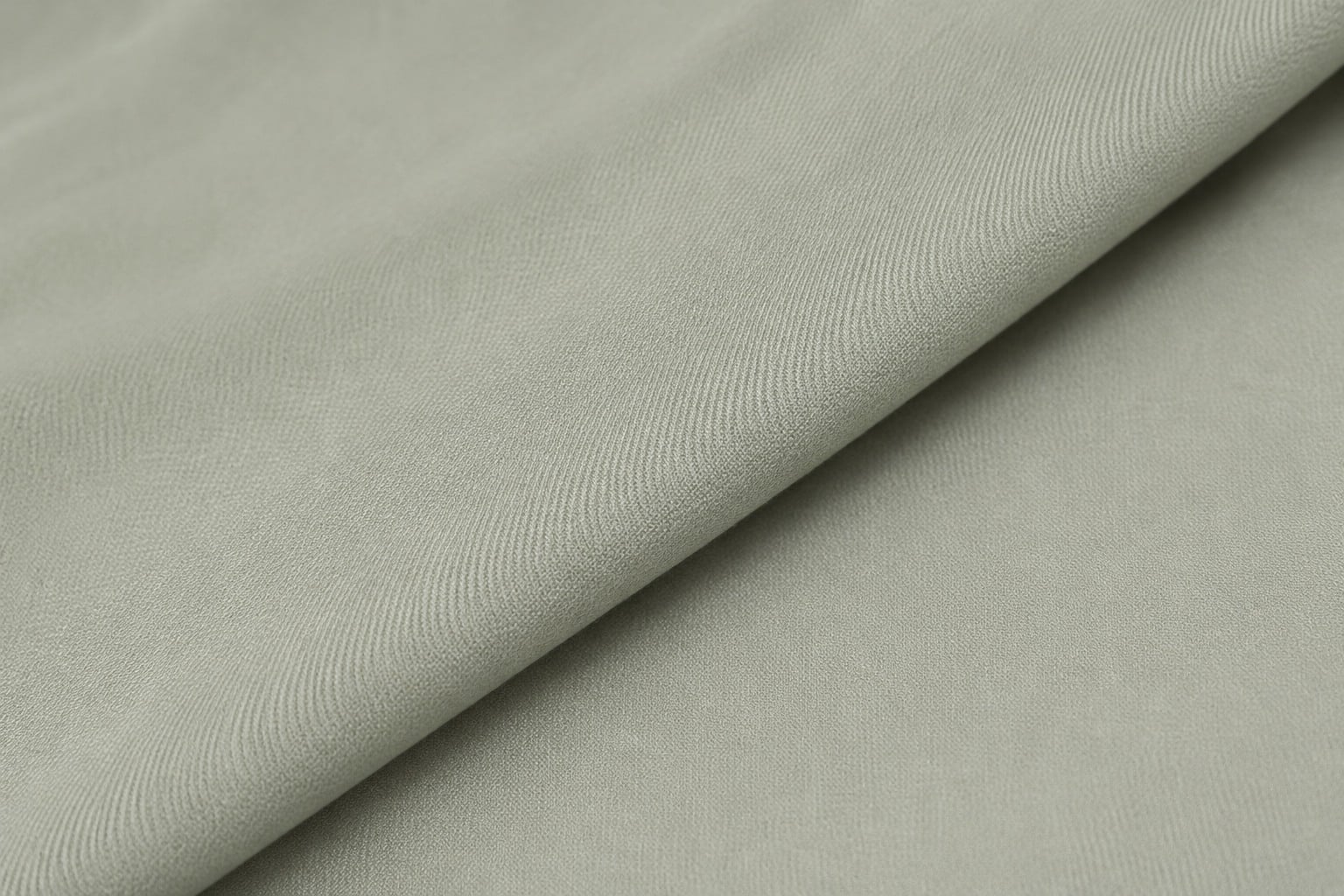
For development, Shengchao’s home textile duvet fabrics provide a relevant business starting point. Confirm the actual supplied construction and finish against a physical cutting, because a catalogue description alone does not establish absorbency. The broader knit and woven fabric comparison helps frame construction questions without predicting a particular test result.
Read wetting time separately from capacity
Gaston College’s physical-testing overview describes absorbency testing as timing a water drop on the fabric surface. It also lists vertical wicking separately. That distinction matters commercially: a report in seconds from a drop test cannot be re-labelled as the amount of liquid retained, and a rising wet front in a strip test is another observation again.
Ask for the measured quantity and units before comparing candidates. A lower wetting time under matching conditions means faster wetting in that test. It does not prove that the fabric holds more water or reaches a dry state sooner. If holding capacity matters, request an appropriate capacity method from the laboratory. If drying matters, commission a separate assessment that controls the starting water and exposure conditions.
| Question | Evidence to request | What remains separate |
|---|---|---|
| How quickly does a drop wet the surface? | Named absorbency method and wetting-time results | Total liquid capacity |
| How does liquid travel through the textile? | Suitable wicking or liquid-transport assessment | Drying under the intended use |
| How much water is retained? | Defined capacity measurement and units | Initial surface wetting speed |
| Will a finished bedding combination feel acceptable? | Representative assembly evaluation alongside relevant reports | A universal comfort promise |
This decision table separates evidence requests, using the AATCC scope and college testing descriptions as context. It provides no numerical acceptance threshold. The laboratory should confirm that the selected method suits the sample, while the buyer defines the intended application and the commercial decision that the result will support.
Control the sample surface and finish state
Identify which face will contact the user or liquid in the finished product. Keep that orientation consistent in comparisons and ask the report to name the tested face. If the two sides have different finishes or surface structures, discuss whether both need evaluation. A result from an unspecified side is harder to relate to a product that deliberately places one surface next to the body.
Record whether the cutting is as supplied, washed or otherwise prepared. Do not silently compare a new finished sample with a washed alternative. If a supplier proposes a finish to improve wetting, retain both versions and label them clearly. The comparison should show which version was evaluated, while other required properties remain part of the wider approval rather than being assumed unchanged.
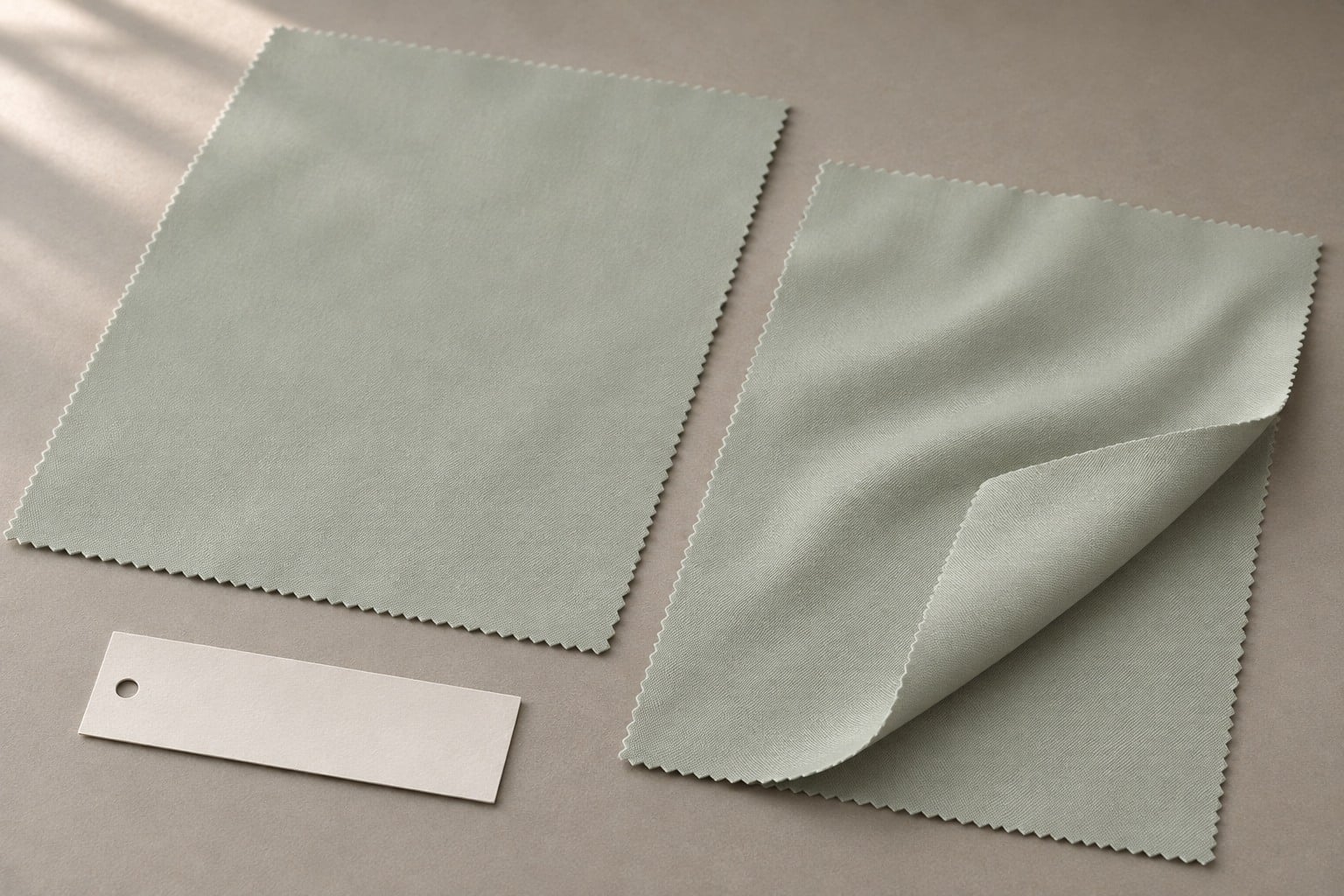
For patterned or visibly varied materials, ask the laboratory how it selects representative locations. Do not choose only a favourable-looking patch for a bulk decision. Provide enough material to follow the agreed sampling plan, and record any exclusions. When the sample is very small, let the laboratory identify the limitation before the buyer treats the result as representative of the entire order.
Make comparison records useful for purchasing
Put candidate references in a simple matrix with method, preparation, tested face, units and result. Leave a space for remarks and missing information. Keeping these fields together makes it easier to spot an incompatible comparison than collecting several supplier screenshots in separate messages. Ask for the complete report, including specimen identification and departures from the method, rather than a cropped result cell.
Agree a decision rule before seeing the numbers. It may involve a target from the buyer’s specification, comparison with an approved reference, or a documented development objective. This article does not supply a general pass time because applications and procedures differ. A number found in an unrelated research paper is not automatically a suitable limit for a duvet fabric order.
When results disagree with handling observations, check identity and conditions first. Was the same finished fabric submitted? Was the correct face exposed? Was a different liquid used in a demonstration? These questions can reveal why two observations differ without assuming that either party acted incorrectly. Keep the original records so the laboratory can investigate the actual comparison.
Evaluate the bedding assembly as well as the fabric
A single fabric cutting represents one component. A bedding product may combine shell material, filling, seams and other layers. Plan the complete-product trial separately and say which observations it will capture. Ask participants to describe their experience under the agreed conditions, while keeping subjective feedback distinct from laboratory measurements. Both can inform development without being presented as the same type of evidence.
For example, a buyer might shortlist two shell fabrics after matched wetting tests, then evaluate them in otherwise comparable assemblies. Keep construction, filling and care preparation consistent where possible. Record intentional differences. This helps the trial answer a practical question about the selected combination instead of mixing together changes in several components.
Two complementary guides help keep the report file organised. The fabric drying-rate test article addresses what happens after a textile becomes wet. The air-permeability guide covers airflow under a defined test. Neither should be inferred from an absorbency result, although the buyer may reasonably request all three when the application requires them.
Include care without inventing durability claims
If the home textile will be washed, define the relevant care preparation with the supplier and laboratory. Keep an unexposed control and identify each exposed sample. Ask whether the planned sequence follows the product’s intended care or a separate development protocol. A report should state what was actually done, particularly when a commercial summary claims performance after repeated care.
Do not add detergent or a household treatment to a drop demonstration and compare it directly with an untreated-water report. If an alternative liquid or preparation is part of a deliberate investigation, document it and ask the laboratory how the change affects interpretation. A modified procedure can be informative, but its limits must remain visible when results are shared with a purchasing team.
When a finish or care change is proposed, review other applicable requirements with the supplier. These may include shade, handle, dimensions and sewing behaviour. Do not automatically reject a change, but do not approve the entire product on one absorbency figure either. Keep the final physical reference and specification aligned so the production team knows which version was accepted.
Further learning and a clear approval file
The NPTEL IIT Delhi lecture below introduces moisture transmission and clothing comfort. It provides background for understanding why moisture behaviour involves several processes. It is not an AATCC TM79 demonstration or a product endorsement; use the laboratory’s selected method for the actual absorbency measurement.

Before bulk approval, collect the fabric identity, intended use, method, units, surface, preparation and full report. Add the practical assembly observations and any unresolved questions. Record the person responsible for acceptance and the version of the specification used. This keeps a development result from becoming an unsupported claim attached to a different production fabric.
At delivery, match the roll identification and finish description to the approved record. If an apparent difference arises, hold the affected material for clarification and agree representative resampling. Avoid choosing a single new cutting simply to reproduce an earlier favourable number. A traceable decision is more useful than a pass label whose sample history cannot be reconstructed.
Frequently asked questions
Does a fast drop test prove quick drying?
No. Wetting time and drying behaviour answer different questions. Request separate, appropriate evidence when drying performance matters.
Can absorbency reports from different methods be ranked together?
Only after checking compatibility with the laboratory. Methods, measured quantities, sample preparation and tested faces must be understood first.
Is a catalogue fibre composition enough to approve absorbency?
No. Evaluate a representative sample of the supplied construction and finish against an agreed requirement.
Should washed samples be compared with new samples?
They can show care-related differences in a planned investigation, but label them explicitly and retain a matched control. Do not hide the preparation difference.