



















































































































Fabric pH Test: Cotton Extract Reports and Buying Checks
A fabric pH test measures the pH of a prepared aqueous extract from a textile under a defined method. It is not a reading of a dry fabric surface, a complete chemical-safety assessment or proof that a garment will suit every wearer’s skin. Cotton-fabric buyers should request the method, specimen identity, extraction conditions and result, then assess it against the applicable purchase requirement. Keep the finished colour and treatment state traceable. A generic “skin-friendly” description or a neutral-looking product photograph cannot replace a report on the material actually being supplied.
Understand what is being measured
pH describes the acidity or alkalinity of a solution. For a textile report, the solution must be connected to a specified extraction procedure. ISO 3071:2020 addresses the pH of aqueous textile extracts and applies to textiles in different forms. The scope identifies the measurement; it does not provide a universal commercial acceptance range for every product, market and end use.
AATCC TM81 explains that substances influencing pH are collected in a water extract for measurement with a pH meter. This is why rubbing an indicator onto dry cloth should not be described as an equivalent result. Ask the laboratory to identify the complete method it follows rather than reducing the request to “check whether the fabric is neutral.”
Shengchao’s cotton fabric for casual wear provides a relevant starting point for development. The pink fabric photograph identifies the sample’s visible character, not its chemical properties. Confirm the supplied reference, composition and finish with the supplier. The fabric quality-check guide provides the wider approval context; keep each required inspection connected to the actual supplied material rather than inferring performance from its fibre name.

Set the requirement before looking at a number
Ask the responsible buyer or compliance specialist which product requirement applies to the intended order. Record its name, version and scope. A limit from an unrelated specification should not be copied merely because it is easy to find. Different product categories and customer programmes can impose different requirements, so this article intentionally supplies no general pass range.
Separate a method from an acceptance rule. A laboratory procedure explains how a measurement is obtained, while the purchase requirement determines whether that result is acceptable for the stated application. Ask the report to identify the requirement used when a pass or fail conclusion is requested. A numerical result without a commercial judgement can still be valid evidence; it simply leaves acceptance to the responsible team.
Do not turn “within the specified pH range” into “free from harmful chemicals.” A pH result answers a limited question about the extract. Other restricted substances and product-safety requirements need their own applicable evidence. Keep those records in the same approval file if useful, but preserve their different scopes and sample identities.
Check extraction details and report traceability
Read the method and edition, sample reference, colour and finish state first. Then locate the preparation and extraction details required by the procedure. Ask the laboratory to explain any departures or unusual observations. Do not compare results from changed extraction conditions as though they were automatically the same measurement; compatibility needs to be established before ranking candidates.
Keep the original units and notation from the report. pH is not a percentage of residual chemical and should not be converted into one. If a result seems inconsistent with a supplier description, ask the laboratory and supplier to investigate the sample history. A report cannot identify every substance responsible for an unexpected result simply from the pH number alone.
| Record | Question to resolve | Decision it supports |
|---|---|---|
| Sample identity | Which colour, finish and batch were submitted? | Connection to the order candidate |
| Method and edition | What extraction and measurement procedure was used? | Compatibility of comparisons |
| Preparation | Was the sample as supplied or deliberately treated? | Meaning of the reported fabric state |
| Result and observations | What did the laboratory actually report? | Review against the stated requirement |
| Acceptance specification | Which relevant requirement defines the decision? | Documented approval rather than an assumed universal limit |
The table is a procurement review aid based on the standards’ public measurement scopes. It is not an extraction recipe. The full applicable method governs laboratory work, including equipment and quality-control requirements. Ask a competent laboratory to handle execution and explain any uncertainty relevant to the acceptance decision.
Choose samples from the right production stage
A development cutting may help investigate a process, but a final approval should relate to the intended supplied finish. Identify whether the sample was taken before or after the last relevant processing step. If a supplier changes the finishing route, ask which earlier evidence still represents the new version. Similar colour and handle do not establish identical chemical history.
Record colour separately when ordering a range. Do not automatically extend one shade’s report to all others. The responsible team can define a justified sampling plan, but its reasoning should remain visible. Ask how separate lots, reprocessed fabric or special treatments will be identified so the approval is not accidentally applied to a materially different candidate.
Provide enough material for the agreed procedure and retain a labelled reference where practical. Keep packaging clean and avoid adding consumer products or treatments before submission unless that is the purpose of the investigation. If an unusual preparation is intentional, describe it to the laboratory and preserve the as-supplied control rather than obscuring the starting condition.

Keep pH separate from other fabric approvals
Cotton sourcing usually involves several decisions: construction, colour, dimensions, hand and suitability for making. A satisfactory pH result does not establish those properties. Likewise, a pleasing sample does not show that its extract meets a chemical requirement. Put each result beside its own acceptance field so that one pass cannot silently stand in for an unassessed property.
The washing colourfastness guide addresses colour behaviour under a defined exposure. The fabric shrinkage guide concerns dimensional change. These are useful complementary records for casual-wear development, while their results remain distinct from the pH of an aqueous extract.
For a garment assembly, confirm which component the report covers. Main cloth, lining and trims can have different identities and processing histories. Do not describe a report on the pink main fabric as a whole-garment chemical assessment unless the relevant evaluation actually supports that scope. A component map helps purchasing see which materials still require attention.
Respond to an unexpected result
Start with identity and procedure. Check that the submitted sample is the intended finished reference and that the report cites the requested method. Ask about relevant observations or departures. If the result is valid and outside the applicable requirement, work with the supplier on a documented corrective proposal rather than attempting an improvised home treatment.
Keep the original failed sample and report. If the supplier reprocesses the material, identify it as a revised state and arrange representative retesting under the agreed plan. Do not delete the earlier result or replace its date. A clear record of the change helps the buyer understand what was corrected and which evidence supports release of the revised material.
Where two laboratories disagree, compare their sample identities and preparation before selecting a preferred result. Ask the responsible specialists to agree a resolution plan and any repeat sampling. The aim is to answer the purchase question with compatible evidence, not to accumulate reports until one falls within the desired range.
Further learning and final purchasing checks
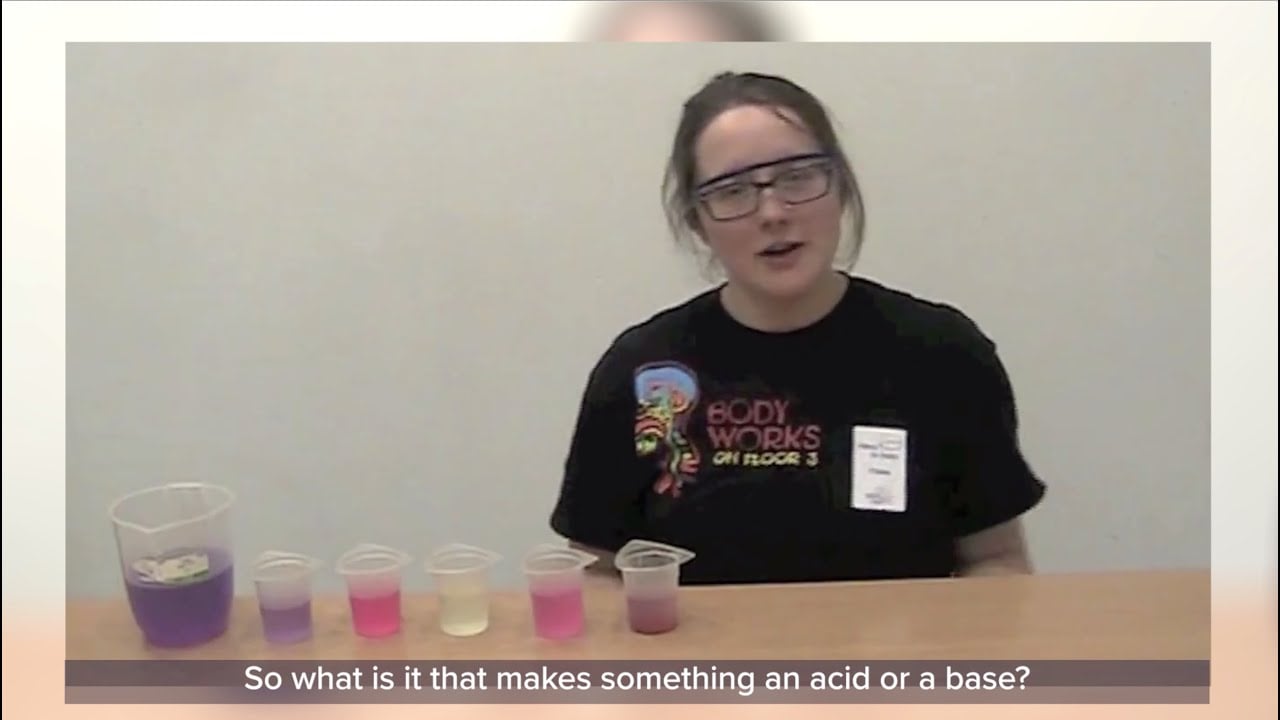
The Glasgow Science Centre video below introduces acidity and indicators. It is included to explain the underlying solution concept, not as a textile extraction procedure or a recommendation to test commercial fabric with household ingredients. For purchasing evidence, use the agreed laboratory method and its original report.
Before confirming bulk approval, collect the sample reference, colour, finish, method, result and relevant acceptance requirement. Add the report date and the responsible approver. Record whether acceptance applies to a development candidate, a particular lot or a documented family of materials. Open questions should remain visible until they are resolved with suitable evidence.
When material arrives, match its identification and finish description to that approval. If a process or reference has changed, review the evidence before cutting. Retain the final specification and approved sample together so that a later team member can reconstruct the decision without relying on informal descriptions such as “neutral,” “safe” or “the same as last time.”
Check the report date against the sample and processing history. A recent document is not automatically representative if it describes another material, while an older development result should be reviewed when the supplied specification changes. Traceability matters alongside the date.
Frequently asked questions
Is a fabric pH test performed on dry cloth?
The standards discussed here concern an aqueous extract prepared from the textile. A dry-surface indicator check is not an equivalent report.
Does acceptable pH prove complete chemical safety?
No. It answers a limited measurement question. Other applicable substance and product requirements need their own evidence.
Can one report cover every colour and lot?
Do not assume that. Define a justified sampling and representation plan with the responsible buyer, supplier and laboratory.
What should happen after reprocessing?
Identify the revised material state, retain the original record and obtain representative retesting under the agreed acceptance plan.