



















































































































Fabric Thread Count: Woven Density and Curtain-Lining Checks
Fabric thread count describes the number of yarns in a defined length of woven cloth, normally separating warp ends from filling picks. It is different from yarn count, which describes yarn size, and from fabric weight in grams per square metre. For curtain-lining sourcing, request both directions with units and the finished-fabric condition. A larger total is not, by itself, proof of better quality, opacity or durability. The useful decision combines verified construction with the intended drape, handling and complete curtain assembly, supported by a representative sample rather than a photograph or an unexplained catalogue number.
Read the two directions before adding a total
Warp yarns run along the woven length; filling or weft yarns cross them. A clear specification preserves each directional count. If a commercial description provides only one total, ask how it was calculated and what unit was used. Two fabrics can share a total while distributing their yarns differently between the directions, so the individual values remain useful for identifying the construction.
The CBSE woven-textile teacher manual explains fabric density as ends and picks within a unit length and introduces ends per inch. This terminology helps avoid treating every appearance of the word “count” as the same property. In a purchasing document, use a full field name such as warp ends per centimetre rather than a bare number followed by an ambiguous abbreviation.
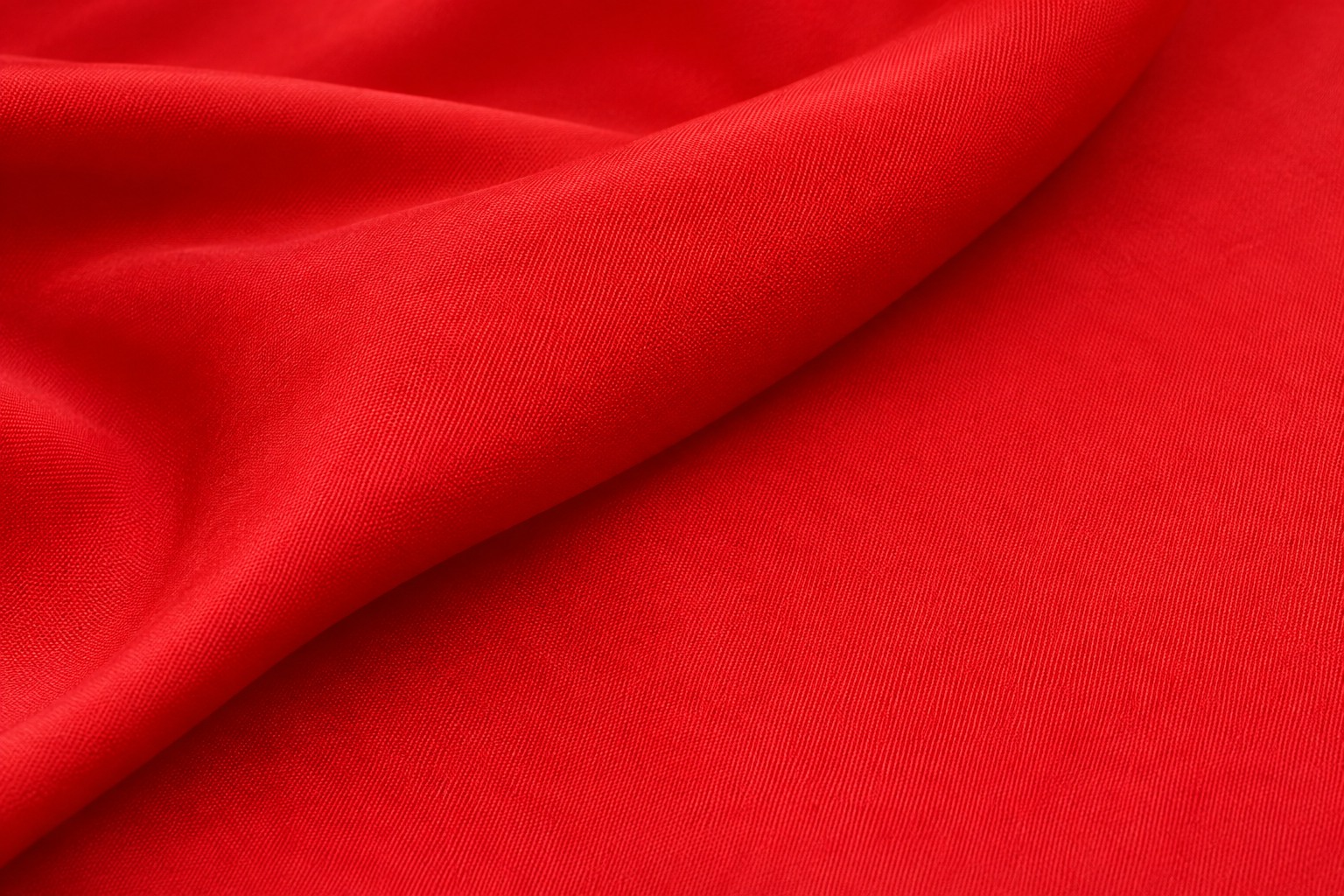
Shengchao’s curtain lining fabric is a relevant starting point for a lightweight lining brief. Its red reference photograph shows the surface appearance, but it is not a calibrated counting image. Ask for the current construction record and a physical cutting. The knit-versus-woven guide gives the broader construction context; woven thread-count terminology should not be applied unchanged to knitted loops.
Distinguish density, yarn size and fabric weight
Fabric density counts yarn positions over a distance. Yarn count describes the size of those yarns using a named system. Fabric weight measures mass per area. None of these can be reliably recovered from the others without more construction information. A supplier’s line such as “fine yarn, high density, lightweight” should therefore be converted into separate, clearly labelled specification fields before approval.
Do not compare an unexplained yarn-size number with an ends-per-inch figure. Ask whether a slash, multiplication sign or paired notation describes warp and filling yarn sizes, fabric densities or another property. Retain the supplier’s original specification and add an agreed interpretation. Guessing the meaning can lead to an order for a construction that differs from the approved sample even when both parties believe they used the same numbers.
| Field | What it describes | What to request |
|---|---|---|
| Warp end count | Warp yarns within a stated length | Value, unit and finished condition |
| Filling pick count | Weft yarns within a stated length | Separate directional value and unit |
| Yarn count | Yarn size in a named system | System, warp/filling identity and construction details |
| Fabric weight | Mass per unit area | Measured weight and preparation |
| Weave | Interlacing arrangement | Confirmed structure and representative cutting |
This is a specification-reading table, not a list of equivalent measurements. The weave and directional density concepts follow the educational manual; laboratory counting should use the applicable procedure. Keep the fields separate even when a supplier presents them together in one compact catalogue entry.
Use a defined counting method
ASTM D3775 addresses end and pick count in woven fabrics. Ask the laboratory to identify the method and edition used, then report the specimen identity, units and any relevant departures. A handheld visual check can help investigate a mismatch, but it should not be reported as a standard test unless it actually follows the required procedure.
For development comparisons, identify the fabric state: unfinished, as supplied, or after an agreed care or finishing exposure. A construction value from an early process stage may not describe the final supplied cloth. Request the final measurement relevant to the order rather than silently transferring a mill planning number into a finished-fabric acceptance sheet.
Provide sufficient representative material and ask the laboratory how counting locations are selected. Do not count only a clear area chosen because it gives the expected result. Dense or difficult surfaces may need an appropriate examination approach. If a sample is too small or its structure cannot be resolved confidently, record the limitation and obtain better evidence instead of rounding a guess into a specification.
Handle units and arithmetic transparently
One inch is exactly 2.54 centimetres. When converting a count per inch to a count per centimetre, divide by 2.54; convert in the opposite direction by multiplying. Keep the original result and show the conversion separately. Do not imply extra measurement precision by displaying many decimal places after converting a count that was originally reported as a whole number.
As a hypothetical arithmetic example, 100 ends per inch divided by 2.54 is about 39.37 ends per centimetre. This example is not a Shengchao specification or an acceptance target. It illustrates why a value expressed per centimetre is numerically smaller than the corresponding per-inch count even though it describes the same spacing. Both warp and filling values require the same unit discipline.
If a buyer’s specification uses a combined total, define the calculation and retain the two inputs. Do not combine one direction measured per inch with another measured per centimetre. Ask how plied or unusual yarn constructions are handled under the chosen method rather than inventing a commercial counting rule that inflates the total.
Connect construction to the curtain brief
A curtain lining is selected as part of a hanging assembly. Evaluate it with the intended face fabric, heading, seams and support arrangement. Thread count identifies one aspect of construction; it does not establish the finished curtain’s light control, dimensional behaviour or handling. State those additional requirements separately and commission the appropriate assessments when they matter.
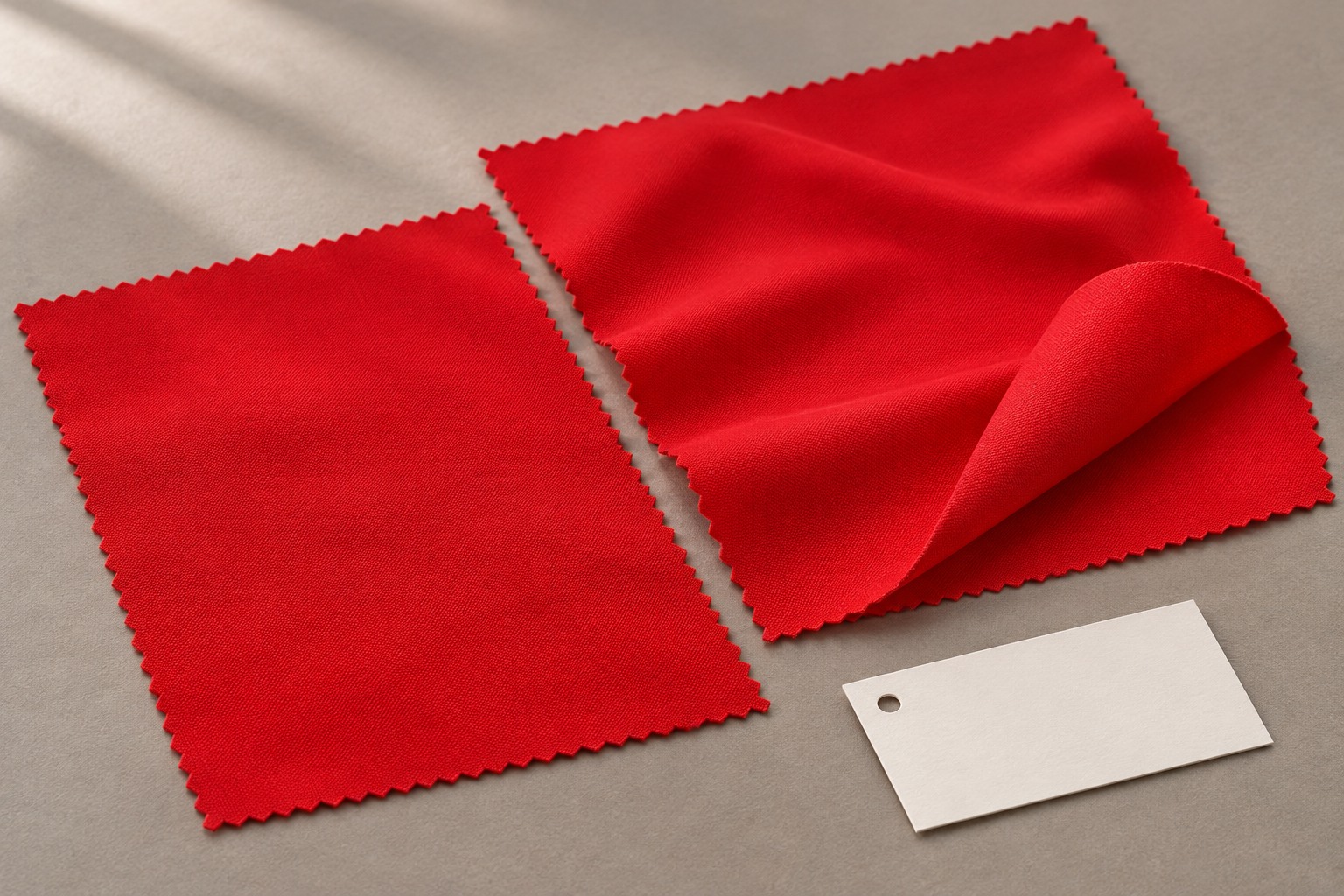
During sampling, compare candidates at the intended scale where feasible. A small cutting may show surface texture while failing to reveal the way a broad lining panel hangs behind a face fabric. Record panel dimensions and construction so the comparison can be repeated. If a development sample uses a substitute component, say so before accepting it as representative of the finished curtain.
Our fabric GSM guide explains mass per area, while the drape guide addresses hanging behaviour. These complement a density record without serving as indirect proof of its values. Together they support a clearer brief than using a high thread-count number as a shorthand for every aspect of lining quality.
Resolve discrepancies before placing the order
When a new report differs from a catalogue figure, first confirm the units and which fabric state each describes. Check that the sample reference, colour and finish correspond to the quotation. Ask whether the catalogue value is nominal and whether an agreed tolerance applies. Do not invent a tolerance after seeing the result; record the accepted range in the purchase specification.
If two laboratories disagree, retain their complete records and ask them to review the method and sample identity. Different cuttings or preparation can complicate the comparison. Agree a representative resampling plan before selecting a preferred number. The aim is to establish what construction is being supplied, not to collect enough tests to find one result that matches an expectation.
Keep an approved physical reference alongside the final construction sheet. Specify the responsibility for incoming checks and the process for handling a mismatch. This helps a later production team distinguish an intentional revised construction from an accidental substitution, particularly when colour and overall appearance look similar at first glance.
Further learning and final checks
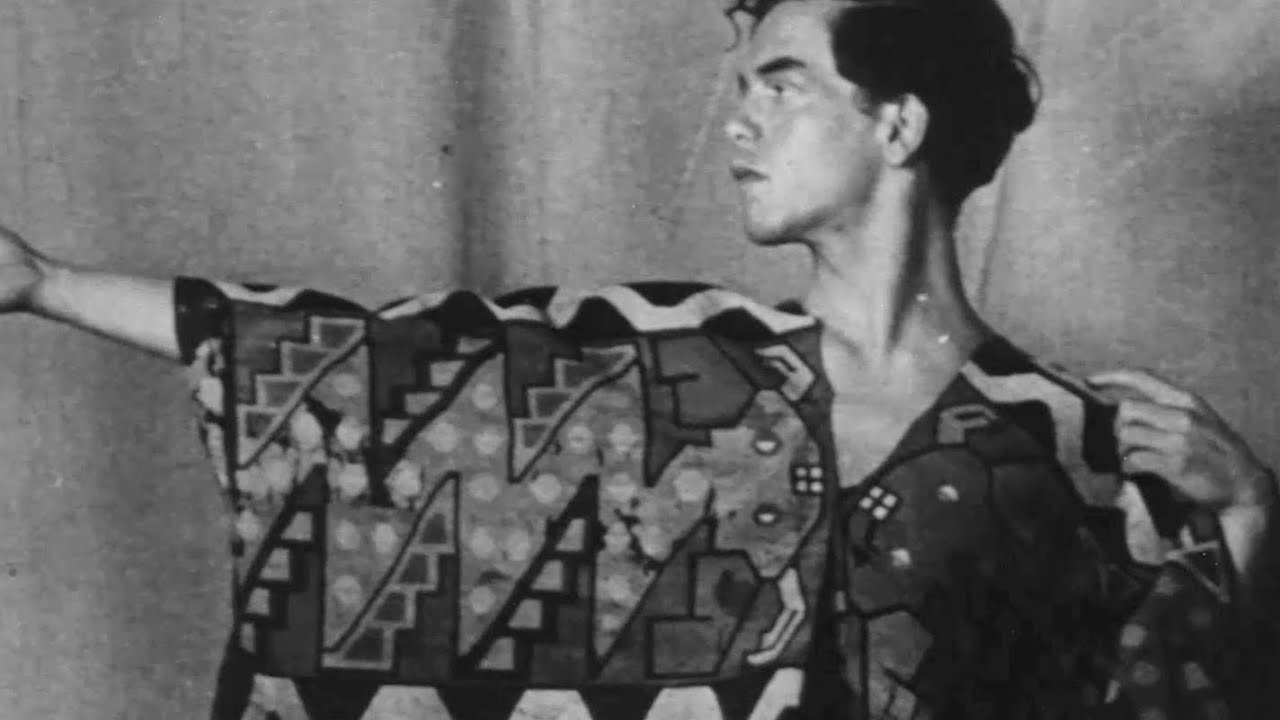
The museum film below explains warp and weft through tapestry making. It is included as a visual introduction to interlaced yarn systems, not as a counting method or an example of curtain-lining manufacture. Use the laboratory procedure and the current supplied specification for purchasing decisions.
Before bulk approval, verify separate directional counts, units, yarn-size notation, weave and fabric weight. Add the sample identity, measurement condition and required assembly observations. Keep open questions visible rather than filling blank fields from assumptions. A complete specification allows the supplier to quote the intended construction and gives the buyer a defensible basis for checking delivery.
Also distinguish a development target from a measured delivery result. The quotation can name a nominal construction, while the inspection record states what was found on the submitted specimen. Retain both dates and versions. If the supplier changes the reference after sampling, ask which earlier reports still apply and whether a new representative cutting is required before confirming the purchase.
Frequently asked questions
Is fabric thread count the same as yarn count?
No. Thread count describes yarn positions in a defined length of woven fabric. Yarn count describes yarn size in a named system.
Does a higher thread count always mean a better lining?
No. Quality depends on the intended use and the complete specification. Density alone does not establish drape, light control or durability.
Can woven density be used for a knitted fabric?
Not unchanged. Confirm the construction and use its appropriate structural measurements rather than renaming loops as warp ends and filling picks.
Why keep both directional values?
A combined total can hide different warp and filling arrangements. Separate values make the construction easier to identify and compare.