









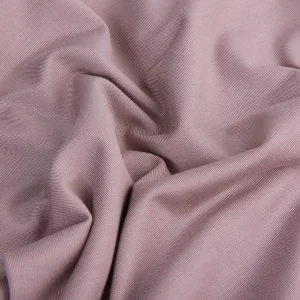
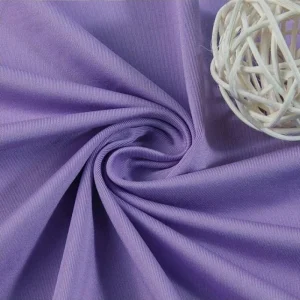
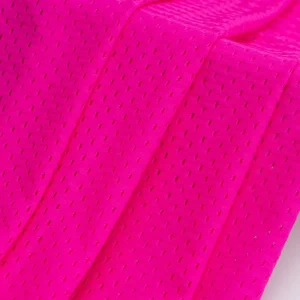
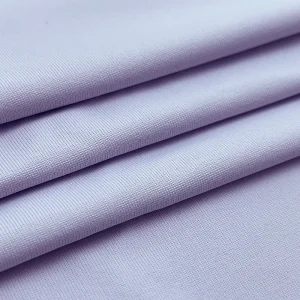

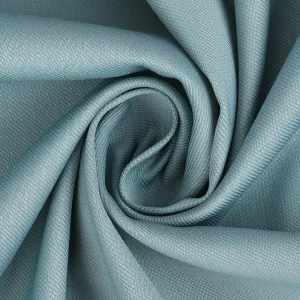
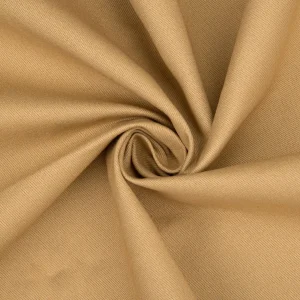
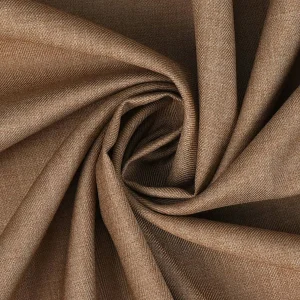
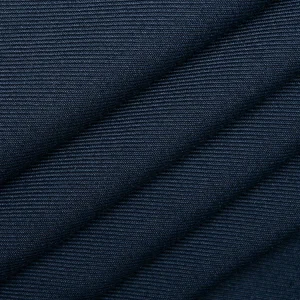




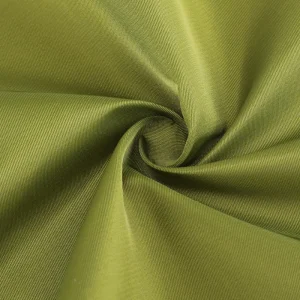
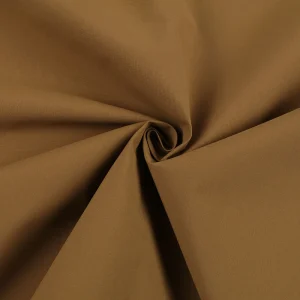
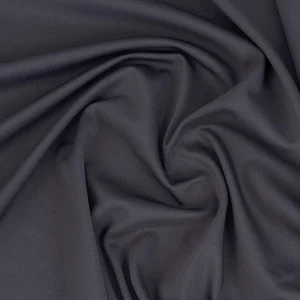
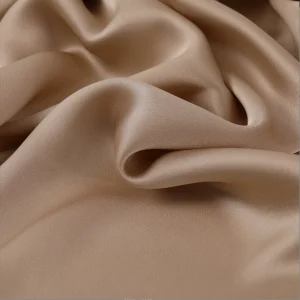



From Lab Dip to Bulk Approval: A Clear Fabric Color Workflow
Color development often becomes slower because comments, samples and approval standards are not connected. A lab dip may be reviewed by several teams under different lighting, while the mill receives a short message without the sample code or exact correction. Shengchao Textile uses a staged color workflow so each decision can be traced from the original reference to the approved bulk standard.
Define the Color Reference and Viewing Method
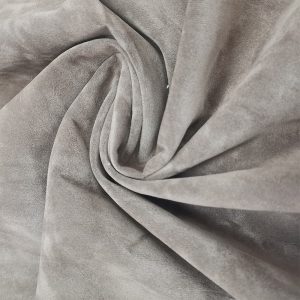
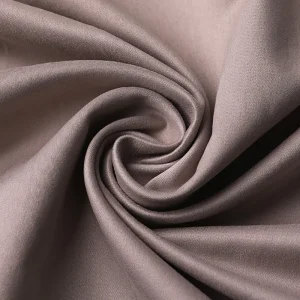
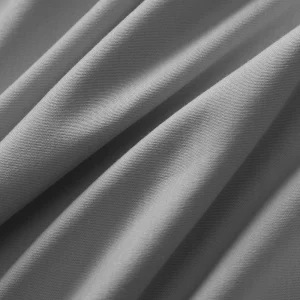
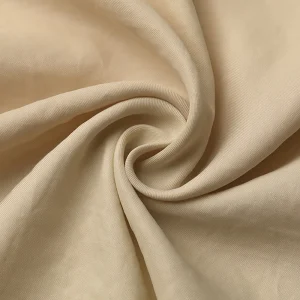
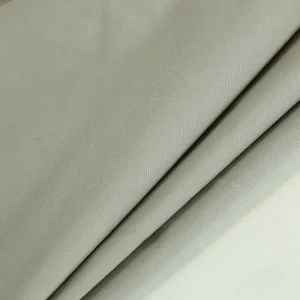
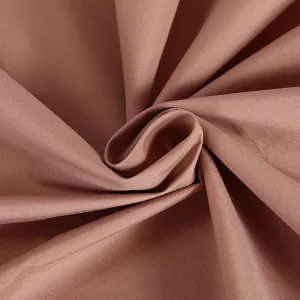
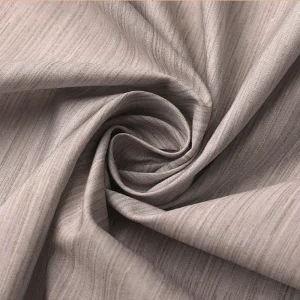
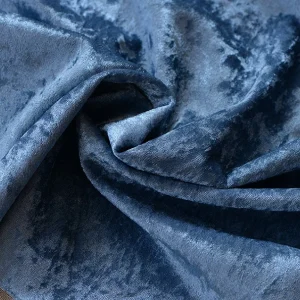
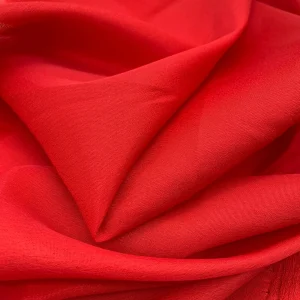
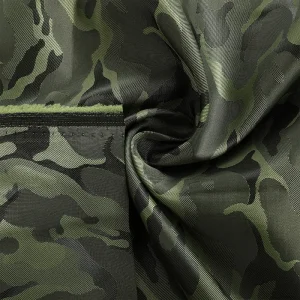
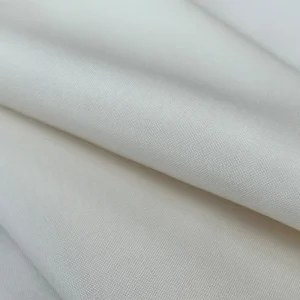
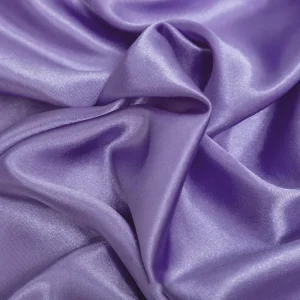
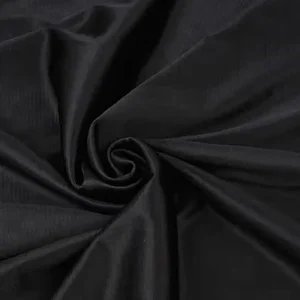
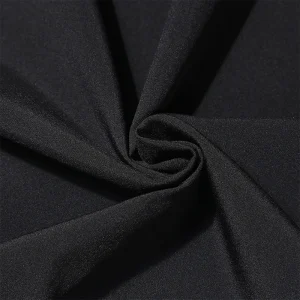
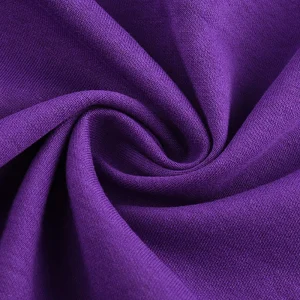
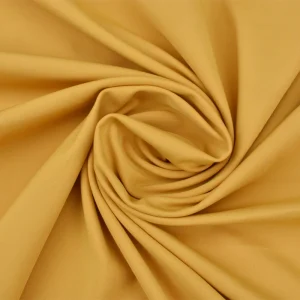
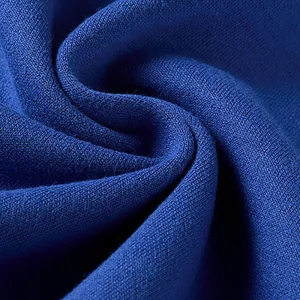
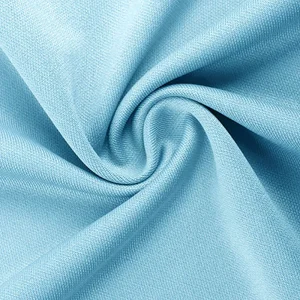
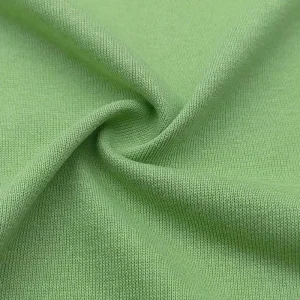
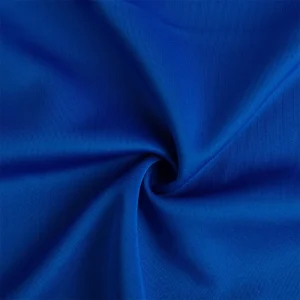
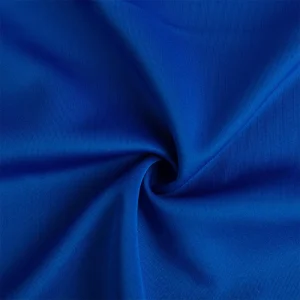
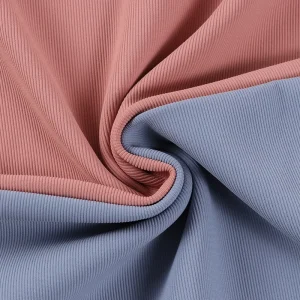
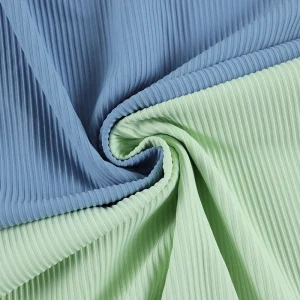
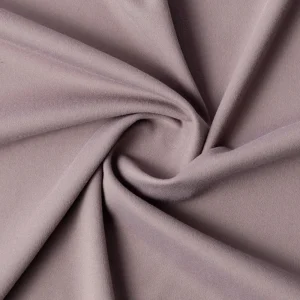
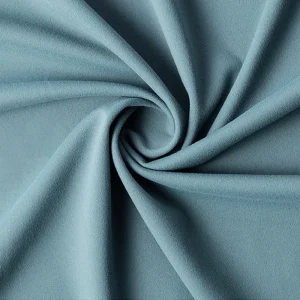
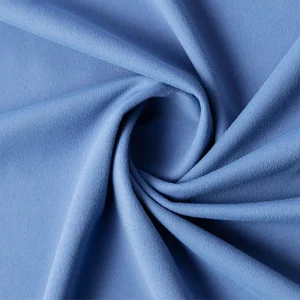
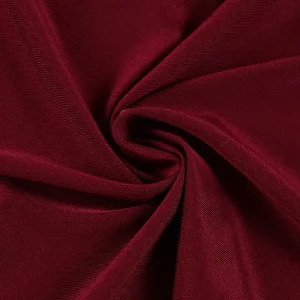
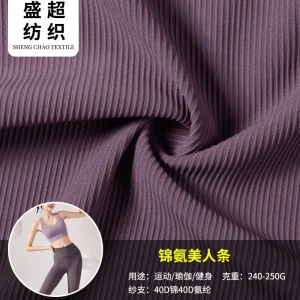
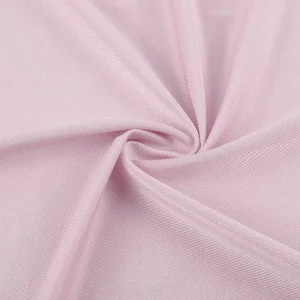
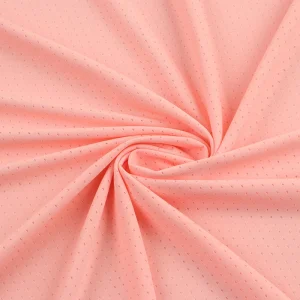
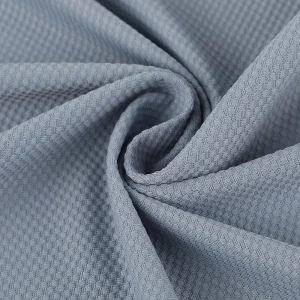
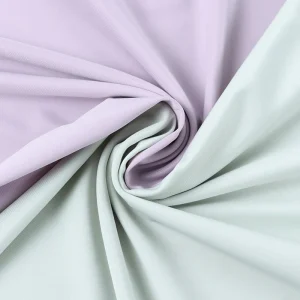
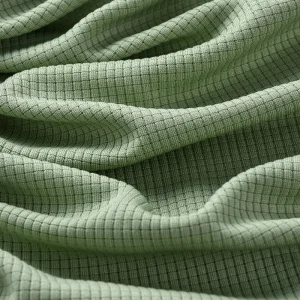
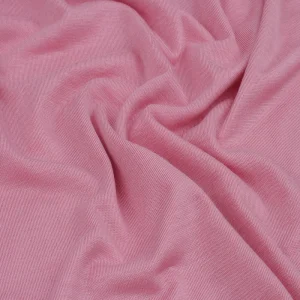
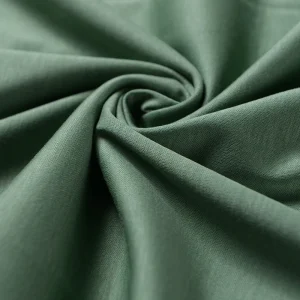
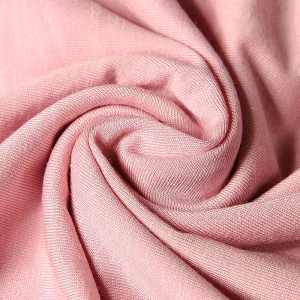
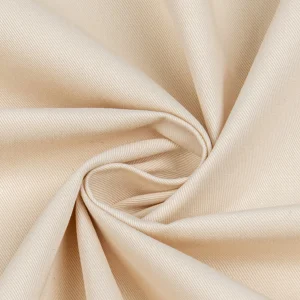
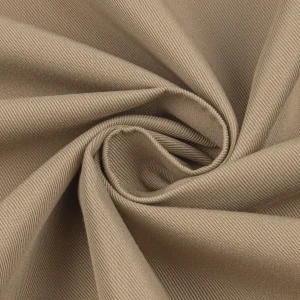
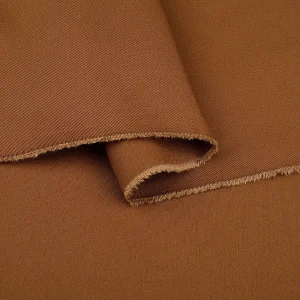
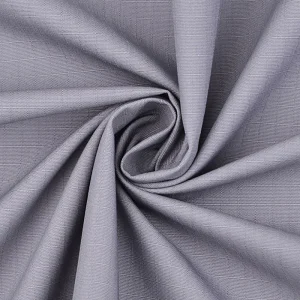
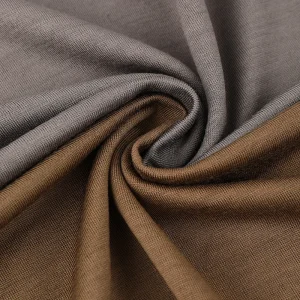
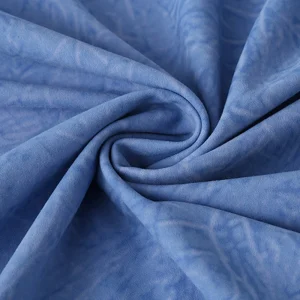
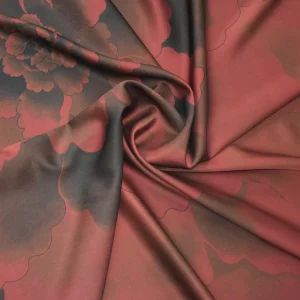
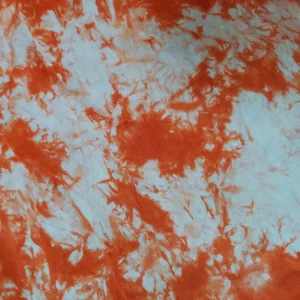
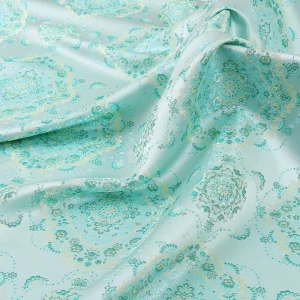
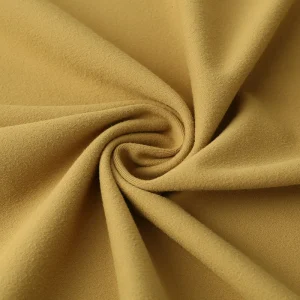
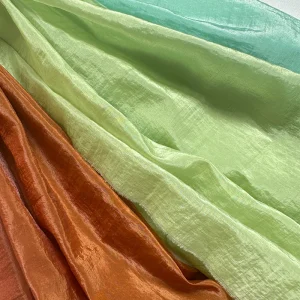
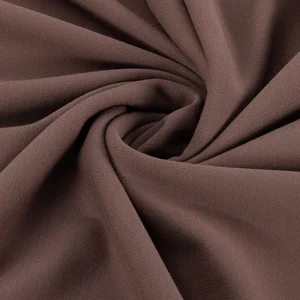
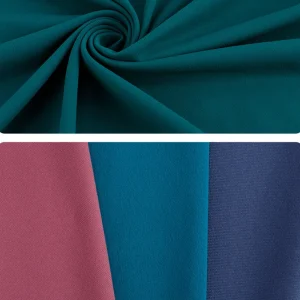
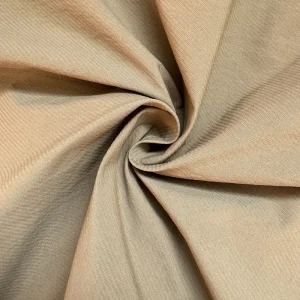
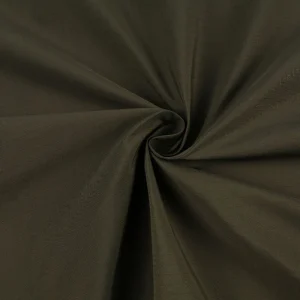
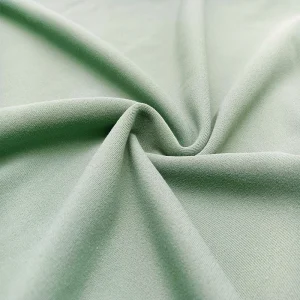
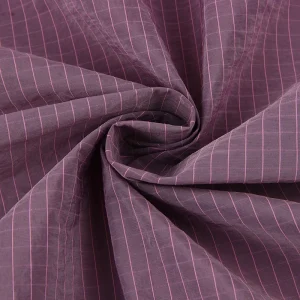
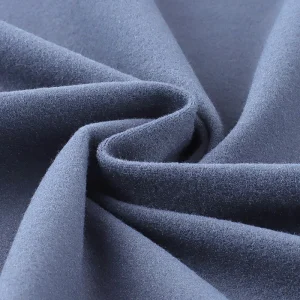
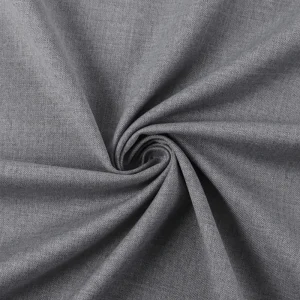
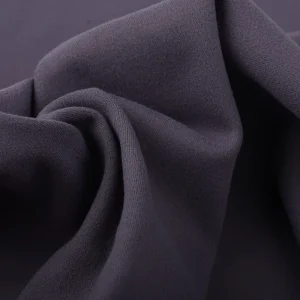
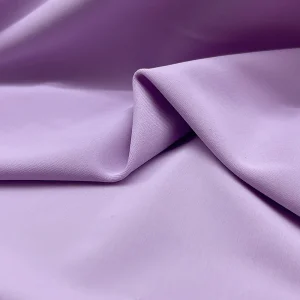
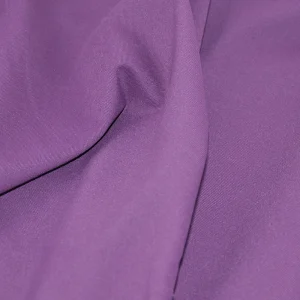
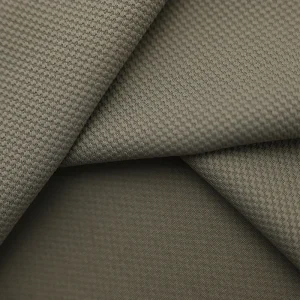
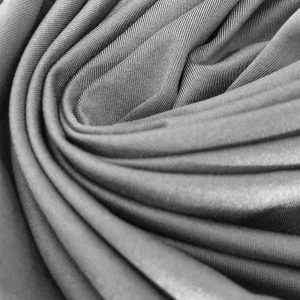
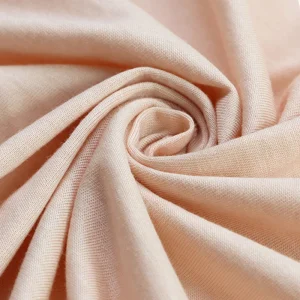
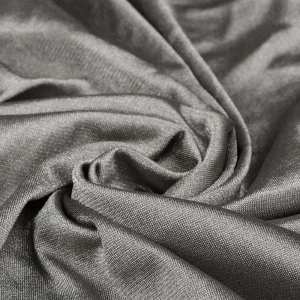
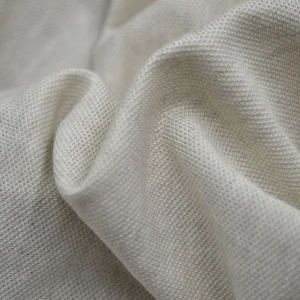
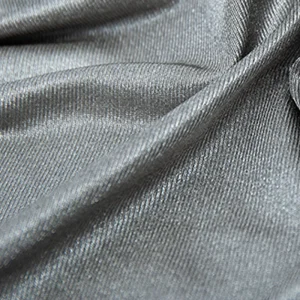
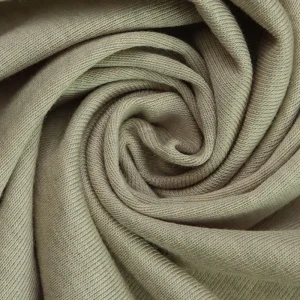
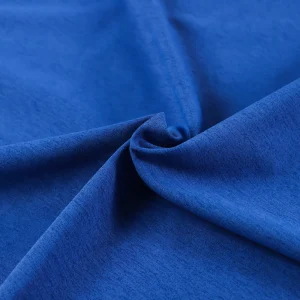
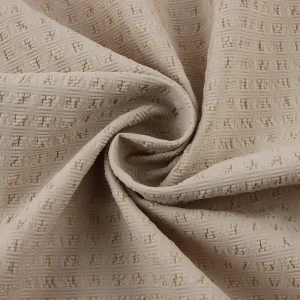
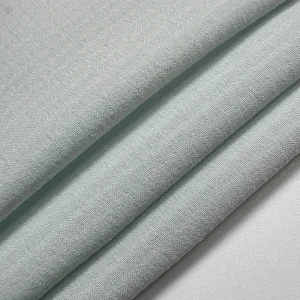
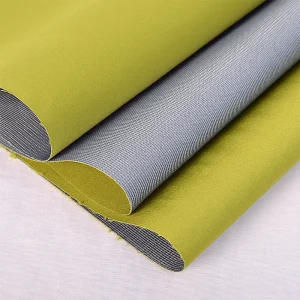
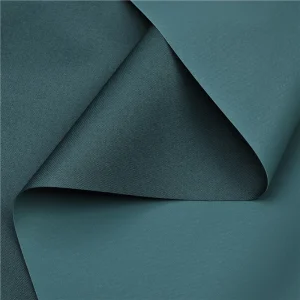
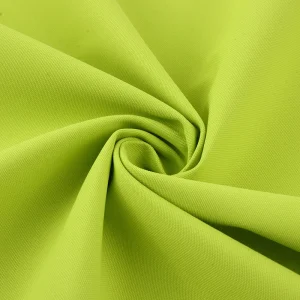
The customer should provide a physical color standard or clearly identified color reference together with the intended fabric. A color cannot be evaluated independently of composition and surface: nylon, polyester, cotton and blends may show the same target differently, while texture and luster affect perceived depth.
Agree on the viewing light source and any destination-market requirement before assessment. Daylight by a window changes throughout the day and is not a controlled approval condition. If metamerism or matching across several materials is important, include that requirement in the brief so it can be considered during development.
Keep Each Lab Dip Version Traceable
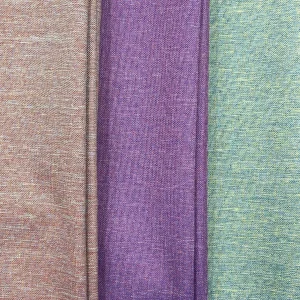
Each submitted option should have a unique code. Feedback should repeat that code and state whether the sample is approved, rejected or requires a specific correction. Useful comments identify the direction and degree of change, for example “Option B is acceptable in depth but slightly too red under the agreed light source.”
When several people review the sample, consolidate their comments before returning feedback. Conflicting instructions from design, merchandising and quality teams create additional rounds without producing a clearer target. One nominated approval contact helps keep the decision route efficient.
Approve More Than Color When Necessary
A lab dip primarily addresses color, but the final dyed fabric must also meet the approved construction and finish. The buying team should separately record requirements for:
- Hand feel and surface appearance
- Fabric weight and usable width
- Shrinkage and dimensional stability
- Colorfastness to the agreed methods
- Stretch and recovery where relevant
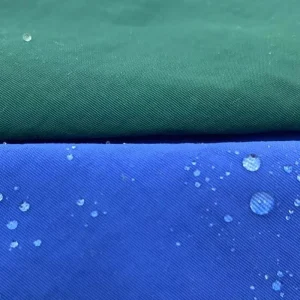
- Any functional finish applied after dyeing
If finishing changes the shade or touch, approval needs to reflect the finished fabric rather than an intermediate state. Sample yardage can provide a more representative basis for garment trials when the development risk justifies it.
Connect Bulk Production to the Approved Sample
Once the lab dip is approved, record the code and retain the physical reference. Bulk review should use the same viewing conditions and compare production against that approved standard. Shade continuity within a roll and variation between rolls may also need to be checked according to the order requirement.
Color approval is faster when every stage answers a defined question: the lab dip establishes the color direction, sample yardage confirms the result on the selected construction where needed, and bulk inspection checks production against the retained standard. This sequence reduces subjective back-and-forth and gives both teams a reliable record of the final decision.