




How to Dye Cotton Fabric for Apparel and Mill Programs
For apparel buyers, how to dye cotton fabric starts with fiber preparation and a dye class that bonds to cellulose—not a grocery-kit recipe. Scouring and a clean white base decide whether shade lands evenly; reactive, direct, vat, and sulfur systems then trade washfastness, cost, and look; colorfastness methods on the RFQ make “good color” measurable. This guide walks that buyer path, then shows when ready-dyed cotton is smarter than commission dyeing, with one published mill-dyed tie-dye cotton program as an example—not the only dye method.
Prepare Cotton Fabric Before Dyeing
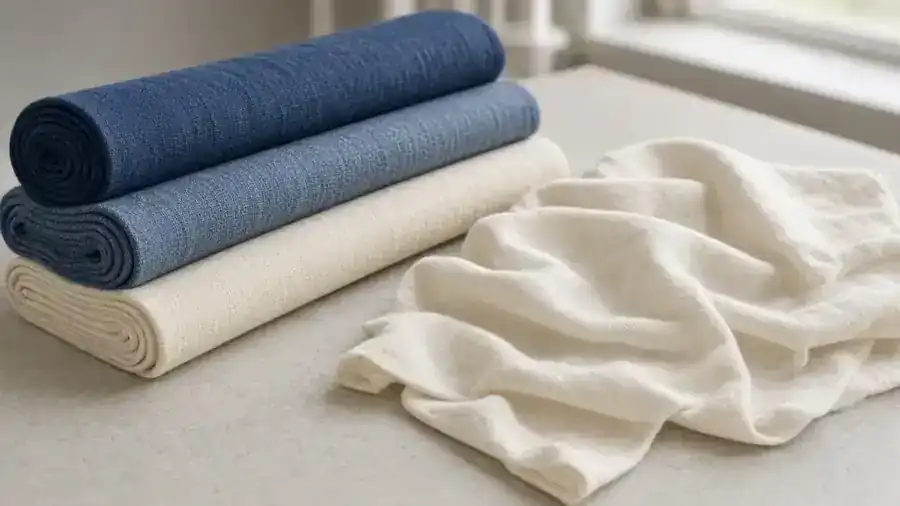
Prepare the cotton first. Dye chemistry cannot fix greige wax, sizing, or leftover alkali that block even uptake. CottonWorks frames preparation as the step that removes impurities, improves absorbency, and gets the substrate uniformly clean before color work begins.
Scouring is the baseline. A typical scour uses alkali (soda ash or caustic), a chelating agent for metals from fiber or water, and a surfactant so soils lift and stay suspended. Skip that cleanup and dark shades often look fine wet, then rinse pale or blotchy—the same failure hobby dyers report when unbleached cotton still carries mill sizing.
Bleaching is optional and shade-driven. Hydrogen peroxide bleaching is the common industrial route when you need a uniform white base for light or bright colors.
Time, temperature, and pH have to stay controlled so whiteness improves without needlessly damaging the fiber. Many deep shades can skip a bright white if scouring already delivered clean, absorbent cotton.
Mercerization is the quality upgrade, not a default on every lot. Concentrated caustic under tension rounds the cotton cross-section, opens the fiber for higher dye uptake, and can add strength and luster. Buyers chasing color depth problems or lots with immature fiber often ask whether mercerized goods are in scope.
Finish prep by rinsing and neutralizing. Residual alkali or peroxide that stays in the cloth shows up later as shade drift or fixation trouble. Absorbency, extract pH, and whiteness checks belong in the prep conversation before the first production dye lot.
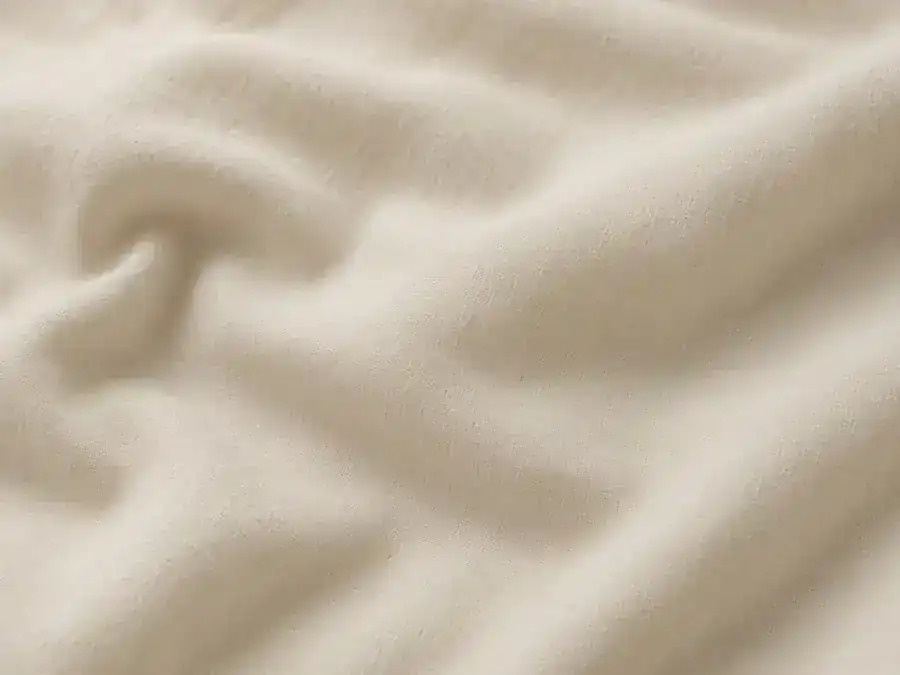
Important: Unprepared cotton and the wrong dye class often rinse pale after a promising wet shade. — source: CottonWorks dyeing preparation + archived r/Fabrics washout thread.
From the field: An archived r/Fabrics thread describes unbleached cotton dyed black and navy with household dye that rinsed to light purple. Replies stressed scouring out sizing and choosing fiber-reactive chemistry for dark cotton. (archived thread)
Dye Classes That Work on Cotton Fabric
Match the dye class to cellulose. Cotton is a cellulosic fiber; the chemistry that works on wool or polyester will not behave the same way here.
Fiber-reactive dyes are the washfast workhorse for cotton. They form covalent bonds with the fiber, which is why mills and serious hand dyers reach for fiber reactive dye cotton programs when wet fastness matters. Reactive systems also hydrolyze in water, so dye-house control and thorough wash-off after dyeing are part of the method—not optional extras.
Direct dyes are easier and often cheaper to apply, with short cycles and a wide shade range. The trade-off is limited brightness, weaker chlorine performance, and a usual need for after-treatments if wash fastness must hold up in consumer laundry.
Vat dyes start insoluble, are chemically reduced to enter the fiber, then oxidized back to an insoluble form. The route is more involved than direct dyeing and is valued when wash fastness is a priority.
Sulfur dyes sit in a cost-forward slot—especially for navy, dull greens, and industry-standard blacks. Lightfastness can be acceptable in deep shades, but crocking and chlorine sensitivity are common talking points on the RFQ.
Pigments are a different system. They sit on the surface with a binder rather than exhausting into the fiber like a true dye. Intense looks are possible, but binder load can change hand, and RFQ language should treat pigment coloration as surface color—not as exhaust dyeing.
| Dye class | What it is good at on cotton | Buyer watch-out |
|---|---|---|
| Fiber-reactive | Washfast covalent bond; broad bright shade work | Control hydrolysis; insist on full wash-off of unfixed dye |
| Direct | Fast, economical cycles; useful for some light shades | After-treatments for wash fastness; chlorine weakness |
| Vat | Strong wash performance after correct reduction/oxidation | Process complexity vs simpler reactive routes |
| Sulfur | Cost-efficient deep navies and blacks | Crocking risk; confirm wet rub expectations |
| Pigment (surface) | Intense surface color and some fluorescent looks | Binder hand; not the same as exhaust dyeing |
Independent dye educators make the same class point in plain language: fiber-reactive systems outlast all-purpose mixtures on cotton, while acid dyes meant for protein fibers and food coloring are the wrong tools for cellulose.
How Mill Dyeing of Cotton Usually Works
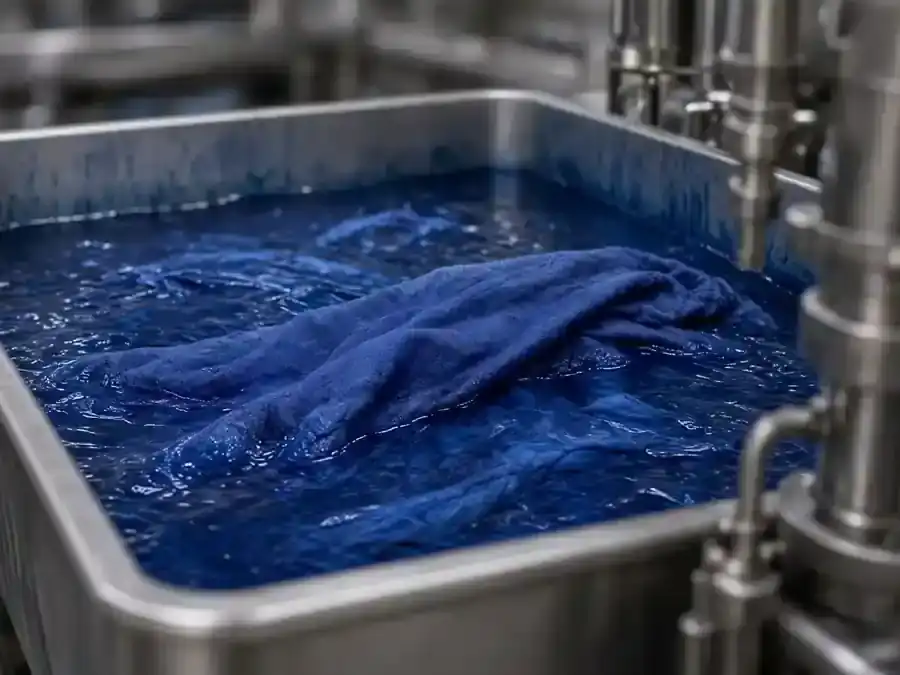
Think in three moves: get dye onto the fiber, fix it, then clear what did not fix. CottonWorks describes adsorption and diffusion into the substrate, leveling, fixation, then after-scouring to remove surface color that would otherwise hurt fastness and lot consistency.
For reactive exhaust dyeing, the classic logic is neutral exhaustion first—often with salt to encourage dye to move onto cotton while migration is still possible—then alkali to drive the fiber-dye reaction. Hydrolyzed dye that reacted with water instead of cellulose has to leave during rinsing and soaping. Incomplete wash-off is a frequent reason “washfast” reactive dyes still bleed in the customer’s first laundry cycles.
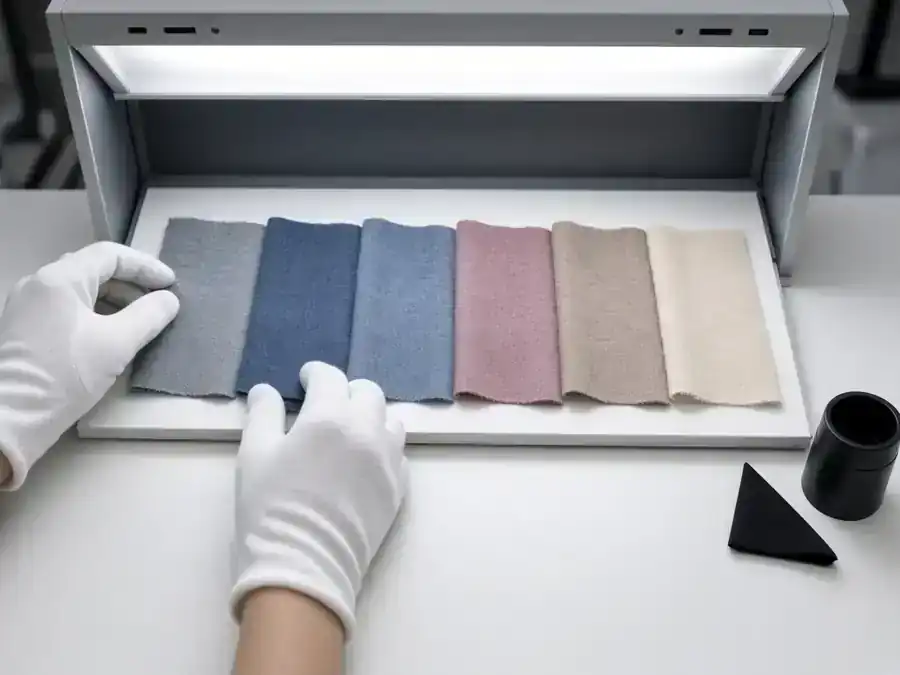
Shade is not only chemistry. Color depends on the object, the light, and the observer.
Agree lab dips under standardized illuminants, and prefer instrumental matching when lots must travel between supplier and brand sites. Yard-to-yard and lot-to-lot consistency is part of “how to dye” for apparel programs, not a separate QA afterthought.
Colorfastness Questions to Put on a Cotton Dye RFQ
Write methods, not adjectives. “Good colorfastness” is not a specification. Cotton fabric colorfastness questions from quilters and apparel buyers who fear washout and bleed are the same operational ask: will color stay put and stay off neighboring fabrics?
Name wash testing with a method such as AATCC TM61 (accelerated laundering). The published method summary explains that one roughly 45-minute accelerated run is intended to approximate color change from about five typical hand or home launderings, with options that may include detergent and chlorine conditions depending on the procedure chosen. Agree the option and the minimum grade to your end use.
Name crocking with AATCC TM8. Dry and wet rub tests measure color transferred by rubbing onto a white cloth—critical for dark cottons, sulfur programs, and any garment that will contact light lining or skin.
Add light and perspiration methods when the garment’s end use earns them (outdoor exposure, next-to-skin styles). Keep grades negotiated to the program; do not invent numbers the mill has not reported for that lot.
| RFQ ask | Why it matters | Notes for buyers |
|---|---|---|
| Wash method (e.g., AATCC TM61 option) | Consumer laundry color change and staining risk | Agree option, grade, and multi-fiber adjacent fabric |
| Dry / wet crock (e.g., AATCC TM8) | Rub-off onto skin, lining, or packaging | Dark shades and sulfur blacks need explicit wet rub targets |
| Lightfastness method | Fade under display or outdoor wear | Specify when the program is sun-exposed |
| Illuminant / lab-dip approval | Lot matching between brand and mill | Lock light sources before bulk |
| Fiber content confirmation | Blend dyeing behavior | Cotton dyes do not automatically color polyester |
Tip: Put the method names on the RFQ before you argue about price. A cheaper dye class that fails wet crock on a dark casual shirt costs more in returns than a clearer reactive program with agreed wash-off. — source: AATCC TM61/TM8 method summaries + buyer bleed concerns in archived r/quilting.
When to Buy Ready-Dyed Cotton vs Commission Dyeing
Choose the buying path after the chemistry literacy—not before. Ready-dyed or patterned cotton fabric shortens sampling when the look already exists in a mill program. Commission dyeing undyed or prepared-for-dye cotton wins when you need a controlled solid shade, a branded Pantone match, or construction/weight that the ready program does not stock.
Buy ready-dyed when calendar pressure is real, when a patterned or tie-dye aesthetic is the product story, and when published construction and weight already fit the garment. Buy commission dye when shade banks, lab dips, and lot continuity matter more than a finished pattern on day one.
Shengchao’s cotton hub at Cotton Fabrics is the browsing entry for cotton programs. For lighter solid cotton goods that may still need a dye-house route, the published 100% Cotton Fabric page lists Composition 100% Cotton, Width 185 cm, and Weight options at 130 / 160 / 180 g/m²—useful adjacency when a heavier patterned twill is not the right blank.
Why Cotton Dye Jobs Fail: Uneven Shade, Bleed, and Wrong Class
Most failures are boring and preventable. Uneven shade usually traces to incomplete scouring, residual size, or goods that were not neutralized after prep.
Bleed and staining after sale often trace to unfixed or hydrolyzed dye left in the cloth. Pale rinse-outs after a promising wet shade often mean the dye class never bonded well to cellulose—household all-purpose mixtures are a frequent culprit in craft stories and a warning for any buyer who confuses “works on everything” packaging with mill washfastness.
Blends deserve a separate check. Cotton-polyester goods may take cotton dyes on the cellulose portion while polyester stays lighter, producing a heathered or muted look unless the program plans a system for both fibers. Confirm composition on the tech pack before you assume a 100% cotton reactive route.
Wrong illuminants create “the shade changed” disputes that are really viewing condition disputes. Lock lab-dip light sources early.
Choose Tie-Dye Cotton Fabric for Ready Patterned Cotton Programs
When the program wants mill-dyed patterned cotton rather than a solid commission shade, use a published ready program as the example—not as proof that tie-dye is the only way to dye cotton.
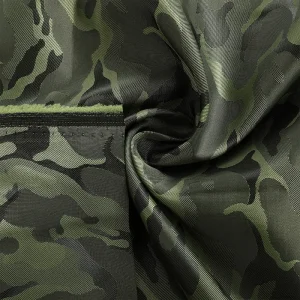
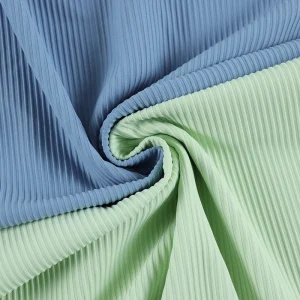
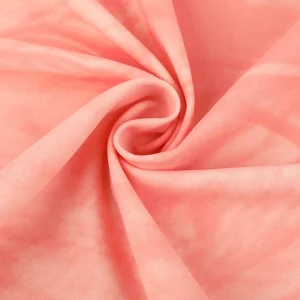
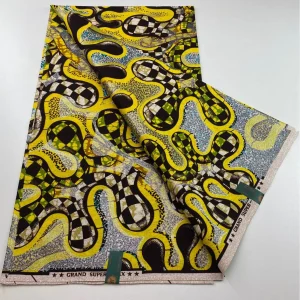
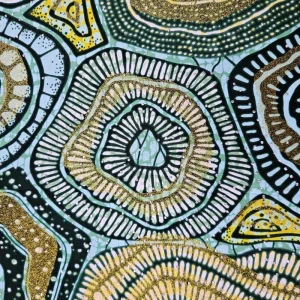
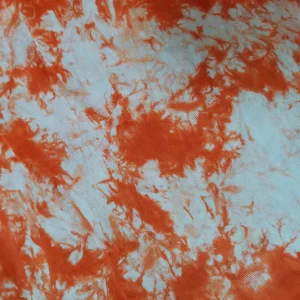
Tie-Dye Cotton Fabric is listed as 100% cotton with dyeing process Tie-Dye, Yarn Count 1612, Density 10856, Width 148 cm, Weight 270 g/㎡, Weave Structure Twill, for shirts, dresses, and casual wear. That is a medium-weight woven cotton story with a patterned dye process already on the goods—useful when speed-to-sample beats building a solid shade bank from greige.
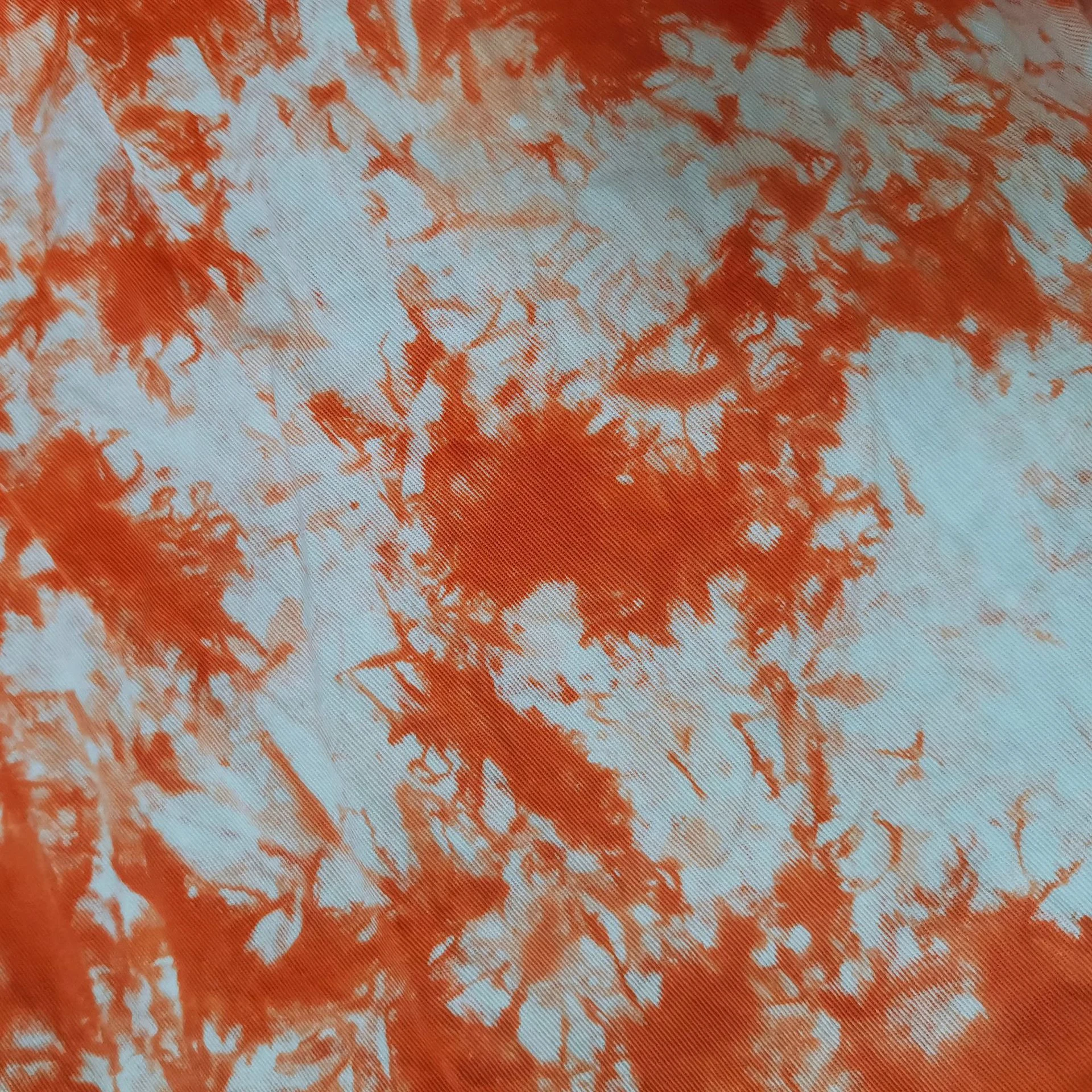
Skip this SKU when you need a custom solid Pantone, a lighter GSM than the published 270 g/㎡, or undyed base cloth for commission dyeing—then evaluate lighter 100% cotton options or a dye-house route instead. Attach end use, target look, and colorfastness methods when you inquire; do not treat marketing adjectives on any product page as a substitute for agreed test methods.
FAQ
What dye works best on cotton fabric for washfast results?
Fiber-reactive dyes are the usual washfast choice for cotton cellulose because they form covalent bonds with the fiber. Direct, vat, and sulfur systems remain valid for specific cost and shade jobs, but they carry different wet-rub and chlorine trade-offs. Household all-purpose mixtures often underperform reactive systems on dark cotton.
Do you need to wash or scour cotton before dyeing?
Yes. Scouring removes wax, oil, and sizing so dye can penetrate evenly. Unprepared greige cotton is a leading cause of blotchy shade and pale rinse-outs.
Why did my dyed cotton rinse lighter or wash out?
Common causes are leftover sizing, the wrong dye class for cellulose, and unfixed or hydrolyzed dye that was never washed out after dyeing. Wet shade that looks rich is not proof of fixation.
What is the difference between fiber-reactive and all-purpose dye on cotton?
Fiber-reactive dyes are built to bond with cellulose under alkaline fixation. All-purpose or “works on everything” products are mixtures; much of the color may not stick to cotton, so washfastness is often weaker—especially on dark shades.
Can cotton-polyester blends be dyed like 100% cotton?
Not safely assumed. Cotton dyes target cellulose; polyester may stay lighter and create a heathered look unless the program uses a system planned for both fibers. Confirm fiber content first.
What colorfastness tests should an apparel RFQ request?
At minimum, name a wash method such as AATCC TM61 and dry/wet crock such as AATCC TM8, then add light or perspiration methods when the end use needs them. Agree grades to the garment, not to a vague “excellent” claim.
When should a brand buy ready-dyed cotton vs commission dyeing?
Buy ready-dyed or patterned cotton when calendar speed and an existing mill look matter. Commission dye when shade control, lab dips, and lot continuity dominate. Construction and weight still have to fit the garment either way.
Is tie-dye the only way mills dye cotton fabric?
No. Tie-dye is one patterned mill process.
Solid reactive, direct, vat, and sulfur programs—and pigment coloration—are separate routes. Use a tie-dye cotton SKU as a ready-patterned example, not as the definition of dyeing cotton.
References
- CottonWorks™ — Dyeing Preparation
- CottonWorks™ — Dyeing Basics
- AATCC — TM61 Colorfastness to Laundering: Accelerated (method summary)
- AATCC — TM8 Colorfastness to Crocking: Crockmeter (method summary)
- Paula Burch — How can I dye cotton?
- Textile Blog — Dyeing of Cotton Fabric with Reactive Dyes
- Reddit r/Fabrics (Wayback) — Dying Unbleached Cotton
- Reddit r/quilting (Wayback) — Can you dye quilt fabric?