












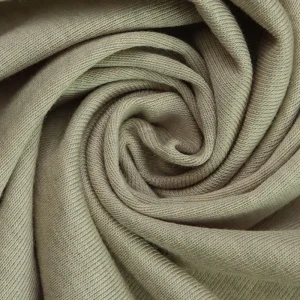
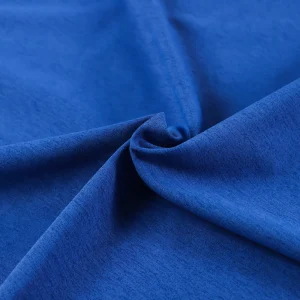
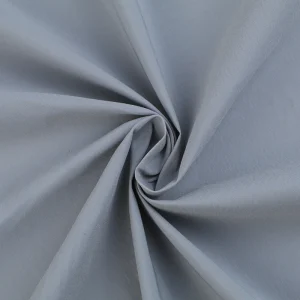
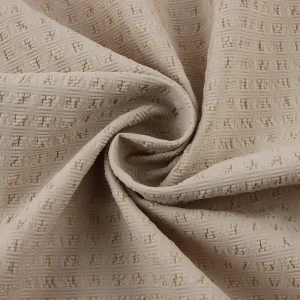
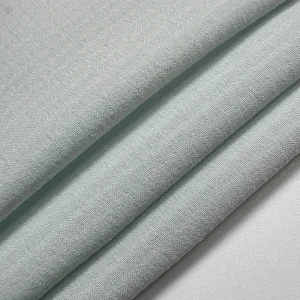
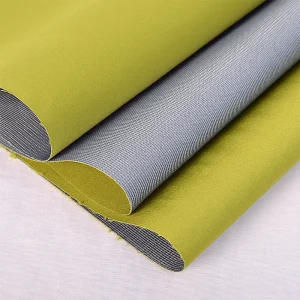

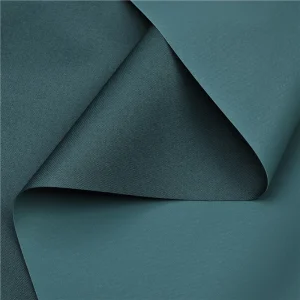
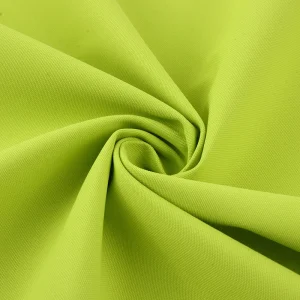
Recycled Fabric Options for Activewear Development
Recycled content is now part of many activewear briefs, but fiber origin alone does not determine whether a fabric is suitable for leggings, sports bras, training tops or swim-related garments. The construction still needs to deliver the required stretch, recovery, opacity, hand feel and appearance. Shengchao Textile is organizing recycled polyester and recycled nylon directions around these garment-level decisions so sourcing teams can compare options on more than one claim.
Choose the Fiber Direction Around the Garment
Recycled polyester-spandex can be considered for a broad range of active and athleisure garments where color development, durability and practical care are important. Recycled nylon-spandex is often evaluated when the brief calls for a smooth hand feel, close fit and refined surface. Neither route is automatically correct for every program. The intended garment, target weight, stretch ratio, finish and price position should guide the selection.
A fabric intended for high-waist leggings may require a compact structure, reliable recovery and sufficient coverage under extension. A training top may prioritize lower weight, air permeability and moisture movement. Swim and studio-wear programs may place greater emphasis on surface appearance, chlorine-related testing or a soft next-to-skin feel. These requirements should be stated before the fiber blend is finalized.
Evaluate Performance on the Actual Construction
Changing to recycled yarn can affect availability, yarn specification and the development route, so approval should be based on the sampled fabric rather than on a generic material statement. Shengchao recommends checking:
- Fabric weight, usable width and construction stability
- Stretch percentage and recovery after extension
- Opacity at the intended garment stretch
- Colorfastness and shade consistency for the selected color
- Pilling, abrasion or wash performance where required
- Hand feel before and after the agreed finishing process
Testing requirements vary by product and market. The customer should identify the applicable method and acceptance level so the sample and bulk fabric can be assessed against the same standard.
Confirm Documentation Before Ordering
“Recycled” should not be treated as a decorative product label. Buyers may need information about yarn source, recycled-content documentation, transaction records or testing that relates to a particular order. The exact documents available can depend on the selected material and supply route. These requirements should therefore be raised during development, not after production is complete.
Shengchao can review the requested documentation with the fabric specification and advise what must be confirmed with the relevant material source. Claims used on garment labels, packaging or marketing remain subject to the customer’s destination-market requirements and the supporting documents agreed for the order.
Keep the Approval Standard Practical
A recycled activewear program should still follow the same disciplined approval route as any other performance fabric: confirm the construction, approve color and hand feel, record test requirements and retain the agreed sample as the production reference. If the customer is replacing an existing fabric, sending a physical benchmark helps the team compare weight, touch, stretch and surface more accurately.
The objective is not simply to add another recycled option to a collection. It is to develop a fabric that meets the garment brief while giving the buying team a clear basis for material selection, approval and order documentation.