







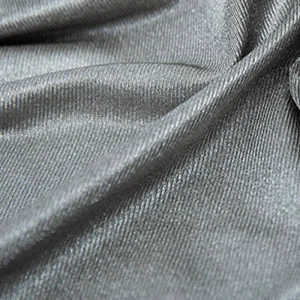
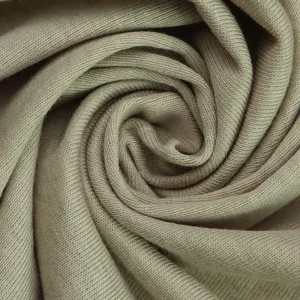
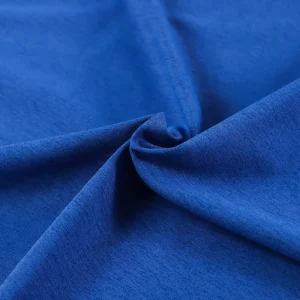

Types of Lining Fabric for Apparel Buyers
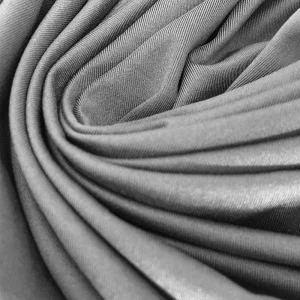
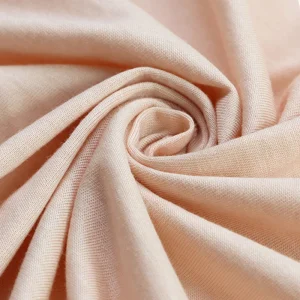
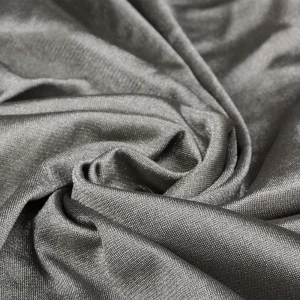
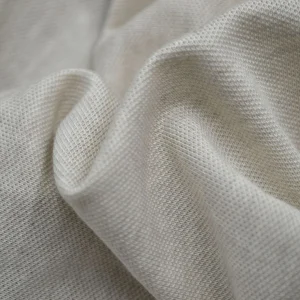
For apparel buyers, types of lining fabric are the inner-layer materials—grouped by fiber and by weave or stretch—that finish a garment, help it slide on, and must match the shell’s weight, care, and movement. This article maps lining versus underlining and interlining, walks through common fiber and construction types, matches them to jackets, dresses, and bags, and shows when a woven polyester jacket lining is a practical mill sample.
What Types of Lining Fabric Mean for Apparel Buyers
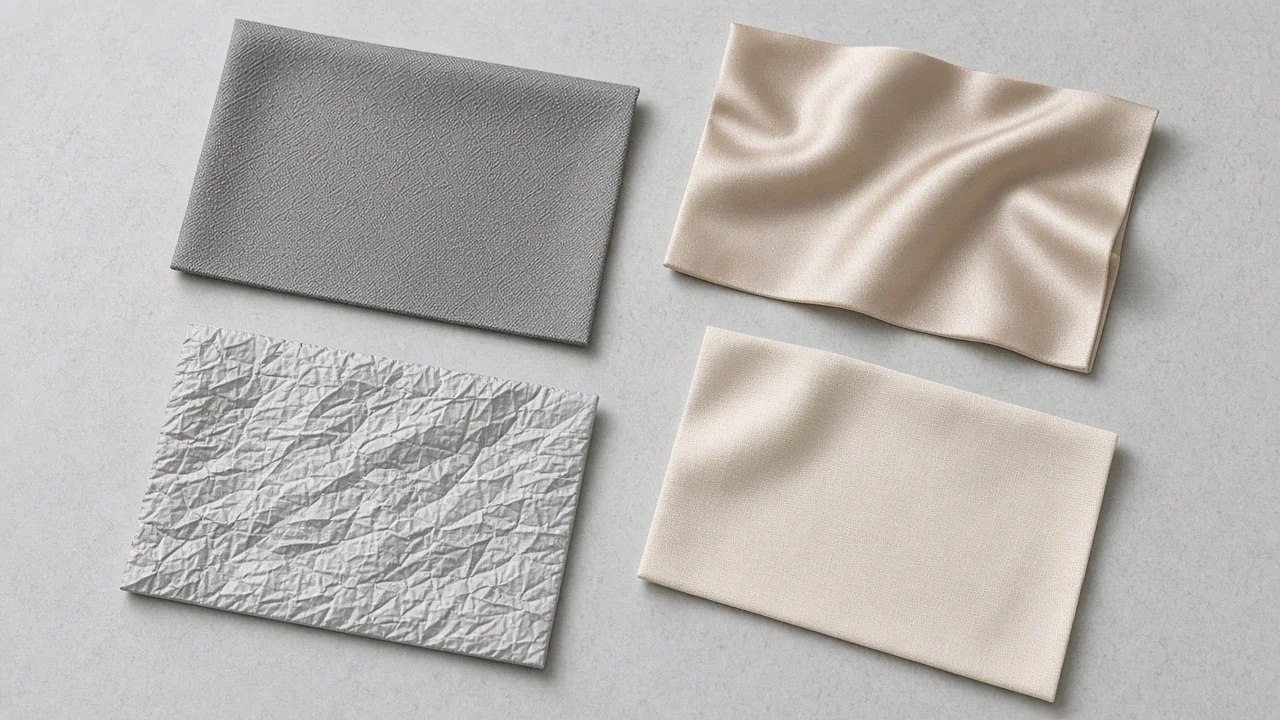
For apparel development, lining types are fiber and construction options matched to a garment job—not a single universal “best” fabric sold by the yard.
Search results often list silk, polyester, cupro, satin, and cotton as if the buyer only needs a shopping list. Procurement and product teams still need a sharper frame: what job the inside layer must do, how it moves with the shell, and which published mill specs support sampling.
A lining is usually a separate inner layer attached at the edges. It can hide seams and interfacing, add opacity, improve slide-on comfort, protect the shell from abrasion and perspiration, and sometimes add warmth. The right shortlist starts from that job list, then from fiber and construction.
Browse Shengchao’s lining fabric hub after you lock the type you want to sample.
Lining, Underlining, and Interlining: Different Layers
Lining finishes the interior; underlining supports the shell; interlining adds warmth or bulk between layers—lining vs underlining is not a naming preference.
| Layer | How it is used | What it mainly does | When buyers reach for it |
|---|---|---|---|
| Lining | Separate inner “garment” attached at edges | Finish, slip, opacity, conceal construction | Jackets, coats, dresses, skirts, trousers |
| Partial lining | Covers only part of the interior | Same benefits with less bulk or more breathability | Warm-climate jackets; selective modesty zones |
| Underlining | Cut with each shell piece and sewn as one with it | Body, opacity, or support for the shell itself | Sheer or fragile shells (lace, chiffon) |
| Interlining | Extra layer between shell and lining | Warmth, insulation, sometimes durability | Coats and structured outerwear |
Mixing these terms on a tech pack creates wrong samples. If the pattern needs underlining for opacity, ordering “lining only” will not solve see-through. If the coat needs interlining for warmth, a lighter satin lining alone will not deliver that middle layer.
Types of Lining Fabric by Fiber
Polyester, acetate, viscose/rayon, cupro, silk, and cotton each trade slip, breathability, cost, and care.
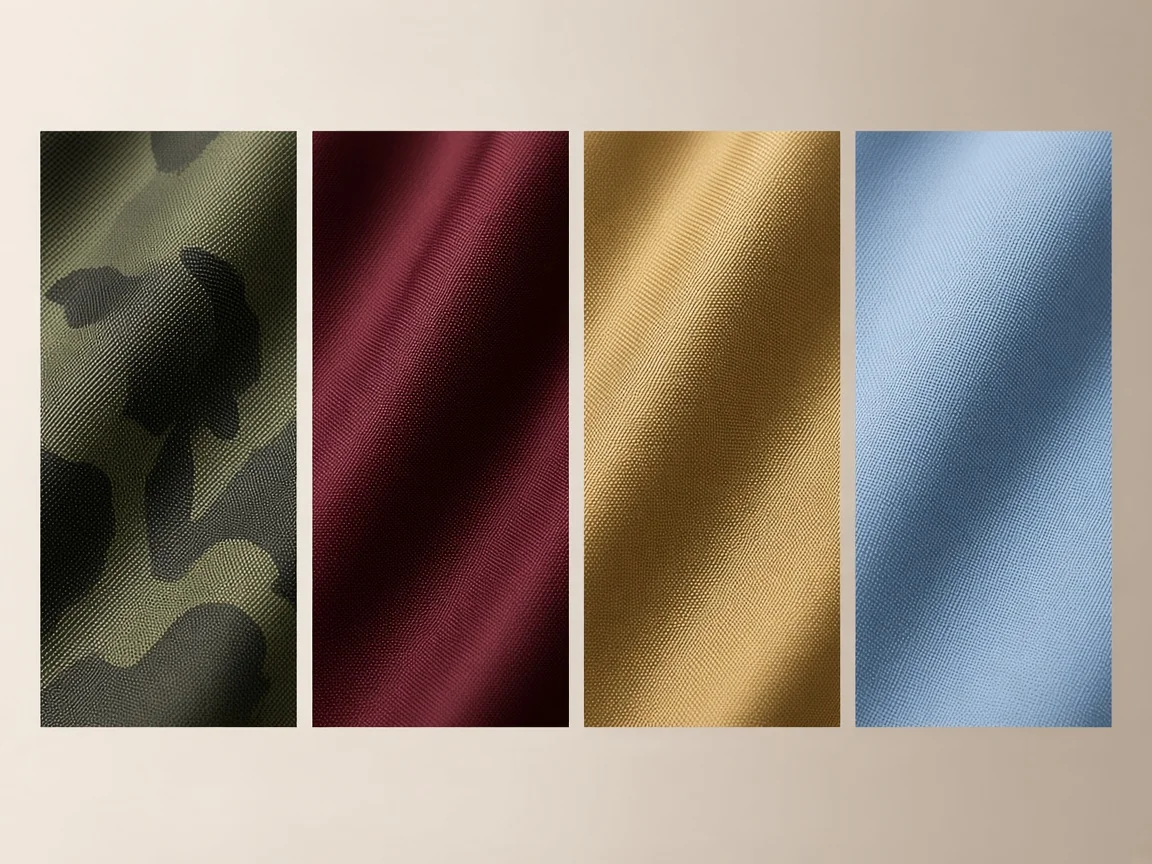
| Fiber type | What buyers usually get | Common strengths | Common watch-outs |
|---|---|---|---|
| Polyester | Durable, easy-care commercial lining | Slip, wrinkle resistance, cost, wash stories | Less breathable; static and cling can appear |
| Acetate | Smooth, often lustrous formal lining | Drape and occasion-wear look | Heat sensitivity; durability weaker than polyester |
| Viscose / rayon | Soft regenerated cellulose lining | Breathable hand; good drape | Wet strength and shrinkage need process care |
| Cupro / Bemberg | Premium regenerated cellulose lining | Smooth slip, moisture comfort, anti-static reputation | Higher cost; smaller global fiber share than polyester |
| Silk (habotai / China silk) | Luxury lightweight lining | Hand, breathability, temperature feel | Cost and delicate care |
| Cotton (lawn, batiste, voile) | Natural summer lining | Breathable, skin-friendly, washable options | Less slippery; wrinkles or cling possible |
Industry fiber data puts polyester far ahead of manmade cellulosics such as viscose, acetate, and cupro in global volume. That market reality explains why mass apparel still samples polyester linings even when premium jackets chase cupro comfort.
Types of Lining Fabric by Construction
Satin, taffeta, twill, stretch linings, and insulated options behave differently inside garments—even when two fabrics share the same fiber name.
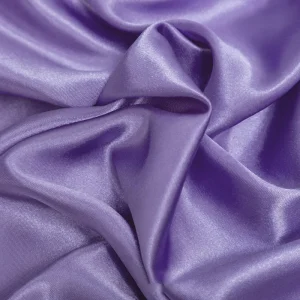
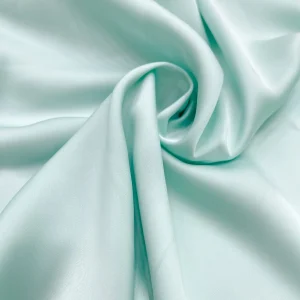
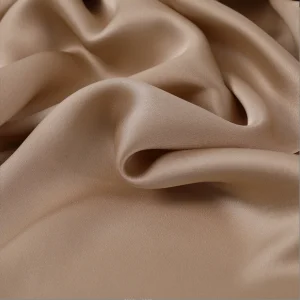
- Satin weave linings: glossy face and slip; common for jackets, gowns, and coats that must slide over shirts or skirts.
- Taffeta: fine, crisp plain weave with lustrous surface; holds shape in eveningwear and structured bodices.
- Twill linings: denser hand often used for coats; can feel more substantial than china-silk styles.
- Stretch linings: woven or knit constructions that extend with stretch shells (stretch taffeta, stretch satin, knit interlock/tricot families).
- Insulated constructions: fleece, Sherpa, quilted, or similar warm layers for cold outerwear—closer to interlining jobs when bulk and warmth dominate.
Match construction to silhouette first. A fluid dress shell fights a stiff taffeta lining. A structured coat can look unfinished with a lining that collapses or twists against the shell.
Match Lining Types to Jackets, Dresses, and Bags
Jackets need slip and a clean interior finish; dresses need opacity and often stretch; bags need a durable inner cover.
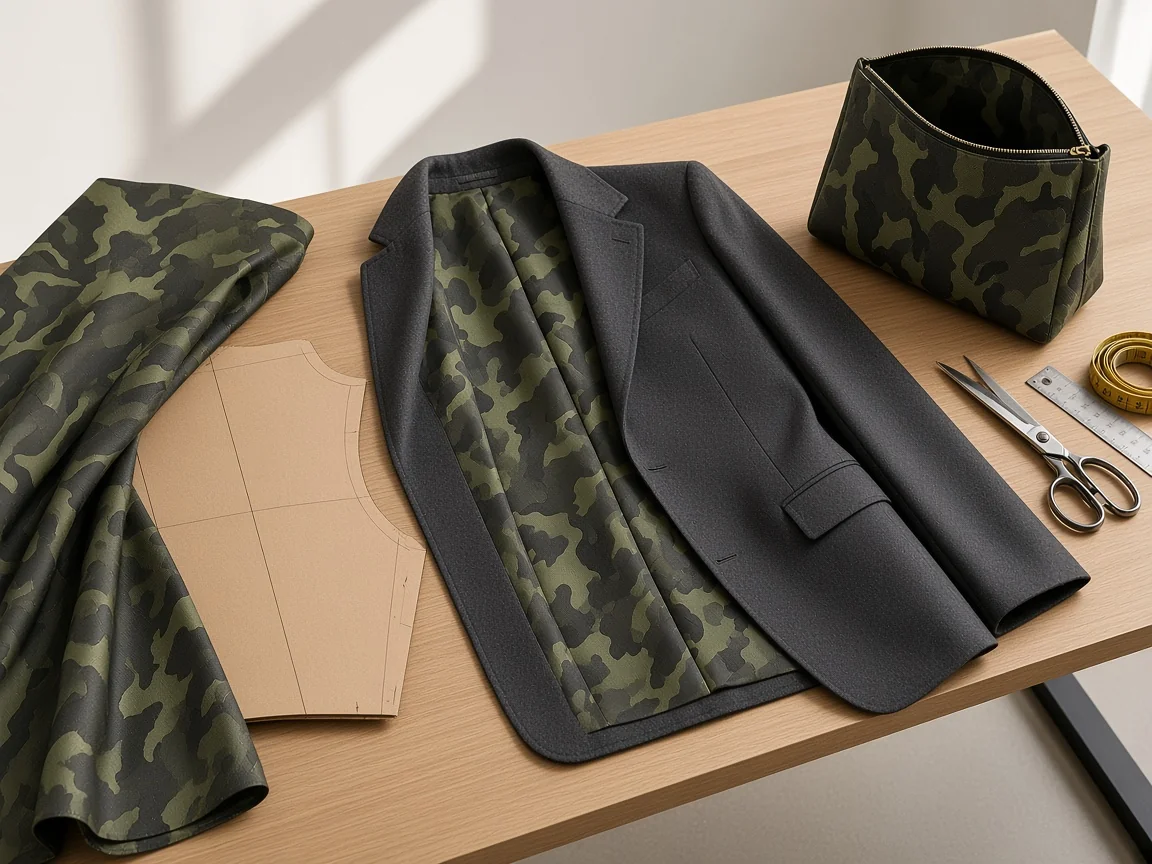
| End use | Primary lining jobs | Types that usually fit | What to confirm on a sheet |
|---|---|---|---|
| Jacket / blazer / coat | Slip over shirts; hide construction; sometimes warmth | Polyester satin/twill/jacquard; cupro; silk; insulated options for winter | Width, weight, weave, stretch (usually low), care match |
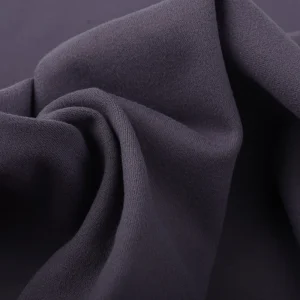
| Dress / skirt lining | Opacity; anti-cling; move with the hem | Cupro, viscose, silk, cotton lawn; stretch lining for knits | Opacity, static behavior, stretch recovery |
| Bag / luggage | Cover seams; abrasion inside the bag | Durable woven polyester or similar easy-care linings | Abrasion, colorfastness, seam finish—not only garment slip |
A jacket lining fabric decision is not automatically the right bag lining, even from the same mill category. Keep end-use language on the RFQ so sampling does not collapse into one generic “lining” SKU.
When Stretch Lining Matters
If the shell stretches, the lining usually needs to stretch with it—especially on fitted dresses and knit garments.
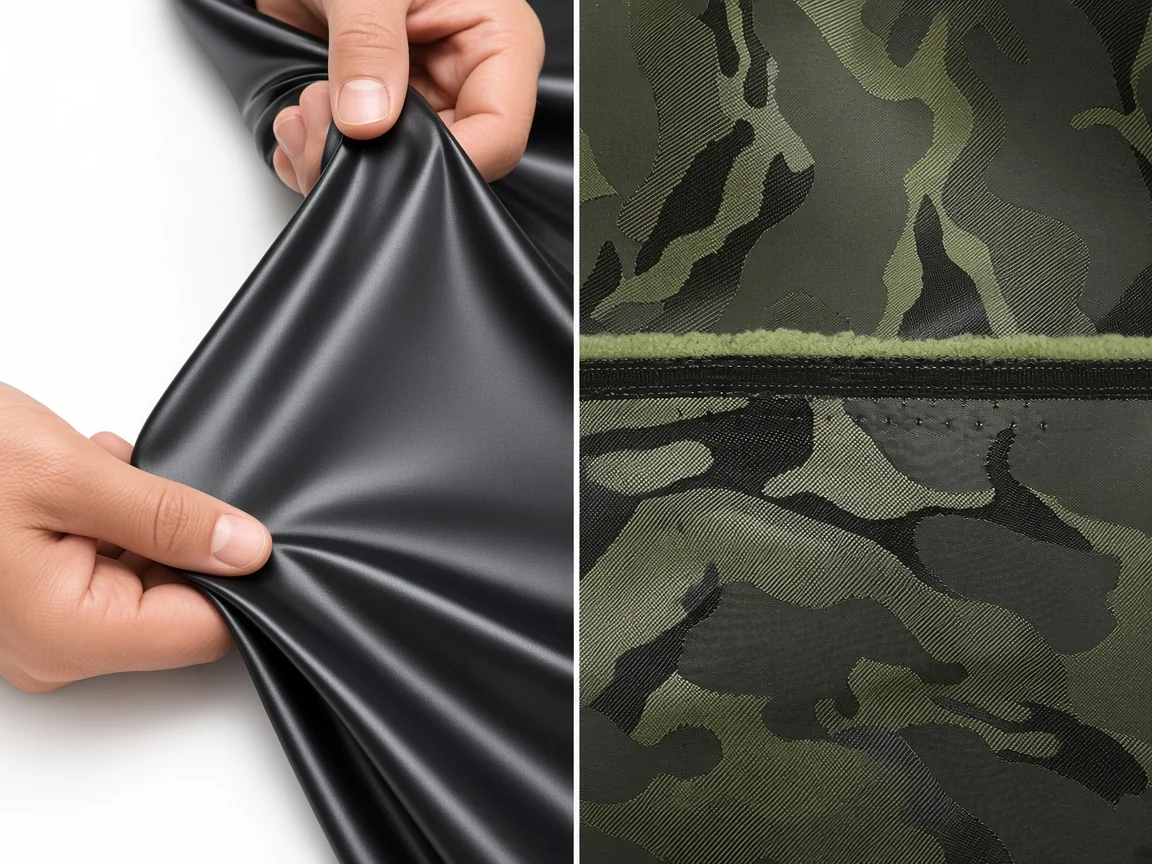
Non-stretch woven lining inside a stretch dress is a classic ride-up complaint: the shell extends, the lining does not, and the hem climbs. Sewing education consistently recommends stretch lining fabric—stretch taffeta, stretch satin, or knit families—when the outer fabric has stretch.
In US English product language, name the elastomeric fiber as spandex when a stretch lining composition includes it. Do not assume every “stretch lining” listing publishes a spandex percentage—ask for the composition on the mill sheet.
Shengchao also publishes a stretch dress lining for literacy when that path is the real end use; it should not replace a jacket lining recommendation when the garment is a woven blazer.
Breathability, Static, and Comfort Trade-offs
Polyester is durable and easy-care; cupro and silk often win when breathability and anti-cling matter most.
From the field: Home sewists and pattern educators repeatedly flag polyester linings as less breathable and more static-prone than cupro or silk, wiile still calling polyester the practical budget and care choice for many garments (archived r/sewing lining discussion; Minerva selection guidance). Treat that as a comfort trade-off to discuss in sampling—not as a blanket ban on polyester for jackets that need washable, wrinkle-resistant insides.
If the shell is a breathable wool or linen and the wearer complains about heat or cling, a cupro or viscose lining may be the better comfort match. If the program needs easy care, color consistency, and cost control, polyester remains the commercial default—especially when the published construction already delivers the required slip and weight.
How to Choose—and a Jacket Lining Fabric Option
Match weight, drape, care, and stretch to the shell first, then sample a published jacket lining when woven polyester fits the brief.
Practical selection order:
- Confirm the layer type (lining vs underlining vs interlining).
- Lock end use (jacket, dress, bag).
- Match stretch: stretch shell → stretch lining.
- Choose fiber for care and comfort priorities.
- Choose construction for slip, crispness, or insulation.
- Keep the lining lighter than the shell so it does not overpower drape.
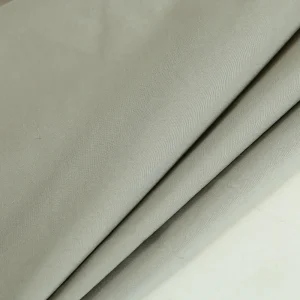
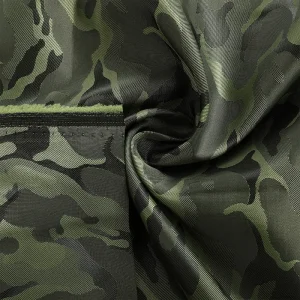
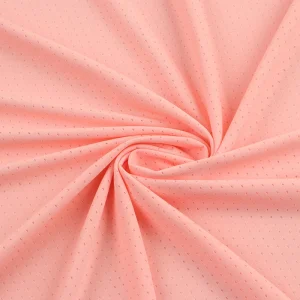
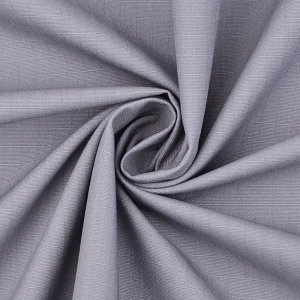
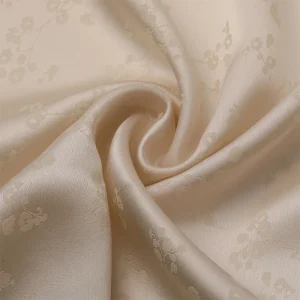
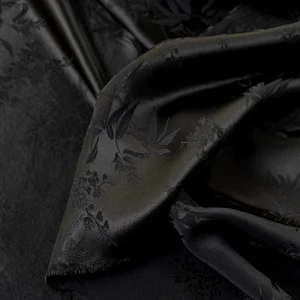
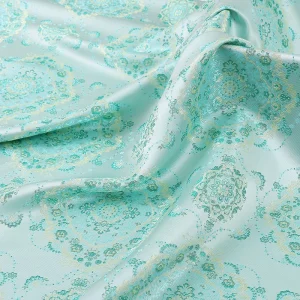
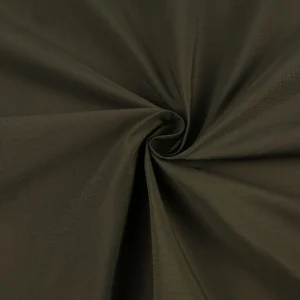
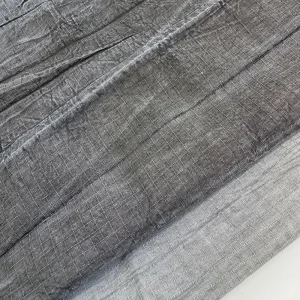
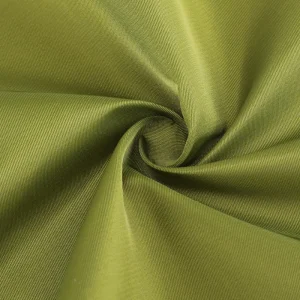
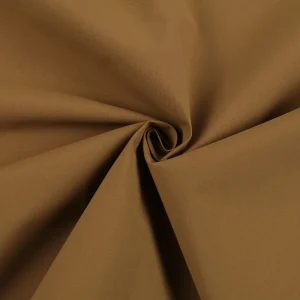
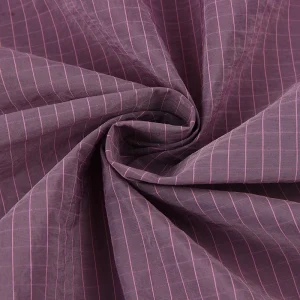
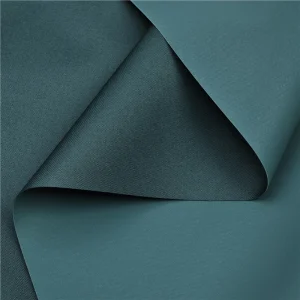
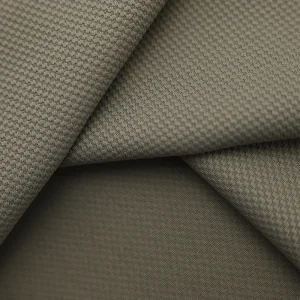
When the brief is a woven jacket or coat that needs a finished interior with commercial polyester care, Shengchao’s Jacket Lining Fabric is a concrete sample path: 100% polyester, fine woven jacquard, 80 g/m², 150 cm width, yarn count 68D × 75D.
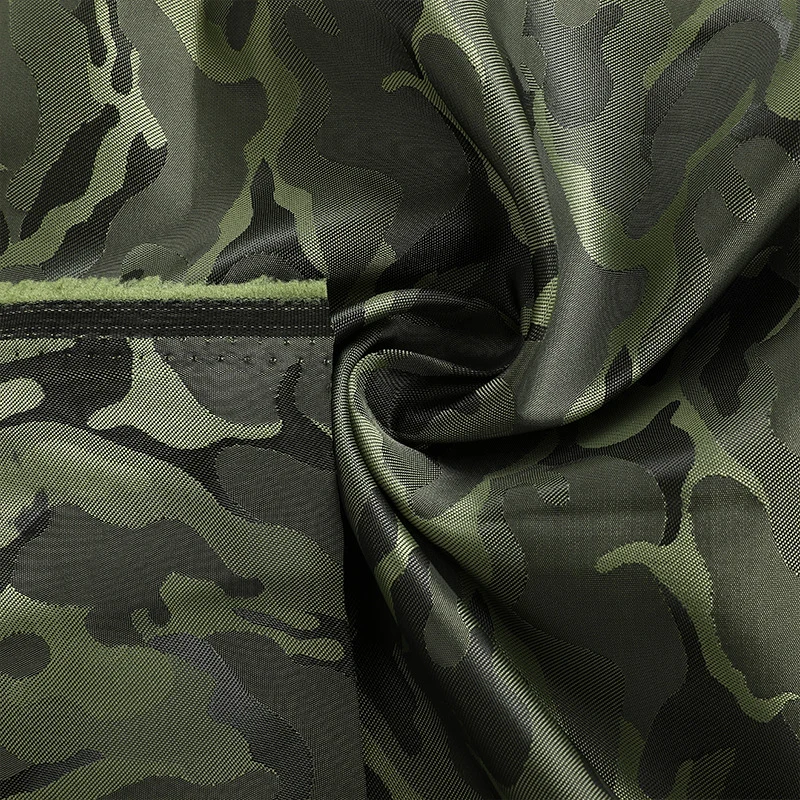
That SKU is not a stretch dress lining and not a claim that polyester beats cupro on every comfort metric. It is a published mill option when the taxonomy points to a lightweight woven polyester jacket lining.
FAQ
What are the main types of lining fabric?
The main types group by fiber—polyester, acetate, viscose/rayon, cupro, silk, cotton—and by construction—satin, taffeta, twill, stretch linings, and insulated options such as fleece or quilted layers.
What is the difference between lining, underlining, and interlining?
A lining is a separate inner layer attached at the edges. Underlining is cut with the shell and sewn as one with it for body or opacity. Interlining sits between shell and lining for warmth or support.
What type of fabric is best for lining a jacket?
There is no universal best. Jackets usually need slip and a clean finish; cupro and silk are comfort favorites, while polyester satin, twill, or jacquard linings are common commercial choices for care and cost.
What fabric is best to line skirts or dresses?
Skirts and dresses often need opacity and anti-cling. Cupro, viscose, silk, or cotton lawn are common; stretch linings fit knit or stretch shells so the hem does not ride up.
Should lining stretch if the shell fabric stretches?
Yes in most fitted or knit garments. A non-stretch lining inside a stretch shell is a frequent cause of ride-up and twisting.
Why do some sewists avoid polyester lining?
Community and education sources often criticize polyester for lower breathability and static cling. It remains widely used when durability, price, and easy care matter more than that comfort profile.
Is cupro the same as Bemberg?
Bemberg is a widely used brand name for cupro regenerated cellulose fiber. Buyers often use the names interchangeably when discussing premium breathable linings.
Do bags use the same lining types as jackets?
Not always. Bags need durable inner coverage and abrasion resistance more than sleeve slip. Confirm bag end use on the RFQ instead of copying a jacket lining choice by default.
References
- Textile Exchange Materials Market Report 2025 (PDF) — global fiber and MMCF context for polyester vs cupro/viscose/acetate.
- Asahi Kasei Bemberg™ fiber leaflet (PDF) — cupro/Bemberg lining fiber properties (smooth hand, moisture comfort, sleeve slip).
- BERNINA Blog: 3 Types of Garment Lining (archived) — full, partial, and underlining method distinctions.
- Minerva Patterns: How to Choose Lining Fabric — lining jobs, fiber trade-offs, weight/drape/care matching.
- Archived r/sewing: How am I supposed to buy lining? — user language on breathable Bemberg/cupro vs polyester lining comfort.