



















































































































What Is The Fabric Used For Swimwear?
The fabric used for modern swimwear is usually a stretch knit shell of nylon or polyester blended with spandex. That is the plain answer to what is the fabric used for swimwear: a swimsuit fabric built as an outer shell, not cotton, and not the same decision as lining. This page defines that shell, separates base yarn from stretch yarn, contrasts shell and lining, then shows how one published nylon-spandex mill card lists Swimwear in Application.
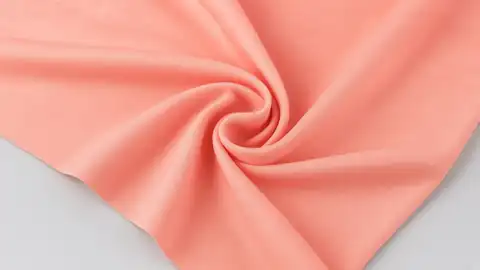
What Swimwear Shell Fabric Actually Means
Swimwear shell fabric is the outer stretch knit that forms the visible body of a swimsuit.
Textile scientists describe modern swimwear as polyester or polyamide—typically nylon—combined with elastomeric fibers known in US commerce as spandex (or Lycra as a brand name). Encyclopedic materials notes place nylon and spandex together from the 1960s onward, with polyester rising as a durable shell option. Museum histories show the same shift from heavy wet natural cloths toward nylon and polyester shells joined with stretch yarns.
In buying language, swimsuit fabric usually means that shell. It has to stay close when wet, dry faster than cotton, and return after stretch. Natural fibers such as cotton hold water and lose shape in immersion use, which is why they rarely serve as the immersion shell.
A short history helps the definition without rewriting a types catalog. Early bathing clothes used wool and other heavy cloths. Mid-century synthetics and later nylon-plus-spandex shells set the modern expectation for a close, quick-drying outer cloth.
| Shell component | Role in the definition |
|---|---|
| Nylon or polyester base | Structural synthetic that carries most of the cloth |
| Spandex | Stretch and recovery share in the blend |
| Stretch-knit construction | How the yarns are looped so the cloth moves with the body |
Why Spandex Belongs in Swimwear Fabric
Spandex is the stretch share that helps a swim shell hug and snap back after movement.
Without that elastomeric share, a synthetic knit may feel limp when wet or fail to follow a close-fit pattern. Science writing on swim materials treats the spandex (elastane) component as essential for body-hugging fit and also as the more chemically vulnerable part of many blends under chlorine, heat, and sunlight stress.
Care language follows from that vulnerability. Textile scientists recommend rinsing swimwear after pool or ocean exposure in cold or lukewarm water and drying away from harsh heat and direct sun. That care tip protects the stretch share; it is not a lab rating for any one mill card.
US English labels print spandex. European cards may print elastane for the same fiber family.
Lycra names a trademarked elastomeric fiber line rather than a separate generic fiber. On this site’s US market copy, keep saying spandex in your own notes and briefs.
Nylon or Polyester as the Base Yarn
Both nylon and polyester are common base yarns for swimwear shells; the choice is a soft trade-off, not a single winner.
Nylon (polyamide) is often framed for a softer fashion hand in solid-color beach and resort programs. Polyester is often framed when color hold, print routes, or frequent chlorinated-pool talk lead the brief. Commercial swim guides and live AI Overviews repeat that split as industry orientation.
Neither base replaces spandex. A nylon shell and a polyester shell both need a stretch share to behave like modern swimwear fabric. Specialty training programs may later ask for PBT or named chlorine-oriented stretch grades; those are program options beyond the basic shell definition and beyond any card that does not print those claims.
When a buyer asks only “what is the fabric,” answer with the shell idea first. Then name nylon-spandex or polyester-spandex as the two everyday base-plus-spandex families before opening a specific SKU.

Knit Structure, Stretch, and Recovery
Swim shells are usually stretch knits—often described as tricot or warp knit—rather than loose woven cotton.
Sewing educators note that tricot names how the knit is built, not a substitute fiber. Warp-knit swim shells are often sold under that tricot label.
A nylon-spandex tricot and a polyester-spandex tricot share a construction story and still differ as fiber families. Four-way stretch language means the cloth moves in length and width and then recovers; many fitted one-piece patterns expect that behavior.
Recovery matters as much as stretch distance. A shell that extends but does not return will bag at the seat or straps after swimming. Pattern sheets may allow two-way stretch for some two-piece cuts; when the brief is unclear, buyers usually sample four-way stretch shells first.
Do not invent a stretch percentage for a mill card that does not print one. Ask for a swatch stretch-and-return demo, or match a known reference garment, instead of guessing from marketing adjectives.
Shell Fabric Versus Swimwear Lining
Swim lining is usually a separate inner layer; it is not the same decision as naming the outer shell.
Encyclopedic notes say suits are often lined when the outer fabric becomes transparent when wet. Sewing guides describe self-lining, lighter swim lining knits, all-nylon linings common in ready-to-wear, and power mesh when a style needs more support. Those layers sit next to the skin and protect opacity or shape; they do not redefine what the outer swimsuit fabric is.
Pale colors, white panels, and thin fashion shells are the classic lining scenarios. A correct shell composition can still need lining for coverage. Conversely, a lined garment still needs a shell that stretches and recovers in water.
| Layer | Job | Typical buyer check |
|---|---|---|
| Shell | Visible outer swimwear fabric | Composition, weight, stated swim use, stretch behavior |
| Lining | Opacity, comfort, or support | Stretch match to shell; swim-grade rather than apparel lining leftovers |
Tip: Community sewists warn that unlabeled stretch knits are not automatically swim shells—look for swim-stated use plus a nylon or polyester base with a real spandex share. Working shop language often sits near mid-teen to low-twenty spandex shares. Treat that as buyer literacy, not a chlorine or UPF claim for any one mill card — source: r/sewing swimwear fabric thread (Wayback).
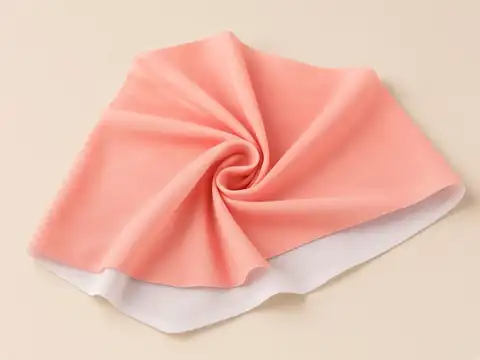
How to Read a Swimwear Fabric Card Before You Choose
A swimwear fabric card is useful when you read composition, weight, width, and application before marketing adjectives.
Start with fiber percentages by weight. Confirm a nylon or polyester base and a named spandex share.
Then read weight and width as cutting and hand cues. Finally check whether Application or end-use language includes swimwear, bikini, or related water apparel—not only generic “stretch knit.”
If chlorine-hour or UPF cells are blank, leave them blank in your brief. Ask the mill for separate test reports when a training program needs them. Do not invent numbers from soft marketing lines about durability or UV talk on an adjacent paragraph.
Card literacy closes the definition loop. Once you know what shell fabric means, a published card becomes an example rather than a mysterious product page.
Choose a Nylon Spandex Fabric Listed for Swimwear
Nylon Spandex Fabric is a published stretch-knit card whose Application line includes Swimwear.
The published card lists 75% nylon and 25% spandex, a width of 165 cm (selvage included), and a weight of 220G/m². Those four fields—composition, width, weight, and swimwear in Application—are the evidence-bound parameters for this example. They illustrate nylon spandex swimwear fabric as one commercial shell after the definition work above.

Use this card when a soft nylon-forward shell fits fashion or dual apparel briefs that already list swimwear among applications. Look elsewhere—or request further qualification—when the program needs printed chlorine-hour or UPF data on the same card, or when a polyester-forward print and pool brief is the primary base.
Browse the Swimwear & Bikini Fabric hub for related category options, or contact Shengchao when you need development matching against a reference swatch.
That path keeps the definition work useful: name the shell first, then open a card that already lists Swimwear.
FAQ
What is the fabric used for swimwear, in plain terms?
It is usually a stretch knit shell of nylon or polyester blended with spandex so the suit stays close when wet and recovers after stretch.
Is nylon or polyester the fabric used for swimwear?
Both are common shell bases. Nylon is often chosen for soft fashion hand; polyester is often framed for pool and color durability talk. Both still need a spandex share.
What does spandex do in swimwear fabric?
Spandex supplies stretch and recovery. It is also the share that needs careful rinsing and shade drying after chlorine, salt, and sun exposure.
Is swim lining the same as the outer fabric?
Usually not. Lining is a separate layer for opacity or support. The outer swimsuit fabric is the shell you define first.
Why isn’t cotton the fabric used for swimwear shells?
Cotton holds water and loses shape when wet. Modern immersion shells favor quick-drying synthetics with stretch.
How should I read a mill swimwear fabric card?
Read composition, weight, width, and whether Application includes swimwear. Leave blank chlorine or UPF cells blank unless a report is attached.
Do I need four-way stretch for a swimsuit shell?
Fitted one-pieces commonly expect multi-direction stretch with recovery. Some two-piece patterns allow two-way stretch; check the pattern or tech pack.
Does every nylon-spandex knit qualify as swimwear fabric?
No. Confirm swim-stated use and wet behavior. Unlabeled fashion stretch knits can feel wrong in water even when the fiber names look similar.
References
- Wikipedia — Swimsuit (Materials)
- The Conversation — Textile scientist on swimwear materials and rinse care
- C&EN Periodic Graphics — Materials science of swimwear
- Museum of Design in Plastics — Swimwear exhibition
- Seamwork — How to shop for swimwear fabric
- r/sewing — what makes something a swimwear fabric (Wayback)