



















































































































What Uniform Fabric Is: Occupational Cloth Versus Fashion Cloth
What is uniform fabric in occupational sourcing? It is cloth specified for standardized work garments—workwear shirts, pants, and related uniforms—rather than a seasonal fashion drop. Retail shops often sell a stiff polyester “uniform cloth” for school slacks or costumes; that yardage is a competing meaning, not the mill definition.
Buyers still need mill language after the definition: composition, GSM, yarn count, and density, so a mill can weave the cloth they meant.

Uniform Fabric Means Occupational Cloth, Not a Fashion Drop
Uniform fabric is occupational cloth: a textile named for work clothing that must look consistent across a team and last through the job. Workwear, in the ordinary English sense, is clothing worn for work, especially manual or operational roles, and the cloth is chosen for that use rather than for a runway season.
Fashion apparel can change hand, color, and construction every drop. A uniform program cannot. Reorders have to match last year’s shade and weight, or new hires will not look like the rest of the crew.
US retail listings still use “uniform fabric” for 100% polyester slack cloth sold by the yard for children’s uniforms and cosplay. That product can be useful for costumes. It is not a definition of mill workwear fabric.
| How the phrase is used | What the buyer usually wants | What to put on a mill note |
|---|---|---|
| Occupational / workwear fabric | Daily work shirts, pants, uniforms | End use, wash method, composition, GSM, yarn, density, width |
| Fashion apparel cloth | Seasonal look and drape | Style, but not a multi-year uniform lock |
| Retail “uniform cloth” yardage | School slacks, costumes, stiff polyester hand | Separate SKU class—do not mix with workwear quotes |
Why Work Uniforms Ask More of Cloth Than Fashion Apparel
Work uniforms ask the cloth to survive long shifts, contact with tools or surfaces, and frequent washing. Fashion pieces can be dry-cleaned once a season; a warehouse shirt may go through industrial laundry every week.
Sewers who make their own work pants say the same thing in plain language: they want sturdy cloth that still breathes and that will not fall apart in the wash. On an archived r/Fabrics thread, people pointed to sturdy twill and warned that linen looks comfortable but often fails as workwear.
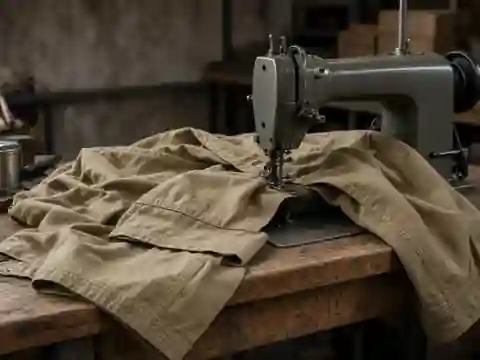
From the field: Wearers hunting work-pant cloth asked for something “sturdy but breathable” that can take regular washing; replies named sturdy twill and said 100% cotton can work when the cloth is heavy enough, while a cotton-rich blend is a common durability compromise. (archived r/Fabrics thread)
Appearance still matters because uniforms represent the employer. The difference is that appearance has to survive abrasion and laundry, not only a showroom photo.
Cotton, Polyester, and Blends in Uniform Programs
Cotton, polyester, and a poly-cotton blend are the three fiber families most uniform programs actually debate. Cotton is the breathable, absorbent, natural-hand option. Polyester is the easy-care workhorse: strong, crease-resistant, and quick to dry, and it accounts for over half of global fiber use.
A poly-cotton blend sits in the middle. More polyester usually favors wrinkle control and color hold; more cotton usually favors comfort. Vestis-style primers treat 50/50 as a familiar example, not a law.
None of these is “the best fabric for uniforms.” Reddit textile readers push back when a mill claims polyester always wins: cost and wash life help, but comfort and job mix still decide, and weave or knit changes the result.
| Fiber family | What it typically buys you | Where it frustrates people |
|---|---|---|
| Cotton | Breathability, familiar hand, heat comfort | Wrinkle and shrink if finishing and wash control are weak |
| Polyester | Durability, crease resistance, fast dry | Less natural feel; sticky hand in heat for some wearers |
| Poly-cotton blend | Everyday compromise for many programs | Still a ratio decision—65/35 and 50/50 are not the same cloth |
Types of uniform fabric, in this occupational sense, start with those fiber families plus construction—not with a ranked “10 best” list.
Twill Is a Weave: Construction Versus Fiber
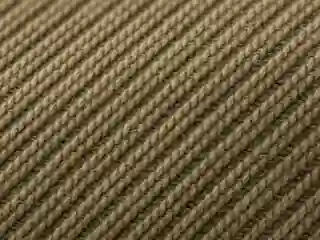
Twill is a weave, not a fiber. It is one of the three fundamental weaves, with a diagonal wale made by offsetting the interlacing of warp and weft.
That structure packs yarns more tightly than a simple plain weave and is widely used for sturdy work clothing. Uniform industry glossaries call twill the most common weave for bottom-weight uniform fabrics. Drill is a related, hard-wearing twill family sewers still name for work pants.
You can weave twill in cotton or in a blend. Saying “we need twill” without a composition is like ordering “diagonal” and hoping the mill guesses the fiber.
Plain weave remains common on lighter shirts. Ripstop and other constructions exist for tear-critical jobs. Name the weave after you name the job, not before.
How Mills Specify Uniform Fabric Beyond a Single GSM
Mills specify uniform fabric as a set of interacting fields, not a single GSM number. Fabric weight in grams per square metre (GSM) describes mass per area. Yarn count describes how coarse or fine the yarns are.
Fabric density is the warp×weft packing. Fabric width sets cutting yield.
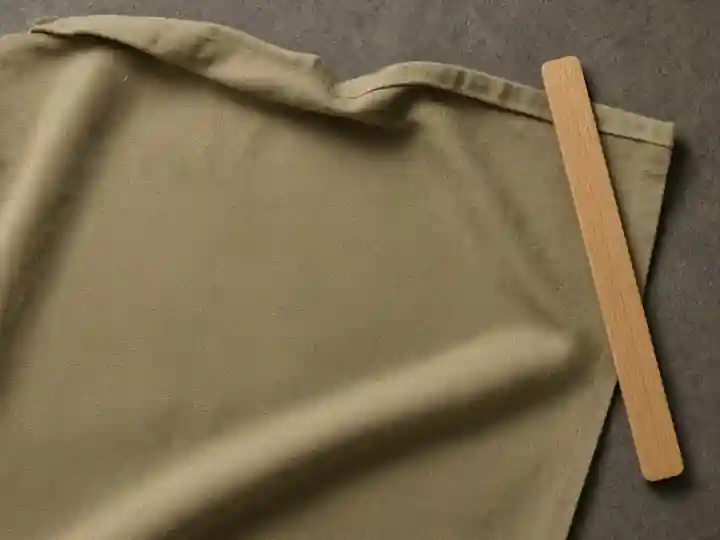
Two quotes can share “230 GSM cotton” and still sew differently. Finish, yarn type, and weave change hand after washing. Textile readers say identical composition and weight can hide different processing; the useful request is a full mill row, not a photo and a GSM.
Tip: Treat GSM as weight, not a quality score. Heavier cloth is denser in the hand; it is not automatically better for a hot indoor shirt. (Units of textile measurement)
| Spec field | What it tells the mill | Buyer check |
|---|---|---|
| Composition | Fiber recipe | Exact %; no silent stretch yarn on a 100% cotton line |
| GSM | Area weight | Match garment type and climate; compare like with like |
| Yarn count | Yarn coarseness/fineness pair | Read the published warp×weft pair |
| Fabric density | How tightly it is woven | Warp×weft numbers, not “standard quality” |
| Fabric width | Marker yield | Confirm centimetres before costing garments |
| Weave / finish | Structure and extra function | Twill vs plain; finish only if the job needs it |
End use and wash method belong on the same sheet. A hotel shirt and a warehouse pant can both be “uniforms” and still need different GSM and fiber.
What Uniform Fabric Does Not Automatically Include
“Uniform fabric” does not automatically mean flame-resistant, high-visibility, or chemical-protective cloth. Those are extra performance classes.
Basic workwear is everyday occupational clothing. Protective workwear is specified against a named hazard.
Rental laundries treat FR garments as a separate care stream because finishes and fibers can be damaged by the wrong wash. If the job needs NFPA-style thermal protection or ANSI hi-vis, write that requirement and ask for evidence. Do not infer it from the word uniform.
The same caution applies to stretch. Spandex belongs only when the spec lists it. A published 100% cotton workwear cloth has no stretch percentage to invent.
Choose a 100% Cotton Workwear Fabric When Breathability Leads
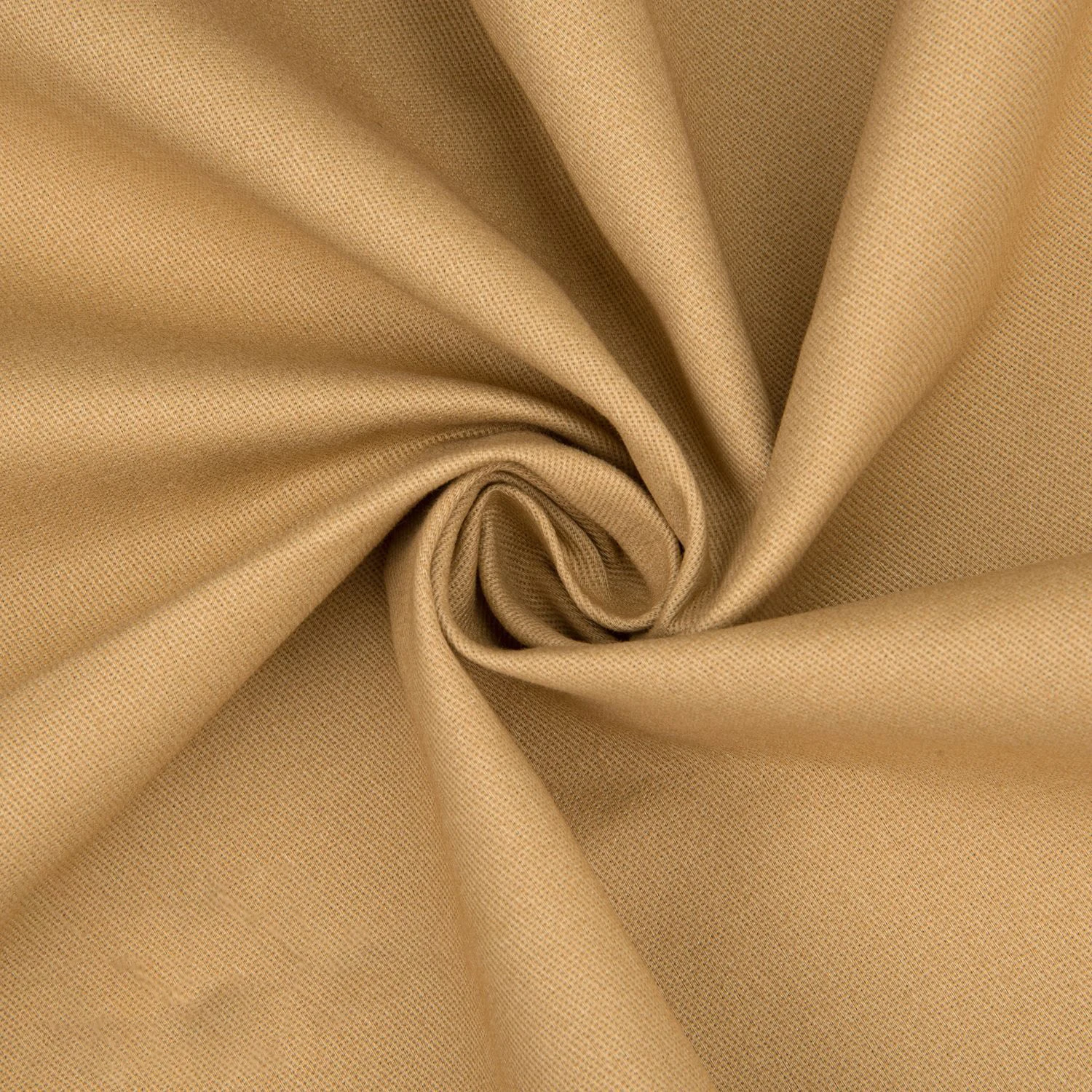
Choose a cotton workwear fabric when the program wants breathable all-day wear and a mill row you can reorder. SHENGCHAO Workwear Fabric is published as 100% Cotton with yarn count 32×10, fabric density 156×54, GSM 230, and fabric width 156 cm.
The same product page positions the cloth for uniforms, work shirts, pants, and protective clothing, and states it is comfortable and breathable for all-day workwear, built for durability, and machine washable with shape retention after multiple washes. That is a cotton occupational example, not a 65/35 easy-care default.
Skip this SKU when the program needs documented FR, hi-vis, or stretch. Those traits are not on the published table. Browse the Workwear / Uniform Fabric hub for adjacent constructions, and keep ranking “best workwear fabric” for a later article.
FAQ
What is a uniform material in mill language?
A uniform material is the textile specified for standardized occupational garments. In practice that means a named composition, weight, construction, and care path—not a fashion fabric chosen only for this season’s look.
Is shop “uniform cloth” the same as workwear fabric?
Often no. Many US retail SKUs labeled uniform fabric are stiff 100% polyester yardage for school slacks or costumes. Workwear fabric is specified for occupational programs and mill reorders.
Cotton or polyester for uniforms—how should a buyer think?
Cotton vs polyester for uniforms is a trade-off, not a trophy. Cotton leads on breathability; polyester leads on easy care and dry-down; a poly-cotton blend is the usual compromise. Match the job, climate, and wash method before locking a ratio.
Is twill a fabric type or a weave?
Twill is a weave with a diagonal wale. Cotton twill and poly-cotton twill are different materials that share a construction family. Always pair weave with composition.
What belongs on a mill spec besides GSM?
Write composition, GSM, yarn count, fabric density, fabric width, and weave or finish together. GSM alone cannot tell a mill how the cloth should sew or wash.
Does a higher GSM always mean better cloth?
No. Higher GSM means heavier, thicker construction. Quality still depends on yarn, density, finish, and how the garment is used.
Does uniform fabric automatically include flame or hi-vis protection?
No. Protective traits must be specified and evidenced. Everyday occupational cloth is not a substitute for certified protective apparel.
What cotton workwear example does Shengchao publish?
SHENGCHAO Workwear Fabric publishes 100% cotton, yarn count 32×10, density 156×54, 230 GSM, and 156 cm width, for uniforms and work shirts/pants as printed, without FR or stretch numbers on that table.
References
- Workwear — Wikipedia. Occupational clothing worn for work, especially manual labour.
- Twill — Wikipedia. Diagonal weave used for sturdy work clothing.
- Units of textile measurement — Wikipedia. Fabric GSM, yarn count systems, ends and picks.
- Polyester — Textile Exchange. Polyester’s share of global fiber use and easy-care traits.
- Uniform Fabrics Glossary — NAUMD Technical Center. Twill as a common bottom-weight uniform weave.
- Need fabric for work pants (archived) — Reddit r/Fabrics via Wayback. Wearer language on twill, cotton weight, and wash survival.