



















































































































What type of fabric are swimsuits made from: family map
Most modern swimsuits use synthetic stretch knits—nylon and/or polyester blended with spandex. That is the direct answer to what type of fabric are swimsuits made from: a map of stretch-knit families, not a cotton shell. This page walks nylon-spandex, polyester-spandex, and nylon-polyester-spandex, shows how fiber percentages print, and ends on one Bali Yarn Swimwear Fabric card.

What type of fabric swimsuits usually use
Most modern swimsuits use synthetic stretch knits with nylon and/or polyester plus spandex.
Cotton and wool once appeared in bathing clothes, but today’s close-fit shells are usually synthetic. The stretch share is called spandex on US labels; European cards may print elastane for the same elastic fiber family, and Lycra is a brand name rather than a separate fiber.
Buyers looking for swimsuit fabric types usually meet three mill-card families: nylon-spandex, polyester-spandex, and ternary nylon-polyester-spandex.
Independent sewing education often points to nylon or polyester with roughly 10–20% spandex for handmade swim projects. Community sewists describe similar working ratios around 15–20% spandex. Those ranges are industry talk, not a lab result for every mill card.
Start with a family map before you open any one SKU. Name the structural synthetic—nylon, polyester, or both—then confirm the spandex share that keeps the shell close when wet. Only after that map does a single mill card become useful as a worked example.
| Family | Typical fiber story | How buyers meet it |
|---|---|---|
| Nylon-spandex | Soft polyamide hand with a spandex stretch share | Fashion and casual swim shells |
| Polyester-spandex | Durable polyester with a spandex stretch share | Athletic and training swim talk |
| Nylon-polyester-spandex | Nylon, polyester, and spandex on one composition line | Ternary mill cards such as the Bali Yarn example below |
Nylon-spandex swimsuit fabric as a family
In fashion and casual swim programs, nylon-spandex is the soft stretch-knit family buyers meet most often.
Think of nylon as the synthetic polyamide that supplies structure and abrasion resistance. Spandex supplies stretch and return while remaining a minority share of the cloth. Together they create the smooth, close-fit hand many buyers associate with nylon spandex swimwear.
On a US composition line you may see nylon and spandex. On an imported sample you may see polyamide and elastane for the same fiber roles. The family name is still nylon-spandex when you speak in US English.
Fashion and lounge programs often brief this family when hand and color richness matter more than pool-chemical endurance talk. The family still needs a real spandex share; a nylon-only woven is not the same cloth.
Polyester-spandex swimsuit fabric as a family
Athletic and training briefs more often land on polyester-spandex as the durable stretch-knit family.
Polyester, often based on PET in apparel, carries the durability story. Blended with spandex, it becomes the polyester spandex swimwear family buyers meet when durability and color hold are the briefing priority. The spandex share still does the stretch work; polyester carries more of the shell story.
Commercial guides often contrast polyester’s durability talk with nylon’s softer fashion hand. Treat that as family orientation, not a universal ranking for every program. Team suits and lap programs frequently start in this family because polyester is the fiber many athletic buyers already know how to care for.
Nylon-polyester-spandex as a ternary swim family
Some mill cards print nylon, polyester, and spandex together on one composition line.
A ternary nylon-polyester-spandex card does not invent a fourth fiber. It places nylon and polyester beside a spandex share so one cloth can carry both structural synthetics plus stretch. For a procurement reader, the useful move is to read all three percentages in descending order and ask whether the brief wants a binary nylon-spandex, a binary polyester-spandex, or a ternary line like the Bali Yarn example later on this page.
From the field: Working sewists often say swim knits sit around 15–20% spandex, with nylon favored for abrasion talk and polyester for UV-aging talk — source: r/sewing swimwear fabric thread (Wayback). Use that as buyer language when you open a card—not as a chlorine-hour or UPF claim for any one SKU.
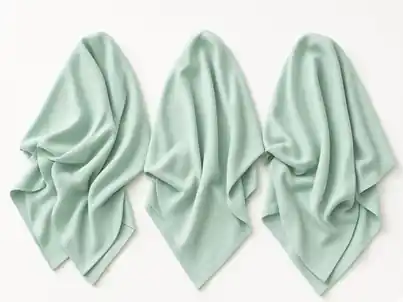
How to read swimsuit fabric composition percentages
Fiber shares are listed by weight; spandex and elastane name the same elastic fiber family.
US textile labeling rules ask for generic fiber names and percentages by weight in order of predominance. Fibers under 5% are usually grouped as “other fiber(s)” unless they have a clear functional role—elasticity is the classic reason a small spandex share still appears by name.
When you open a swim mill card, read composition before marketing lines. Match nylon, polyester, and spandex shares to the brief.
Treat width and weight as cutting and hand cues. Do not invent stretch percent, chlorine hours, or UPF from blank cells.
Composition is the buyer’s first filter. If the printed line is binary nylon-spandex, you are in one family. If it is polyester-spandex, you are in another.
If it lists nylon, polyester, and spandex together, you are reading a ternary card. Map all three shares before you compare hand samples.

Tricot and stretch-knit construction versus fiber type
Tricot names how the knit is built; fiber type still comes from nylon, polyester, and spandex shares.
Swim catalogs often say “tricot” next to “swim knit.” That word describes construction, not a substitute fiber. A nylon-spandex tricot and a polyester-spandex tricot share a knit story and still differ as fiber families. Four-way stretch language from sewing education describes how far the cloth moves; it is not a printed lab score on the Bali Yarn card below.
Lining talk sits beside construction. Ready-to-wear often uses a lighter swim knit, power mesh, or a nylon lining under the shell. That lining choice does not change which shell family you brief first.
Choose this Bali Yarn swimwear fabric card as a worked example
This published Bali Yarn card prints a ternary composition, width, and weight.
After the family map, open one locked card instead of guessing from generic “swim fabric” marketing. Swimwear Fabric is listed as Bali Yarn Fabric in the overview table.
The published card lists 55% nylon, 27% polyester, and 18% spandex, a width of 165 cm (selvage included), and a weight of 150–160G/m².
| Item | Printed on this card |
|---|---|
| Product Name | Bali Yarn Fabric |
| Composition | 55% Nylon, 27% Polyester, 18% Spandex |
| Weight | 150–160G/m² |
| Width | 165cm (Selvage Included) |
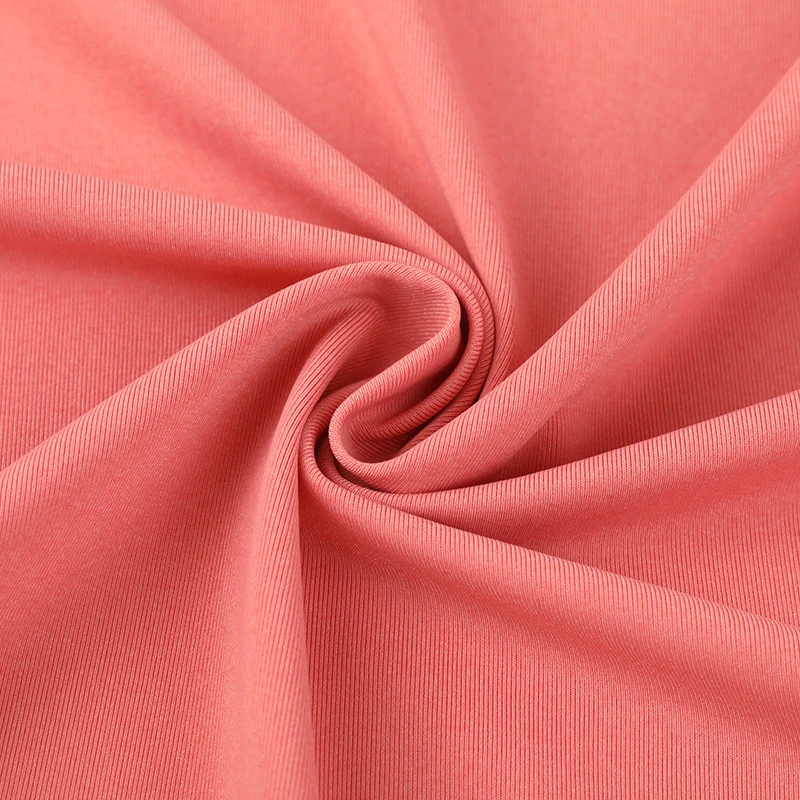
Important: This card does not print chlorine hours, UPF ratings, stretch percent, or a lab method — source: Swimwear Fabric product table. If your brief needs those figures, ask for them separately instead of reading them into the published cells.
Use this Swimwear Fabric card when you want a ternary nylon-polyester-spandex example under the swimwear category. The printed width supports cutting plans; the printed weight range supports hand expectations.
Skip it when the brief still requires printed chlorine, UPF, or stretch-percent data this table does not show. Parent browse path: Swimwear & Bikini Fabric.
FAQ
What type of fabric do I need to make a bathing suit?
Look for a synthetic stretch knit in the nylon-spandex or polyester-spandex family, with a clear spandex share for close fit. A ternary nylon-polyester-spandex card is another published option when the brief wants both structural synthetics on one line.
What is the best fabric for swimwear?
“Best” depends on the job—fashion hand, athletic durability talk, or a ternary composition brief. This page maps families instead of ranking one winner. Match the printed cells to the program rather than chasing a single universal best.
Why isn’t swimwear made of cotton?
Cotton holds water and tends to sag when wet, so it is a poor primary shell for modern close-fit suits. Synthetic stretch knits are the usual swimsuit fabric types for shells that need to stay light and close in water.
Is 100% polyester good for swimwear?
A close-fit swimsuit shell usually includes a stretch share such as spandex. One hundred percent polyester may appear in some linings or non-stretch pieces, but it is not the usual form-fitting shell story described in sewing education and community ratio talk.
What fabric is most swimwear made of?
Most swimwear is made of nylon and/or polyester blended with spandex. That is the core family answer behind the focus question in today’s market language.
What fabric is used for swimwear lining?
Lining is often a lighter swim knit, tricot, power mesh, or a 100% nylon lining style seen in ready-to-wear. Match stretch direction to the shell. Lining choice is separate from which shell family you pick.
How much spandex is in swimsuit fabric?
Independent education and community sewists often talk about roughly 10–20% spandex. On the Bali Yarn worked example, the published composition prints 18% spandex beside 55% nylon and 27% polyester. Read the card in front of you rather than assuming every SKU matches that share.
What does nylon vs polyester mean in swimsuit fabric?
Nylon usually carries soft fashion-hand talk; polyester usually carries durability talk. Both still need a spandex share for stretch. That contrast orients families on this page; it is not a full selection decision guide.