



















































































































Knit vs Woven Fabric: Differences and Apparel Buying Checks
When comparing knit vs woven fabric, the main difference is how the yarns form the cloth. Knits are built from connected loops; wovens are built from intersecting warp and weft yarn systems. This affects how a fabric moves, handles at a cut edge, and works with a garment pattern. It does not make one family universally softer, stronger, or better. A stretch woven can extend, a stable knit can resist extension, and either family can use natural or synthetic fibers.
For apparel buyers, the useful question is which construction supports the intended fit, appearance, sewing process, and care routine. This guide explains how to identify the family and compare real samples without relying on one misleading shortcut.
Separate construction from fiber content
“Cotton,” “nylon,” and “polyester” identify fiber families. “Knit” and “woven” describe fabric construction. A cotton jersey and a cotton twill share a fiber name but use different yarn arrangements. Likewise, adding elastane to a specification does not tell you whether the base is knitted or woven.
Keep separate lines for composition, construction, finished weight, usable width, and stretch requirements in a development brief. Otherwise, two suppliers can both satisfy a request for “cotton stretch fabric” while offering materials that need different patterns and sewing settings. An approved swatch helps, but its article code and written specification should travel with it.
How a knitted structure works
In knitting, yarns form loops that connect to neighboring loops. Weft knitting and warp knitting use different yarn paths, so the claim that every knitted fabric is made from one continuous yarn is too broad. Single jersey, rib, interlock, and other knitted structures can also look and behave differently.
The University of Kentucky’s Sewing with Knit Fabric explains loop construction, wales and courses, and the differences among knit families. Treat the term knit as the beginning of the specification, rather than a complete description of elasticity or handling.
How a woven structure works
In weaving, lengthwise warp yarns intersect with crosswise weft yarns. Their interlacing arrangement creates a weave such as plain, twill, or satin. Twill often presents a diagonal surface line, but that visible diagonal is not a direction in which every garment panel should automatically be cut.
NSEAD’s Working with Textiles education guide describes knitting as loop formation and weaving as interlaced warp and weft yarns. For sourcing, always confirm the actual construction on the supplier’s specification rather than identifying an unfamiliar fabric solely from a small online photograph.
Knit and woven fabric compared for a buying decision
| Decision | Knitted candidate | Woven candidate | What to verify |
|---|---|---|---|
| Yarn arrangement | Connected loop structure | Intersecting warp and weft systems | Construction name and a physical sample |
| Movement | May extend through loop movement and elastic yarns | May gain extension through yarn design, elastane, or bias deformation | Direction, load, extension, and recovery |
| Cut-edge handling | Some curl, ladder, or unravel; others remain relatively stable | Some fray or slip at the edge | Actual cutting and sewing trial |
| Pattern compatibility | Often selected for movement or close-fitting shapes | Often selected for a defined outline or tailored construction | Ease, closures, panel orientation, and prototype fit |
| Coverage | Can change as loops open under extension | Can vary with weave, yarn density, color, and extension | Opacity in the intended garment condition |
| Care stability | Depends on fiber, structure, and processing | Depends on fiber, structure, and processing | Dimensional change after agreed washing and drying |
The structural distinctions follow the educational sources above; the verification column is a practical development checklist. These are tendencies and questions, not guaranteed performance rankings.
How to tell them apart without damaging the sample
Start with the supplier’s construction declaration, then examine the fabric face and reverse under suitable magnification. Look for connected loops or crossing yarn systems. A brushed, coated, printed, or very fine surface can hide the structure, so ask for confirmation when visual evidence is unclear.
Next, compare the two principal directions with gentle handling. This is a screening observation, not a numerical stretch test. A woven containing elastane can extend substantially, while a stable knit may extend only a little. The diagonal direction of a woven can also deform differently from its length and width. Stretch alone is therefore insufficient to identify the family.
Look at an existing cut edge without pulling yarns out of a valuable swatch. Curling or fraying can support the identification, but neither is a universal rule. Finishes and construction variations affect the edge. If there is still doubt, request a larger sample or construction analysis instead of guessing from the product photograph.
Why the same pattern may not work with both
A fitted garment may depend on fabric extension to pass over the body and allow movement. Substituting a less extensible material without changing the pattern can make it difficult to put on or uncomfortable to wear. A looser design can have different priorities, including drape, seam appearance, and how the fabric holds a silhouette.
Before switching families, review the pattern’s required stretch, ease, closures, and orientation. Do not assume that increasing a size resolves every difference. A neckline, armhole, or waistband can need a different construction approach even if the main panels appear to fit.
The Kentucky guidance links pattern choice to knit behavior. In a commercial program, extend that principle to the complete assembly: use the intended lining, interlining, elastic trim, and seams for the fit sample. A shell fabric should not receive final approval while the other components are still substitutes.
Two Shengchao listings show why the specification matters
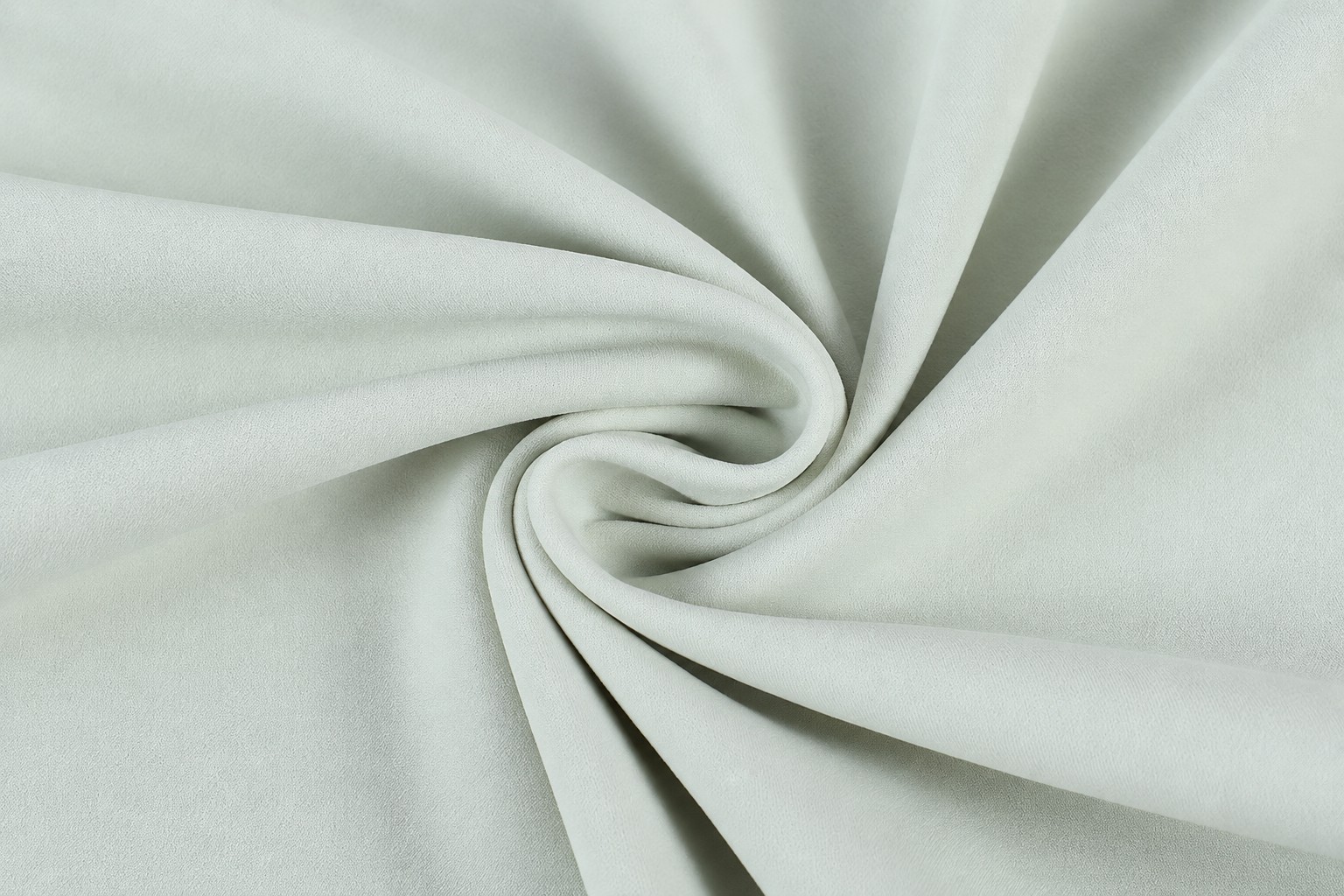
Shengchao’s 75% nylon, 25% spandex yoga fabric, SKU SC211142, is listed as a weft knit at 230 g/m² and 160 cm wide. Its composition and construction make it a relevant sample for a stretch-apparel brief, but the listing does not establish a particular measured extension or recovery value.
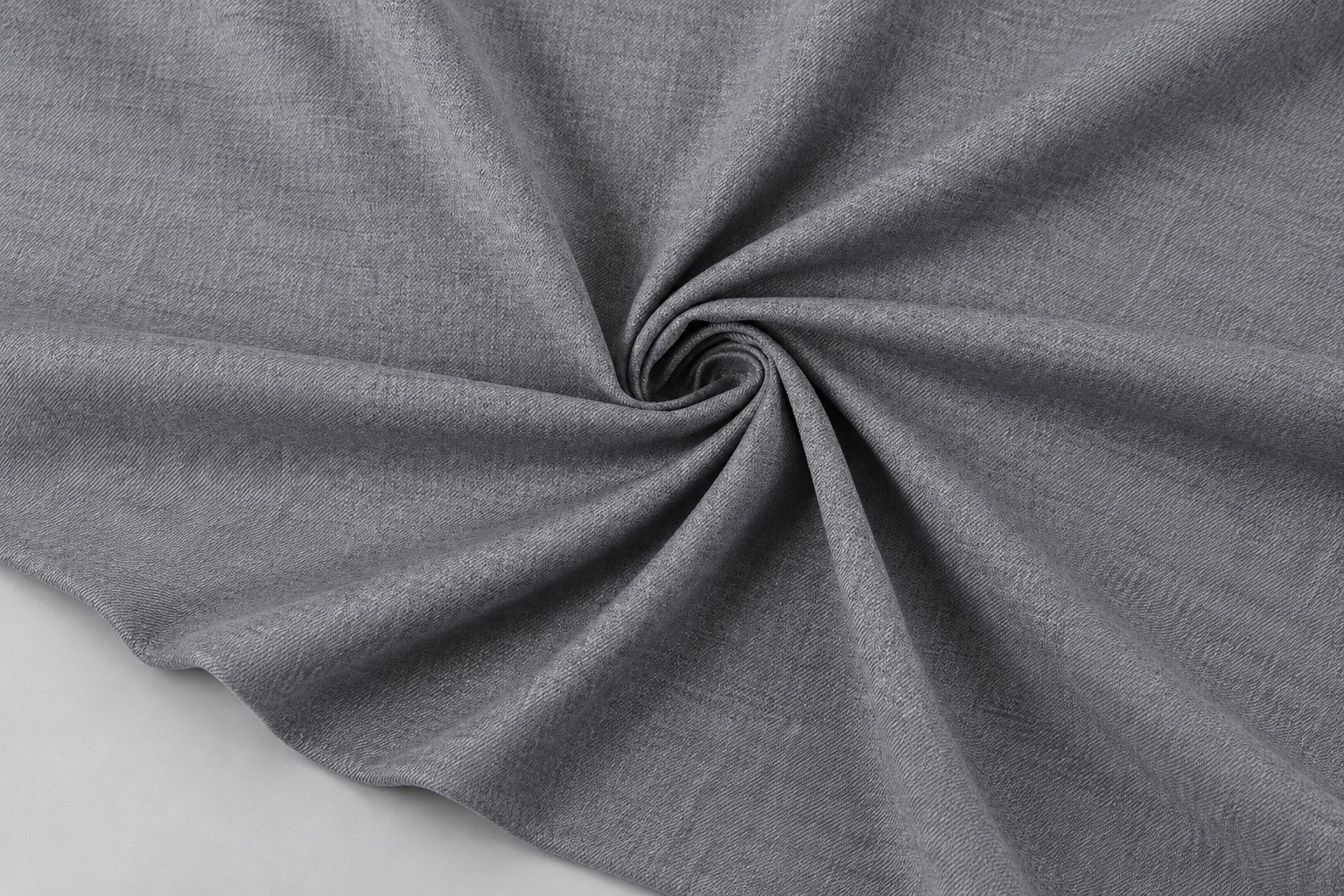
The mélange T/R twill stretch fabric is listed as 69% polyester, 29% rayon, and 2% spandex, at 205 g/m² and 150 cm wide. Its declared weave structure is twill, with trousers, suits, and dresses among the listed applications. It illustrates why a woven fabric can also contain an elastic fiber.
These two products differ in fiber blend, construction, weight, width, and elastic-yarn proportion. They are sampling examples, not a controlled experiment proving that all knits or all wovens behave alike. Ask for current specifications and the evidence needed for your garment before deciding which route to develop.
Choose around the actual garment problem
For close-fitting activewear
Prioritize the required movement, recovery, coverage, and seam response. A knit may be a practical starting point, but identify the needed construction rather than requesting “any stretch knit.” Check the material under expected extension and after the intended care routine. A soft relaxed swatch can still disappoint in a fitted garment.
For trousers or a defined tailored outline
A woven twill may be a useful starting point when the design needs a particular surface and shape. Confirm whether movement should come from pattern ease, fabric stretch, or both. Review knees, seat, waist, and seam areas in the prototype rather than treating a hand-pull demonstration as a fit approval.
For a lightweight top
Both families can be relevant. Decide whether the brief asks for a fluid jersey-like appearance, a crisp outline, or another specific result. Compare drape and coverage using the intended color and garment construction. Weight alone cannot settle that choice, and equal GSM does not mean equal thickness or hand.
A practical comparison and quotation checklist
Give each candidate a unique sample identity and keep its composition, construction, finished weight, usable width, finish, and color together. Compare the same garment functions rather than trying to crown a whole fabric family as the winner. Record what must remain consistent for a repeat order.
Ask how the fabric should be relaxed before cutting and whether any special cutting or sewing considerations apply. Conduct an assembly trial with production-representative needles, thread, seams, and components. If a supplier proposes a different construction after the sample is approved, decide which checks must be repeated.
For the parameter details, see our fabric GSM guide and stretch and recovery guide. The sportswear fabric overview provides the broader application context. Send the construction and garment requirements through Shengchao Textile’s contact page when requesting suitable samples.
Watch weaving in operation
The Victoria and Albert Museum’s “How was it Made? Jacquard weaving” shows a weaving process in operation. It helps explain the woven side of the comparison. It is an educational example, not footage of Shengchao manufacturing or proof that the pictured product uses that particular loom.
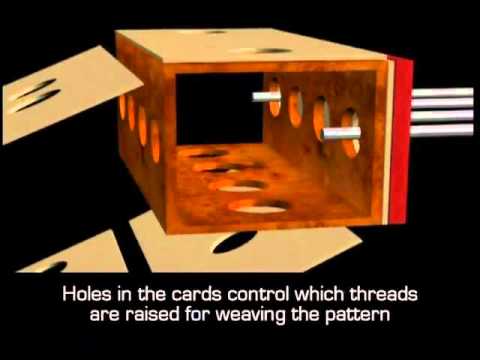
Watch the museum’s weaving video on YouTube.
Frequently asked questions
Is cotton a knit or a woven fabric?
Cotton is a fiber. It can be made into knitted or woven fabric, so confirm the construction separately from composition.
Can woven fabric stretch?
Yes. Elastic yarns and construction can provide stretch, and bias deformation can affect handling. Check measured extension and recovery in the intended directions.
Are all knitted fabrics stretchy?
No. Knit constructions vary, including relatively stable structures. The knit label alone does not establish a usable stretch percentage or recovery level.
Can I replace a knit with a woven at the same GSM?
Not on weight alone. Review pattern ease, movement, closures, seams, coverage, and care behavior, then approve a prototype using the proposed replacement.