
















Waterproof vs Water-Resistant Fabric: What Buyers Should Verify
Waterproof vs water-resistant fabric is a question of verified water protection, not simply whether droplets bead on a swatch. In apparel sourcing, a waterproof claim normally points to resistance to water penetration under specified conditions. Water-resistant is a broader description whose meaning must be defined in the purchase specification. Water-repellent describes surface behavior: droplets tend to shed instead of wetting the face. These properties can coexist, but evidence for one does not automatically prove the others.
For a jacket or outdoor clothing program, identify the exposure first, then request suitable fabric tests and check the finished garment. This guide helps buyers distinguish the claims without assuming that a product name or a photograph supplies a performance rating.
Understand the three terms before comparing samples
Waterproof: a claim that needs defined conditions
“Waterproof” is widely used commercially, but it should not be interpreted as an unlimited promise. A fabric’s ability to resist penetration depends on the construction and the conditions of exposure. Ask which test supports the claim, what the result means, and whether it describes the supplied fabric or a complete garment.
A membrane, laminate, or coating may contribute a barrier, but the name alone does not establish the result. A buyer should know what has actually been tested. Do not infer a membrane or coating from a smooth surface photograph when the supplier’s specification does not identify it.
Water-resistant: define the intended protection
Water-resistant can describe many different levels of performance. It may be used for clothing intended for brief splashes or limited rain exposure, but the term is not a complete specification. Avoid translating it into a fixed number of minutes in rain without supporting evidence.
Write the application and failure condition explicitly. A commuter overshirt, hiking shell, and outdoor work garment can have different requirements for weight, movement, ventilation, and rain protection. Asking for the same label for all three leaves the supplier to guess which property matters most.
Water-repellent: what happens at the surface
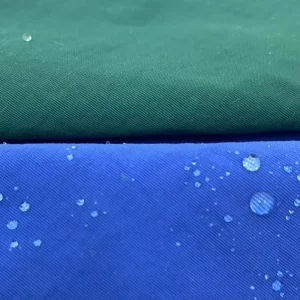
A repellent face can encourage water to bead and move away. That observation concerns surface wetting. It does not show that the fabric will prevent penetration under pressure, or that stitching and closures will keep a wearer dry.
Intertek’s water-repellency guidance distinguishes surface-wetting assessment from other water-protection checks. A visual droplet demonstration can introduce the behavior, but a commercial claim needs the relevant method, sample identity, and result.
Compare the questions, not just the labels
| Claim or question | What it concerns | Useful evidence | What it does not establish by itself |
|---|---|---|---|
| Water-repellent face | Resistance to surface wetting | Suitable spray or wetting assessment | Resistance to penetration under pressure |
| Water penetration resistance | Liquid passing through the material under defined conditions | Suitable hydrostatic or rain-penetration assessment | Leak-free seams and closures |
| Protection after care | Performance after the specified washing or other treatment | Retesting after an agreed care procedure | Unlimited durability in every environment |
| Comfort during activity | Interaction of moisture, heat, fit, and clothing layers | Relevant comfort tests and garment assessment | A conclusion from a water-beading photograph |
| Finished-jacket rain protection | Fabric plus seams, openings, closures, and design | Production-representative garment evaluation | A conclusion from a flat fabric report alone |
The test distinctions are explained in SGS’s discussion of rain resistance. The checklist above is a development framework, not a set of universal pass levels.
Why a fabric can pass one water test and disappoint elsewhere
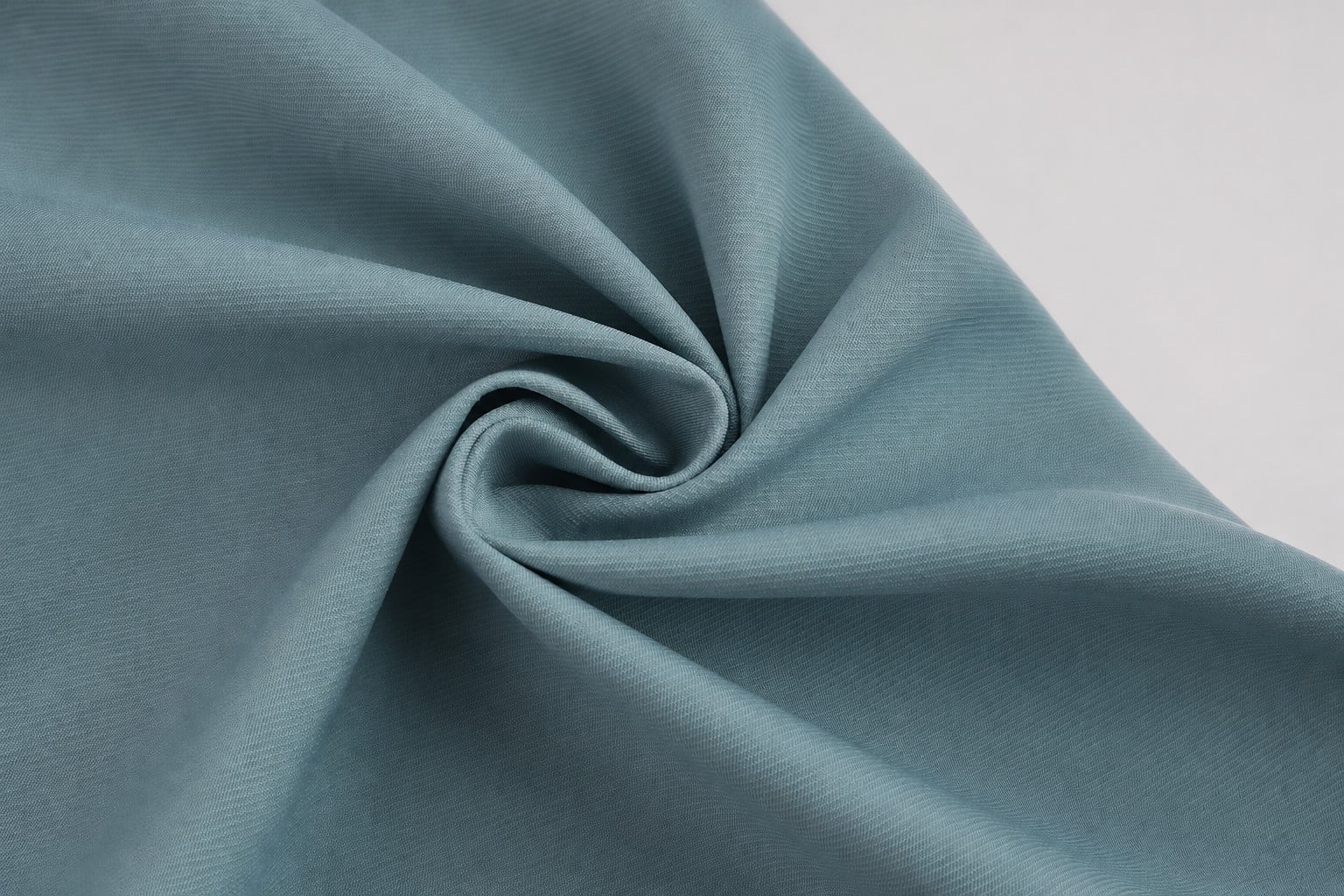
Surface wetting and penetration are different failure modes. A face may become visibly wet while a barrier still resists liquid passing through it. Conversely, an attractive beading effect does not prove that the material will withstand the exposure intended for the garment. Keep both questions visible in the approval process.
SGS describes the distinction between spray assessment and hydrostatic testing. For a buying decision, request the actual method and result rather than calling every water test a “waterproof test.” If a report contains a pressure value, verify its units and conditions; if it contains a visual grade, do not convert that grade into a pressure rating.
Reports from different procedures are not automatically comparable. Ask the laboratory whether the candidate materials can be assessed under the same relevant conditions. Use an approved benchmark when possible and retain the report with the exact fabric code, finish, color, and batch.
Look beyond the fabric to the finished jacket
A garment adds needle holes, seams, pocket openings, zips, cuffs, hems, and areas of repeated flexing. These features can change the path water takes. Even a credible flat-fabric result does not establish that every garment made from that fabric will provide the same protection.
Review the construction with the garment manufacturer before committing to bulk material. Decide which joins or closures need additional measures and confirm compatibility with the selected fabric. Do not specify a sealing process without checking the actual construction, processing limits, and intended care.
Include lining and other layers in the assessment where relevant. Moisture noticed inside a jacket may have more than one explanation, including entry through openings or moisture generated by the wearer. Record where and under what conditions dampness occurs so that the development team can investigate the correct cause.
Two Shengchao products show how to read the starting specification
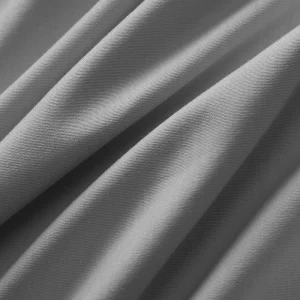
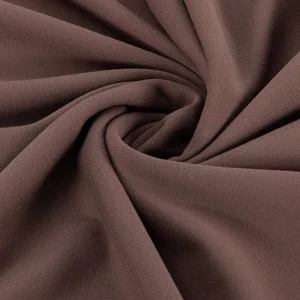
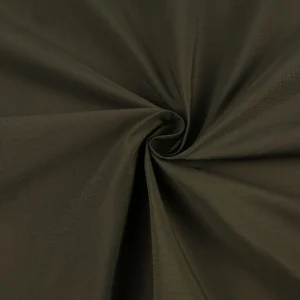
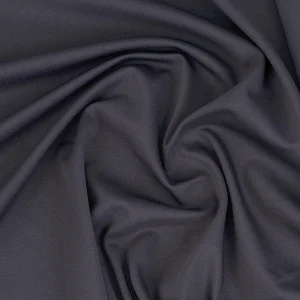
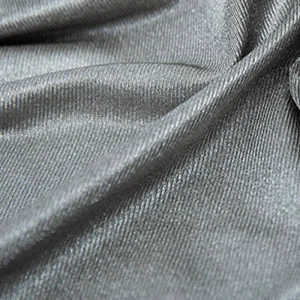
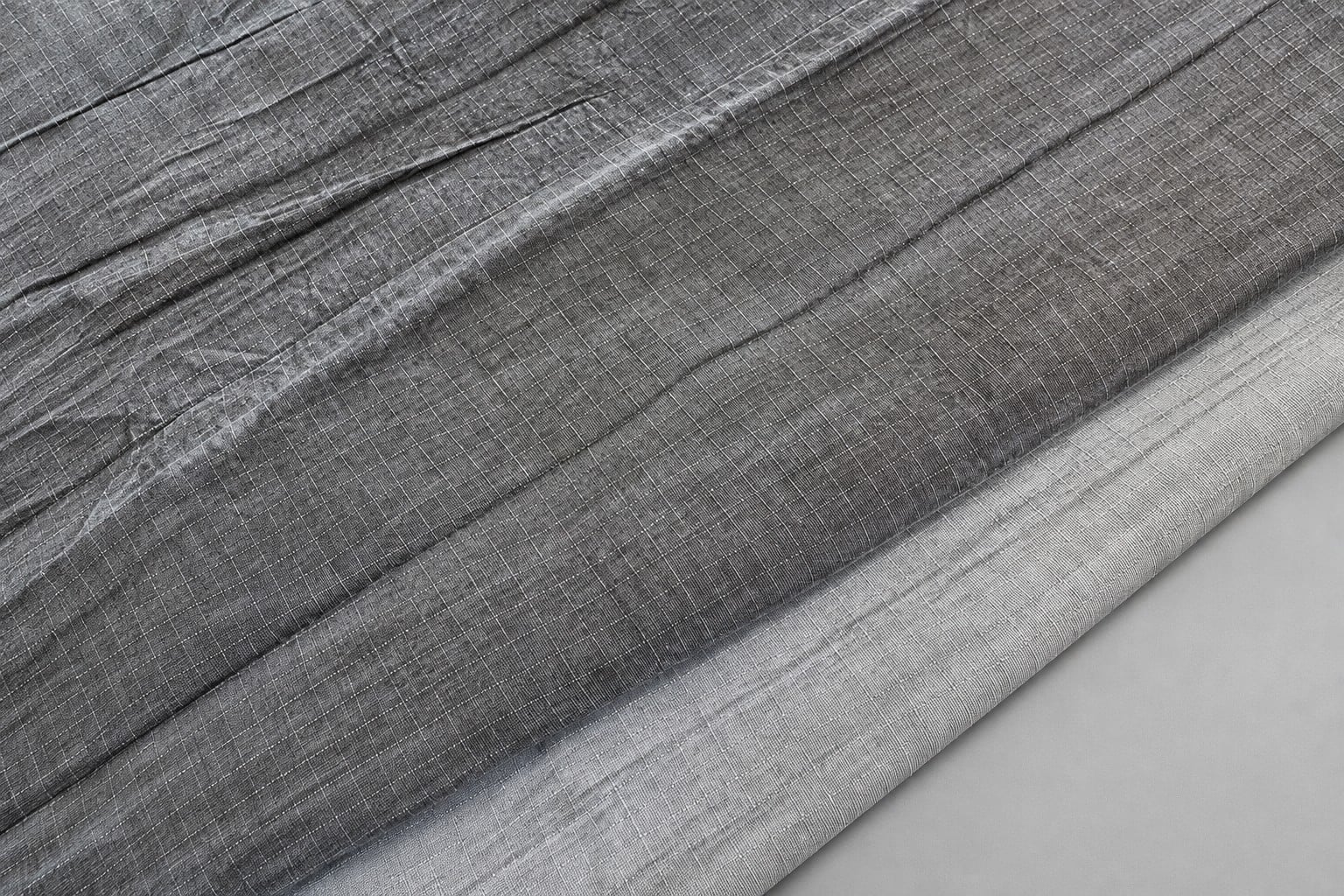
The 70D waterproof nylon-spandex fabric listing identifies 90% nylon and 10% spandex, 140–145 g/m², and a width of 150 cm. Outdoor jackets and hiking pants appear among its applications. Those details identify a sample to request; they do not provide a published hydrostatic result or establish a particular membrane construction.
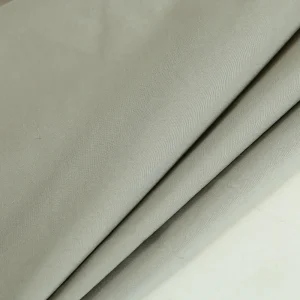
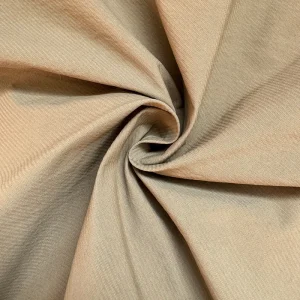
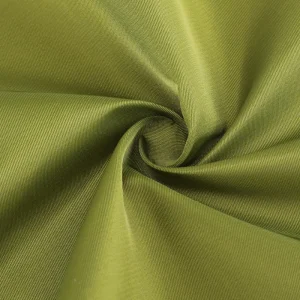
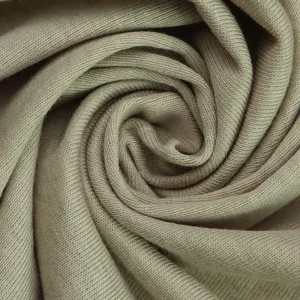
The water-repellent nylon fabric listing identifies 100% nylon, 110 g/m², and 142 cm width. Its title describes a water-repellent direction, but the specification still needs to be matched to the intended exposure and required evidence.
The two materials differ in composition, weight, and width. They are not a controlled experiment proving that one label always performs better than another. Request current swatches, finish details, relevant reports, and any post-care information before ranking them for the same garment.
Build a short, useful testing brief
Describe the exposure and the garment
State whether the item is an occasional outer layer, an active rain shell, or another garment. Describe expected rain exposure, movement, abrasion areas, care, and any customer requirement. Avoid asking the supplier to interpret vague phrases such as “fully weatherproof” without a defined use case.
Name the evidence and acceptance basis
Discuss suitable surface-wetting and penetration assessments with the laboratory. Specify the procedure, reporting units, target result, sample preparation, and any care or durability conditioning. Let the relevant standard and program requirements guide the details rather than inventing a threshold from an unrelated online chart.
Use production-representative material
Confirm whether the report covers the same finish, shade, and material construction being quoted. Reassess relevant properties if printing, finishing, or another production step changes the fabric. Keep the approved swatch and report together so that a repeat order is tied to the same specification.
Care, wear, and repeat-order questions
Ask how the supplied fabric should be cared for and whether the intended function has been checked after that routine. Do not prescribe one cleaning or heat treatment for every coating and finish. The care decision needs to suit the complete garment, including trims, lining, bonding, and other components.
Agree what happens if a supplier changes the finish or construction between orders. A similar hand and color do not prove equivalent water protection. If the product’s selling claim depends on a measured property, identify which change would require new testing and who supplies the evidence.
Weight and yield also affect the commercial choice. Compare usable width, consumption, processing, testing, and garment construction alongside the quoted price. A lighter fabric can be suitable for one brief and unsuitable for another; low GSM does not independently establish waterproofness or comfort.
Watch the science of water-repellent surfaces
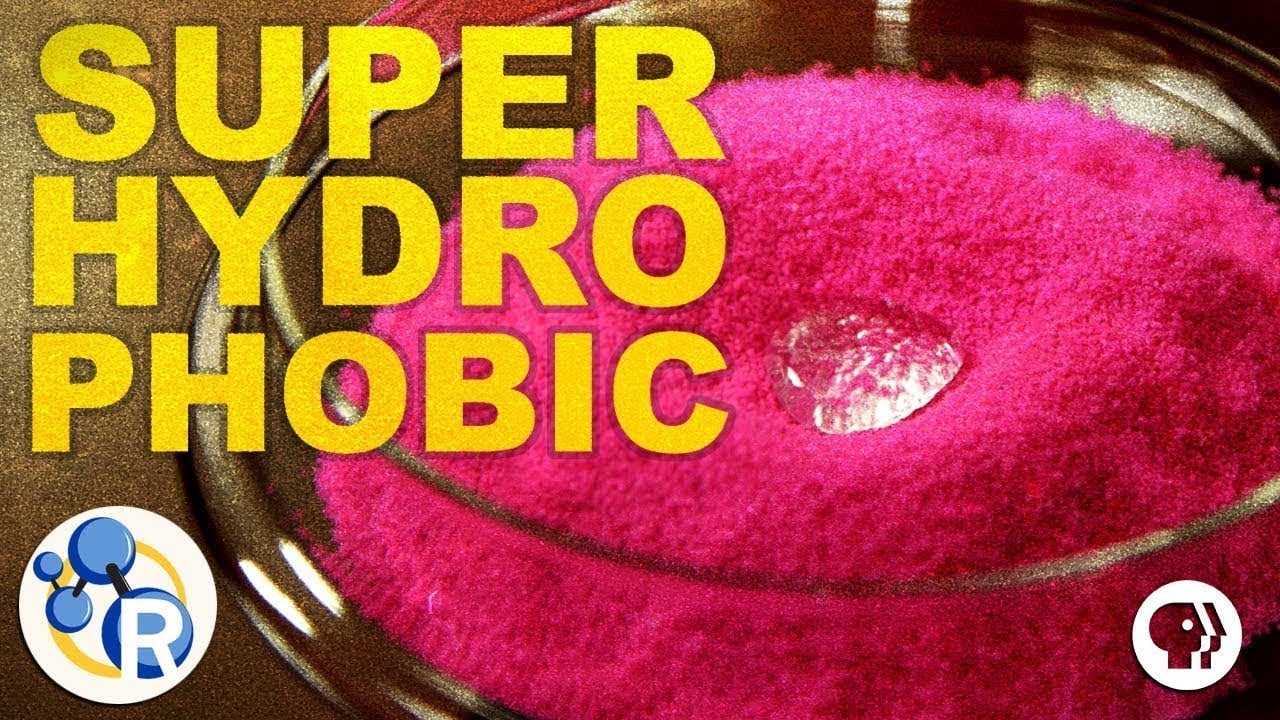
ACS Reactions explains how surface chemistry affects water repellency in the video below. It provides background on why droplets behave differently on different surfaces. It is not a test of Shengchao fabric, and it does not prove that either listed product is superhydrophobic.
Watch the surface-science explanation on YouTube.
Connect the comparison to the rest of your fabric brief
For a broader material shortlist, read our waterproof fabric types guide. The water-resistant fabric types guide covers adjacent options, while lightweight waterproof fabric selection addresses weight-sensitive programs. These pages support the shortlist; the present guide separates the claims and evidence.
Send your garment application, desired hand, target weight, care expectations, and required reports through Shengchao Textile’s contact page. A clear exposure and testing brief makes sample recommendations more useful than a request for “waterproof fabric” alone.
Frequently asked questions
Does water beading prove a fabric is waterproof?
No. Beading concerns surface wetting. Resistance to penetration requires appropriate evidence under the intended conditions.
Is water-resistant fabric always unsuitable for rainwear?
No. Suitability depends on the specific performance, exposure, and garment design. Define the requirement and verify the actual material rather than deciding from the label alone.
Can a waterproof fabric have a wet-looking face?
Yes. Surface wetting and resistance to penetration are different properties. Investigate both rather than treating appearance as a complete test result.
Does a fabric report cover the finished jacket?
Not automatically. Seams, openings, closures, processing, and design require production-representative garment assessment.