






























Lining vs Interfacing: Roles, Selection, and Buying Checks
Lining vs interfacing is a difference in garment function, not a choice between two interchangeable fabric names. A lining forms an inner layer that covers construction and helps create the intended wearing surface. Interfacing supports or stabilizes selected areas such as a collar, opening, or waistband. A garment can need both. Underlining and interlining add further terminology, so a buying brief should state where the material goes and what it must do before naming a fiber or requesting a quotation.
This guide helps apparel buyers separate those roles, select the right sampling questions, and avoid ordering an attractive lining when the pattern actually needs a supporting material.
Begin with the role of each garment layer
Lining: the inner garment layer
A lining is commonly assembled as an inner unit and attached to the garment. It can cover seam allowances and other construction, help the garment slide over underlying clothing, and influence coverage or the wearing surface. Its required hand, movement, and appearance depend on the design.
A smooth lining is not automatically a stiffening layer, and adding a full lining does not remove every need for local support. Keep the lining decision separate from decisions about how a collar, cuff, fastening edge, or other component retains its intended shape.
Interfacing: support for specified areas
Interfacing is selected to contribute body, reinforcement, or stability. It can be woven, knitted, or nonwoven, and may be sewn in or applied through an appropriate fusible system. Its selection must fit the shell and the desired result rather than simply maximize stiffness.
New Mexico State University’s guide distinguishes interfacing, underlining, and lining and explains why their selection depends on the garment. Use these functional distinctions to start the conversation, then confirm the material and application with the pattern and production teams.
Underlining and interlining: define the terms you use
Underlining generally refers to a backing handled with the outer fabric pieces during construction. Interlining can refer to an additional internal layer, including one used for warmth, but terminology varies among suppliers and markets. Do not assume that a translated quotation uses the same meaning as your technical pack.
Provide an assembly sketch or an annotated sample when terminology could be ambiguous. Identify the layer, attachment, coverage, and intended function. This prevents a dispute about words from becoming a wrong-material order.
Lining and interfacing compared in a specification
| Decision point | Lining | Interfacing | What to confirm |
|---|---|---|---|
| Main role | Forms the intended inside surface and covers construction | Supports or stabilizes specified garment areas | A labeled garment component or assembly sketch |
| Coverage | May cover all or part of the garment interior | May cover selected areas or larger sections according to design | Exact pattern pieces and attachment locations |
| Hand and movement | Must suit wear, slip, drape, and movement | Must provide the required support without an unwanted result | A sewn or fused trial with the shell |
| Application | Usually reviewed as part of the inner assembly | Application depends on sew-in or fusible construction | Supplier instructions and factory process compatibility |
| Care | Needs compatible care and dimensional behavior | Needs compatible care and retained support or attachment | Production-representative post-care assessment |
The role descriptions are grounded in the NMSU educational guidance. The confirmation column is a purchasing checklist, not a universal construction rule or performance guarantee.
Why fiber content does not identify the layer’s job
Polyester can appear in many textiles, so “100% polyester” does not tell a buyer whether the sample is suitable as lining or interfacing. Construction, finish, weight, surface, and intended application remain essential. Likewise, a soft material is not automatically a lining, and a firm one is not automatically the right support fabric.
Distinguish the functional role from the material specification. Write the role first, then composition, construction, finished weight, usable width, finish, color, and required performance. If the item is a fusible material, ask for its actual application information rather than inventing bonding conditions from the fiber name.
The University of Georgia’s fiber reference is useful background on material characteristics and care. It does not replace the supplier’s instructions for a particular lining, support fabric, or adhesive system.
A real lining example and its limits
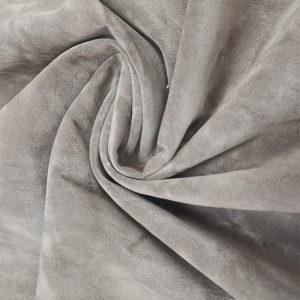
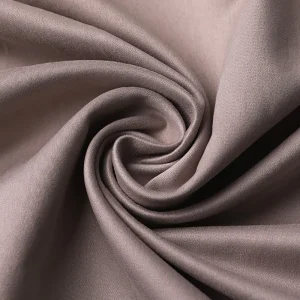
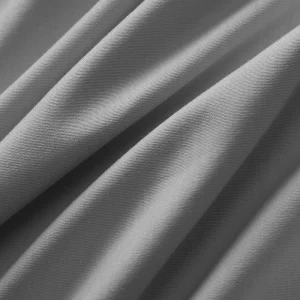
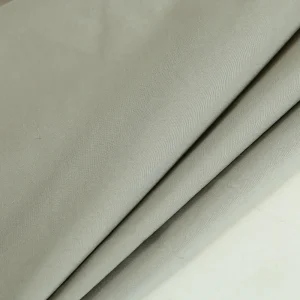
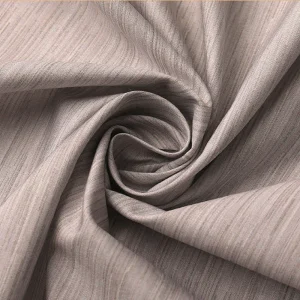
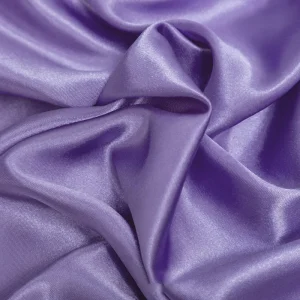
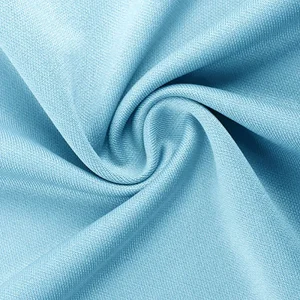
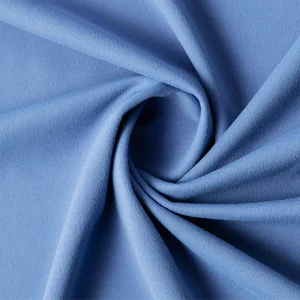
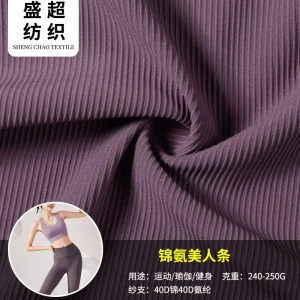
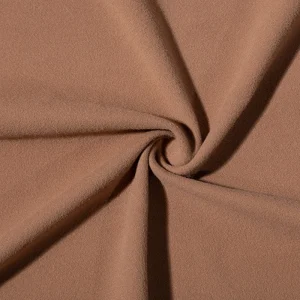
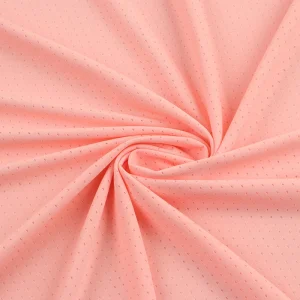
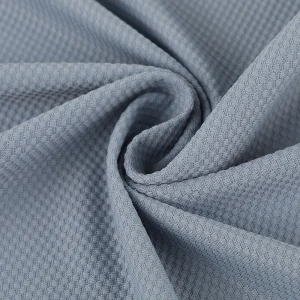
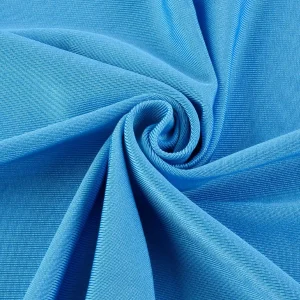
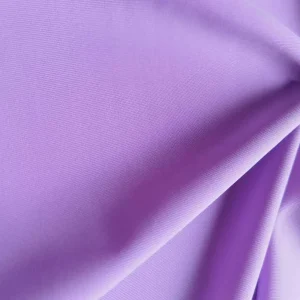
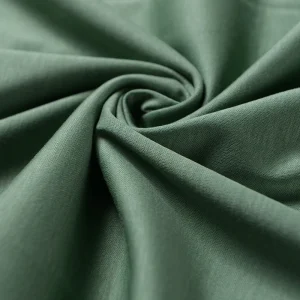
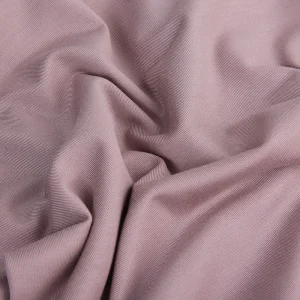
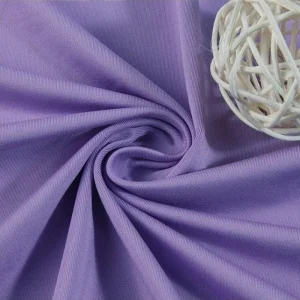
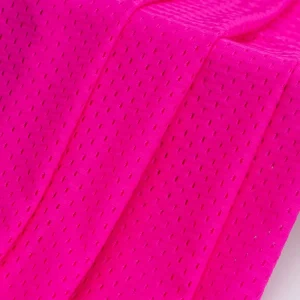
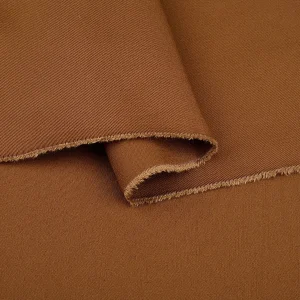
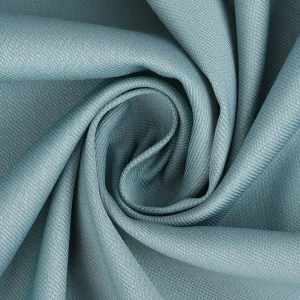
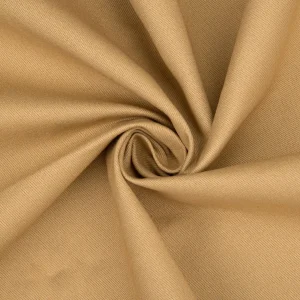
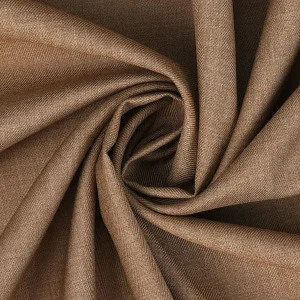
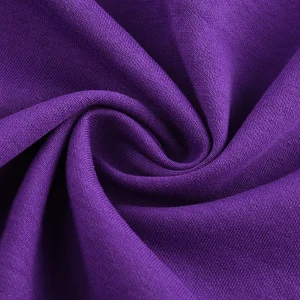
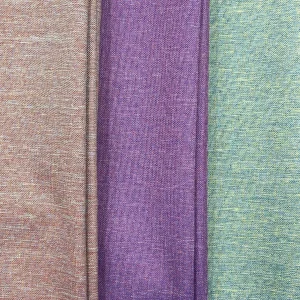
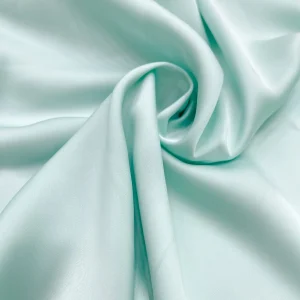
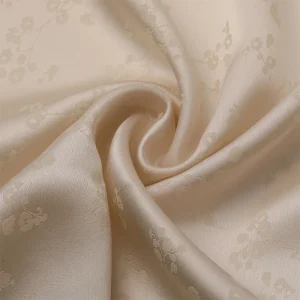
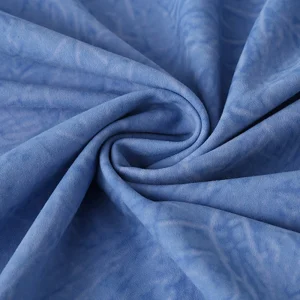
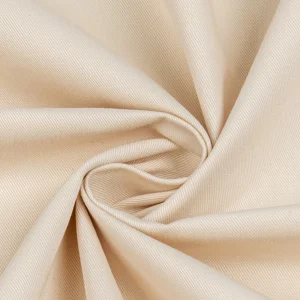
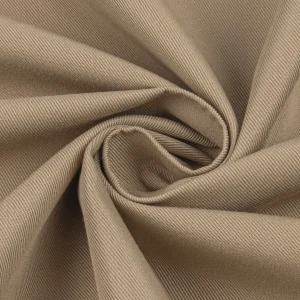
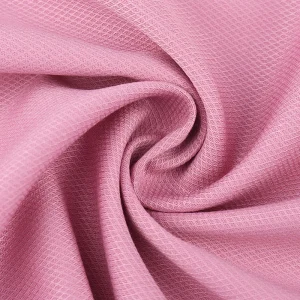
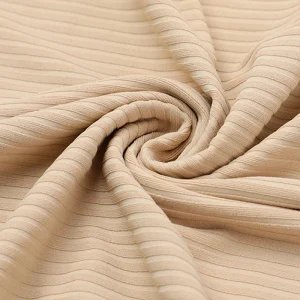
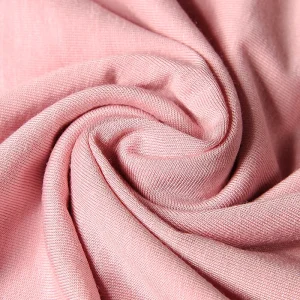
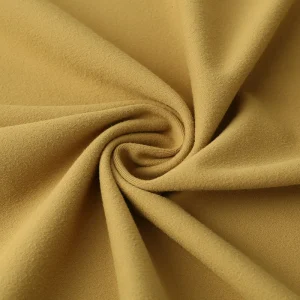
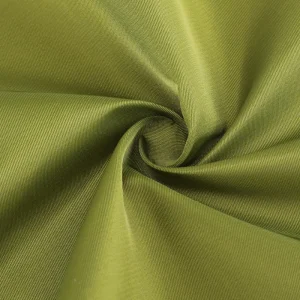
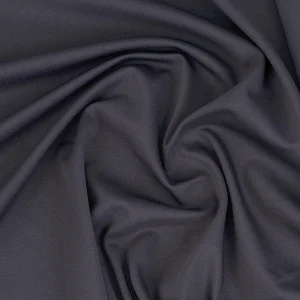
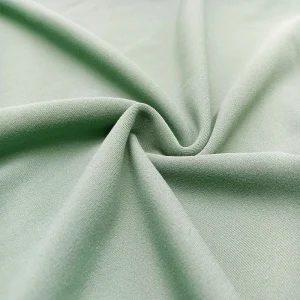
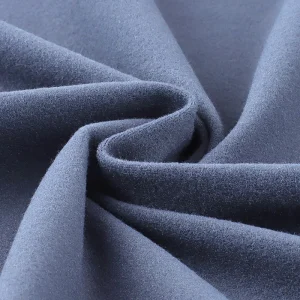
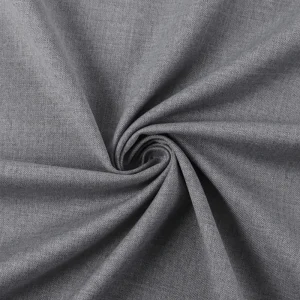
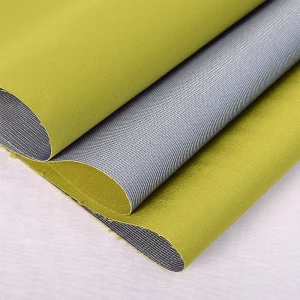
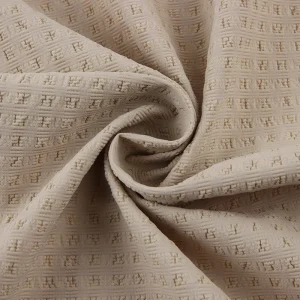
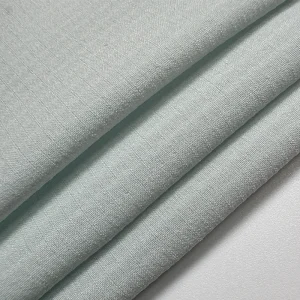
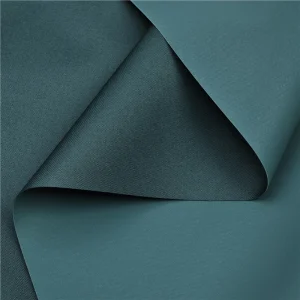
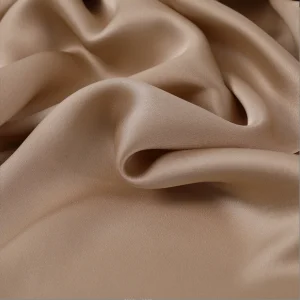
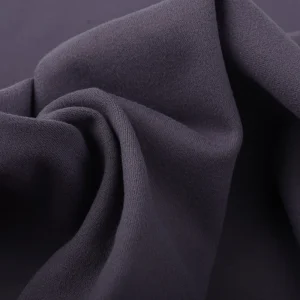
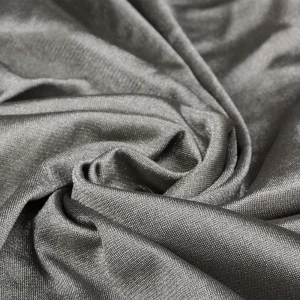
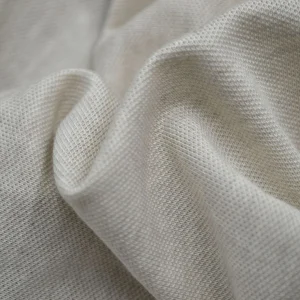
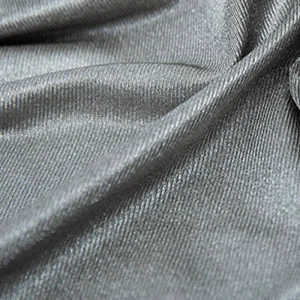
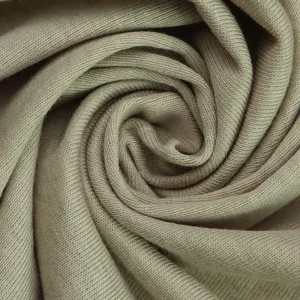
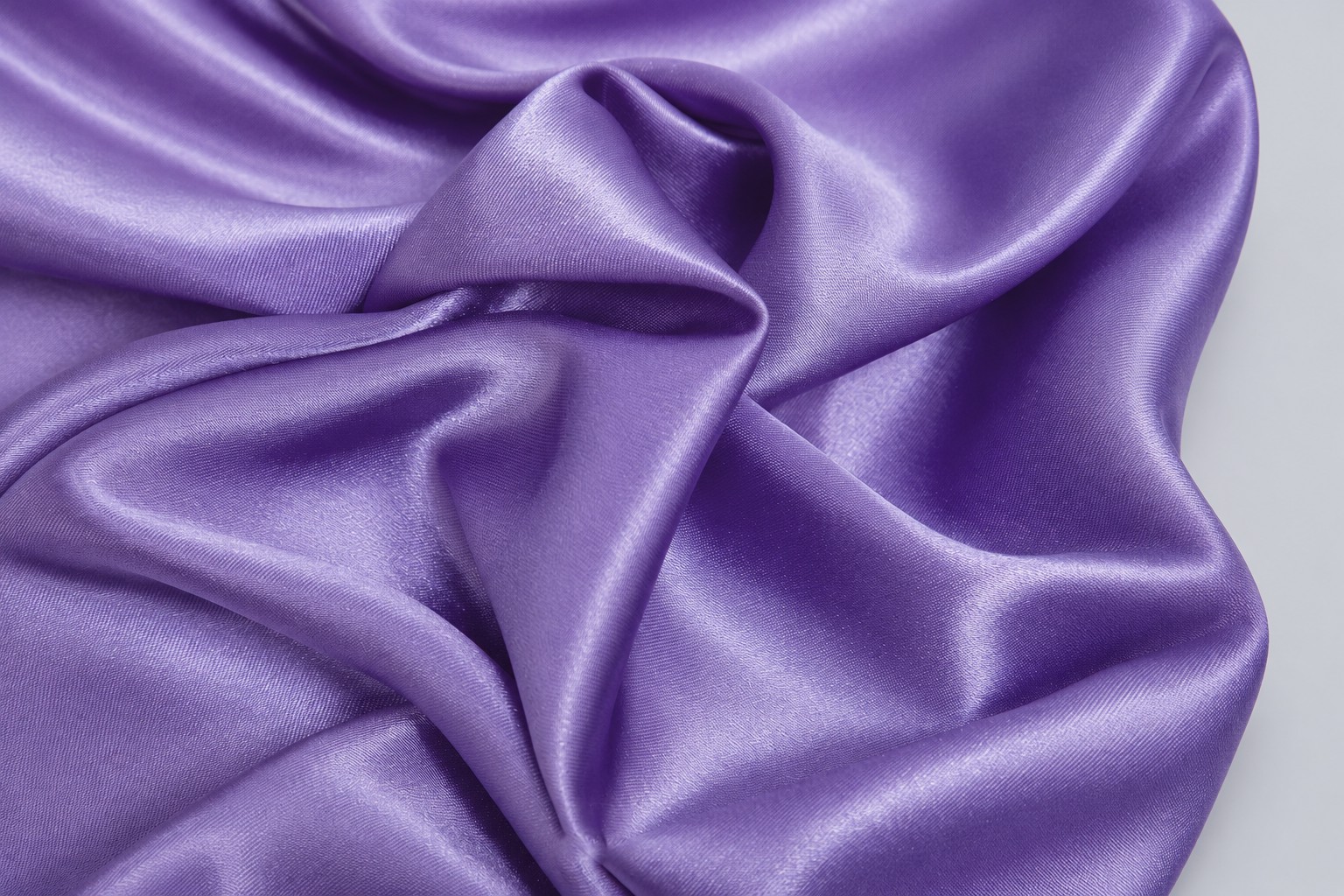
Shengchao’s fashion fabric lining, product code TLLB-02, is listed as 100% polyester with a twill weave, solid dyeing, a width of 150 cm, and a weight of 75 g/m². Its current product photograph shows a purple woven fabric. The images in this article use that actual product photograph as their reference.
These details identify a lining-related candidate to sample. They do not establish that the material is a fusible interfacing, specify an adhesive, or provide a bonding temperature. Ask for the intended application and the current specification before assigning it a role in a production garment.
If a collar or front opening needs support, request a separately identified supporting material and an application trial. Do not add an unspecified adhesive to the pictured lining and assume the result is an approved interfacing. The shell, support layer, attachment, and care process must be considered together.
Check movement in the complete assembly
A lining that feels comfortable on a swatch card may restrict the garment if it cannot accommodate the intended movement. The pattern and attachment can also influence that result. Check both principal directions and review the component in its actual orientation.
Interfacing may intentionally reduce movement in one area, but that decision should be local and deliberate. A stable opening edge and a mobile body panel can be compatible goals. Document where support is needed and where the garment must remain flexible rather than applying one material everywhere by default.
For background on construction and pattern compatibility, the University of Kentucky’s knit-fabric sewing guidance explains why fabric behavior matters to the garment. Translate that principle into a production-representative prototype, particularly when combining stretch and stable layers.
Choose an application route that the shell can tolerate
For a proposed fusible system, obtain the material supplier’s instructions and confirm what the factory can control. Use the intended shell, equipment, and process. Do not borrow a heat, pressure, or time setting from a different material simply because both products are called interfacing.
Review the trial from both sides. Look for unwanted changes in hand, drape, surface appearance, or dimensions, and assess the attachment according to the program’s requirements. An initial flat appearance is only one observation; the material may also need evaluation after the intended care and handling.
For a sew-in route, assess bulk, seam placement, movement, and visibility through the shell. Sew-in and fusible options are not automatically interchangeable without revisiting the pattern and construction. The production team should know which approved route the quotation and sample represent.
Four common sampling mistakes
Requesting a layer by a vague name
“Inner fabric” or “interlining” can mean different things to different suppliers. State the component and its job. A photograph of the garment opened at the relevant area, together with a simple assembly note, can resolve the ambiguity before sampling.
Selecting support by weight alone
Equal GSM does not establish equal body, drape, or application response. A material can meet a weight target yet change the silhouette in an unwanted way. Compare actual shell assemblies rather than choosing the heaviest or firmest swatch on the card.
Approving the layer without the other components
A shell, lining, interfacing, trim, and seam can each seem acceptable separately but produce a poor combination. Assess the real construction and record whether the problem is material response, pattern, processing, or attachment. Replacing a lining may not fix a support problem.
Leaving care and repeat orders undefined
Agree the intended care and what needs checking afterwards. Retain an approved assembly and its material identities. If a supplier changes the base, finish, or fusible system, determine which checks must be repeated before treating the replacement as equivalent.
Write separate purchasing lines for separate functions
Give the lining and interfacing separate material codes in the technical pack, even if one supplier provides both. For each, record role, composition, construction, finish, usable width, weight, color, application route, care requirements, and the relevant approval evidence.
Use a clear benchmark or describe the failure you want to prevent. Examples include an opening that stretches out, a collar that feels too rigid, a lining that catches on clothing, or a shell that changes appearance after processing. These are different development problems and should not receive an automatic one-material solution.
Compare quotations on the same scope. Include application, usable width, consumption, process requirements, and sample approval work alongside the material price. A cheaper textile can create a more expensive assembly if it requires extra handling or repeated pattern changes.
Watch weaving as material background
The Victoria and Albert Museum’s “How was it Made? Jacquard weaving” shows how a woven structure can be produced. It provides background for the point that construction and garment role are separate specifications. It does not show the manufacture of the pictured Shengchao twill or an interfacing application process.
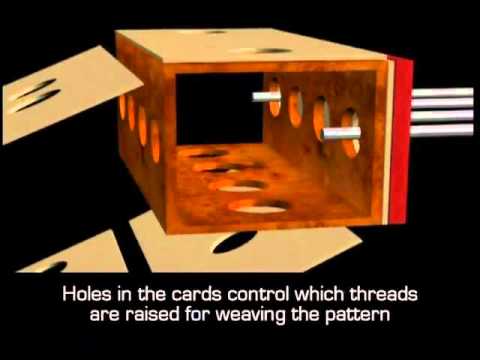
Watch the museum’s weaving explanation on YouTube.
Connect the role decision to material selection
Use our lining selection guide for the broader shortlist and lining fabric types for construction options. The polyester versus viscose comparison addresses fiber-family choices after the lining role is clear. Send the shell reference and assembly requirement through Shengchao Textile’s contact page when requesting samples.
Frequently asked questions
Can lining replace interfacing?
Not automatically. Lining and support are different jobs. Any proposed substitution needs review in the intended garment assembly.
Does interfacing always have adhesive?
No. Sew-in and fusible options exist. Confirm the particular material and application route rather than inferring them from the name.
Can one garment need both lining and interfacing?
Yes. A lining can finish the interior while interfacing supports selected areas. The pattern and desired result determine the combination.
Are the purple product images examples of interfacing?
No. They are based on a listed polyester twill lining product. They do not establish an adhesive or a supporting-material specification.