



















































































































Fabric Tensile Strength: Workwear Methods and Report Checks
Fabric tensile strength describes how a fabric responds when it is pulled in one direction until a specified force endpoint or failure. For workwear purchasing, a useful report identifies the test method, fabric direction, specimen condition, force and elongation together. A large breaking-force number without those details is difficult to compare. Start by agreeing which method fits the construction, then test representative finished material. Tensile strength is one part of durability approval: it does not replace tear, seam, abrasion or garment checks, and it cannot by itself establish a protective-clothing claim.
What a tensile report tells a workwear buyer
A tensile test applies a controlled pull to a prepared fabric specimen. The result describes that specimen under the stated laboratory conditions. It can help a buyer compare development options or monitor bulk consistency, provided the samples and method remain comparable. It does not tell the whole story of what happens when a pocket catches on equipment, a seam opens, or a knee repeatedly rubs against a surface.
Keep the measured force separate from a general promise that a fabric is strong. Force describes a load and needs a unit. Elongation describes extension relative to an initial length and needs an identified endpoint. A report may distinguish extension at maximum force from extension at rupture. Read the actual column headings rather than assuming every percentage has the same meaning.
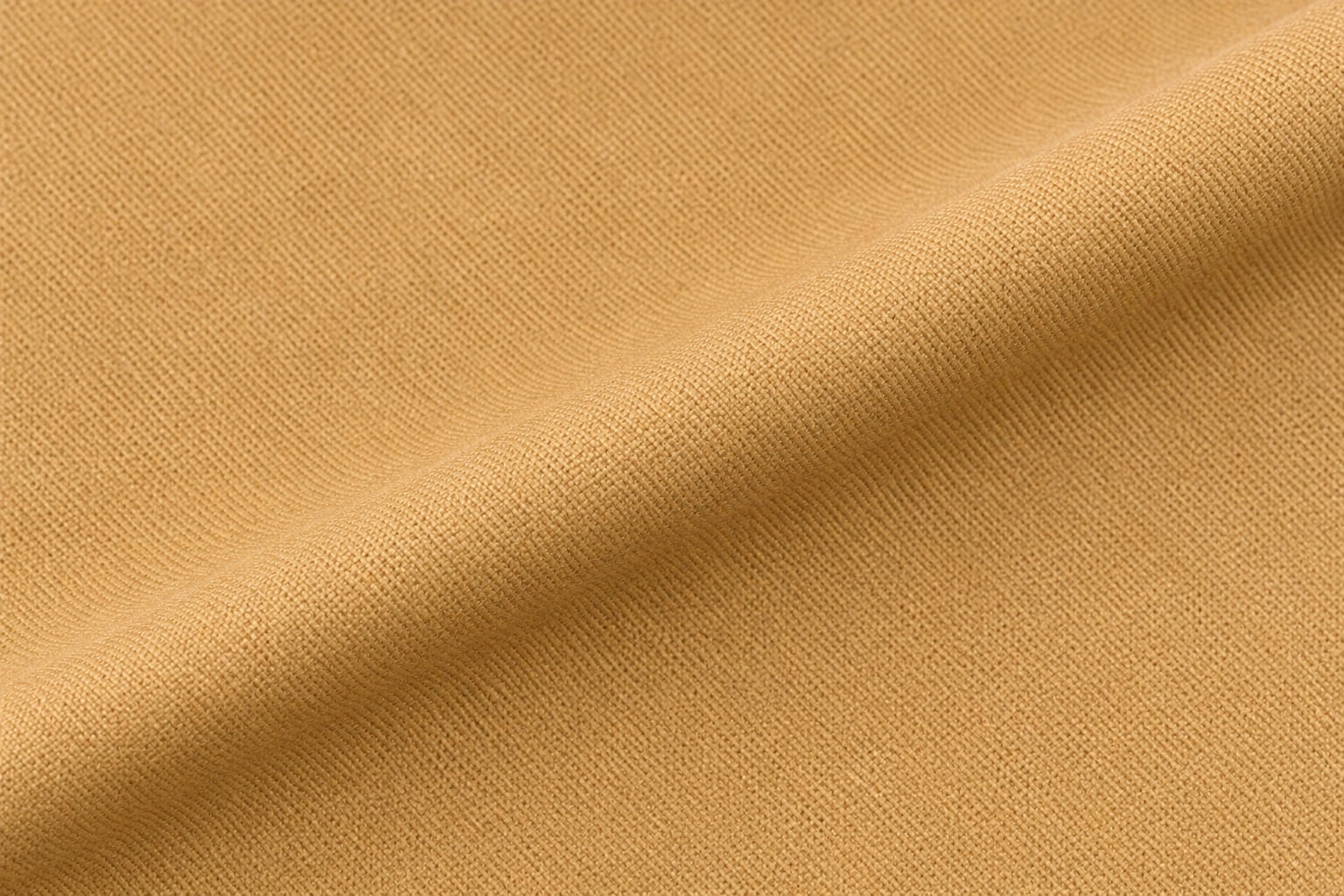
For a starting development discussion, consider Shengchao’s workwear fabric product. Its product page provides a material reference, not a tensile certificate. Request confirmation of the construction and current order specification before commissioning a test; generic manufacturing language should not substitute for identification of the exact supplied fabric.
Choose a method before comparing numbers
ISO 13934-1:2013 covers maximum force and elongation at maximum force using a strip method and is mainly intended for woven fabrics. Its published scope includes conditioned and wet specimens and specifies constant-rate-of-extension machines. Ask the laboratory to confirm applicability to the submitted construction instead of selecting a familiar standard number by habit.
ASTM D5034-21 describes grab testing of fabric breaking strength and elongation. A grab result and a strip result describe different loading arrangements. Do not rank suppliers by mixing them in one column or calculate a conversion factor from a single pair of samples. Choose an agreed procedure for the order, and keep any alternative method in a clearly separate comparison.
Method choice is especially important when a range contains woven workwear and highly extensible knitted materials. The public scope of ASTM D5035-11(2024) states that its strip procedure is not recommended for knitted or high-stretch fabrics. This limitation is a reason to discuss suitability with the laboratory, not a reason to assume another method automatically resolves every gripping or extension problem.
Read direction, condition and failure together
| Report field | What to check | Buying decision |
|---|---|---|
| Method | Number, edition, procedure | Compare like with like |
| Direction | Warp and filling separate | Locate weaker direction |
| Condition | Conditioned, wet or treated | Match intended comparison |
| Force | Unit and endpoint | Apply agreed limits |
| Elongation | Initial length and endpoint | Review deformation |
| Failure notes | Slippage or grip damage | Ask about validity |
This is a report-review checklist, not a substitute for the procedures in the cited standards. Ask for the full laboratory report, including departures from the method and any excluded specimens. A summary screenshot with only two averages removes the context needed to decide whether a comparison is valid.
For woven fabric, retain warp and filling results separately. The directions may respond differently, and averaging them into one number can hide a relevant weakness. Keep the garment pattern orientation in the development record so the team can relate the tested direction to panels, pockets and other areas of interest without pretending a laboratory strip reproduces garment use.
Build a sample set that represents the order
Identify the article code, colour, finish, lot and roll before cutting. Photograph the uncut sample and mark direction on a separate record that remains associated with it. Send enough material for the laboratory to prepare its required specimens without relying on damaged edges or repeatedly sampling the same narrow part of the fabric.
Ask how sampling locations will represent the shipment. An approval sample supplied early in development is useful as a reference, but it cannot establish that every later roll is identical. If there are multiple production lots or finishing routes, decide which need separate testing. Record that decision in the purchase specification rather than treating the cheapest sample plan as automatically representative.
When comparing new material with an approved reference, submit both through the same preparation route where practical. Separate unwashed results from results after an agreed care treatment. If wet performance matters to the intended product, request a defined wet comparison instead of wetting a spare piece informally and presenting it as a standard test.
Investigate an unexpected result without losing evidence
If a result is unexpectedly low, first check identity and method. Confirm that the sample label, report reference and purchase specification describe the same material. Then review direction, conditioning, preparation and reported failure. Ask whether the laboratory observed slippage or damage associated with gripping and how the method handles those observations.
Keep the original report when requesting a repeat. A second result should add evidence, not erase an inconvenient first result. Agree whether the laboratory will examine retained material, take new specimens from the same sample or require a fresh bulk sample. Each choice answers a different question about the possible cause.
A useful investigation record separates facts from hypotheses. “Two filling-direction results are below the agreed requirement” is an observation. “The finish damaged the yarn” is a possible explanation that needs evidence. Ask the supplier to compare production records and retained samples before committing to a cause or changing a processing route.
Connect tensile testing with other durability checks
A garment can fail at a cut edge even when a tensile result is acceptable. The separate fabric tear-strength guide explains why resistance to an existing tear needs its own assessment. Select that test for a relevant failure mechanism, rather than adding it solely because it also reports a force.
Assembly introduces additional decisions. Needle, thread, seam arrangement and stitch settings can affect how a sewn sample behaves. Use the seam-strength approval guide when the concern involves a seam or attachment. A fabric tensile certificate is not evidence that a particular pocket or trouser seam will meet its requirement.
Place these results within the broader pre-shipment fabric quality checklist. The aim is an agreed set of checks covering the product’s actual risks, not a collection of unrelated high numbers. For workwear with protective functions, identify the applicable product requirements separately with competent specialists.
Watch the test principle before reading a report
The etexlab demonstration below shows a fabric breaking-strength test and helps explain the connection between gripping, extension and failure. It is educational background, not a procedure for reproducing the standard or a test of Shengchao material. Use the laboratory’s specified method and report for contractual decisions.

Write an acceptance specification the team can use
List the agreed method and edition, required directions, condition and measured endpoints. Put any minimum force and elongation requirements in the order specification with their units. Establish how individual results, averages and variations will be reviewed before testing begins. There is no universal workwear pass value that applies to every construction and application.
Include the sampling plan and who has authority to approve a deviation. If a result is close to a boundary, the buyer, supplier and laboratory should follow the agreed decision rule and account for the report’s relevant measurement information. Do not silently round a result upward or replace it with the best specimen.
A practical request to a supplier includes the garment application, expected care, article code, colour range, target construction, reference sample, method, test condition and reporting format. Ask for test evidence traceable to the offered lot, plus a retained sample. Keep the approved report alongside the signed specification so a later team can understand exactly what was accepted.
At bulk release, check that the report refers to the final finish and colour rather than an earlier development version. Keep a simple record of sample receipt, testing and approval dates. If material was reprocessed after testing, ask the responsible laboratory or quality team whether the existing evidence still represents it before accepting the shipment.
Frequently asked questions
Is fabric tensile strength the same as tear strength?
No. A tensile test pulls a specimen in a stated arrangement, while a tear test examines a different failure process involving an existing tear. Specify and review them separately when both risks matter.
Can grab and strip results be compared directly?
They should not be treated as interchangeable numbers. Use the same agreed method, direction, condition and reporting endpoint for a meaningful supplier comparison, or keep separate method-specific requirements.
Does a heavier workwear fabric always have greater tensile strength?
Weight alone does not establish the result. Confirm the actual construction and test representative finished fabric. A weight specification and a tensile requirement answer different purchasing questions.
Does an acceptable tensile result approve the finished garment?
No. It supports the defined fabric decision. Seams, care performance, garment construction and any applicable product requirements still need their own evidence and approval.