




























Fabric Thermal Resistance: Fleece Rct and Buying Checks
Fabric thermal resistance describes resistance to heat flow through a textile under defined test conditions. For brushed-fleece purchasing, it helps compare insulation behaviour when the samples, method and preparation are matched. A higher result under the same conditions means greater resistance to heat transfer, but does not automatically mean a better sportswear fabric or a more comfortable garment. Ask for the actual Rct result, unit, method edition and sample identity. Keep thermal insulation separate from water-vapour resistance, air permeability and the initial warm or cool feeling when a hand touches the surface.
Start with the layer’s job in the garment
A fleece used for light exercise and a fleece used as a resting layer may serve different purposes. Write down the intended activity, environment and layering arrangement before requesting a target. That brief helps the development team decide what to compare and prevents the purchasing sheet from treating the largest insulation number as the winner in every application.
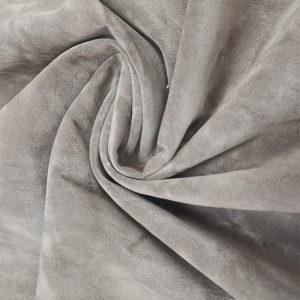
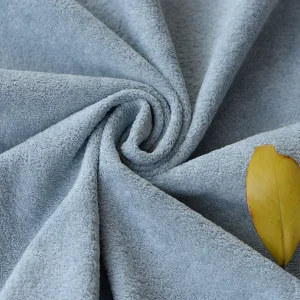
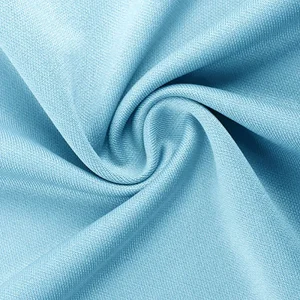
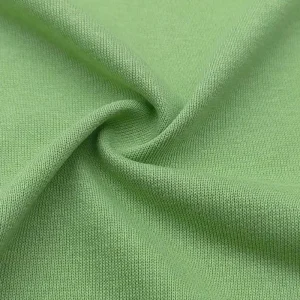
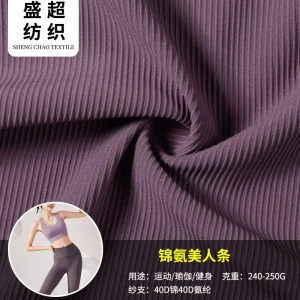
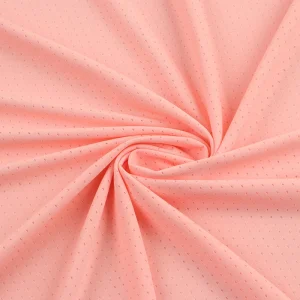
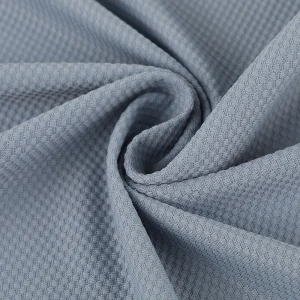
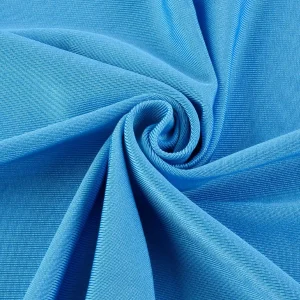
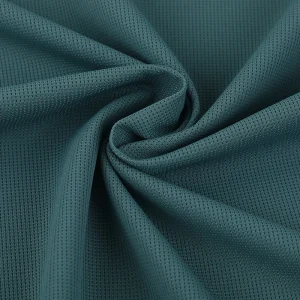
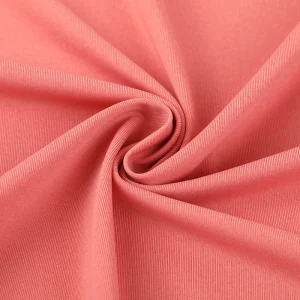
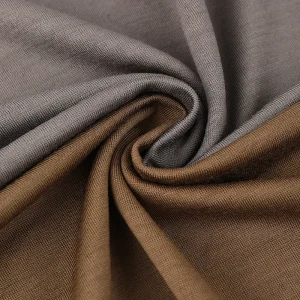
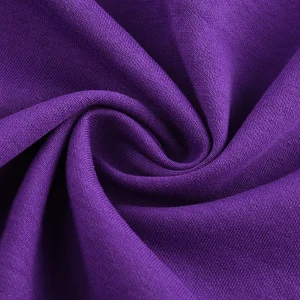
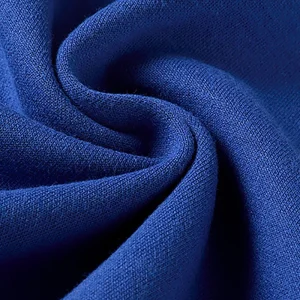
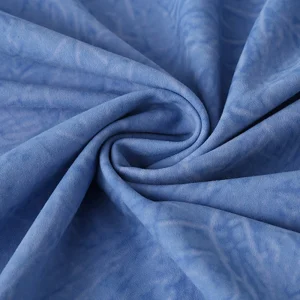
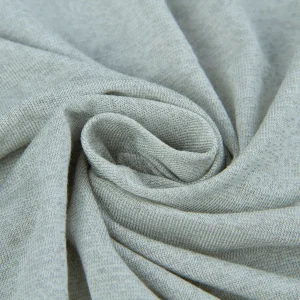
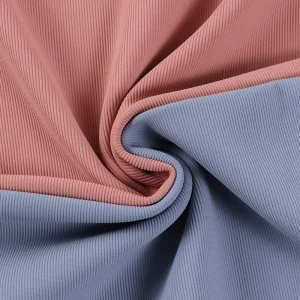
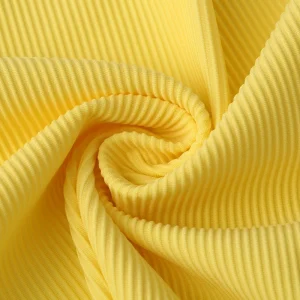
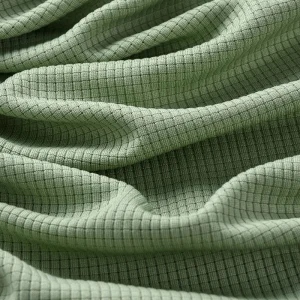
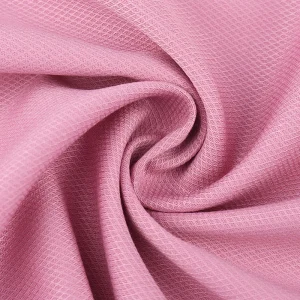
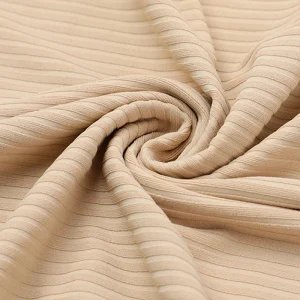
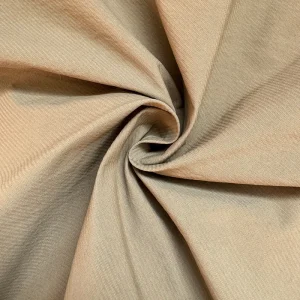
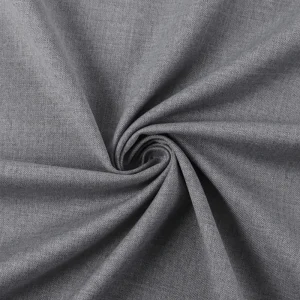
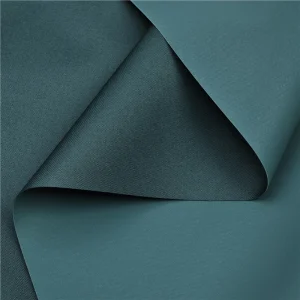
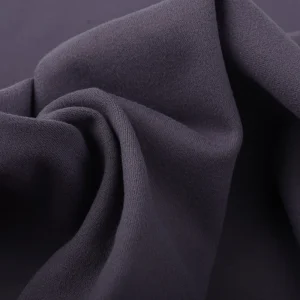
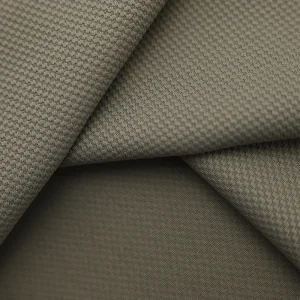
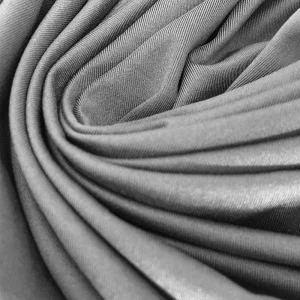
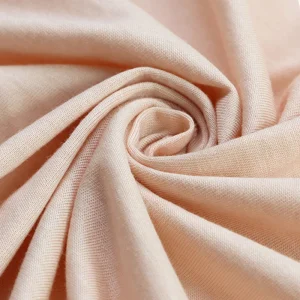
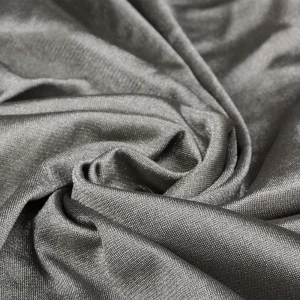
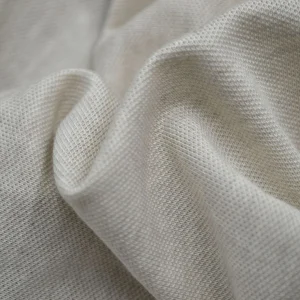
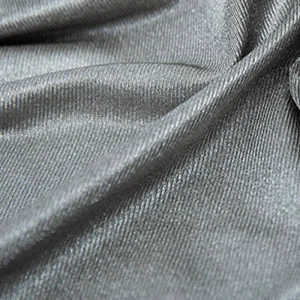
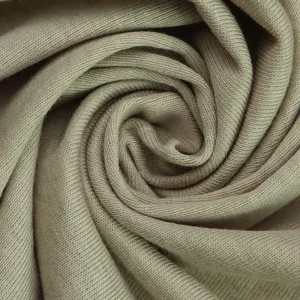
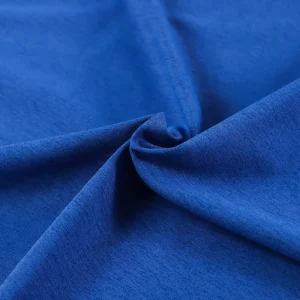
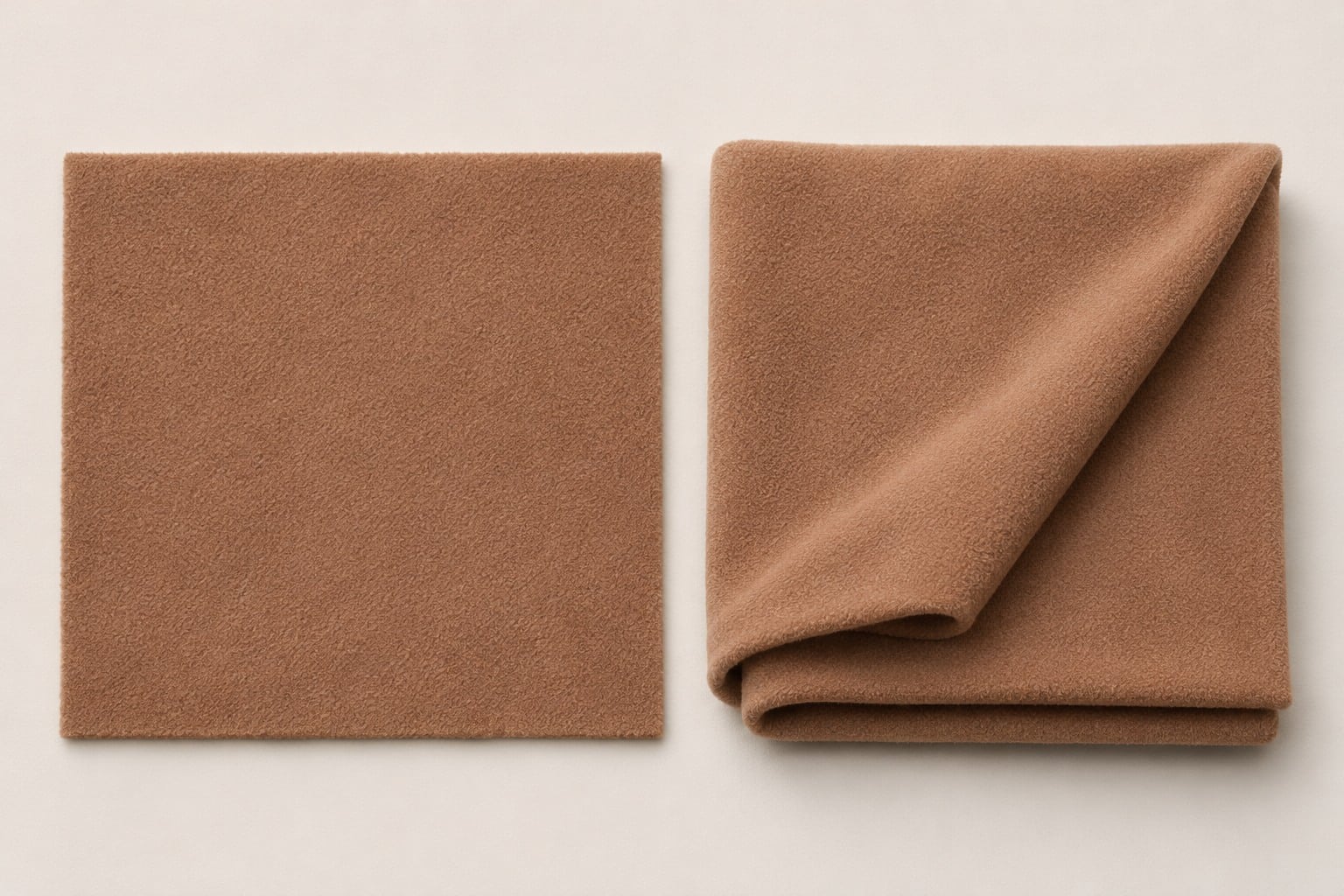
Shengchao’s brushed fleece fabric provides a real development reference for this discussion. Its product page identifies a polyester-spandex material with a brushed finish. The photograph shows surface character; it does not establish a thermal-resistance value. Confirm the current article specification and request testing on the actual finish proposed for the order.
Describe the role of the fabric within the full clothing system. A laboratory test on a flat fabric sample does not reproduce garment fit, movement, openings or every possible layer combination. Use the fabric measurement to answer a defined material question, then use an appropriate garment evaluation to address the intended wearing situation.
Know the current standard and its limits
ISO 11092:2026 specifies steady-state measurement of thermal and water-vapour resistance using a sweating guarded hotplate. It replaced the 2014 edition. Its published scope explicitly says the test conditions are not intended to represent specific comfort situations and do not provide physiological-comfort performance specifications. A method citation is therefore not a universal comfort rating.
When a report uses an earlier edition, do not simply change the year in the buying sheet. Keep the original edition and ask the laboratory whether the results are suitable for the intended comparison. If the order requires the current edition, arrange the appropriate evidence. Mixing methods or editions without review can make a simple-looking comparison less useful.
The public standard summary establishes scope and limitations, not all operating details. Laboratories need the full applicable procedure. Buyers should request the method reference, preparation, specimen description, reported result and relevant departures rather than trying to reconstruct a standard test from a short online explanation.
Separate Rct from other comfort-related measurements
| Property | Main question | Review separately |
|---|---|---|
| Thermal resistance | Resistance to heat flow | Method and layers |
| Water-vapour resistance | Resistance to vapour transfer | Moisture conditions |
| Air permeability | Airflow through fabric | Pressure difference |
| Contact sensation | Initial touch response | Test contact setup |
| Garment comfort | Response during use | Activity, fit, climate |
This table distinguishes evaluation questions rather than prescribing a single pass threshold. A fleece may need a balanced set of attributes, depending on its role. Keep each measured property in its own column with the method and unit. Do not merge unrelated results into a score unless the development team has defined and justified that decision system.
The water-vapour resistance guide explains a complementary moisture-transfer question. Thermal resistance and vapour resistance can be considered together, but their units and meanings differ. Calling a fabric breathable without specifying the intended measure obscures the comparison rather than helping it.
Similarly, use the air-permeability guide when the concern is airflow. An airflow result does not replace Rct, and neither alone establishes how a garment will feel during an entire workout. Ask the development team which combination of evidence fits the product brief.
Control sample preparation and the assembly
Identify the tested face, article code, colour, finishing route and production lot. Mark which side is intended to face the wearer and explain how the fabric is used in the proposed product. Agree with the laboratory how those details should be represented and reported; do not assume the sample’s orientation is obvious from its appearance.
For a multilayer assembly, record the component order and which pieces were tested together. A report for a single fleece layer is different evidence from a report for a fleece and shell assembly. Keep assembly measurements separate rather than adding values from unrelated reports and presenting the sum as a measured garment result.
If after-care performance matters, define the care treatment before submission. Retain untreated material for comparison and keep wash and drying records linked to the sample. “After washing” is incomplete if different teams used different routines. Ask the laboratory which preparation information it needs so the eventual comparison can be repeated.
Why bulk, pressure and surface treatment need attention
A University of Zagreb-led study on thermal-resistance measurement examined clothing materials and assemblies using several measurement systems, including comparisons under different compression conditions. It supports treating sample arrangement and compression as part of the measurement context. It does not provide a thermal value for the product pictured here.
For procurement, this means recording how a sample was handled and prepared. A tightly packed swatch, a recently brushed development sample and a repeatedly laundered bulk sample may represent different material states. Keep them identified and ask whether the proposed comparison remains appropriate, rather than attributing a changed number to fibre content alone.
When a supplier changes brushing or another finishing step, request confirmation of what changed and which approvals need renewal. Check important accompanying properties as well as insulation: a finish selected to change surface character still needs to meet the product’s other agreed requirements. Avoid promising an improvement based only on a softer hand feel.
Read the report before setting a commercial claim
Locate Rct and its unit, commonly expressed as square metre kelvin per watt. Confirm whether the report describes the tested material or a particular assembly and whether any corrections or qualifications are stated. Copy the complete result reference into the specification so later teams can find the laboratory evidence rather than relying on an isolated value.
Compare results only after checking method, sample preparation, layer arrangement and condition. If the comparison comes from different laboratories, ask whether the reports support a fair ranking and whether a matched test set would be more informative. A small difference on a spreadsheet should not be treated as a meaningful product advantage without review.
Do not convert a laboratory fabric result into a guaranteed outdoor temperature rating. That claim requires a defined product, use context and appropriate evidence. Likewise, thermal resistance is not evidence of flame resistance, contact-heat protection or another protective function. Specify those requirements separately where the intended product needs them.
Watch the thermal-transmission background
The NPTEL IIT Delhi lecture below explains clothing comfort in relation to thermal transmission. It provides engineering background for understanding heat-transfer questions. It is not a demonstration of the current ISO procedure or a product test. Use it alongside the written sources and the actual laboratory report, rather than as an approval certificate.

Build an approval request around comparable evidence
Add thermal testing to the pre-shipment quality plan only when it answers the product brief. State the method and edition, sample identity, tested layers, preparation and reporting format. Define acceptance criteria jointly with the responsible development team before the laboratory results arrive.
For a supplier enquiry, include the proposed garment, expected activity, layer arrangement, care route and any approved reference fabric. Ask for a representative sample and available report tied to that construction. If the supplier has only general promotional claims, treat them as discussion points until the relevant measurement evidence is available.
Keep a retained reference from the approved material and record any later change in construction, weight or finish. If a bulk result differs, check the sample identity and test context first, then investigate manufacturing differences. A repeat test should add traceable evidence; it should not remove the original report or quietly redefine the acceptance requirement.
At shipment approval, confirm that the report and the retained swatch share the same revision code. A change in the supplied article should be visible to the person signing the release, even when the commercial product name stays the same. This simple identity check prevents an earlier development measurement from being applied to a later, untested construction.
Frequently asked questions
Does higher thermal resistance always mean better fleece?
No. The preferred insulation depends on the garment’s role and expected use. Compare matched measurements against a defined product brief rather than selecting the highest result automatically.
Is Rct the same as water-vapour resistance?
No. Rct concerns resistance to heat transfer. Water-vapour resistance describes a different transfer process and uses different units. Review both separately when the product requires both types of evidence.
Can a fabric thermal result predict a garment’s temperature rating?
Not by itself. Garment construction, layers, fit, activity and environment affect the use situation. A temperature claim needs an appropriate defined evaluation and supporting evidence.
Can a product photograph prove insulation performance?
No. A photograph can document visible surface and construction features. Request a report for the identified fabric or assembly under the agreed method before making a measured insulation claim.