




Fabric Bow and Skew: Inspection and Cutting Decisions
Fabric bow and skew describe distortion of the crosswise yarns, knitted courses or a geometric pattern across a fabric’s width. Bow produces a curved line; skew produces an angled line relative to the fabric edges. Apparel buyers should inspect the relaxed fabric, record the measurement basis and evaluate the effect on the actual pattern pieces before cutting. A neat-looking folded swatch cannot prove that a full roll is straight, and an average result can conceal a local area that causes visible matching problems.
This guide focuses on purchasing and cutting decisions for patterned apparel fabrics. It keeps fabric geometry separate from colour, shrinkage and waterproof performance so each approval answers the right question.
Distinguish a curve from a slope
Imagine following a crosswise line from one fabric edge to the other. With bow, the line bends away from a straight reference and returns toward the opposite edge. With skew, the crosswise line runs at an angle. Real material can show a combination, so a single photograph should not force an inspection into only one category. Mark what was followed: a yarn, a knitted course or a printed design line.
ASTM D3882 covers evaluation of bow and skew in woven and knitted fabrics and can also be used for printed geometric designs. Its public scope is useful when selecting a laboratory method. Obtain the applicable procedure and reporting details from the laboratory rather than treating a casual ruler check as a claim of full standard compliance.
ASTM D7811 separately identifies a measuring-tool approach to bow and skew. Ask which method the customer’s specification requires. A method name, measurement location and fabric condition should accompany the result. The requirement is not complete if it says only straight fabric, because the buyer and supplier may otherwise assess different areas or use different references.
Why checks and stripes make distortion visible
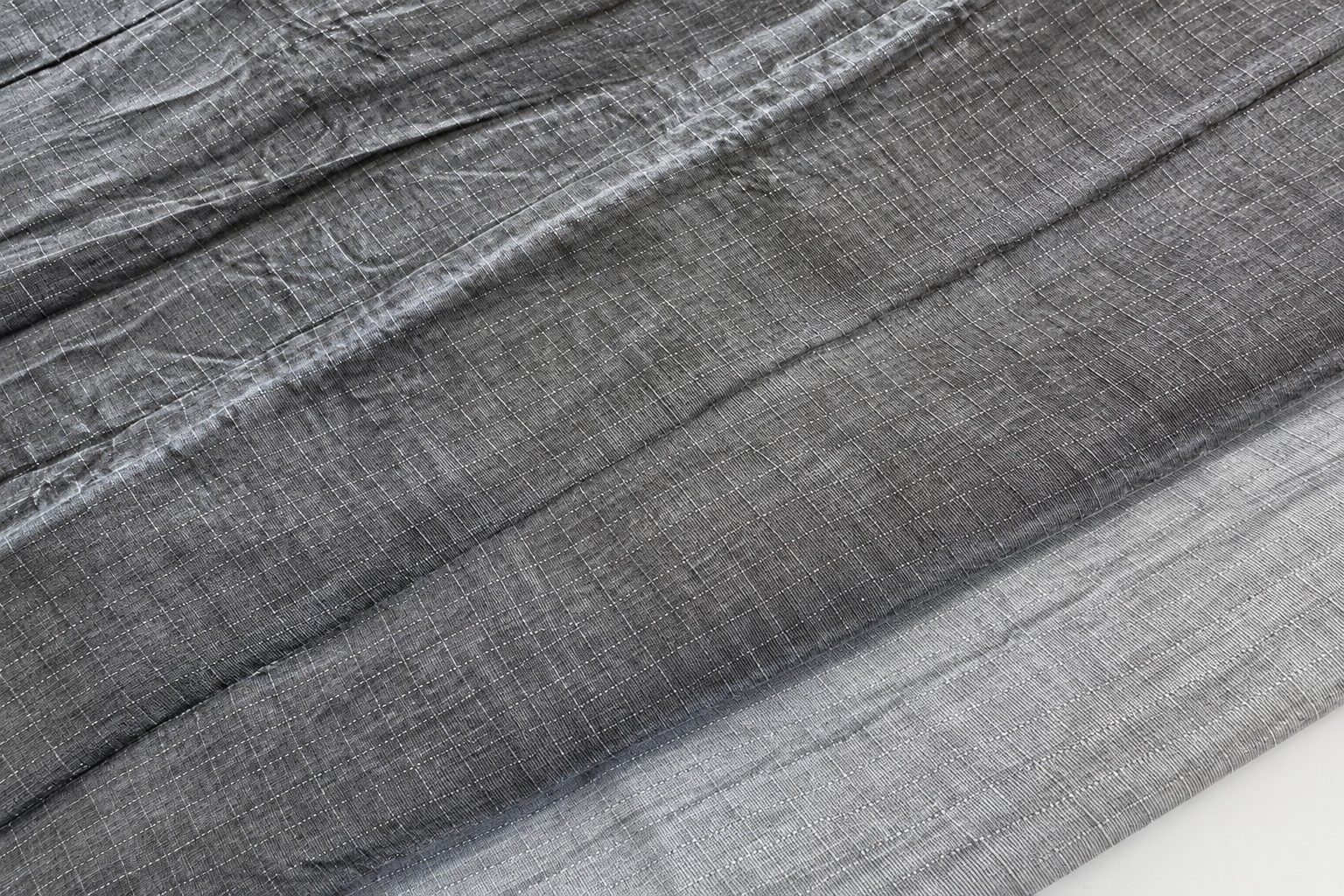
A plain fabric can hide a modest directional change that becomes obvious in a strong grid. On a checked garment, the eye compares the line at a seam, pocket or front opening with a nearby straight edge. Small parts can reveal a local change that is not apparent in a broad photograph. Inspect the pattern as it will appear in the garment, including joins and mirrored pieces.
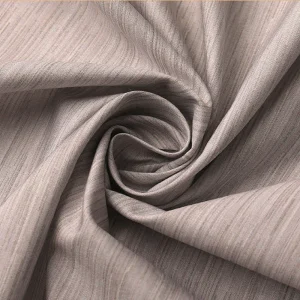
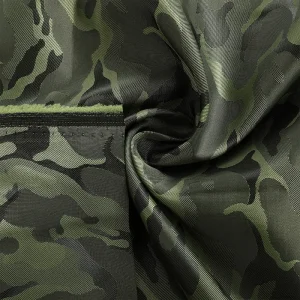
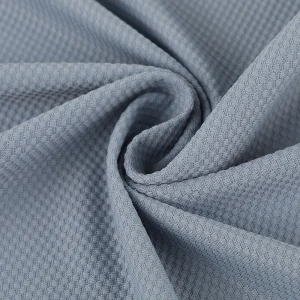
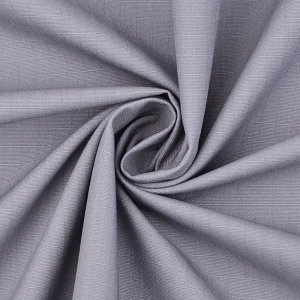
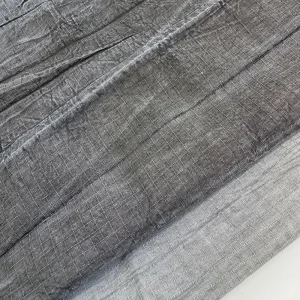
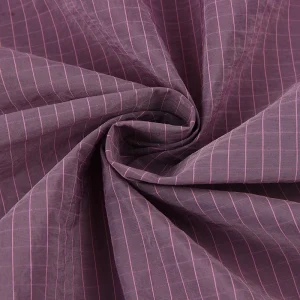
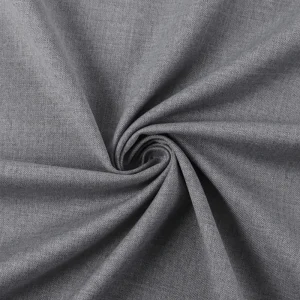
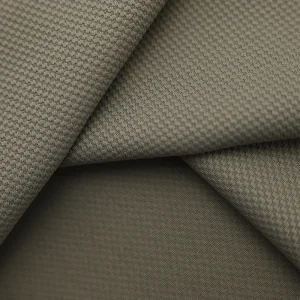
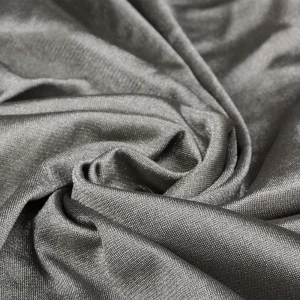
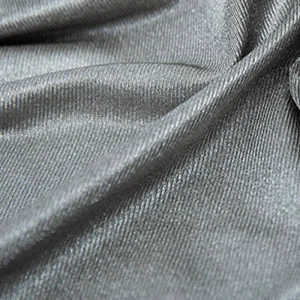
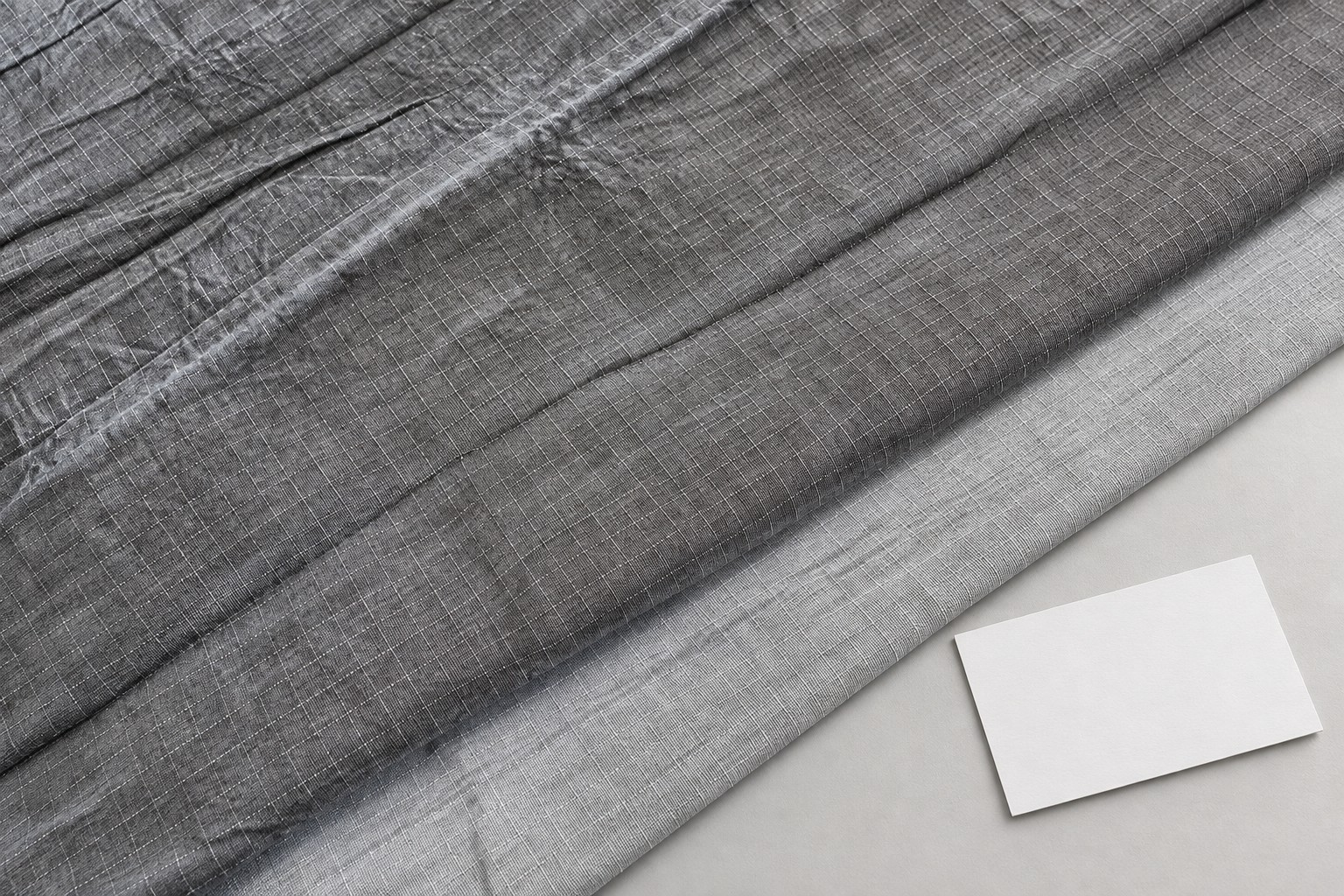
The grey checked material on Shengchao’s water-repellent nylon fabric page illustrates why a grid is a useful visual reference. Its product photograph shows folds and perspective, not a measured defect or an inspection result. Do not diagnose bow from a draped marketing image. Request a relaxed full-width sample and inspect the actual pattern on a suitable surface.
First identify the material structure using the knit and woven fabric guide. A printed grid, woven check and knitted stripe are not interchangeable references. The design line may require its own check alongside the underlying structure. If a print is misaligned while the fabric yarns are straight, describing everything as yarn distortion can send the investigation in the wrong direction.
Agree the inspection basis before shipment
| Inspection item | Record | Buying implication |
|---|---|---|
| Article and roll | Lot, roll code and position | Locates affected material |
| Reference line | Yarn, course or design element | Defines what was measured |
| Fabric condition | Relaxation and preparation | Supports a fair comparison |
| Method | Agreed procedure and units | Makes the result interpretable |
| Local variation | Worst relevant area and its location | Prevents averages hiding cutting risk |
| Garment trial | Matching at seams and small panels | Tests the actual appearance requirement |
The table is an inspection-planning tool. It does not establish a universal tolerance. The customer and supplier should agree the acceptable basis for the article and end use before the order. If an existing specification states a percentage, confirm exactly how it is calculated and which width and displacement are used. Avoid comparing values that happen to share a percent sign but use different definitions.
Inspect a relaxed sample, not a stretched display
Pulling the fabric until the grid looks straight can hide the condition the cutting room will encounter. Ask the responsible technical team to define preparation and relaxation consistent with the agreed inspection method. Keep the sample free of accidental tension while documenting it. Mark the selvages and measurement area so the photograph can be connected to the physical record.
Photography is especially vulnerable to perspective. A camera placed at an angle can make a rectangular grid look skewed even when the material lies flat. Use a consistent camera position when making comparison records, and include the inspection notes rather than deriving acceptance from the picture alone. A useful image shows context; the measurement supplies the formal basis for the decision.
For a bulk roll, identify where each observation came from. A small development swatch does not represent every section of a long delivery. Agree a sampling approach and retain records that allow an affected length to be located. If variation is suspected, expand the inspection in a controlled way rather than treating one convenient area as proof that the whole roll is either acceptable or defective.
Make the cutting decision with the garment maker
Before cutting bulk, lay out representative pattern pieces on the approved sample. Look at front edges, pocket positions, collars and matching seams. Record whether the pattern can meet the intended appearance without introducing unacceptable orientation or extra consumption. A marker adjustment can have cost and fit consequences, so it should be approved by the responsible apparel team rather than silently absorbed by the cutting room.
Do not cut away a suspected problem before preserving evidence. Mark and segregate the questioned material, identify the roll and notify the supplier with the measurement basis. Where a concession is possible, describe the exact length or lot it covers and the garment limitation. A concession for a concealed small panel should not become blanket approval for visible matched fronts.
Also separate initial geometry from change after care. Our fabric shrinkage guide addresses dimensional-change measurement. The two records can be connected through a common sample identity, but one should not replace the other. A roll that appears straight before care may still need an after-care garment review if the customer requires matching to remain acceptable.
Investigate causes without jumping to a remedy
Uneven handling and processing tensions can be relevant to distortion, but a buyer should not diagnose a particular production machine from a finished photograph. Provide the mill with the observed shape, direction, location and preparation details. Ask for a proposed corrective route and a separately identified revised sample. The purpose is to reproduce and resolve the condition, not simply to produce a more flattering image.
A proposed straightening or finishing adjustment needs validation on the article. Review the geometry after the agreed preparation and inspect the other required properties again. Processing that changes appearance, handle or dimensional behaviour may require a broader approval. Keep the revision separate from the original sample so a later delivery can be checked against a clear reference.
Water repellency is another independent property. A checked outdoor fabric does not gain rain-performance approval because its grid is straight. Use the separate waterproof versus water-resistant comparison to specify relevant evidence. That keeps a geometric inspection from being presented as proof of a finish, coating or performance level that was never measured.
Keep a practical release record
The final cutting release should identify the fabric, roll coverage, method, observations and customer decision. Include any limits on pattern matching or usable areas. A short written decision is more useful than a message saying looks fine, because the cutting team can apply it consistently. Retain the original control and the revised sample if a correction was approved.
For a repeat order, ask whether the same inspection arrangement still applies. A new design repeat, garment style or fabric construction may change what matters visually. Review the acceptance basis before production rather than waiting for the first cut panels. This creates a clear boundary between an unchanged repeat and a new development that requires fresh evidence.
Watch a bow and skew demonstration
The Textile knowledge video below introduces bow and skew in woven and knitted material. It is an educational aid for understanding the inspection concept. The agreed method and the actual roll record remain the basis for acceptance.
Example of a clear inspection request
Ask the mill to identify the roll and position of each observation, state which crosswise line was followed and record the fabric condition. Attach the garment matching requirement separately. If the proposed release permits a restricted use, name that use explicitly and keep the questioned material identifiable until the decision is accepted. This gives the cutting team an instruction it can apply without guessing what an informal approval meant.
Frequently asked questions
Can bow and skew occur together?
Yes. Record the observed geometry and reference line clearly rather than forcing a mixed condition into one label.
Can a product photograph prove the roll is distorted?
No. Folds, perspective and tension can change the apparent pattern. Inspect a prepared full-width sample using the agreed method.
Does a straight grid prove waterproof performance?
No. Pattern geometry and resistance to water are separate requirements. Obtain the appropriate evidence for each.
Who should approve a cutting concession?
The responsible customer and apparel technical team should define its scope. Record the exact affected material and permitted use before cutting proceeds.