



















































































































Fabric Bursting Strength: Methods, Reports and Knit Buying Checks
Fabric bursting strength measures resistance to rupture when a specimen is pushed outward under a defined test procedure. It is useful for evaluating knitted materials, where a garment panel can be loaded in several directions together. A meaningful report identifies the method, test area, sample condition, pressure result and any associated distension measurement. Bursting strength does not mean stretch recovery, seam strength or guaranteed garment life. Buyers should compare like-for-like reports and connect the laboratory evidence to the exact article, finish and care preparation before approving bulk fabric.
For development teams, the main task is to separate a strong test result from a complete garment approval. This guide focuses on what to request, what to compare and which unanswered questions require a different assessment.
Understand the loading question
A burst test loads a clamped region outward rather than pulling a narrow strip only along its length. The UPTTI teaching note on bursting strength explains the importance of loading in several directions and discusses knitted fabric applications. This provides a reason to consider bursting evidence when assessing panels that deform over the body.
The laboratory specimen remains a controlled simplification. A sleeve, knee panel or fitted garment includes seams, shaped pieces and contact with other components. Use the test to answer the material question it was selected for. Then check the garment design separately instead of assuming that a strong unsewn swatch guarantees a reliable finished product.
Choose a method that matches the specification
ISO 13938-1 describes hydraulic determination of bursting strength and bursting distension. The public scope includes knitted, woven, nonwoven and laminated fabrics and allows conditioned or wet specimens. Its companion part uses pneumatic pressure. Name the required part and edition in the request so the laboratory can confirm the appropriate equipment and preparation.
A document that says only “burst test” leaves too much open. Ask whether the result comes from a diaphragm pressure method or another procedure. Do not combine results from different loading systems simply because both reports use the word bursting. Where a customer specification names a method, resolve any proposed substitution with the customer before testing.
Keep the original laboratory result and units. A purchasing spreadsheet should not force pressure results into a force column or treat one method as interchangeable with another. If a report is incomplete, ask for clarification rather than calculating a new result from information that does not describe the actual test geometry.
Separate pressure, distension and recovery
Bursting pressure concerns the pressure associated with rupture under the procedure. Distension describes the outward deformation recorded during the assessment. These are related observations, but they answer different questions. A material that deforms readily is not automatically the one with the highest rupture resistance.
Stretch recovery asks whether a textile returns after an agreed extension and recovery period. A destructive burst result cannot replace that measurement. Use the stretch and recovery guide when bagging or permanent extension is the concern. Keep recovery requirements separate on the approval sheet so they cannot be accidentally waived by a burst pass.
Likewise, a panel can pass an agreed material test while the garment fails at needle damage or a poorly chosen seam. Record the actual failure location during garment trials. That information helps determine whether to investigate material selection, sewing conditions, panel shape or a combination of factors.
Build a comparable report checklist
The table below contains buyer documentation checks, not universal performance limits. The selected standard and the laboratory’s confirmed procedure control the test. Agree the acceptance criterion for the actual application before receiving competing supplier reports.
| Item | Information to request | Comparison risk if missing |
|---|---|---|
| Method identity | Standard, part, edition and loading system | Different tests may be treated as equivalents |
| Test area | Exposed area used for the specimens | Different geometries may undermine comparison |
| Sample condition | Conditioned or wet; any prior care treatment | Results may represent different material states |
| Result type | Bursting pressure and separate distension where required | Pressure and deformation may be confused |
| Test observations | Invalid tests, unusual failure locations and deviations | A numerical summary may hide validity concerns |
| Traceability | Article, colour, finish, lot and sample identity | The report may not represent delivered fabric |
| Decision | Application-specific acceptance rule and reviewer | A method reference may be mistaken for a pass limit |
Ask for sufficient information to reproduce the purchasing decision. This does not mean copying the entire standard into the purchase order. It means keeping the method, relevant conditions, result and agreed requirement together so a future reviewer can understand why the sample was accepted.
Start with a traceable knit sample
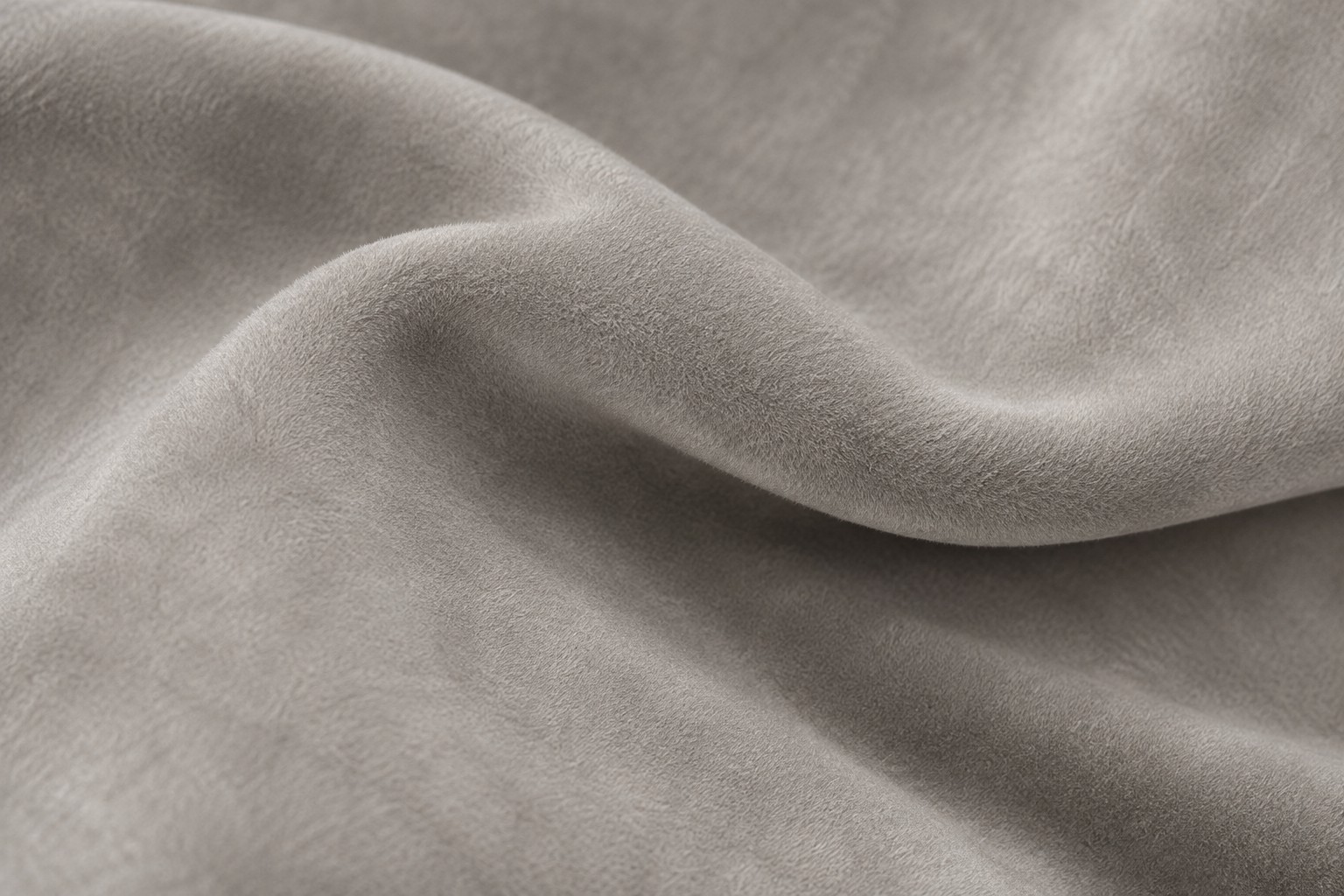
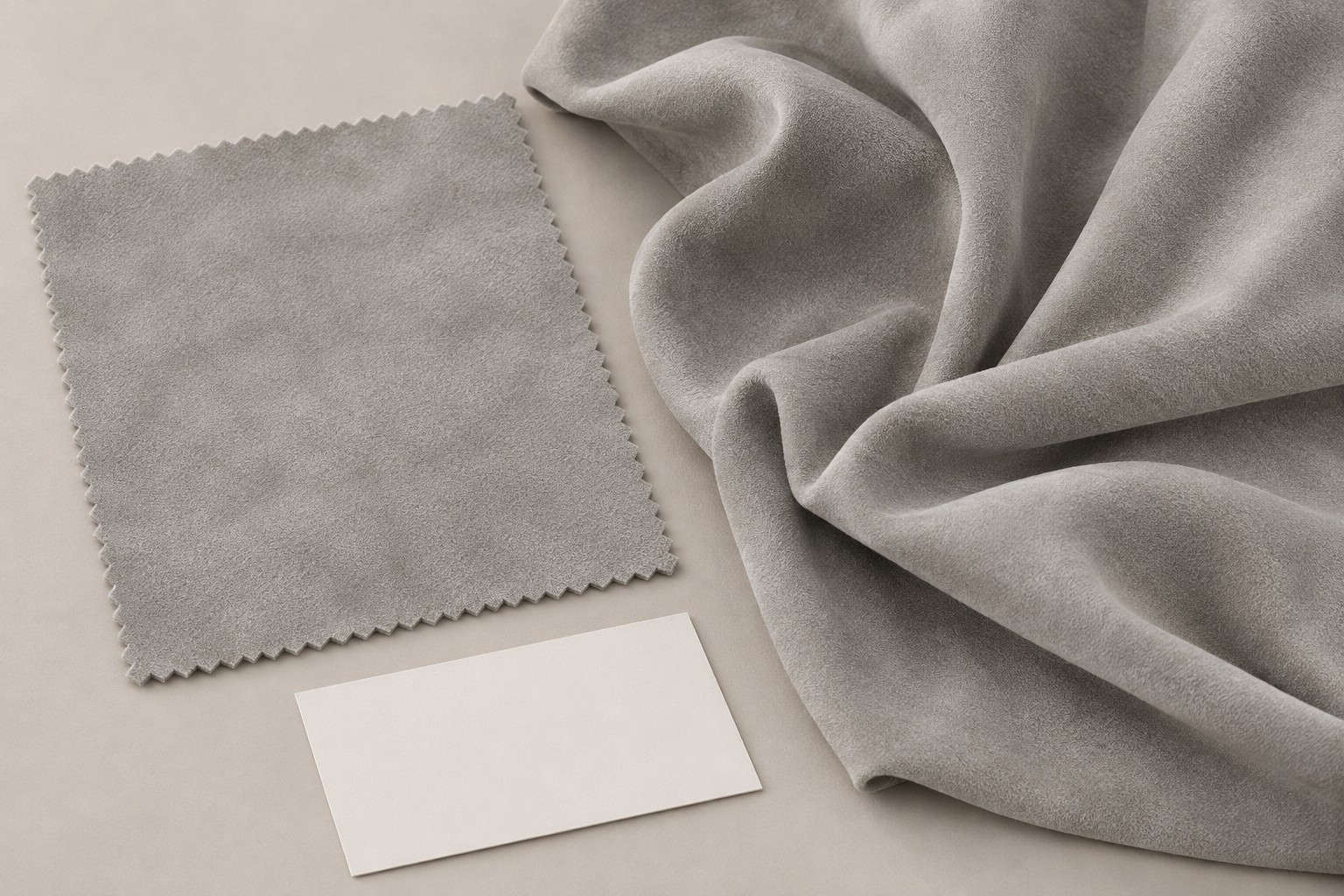
Shengchao’s double-sided jacquard knit product provides a concrete starting point for a development enquiry. Request the current article sheet and physical sample. Confirm construction and composition directly before specifying the laboratory programme; a product title or soft-looking photograph cannot resolve every technical detail.
The images accompanying this guide illustrate the listed sample’s visible appearance. They do not show a tested specimen or establish a bursting value. Where a product description is unclear, make the clarification part of sampling approval instead of repeating an unverified percentage in the purchase specification.
The sportswear fabric overview supplies the wider parent context for selecting a material family. Bursting evidence is one input among fit, hand feel, surface appearance and care performance. Decide which requirements matter for the garment before asking the supplier for a general claim of high quality.
Control sample state and preparation
Identify the garment-facing surface and mark sample orientation for traceability. Although the burst test loads an area, retaining orientation information helps investigate unusual failure patterns and compare the material with the sample room’s records. Avoid drawing test specimens from an unidentified remnant that cannot be connected to the proposed production article.
Ask the laboratory how much material it needs for valid sampling and repeats. Keep an untouched retention piece from the same submission. If a test requires wet specimens or a prior care treatment, record that explicitly. A report on conditioned material should not be presented as proof of wet-state performance without appropriate supporting evidence.
For after-care testing, specify the preparation separately from the burst method. Record the relevant treatment and sample identification on the request and report. Otherwise a change in preparation can be mistaken for a change in the fabric itself, leading the buying team to accept or reject the wrong production option.
Review variation before changing the material
When results vary, confirm that the laboratory considered test validity and the applicable reporting rules. Do not remove low results simply because they are inconvenient. Ask whether the variation reflects sampling, uneven material, mounting difficulties or another observation that needs investigation. Preserve the laboratory’s explanation with the final result.
If one candidate performs differently, review article identity and test conditions before attributing the difference to fibre composition. Two fabrics can differ in several construction and finishing variables at once. A purchasing comparison can identify a preferred sample without proving which single variable caused the measured difference.
Use controlled development changes where possible. Change one relevant specification at a time, retain the previous sample and repeat the agreed assessment. That creates evidence for a practical decision and reduces the risk that an unrecorded change in finish or preparation is credited to the wrong material feature.
Combine laboratory evidence with garment checks
Make a trial garment using the intended pattern, seam and production settings. Inspect stress zones after the agreed fitting or movement assessment. A laboratory pass should remain visible in the approval record, but it should not override a real garment fault that requires explanation.
Where repeated surface wear is the concern, specify an additional assessment rather than stretching the meaning of the burst result. The pilling resistance buying checks address a complementary surface issue. A complete approval can therefore include separate decisions for rupture resistance, recovery, appearance and sewing behaviour.
Before release, place the approved laboratory report, retention sample reference and garment trial outcome in the same order record. Identify any outstanding question and the person responsible for closing it. If the supplier proposes a replacement article, reopen the relevant approval rather than transferring the previous result automatically. This keeps the commercial decision tied to evidence that actually represents the material being purchased.
Watch the NPTEL explanation
NPTEL IIT Delhi’s lecture on evaluation of bursting and tear strength provides educational background to the loading principles. The two test families discussed in the lecture remain separate purchasing requirements. The video is not evidence that a particular Shengchao article meets a specified value.
Frequently asked questions
Is fabric bursting strength the same as tensile strength?
No. The procedures apply load differently. Select the assessment that answers the material question and the customer’s specification, rather than replacing one result with another.
Does high bursting strength prove good stretch recovery?
No. Rupture resistance and recovery after extension are different properties. Request a separate recovery assessment when permanent deformation matters.
Can conditioned and wet results be compared directly?
Keep them as distinct conditions unless the specification defines how to interpret both. Confirm preparation and method before making a purchasing comparison.
What should accompany a bursting result?
Keep the method, test area, sample state, article identity, reported units, relevant observations and acceptance rule with the result. Ask for clarification when any of these are missing.