



















































































































Fabric Static Electricity: Lining Samples and Report Checks
Fabric static electricity is the build-up of electrical charge on a textile, often noticed as cling, dust attraction or a small discharge when layers separate. For lining buyers, the useful question is how the supplied fabric behaves with the intended shell, clothing layers and care routine. Fibre name alone does not establish performance. Request a representative finished sample, a defined evaluation method and the conditions behind any report. Ordinary lining comfort checks and specialist protective-clothing approval are different decisions; a fabric described as soft or smooth is not automatically an antistatic or electrostatic-protective material.
Start with the lining application
A bag lining, skirt lining and jacket lining meet different surfaces during use. Before asking for an antistatic finish, describe the actual complaint: does the lining cling to another layer, attract loose fibres, or become difficult to feed during making? These observations help the supplier and laboratory select a meaningful comparison. A vague request for “no static” does not tell them what will be assessed or under which conditions.
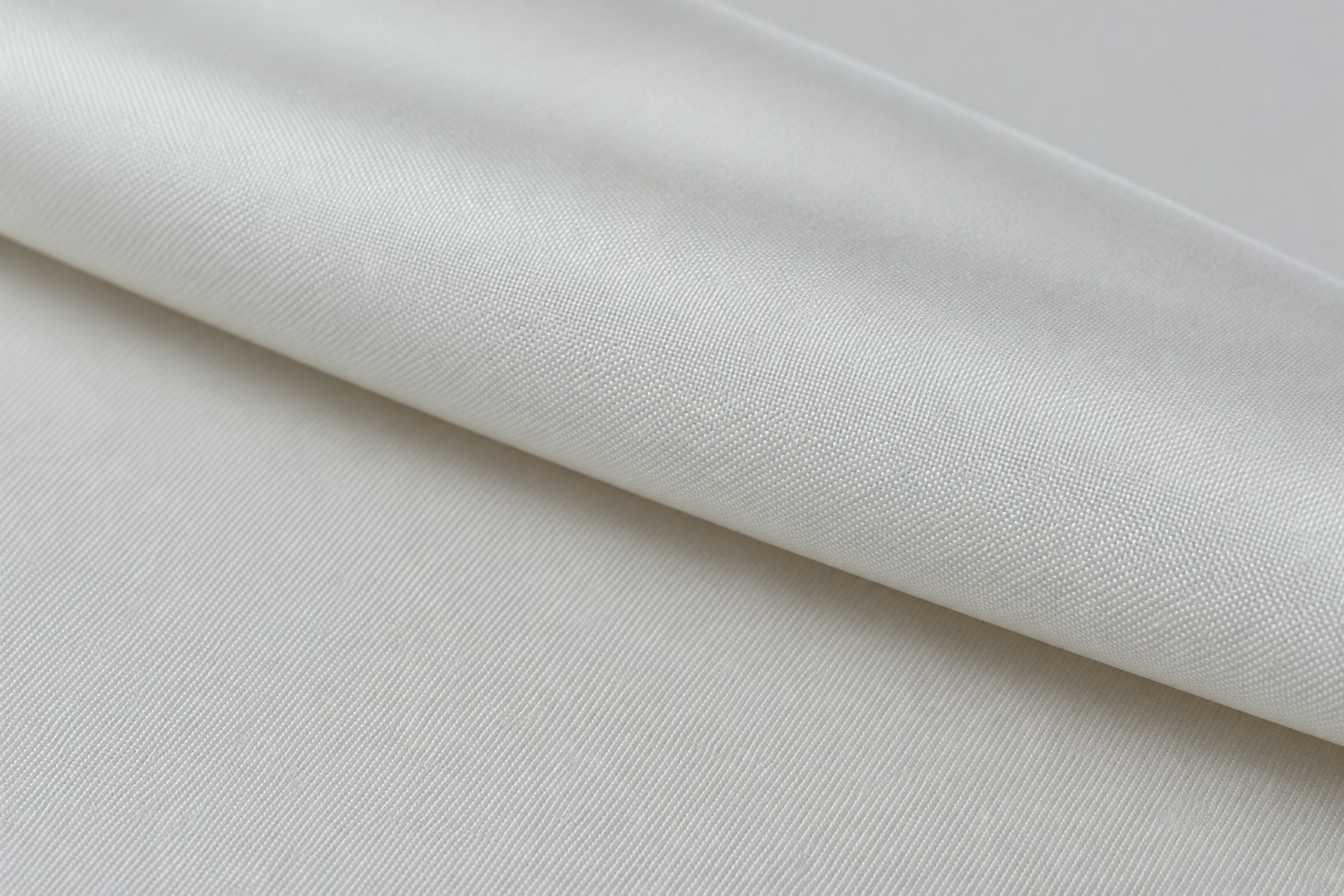
Shengchao’s lining fabric for bags is a starting point for discussing ordinary lining development. Its product photograph shows a light, fine-textured material; that appearance is not a test result. Ask for the current composition, construction and finish specification for the sample being quoted. The lining-fabric selection guide provides the wider context for balancing comfort, assembly and end use.
Why conditions matter to the comparison
Textiles can develop charge when they contact and separate from other materials. The educational chapter on antistatic finishes from INFLIBNET discusses friction, moisture and surface conductivity, and explains that some applied treatments lose effectiveness through care. This is a reason to request controlled comparisons rather than assume that a newly finished sample represents its entire service life.
In a buying trial, hold the comparison conditions constant. Use the same shell fabric, the same additional garment layer and the same handling sequence for both candidates. Record the room conditions and sample preparation. If those change between trials, record the difference rather than attributing every change in cling to the lining. A comfortable sample on one day is useful feedback, but it is not a universal performance guarantee.
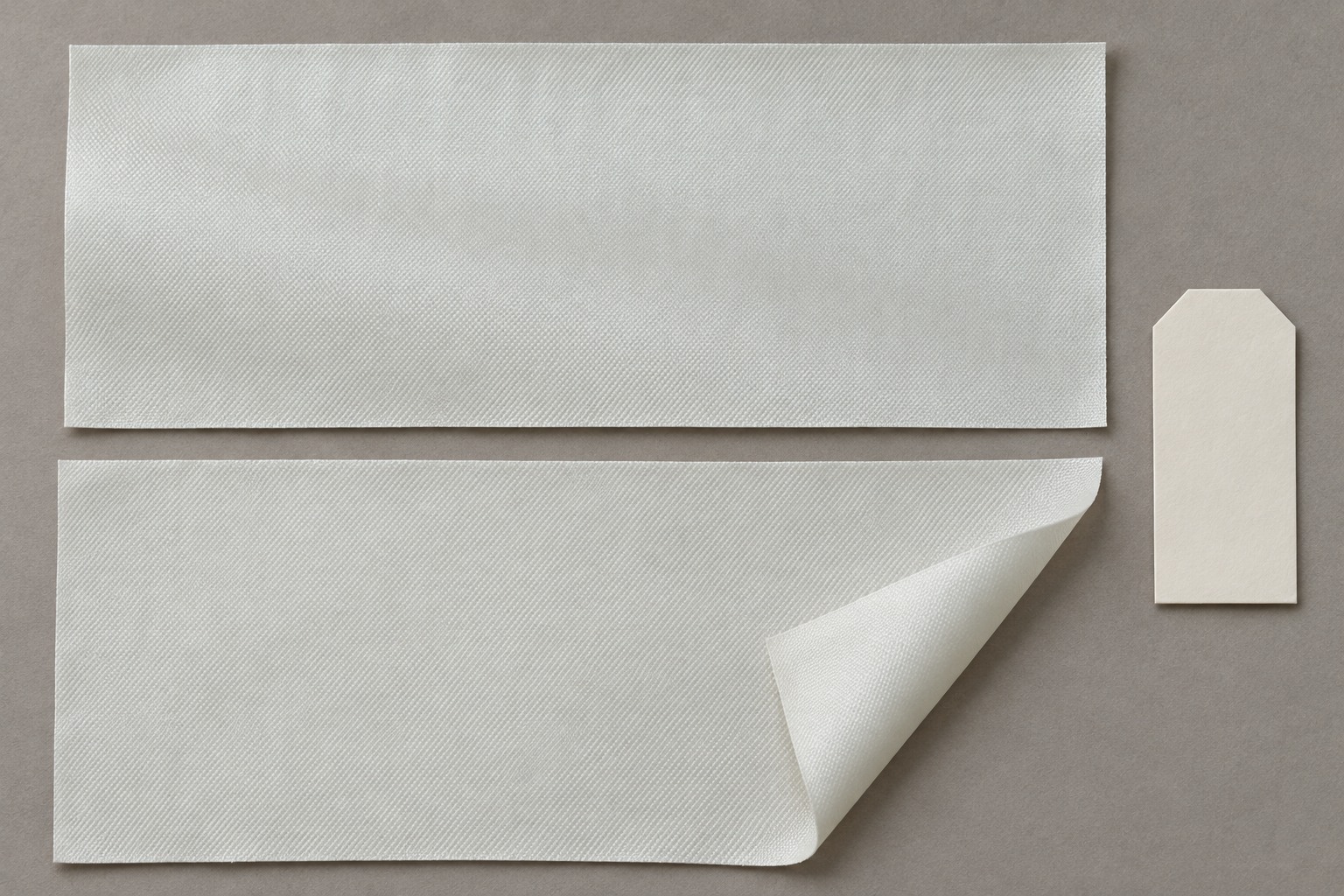
Distinguish the fabric face from its reverse when the two surfaces differ. Mark a removable identification tab outside the evaluation area and preserve orientation throughout the trial. Otherwise, a later comparison may accidentally use a different surface against the shell. Take notes immediately after handling instead of relying on memory of how the material felt several days earlier.
Choose a report that answers the question
Different electrical measurements describe different aspects of behaviour. A report heading should identify the actual method and measured quantity. ISO 18080-1, for example, describes corona charging with measurement of peak voltage and charge decay time. Its public scope also cautions that the method may not be suitable for personnel-safety or electrostatic-sensitive-device protection evaluations. Do not turn an ordinary fabric result into approval for those uses.
Ask the laboratory to explain whether the selected method suits the fabric and the intended comparison. Do not substitute a resistance reading for a charge-decay result without agreement, or compare numbers with different units as though they were interchangeable. This article does not set electrical acceptance limits. The buyer, supplier and competent laboratory should agree the applicable method, conditions and decision rule before samples are submitted.
| Buying question | Evidence to request | Decision boundary |
|---|---|---|
| Does the lining cling in the planned garment? | Matched assembly samples and a documented handling trial | Use-specific observation, not protective-clothing approval |
| How does a measured electrical property compare? | Named method, units, conditioning and individual results | Compare only compatible measurements |
| Does performance remain after care? | Before-and-after records with the care sequence identified | Do not infer durability from an untreated or new-only result |
| Is the material suitable for an ESD-controlled workplace? | Application-specific assessment by the responsible specialist | An ordinary lining comfort trial cannot establish suitability |
The table separates practical procurement questions; it is not a laboratory procedure. Method selection should follow the scope of the applicable standard and the specialist’s advice. Keep the laboratory’s full report with the sample record so that a short commercial summary does not become the only surviving evidence.
Build a representative sampling brief
Send enough information to connect the laboratory specimen to the eventual order. Include the supplier’s fabric reference, colour, finish state and roll or batch identity where available. Say whether it is a development swatch or a sample from the intended production route. A beautiful showroom cutting may be appropriate for choosing appearance, but a later production approval needs a traceable connection to what will actually be delivered.
Ask whether a proposed finishing change affects handle, shade, sewing behaviour or the intended care route. These are questions for sampling, not assumed disadvantages of every treatment. Keep the original candidate and the revised version separately identified. If several changes occur at once, ask for an updated specification so that the approval does not attach to an obsolete recipe.
Request reports in their original form. Check the sample description against the physical cutting, then check the test date, preparation and reported units. When a report applies to another colour or a different finish, ask why it is representative. Accepting it may be reasonable in a documented sampling plan, but that decision should be explicit rather than hidden in a folder of unrelated certificates.
Evaluate the complete combination without losing traceability
Prepare two otherwise comparable assemblies when choosing between linings. Keep the shell, thread, seam construction and additional layers unchanged where possible. Record how easily the assembly is put on, how it moves and where any cling appears. Use a simple written observation sheet with a place for “not assessed” so that missing observations are not silently treated as passes.
For a bag, consider the intended contents and construction rather than copying a skirt trial. A lining that moves acceptably in a loose garment may behave differently when constrained by pockets or panels. Describe the assembly to the supplier and ask for a sample that reflects its use. Photographs can document construction and visible cling, while the physical sample remains the reference for touch and movement.
Keep static questions separate from other comfort properties. Our fabric drape article explains a different aspect of how lining hangs. The dry-cleaning colourfastness guide addresses colour behaviour under a care exposure. Neither result substitutes for electrical evaluation, but both may belong in the same lining approval file when relevant to the finished product.
Check the proposed care route before bulk approval
Tell the supplier how the finished article will be maintained. Use the agreed care sequence for comparison samples and retain an unexposed control. Identify who performed the care, which sample was treated and how the specimen was prepared afterwards. If the laboratory uses a different pretreatment from the product’s proposed care, ask it to explain the relationship and limits.
Do not promise that a consumer product, extra softener or household treatment will deliver a particular electrical result. Such changes also alter the intended care instructions and can complicate a comparison. For commercial development, obtain the supplier’s documented proposal and assess the resulting finished fabric. Any care or finishing recommendation should remain consistent with the complete product and its verified requirements.
A failed comparison should lead to a specific next step: review the method, confirm sample identity, examine the shell-and-lining pairing or request an alternative construction. Repeating an informal rubbing trial without controlling those variables adds observations but may not resolve the reason for disagreement. Keep failed samples and notes until the replacement has been accepted.
Further learning and an order-ready checklist
The following Vidya-mitra lecture accompanies an INFLIBNET educational module on antistatic and antipilling finishes. It is included for an explanation of textile finishing concepts. It does not certify a Shengchao product or replace a laboratory method, and only the antistatic portion relates directly to this article’s buying question.
Before ordering, confirm the exact reference, colour, finish, care route and assembly sample. Agree which electrical or practical observations are required, who assesses them and what evidence will trigger approval. Keep a signed or otherwise acknowledged physical reference alongside the final specification. When the bulk lot arrives, compare its identification and finish state with that approved record before releasing it for cutting.
Finally, separate confirmed facts from open questions in the purchase file. “Sample received,” “laboratory result received” and “approved for this assembly” are different milestones. Naming them clearly helps the next person understand whether an ordinary lining has been selected, a finishing trial is still underway, or a specialist application remains outside the approval scope.
Frequently asked questions
Does polyester lining automatically have an antistatic finish?
No. Fibre composition does not establish the finish or its electrical performance. Ask for the exact supplied specification and relevant evidence for the intended use.
Can I compare static reports with different units?
Not directly. Identify the measured quantity, method and conditions first, then ask the laboratory whether a meaningful comparison is possible.
Is less cling proof of suitability for ESD protection?
No. Ordinary comfort observations do not establish protective performance. Specialist applications need an assessment against their applicable requirements.
Should care be included in the sample plan?
Yes, when the finished article will be cleaned. Agree the care sequence and compare identified before-and-after specimens without assuming new-fabric performance persists.