










Fabric Crease Recovery: Uniform Reports and Appearance Checks
Fabric crease recovery is a textile’s ability to recover after a fold has been imposed and released. A recovery-angle test describes that response under controlled conditions; it does not promise a wrinkle-free uniform throughout a school day. Buyers should identify the method, fabric direction, preparation and recovery interval behind a result, then assess the intended garment separately. For a useful sourcing decision, compare similar finished candidates and keep their reports connected to representative samples. Do not rank unrelated constructions by a single angle or assume a marketing phrase such as easy-care supplies all the evidence.
Separate accidental wrinkles from an intended crease
A trouser crease that a designer wants to retain is different from an unwanted fold caused by sitting or packing. Specify which outcome matters before requesting a test. If both matter, describe them as separate requirements. Otherwise, a supplier may optimise a sample for recovering from a fold while the buyer expects a sharply retained pleat, creating a disagreement that a general “crease resistant” label cannot resolve.
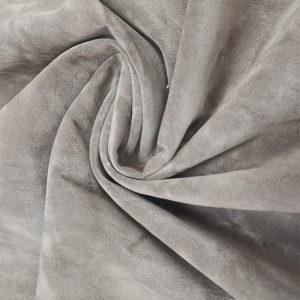
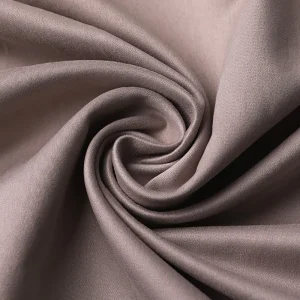
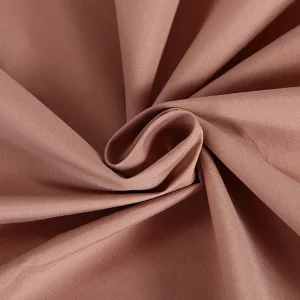
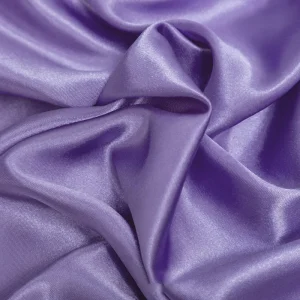
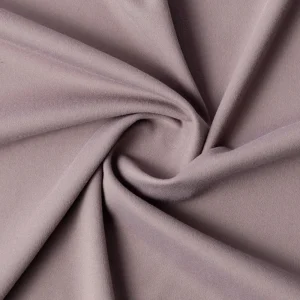
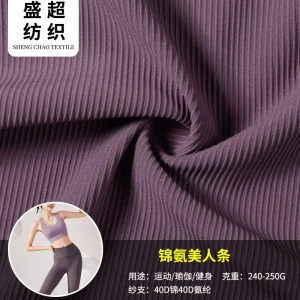
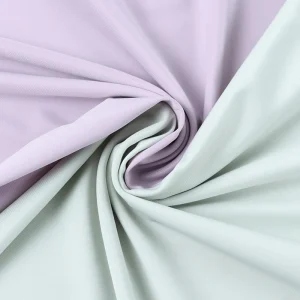
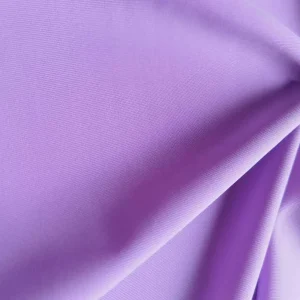
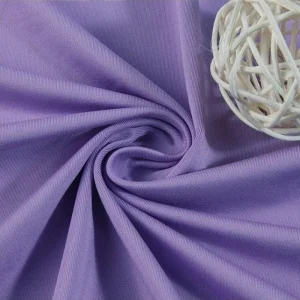
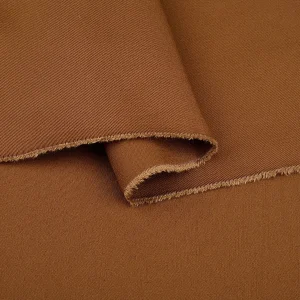
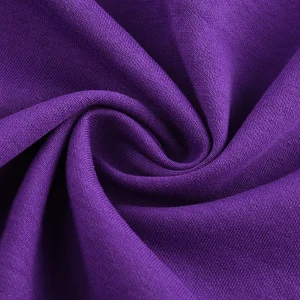
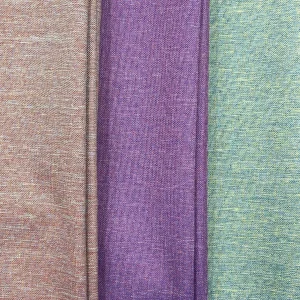
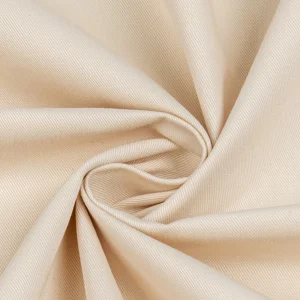
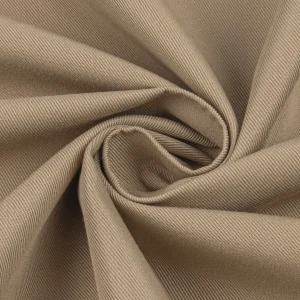
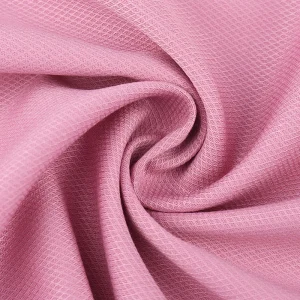
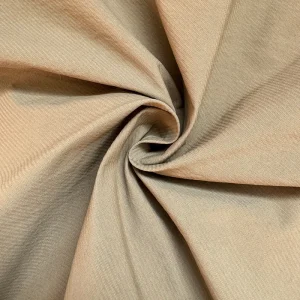
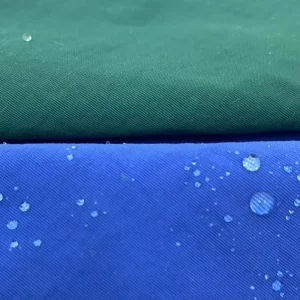
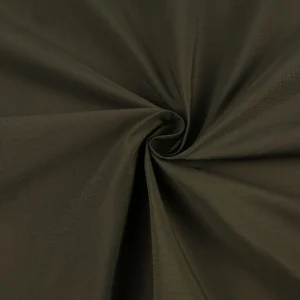
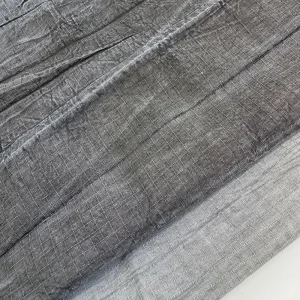
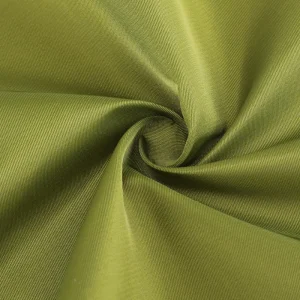
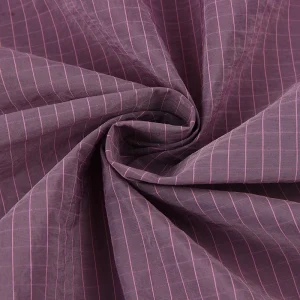
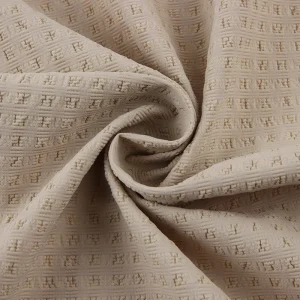
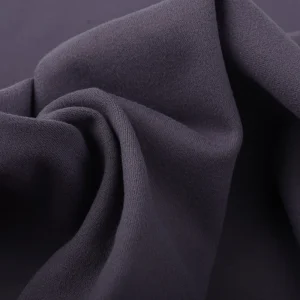
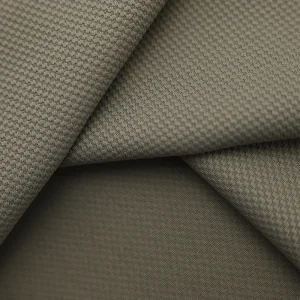
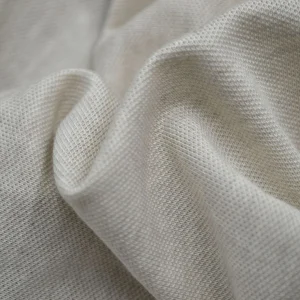
Shengchao’s cotton-polyester twill drill fabric is relevant to uniform sampling. The purple reference photograph helps identify the surface for discussion, but it cannot establish recovery performance. Confirm the current sample specification and proposed care. Our school-uniform fabric guide places appearance alongside the other requirements that a completed uniform must meet.
Understand what the recovery angle represents
ISO 2313-1 describes recovery from creasing by measuring an angle for a horizontally folded specimen. Its public scope specifically warns against directly comparing results from very different kinds of fabric. That limitation matters when a purchasing sheet places a light lining and a substantial uniform material in one ranking simply because both reports contain degrees.
Read the angle with the method and test conditions attached. A larger opening after an equivalent crease-and-recovery sequence generally indicates more recovery in that comparison, but the number is not a direct percentage of wrinkles removed from a garment. Ask the laboratory to explain its reporting convention, including the fabric directions and whether values have been combined. Do not reconstruct missing details from the size of the number.
The INFLIBNET chapter on wash-and-wear and crease-recovery finishes provides educational background on finishing approaches. It does not demonstrate that the fabric pictured here has received any particular treatment. If a supplier proposes a finish, ask for its declared purpose, the actual sample identity and evidence from that finished version rather than transferring a general explanation into a product claim.
Keep direction and timing in the report
Woven cloth has distinct warp and filling directions. Ask the laboratory how specimens are identified and how each direction is reported. A single combined figure may hide a difference that matters when planning a garment panel. Keep the original directional results available to the technical team instead of retaining only the average that appears on a commercial summary.
Recovery is observed after a defined interval, so a reading at one interval should not be presented as equivalent to another without justification. Confirm the loading and recovery sequence through the named method. This article deliberately avoids prescribing weights, specimen sizes or timing from memory: those details belong to the applicable full procedure and the competent laboratory executing it.
| Report field | What to verify | Why it matters |
|---|---|---|
| Method and edition | Exact procedure named by the laboratory | Prevents mixing incompatible test arrangements |
| Fabric direction | Warp and filling results remain identifiable | A combined value can conceal directional differences |
| Preparation | As-supplied or identified care exposure | New and cared-for specimens answer different questions |
| Recovery interval | Reading corresponds to the agreed procedure | Time-dependent readings need matching conditions |
| Sample identity | Reference, colour and finish match the order candidate | Connects the result to the material being approved |
The table is a report-review aid based on the method’s defined scope, not a replacement laboratory instruction. Agree the acceptance requirement for the application before testing, and ask the laboratory to flag deviations. A complete report allows the buyer to distinguish a comparable result from one that is only useful as preliminary development information.
Design a practical uniform appearance trial
Select the actual garment areas that matter: seated trouser panels, jacket elbows or packed skirt sections may produce different observations. Make representative samples with the intended construction and record their orientation. Avoid evaluating only a loose cutting when the buying question concerns a constrained seam, lining combination or pocket assembly in a finished uniform.
Use a consistent activity and observation sequence for candidates. Document the initial appearance, the exposure, the waiting period and the assessment conditions. Take comparable photographs under the same lighting and distance. This makes the record easier to discuss, while acknowledging that a practical trial is not automatically equivalent to a standard laboratory recovery-angle measurement.
Keep the judgement descriptive. “Fold remained visible in this area after the agreed trial” is more useful than an unexplained “poor.” Record whether the observation affects the intended design and who makes that decision. A visible fold may be acceptable for one uniform brief and unacceptable for another; the commercial requirement needs to be defined rather than implied by a universal quality label.
Check care and finishing as connected decisions
Tell the supplier whether the uniform will be laundered, professionally cleaned or maintained through another specified route. If retained performance matters, request representative specimens after the agreed care sequence. Keep the unexposed reference and the exposed samples separately marked. Do not assume a report on new material establishes the same appearance behaviour throughout the product’s useful life.
A proposed recovery finish should be reviewed as part of the full specification. Ask for a sample that allows the buyer to examine hand, shade, sewing and other applicable requirements. These checks do not imply every finish creates a problem; they ensure that approval covers the version eventually purchased. A finish change after testing should trigger a documented review of which evidence remains representative.
Use complementary evidence without confusing properties. Our fabric bending-stiffness article concerns resistance to bending under its defined method. The fabric shrinkage guide addresses dimensional change. Neither reading replaces crease recovery, but they may explain why two fabrics with similar recovery results still feel or fit differently in a uniform sample.
Handle a disappointing result systematically
First confirm that the laboratory tested the intended reference and finish state. Compare the method, direction and preparation with the agreed brief. If the result is valid but below the requirement, ask the supplier for a specific alternative: a revised construction, finishing proposal or a different candidate. Keep the unsuccessful sample so the replacement can be judged against the actual problem.
Do not raise or lower the acceptance limit merely to fit the observed number. If the original requirement was poorly chosen, revise it transparently with the responsible team and document why. A changed requirement and a corrected test are different actions. Preserving that distinction prevents later confusion about whether the fabric improved or the buying decision changed.
When laboratory and wear observations disagree, identify the limits of each. The garment may combine layers or seams absent from the specimen, while the trial may have used uncontrolled handling. Ask the laboratory and pattern team to review the evidence together. A targeted follow-up usually provides more useful information than repeating several unrelated tests without a question.
Further learning and final approval
The Vidya-mitra lecture below is titled Durable Press Finishes and is linked from INFLIBNET’s educational module on durable press finishing. It explains finishing concepts and gives context for discussions with a supplier. It is not proof of treatment or a substitute for a report on the selected Shengchao fabric.
Before approving bulk material, retain the exact fabric reference, colour, finish, care instructions, test report and representative garment sample. State whether acceptance is based on a recovery-angle requirement, a practical appearance requirement or both. Identify any open decisions. The cutting team should receive the same approved specification as purchasing, so a development swatch does not become detached from the production order.
At incoming inspection, check lot identity and visible consistency with the accepted reference. If a substantial difference appears, agree representative resampling before cutting. This maintains a clear connection between the original appearance objective, the laboratory evidence and the material actually used in the finished uniform.
Agree packing conditions as part of the development record when transport appearance matters. Record whether samples were folded, rolled or hung, and allow the same unpacking interval before comparing them. Otherwise, one candidate may receive extra recovery time while another is photographed immediately. Keep packaging observations separate from the laboratory angle so a packing problem is not automatically attributed to the fabric specification.
Frequently asked questions
Is crease recovery the same as retaining a trouser crease?
No. Recovery from an accidental fold and retention of an intended crease are different objectives. Specify and assess each relevant requirement separately.
Can different fabric types be ranked by recovery angle alone?
No. ISO 2313-1 cautions against direct comparison of very different fabrics. Check method compatibility and application with the laboratory.
Does a high recovery angle guarantee a wrinkle-free uniform?
No. The test represents defined specimen conditions. Garment construction, use and care still require an appropriate practical assessment.
Why retain warp and filling results?
Directional information can matter to panel planning and comparison. Keep it available even when a commercial summary also reports a combined value.